
Frogs in the Backyard: Why They Are There, and the Holes
Frogs in a yard mean damp cover, insects and water nearby. What they eat, what those holes in the lawn really are, and whether to keep them around.
 By
We may earn a commission when you buy through links on this page, at no extra cost to you.

On this page
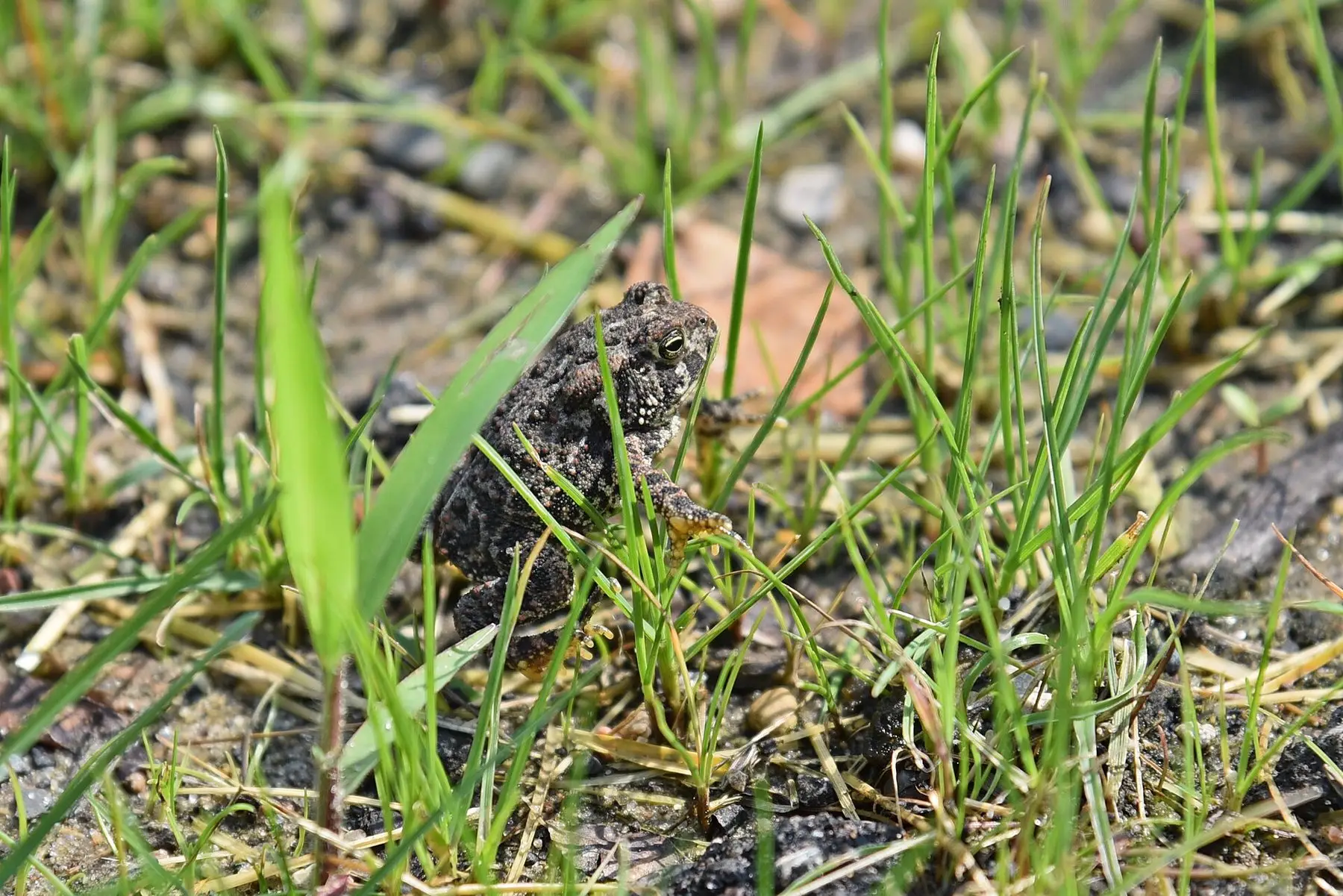
A yard with frogs in it has damp daytime cover, a supply of insects, and water within hopping distance. That is the whole explanation. Everything people find puzzling about them — the sudden appearance after rain, the holes, the noise — follows from those three things.
Frog or toad?
Worth sorting out first, because they use the yard differently.
| Feature | Frog | Toad |
|---|---|---|
| Skin | Smooth, moist | Dry, warty |
| Legs | Long — moves in leaps | Short — walks and hops |
| Where it stays | Close to water | Ranges much further from water |
| Eggs | Clumped jelly mass | Long paired strings |
| In the day | Damp cover near water | Burrowed into soil or under cover |
A toad in a dry flowerbed fifty yards from any water is normal. A frog in the same spot is probably travelling.
What they are eating
Almost anything invertebrate that moves and fits:
- Slugs and snails — the reason gardeners want them
- Cutworms, beetles, earwigs, woodlice
- Mosquitoes, midges, moths and flies, especially around lights
- Ants and spiders
They hunt by movement, which is why a frog ignores a motionless insect entirely. They eat no plant material at all as adults — no seedlings, no fruit, no leaves. Tadpoles are the exception and graze algae and decaying plant matter in the water.
A single adult frog or toad accounts for thousands of invertebrates over a season. That is a real substitute for slug pellets, and unlike pellets it does not also kill the hedgehogs and birds that eat poisoned slugs.
The holes
This is the question that brings most people here, and the answer is usually disappointing: the holes are not frog holes.
| Hole | Likely cause |
|---|---|
| Pencil-width, clean, no mound | Cicada emergence or earthworm |
| Shallow scrape, animal sitting in it | Toad — it scraped it backward with its hind feet |
| Small hole with a soil mound | Vole, chipmunk or crayfish |
| Golf-ball sized, turf flipped back | Skunk or raccoon digging for grubs |
| Wide, deep, at a bank or foundation | Groundhog, rat or similar |
| Neat round hole in a lawn, no mound | Usually cicada, occasionally a rodent run |
Toads do dig — they shuffle backward into loose soil to sit out the day and burrow deeper in dry weather — but what they leave is a shallow depression, not a shaft. A toad found sitting in a neat round hole has moved into something another animal made.
Why they arrive all at once
Frogs do not appear gradually. They turn up overnight after the first warm rain, because that is when they migrate to breeding water and when moving across open ground is survivable.
The other burst comes after heavy summer rain, when temporary pools fill and the young of the year disperse — that is the one where people find dozens of tiny froglets crossing a patio at once. It lasts a few days.
Frogs are also only one of the things calling after dark. If the noise is a dry mechanical chirp rather than a croak, it is probably crickets, and they call at night for a reason.
Living with them
They do not stay all summer
Breeding choruses run a few weeks, not months, and the frogs disperse afterwards. If the noise is the problem, it is a seasonal problem — and the fix is the water, not the frogs.
Pets: common frogs are harmless. Most temperate toads carry a mild skin toxin that makes a dog drool and look miserable for an hour. The genuine dangers are cane toads (Florida, Hawaii, Australia) and Colorado river toads (US southwest), both of which can kill a dog — if you are in that range, learn to identify them, and rinse a dog’s mouth out sideways with a hose immediately after contact.
Children: fine, with handwashing afterwards. Amphibians can carry salmonella, and wet hands are kinder to the frog than dry ones.
Mowing: the real risk to frogs in a yard. Walk the area first in wet weather, mow in the middle of a dry day rather than at dusk, and raise the deck.
Chemicals: amphibian skin absorbs what it touches, so anything applied to paving or decking reaches them directly. That is why bleach kills frogs outright and why it should never be used to move them on.
Encouraging them
If you want more — and for a vegetable garden you probably should:
- A small pond with no fish. Fish eat eggs and tadpoles; a fishless pond is the single biggest improvement you can make. Gently sloping edges matter so froglets can get out.
- A damp shaded corner with leaf litter and a log or two left alone.
- A toad house: a broken terracotta pot laid on its side in shade. They get used.
- Longer grass on at least part of the lawn.
- Stop using slug pellets and broad-spectrum insecticide. They remove the food and poison the animals through the skin.
And if you want fewer of them near the house specifically, that is a different job — drier ground along the foundation, yellow bug bulbs, and no standing water within a few feet of the door.
Our picks
| # | Pick | Best for | Where to buy |
|---|---|---|---|
| 1 | Shallow-sided container or preformed pond | What brings frogs and keeps them | Check price for Shallow-sided container or preformed pond → |
| 2 | Native oxygenating pond plants | What stops it becoming a mosquito pool | Check price for Native oxygenating pond plants → |
| 3 | Log pile or frog house | Where they spend the other nine months | Check price for Log pile or frog house → |
What brings frogs and keeps them
Shallow-sided container or preformed pond
A sheer-sided container kills more frogs than it attracts. The exit slope is not a detail — it is the whole difference.
- Critical
- A sloping exit, or they drown
- Size
- 2 ft across is enough to breed in
What we liked
- Standing water is the one requirement; everything else is optional
- A sloped side or a ramp is what separates a pond from a trap
Worth knowing
- Still water needs either plants or movement, or it breeds mosquitoes
What stops it becoming a mosquito pool
Native oxygenating pond plants
The objection to a garden pond is mosquitoes, and planting answers it. A planted pond with frogs in it produces fewer mosquitoes than the gutter does.
- Role
- Oxygen, cover, egg-laying sites
What we liked
- Plants plus surface cover suppress mosquito larvae far better than chemicals
- Tadpoles need the cover from birds
Worth knowing
- Some sold as pond plants are invasive; buy native where you can
Where they spend the other nine months
Log pile or frog house
Most gardens that fail to keep frogs have water and no cover. A damp log pile in shade is the half people leave out.
- Placement
- Shade, damp, near the water
What we liked
- Frogs are only in water to breed; they need damp shelter the rest of the year
- Costs nothing if you have the wood
Worth knowing
- Needs to stay undisturbed to be used
Common questions
Why are there frogs in my backyard?
What are the small holes in my yard — are they frog holes?
Are frogs good to have in the garden?
What do backyard frogs eat?
Are backyard frogs dangerous to pets?
How do I attract more frogs to my yard?
Backyard Weekly
Know what to plant, week by week
Join the weekly email for seasonal jobs, fixes for what is going wrong, and gear worth buying.
Not ready to subscribe? The planting calendar is free and needs no email.
By subscribing you agree to our privacy policy. Grow In Backyard will never sell your address.
Keep reading
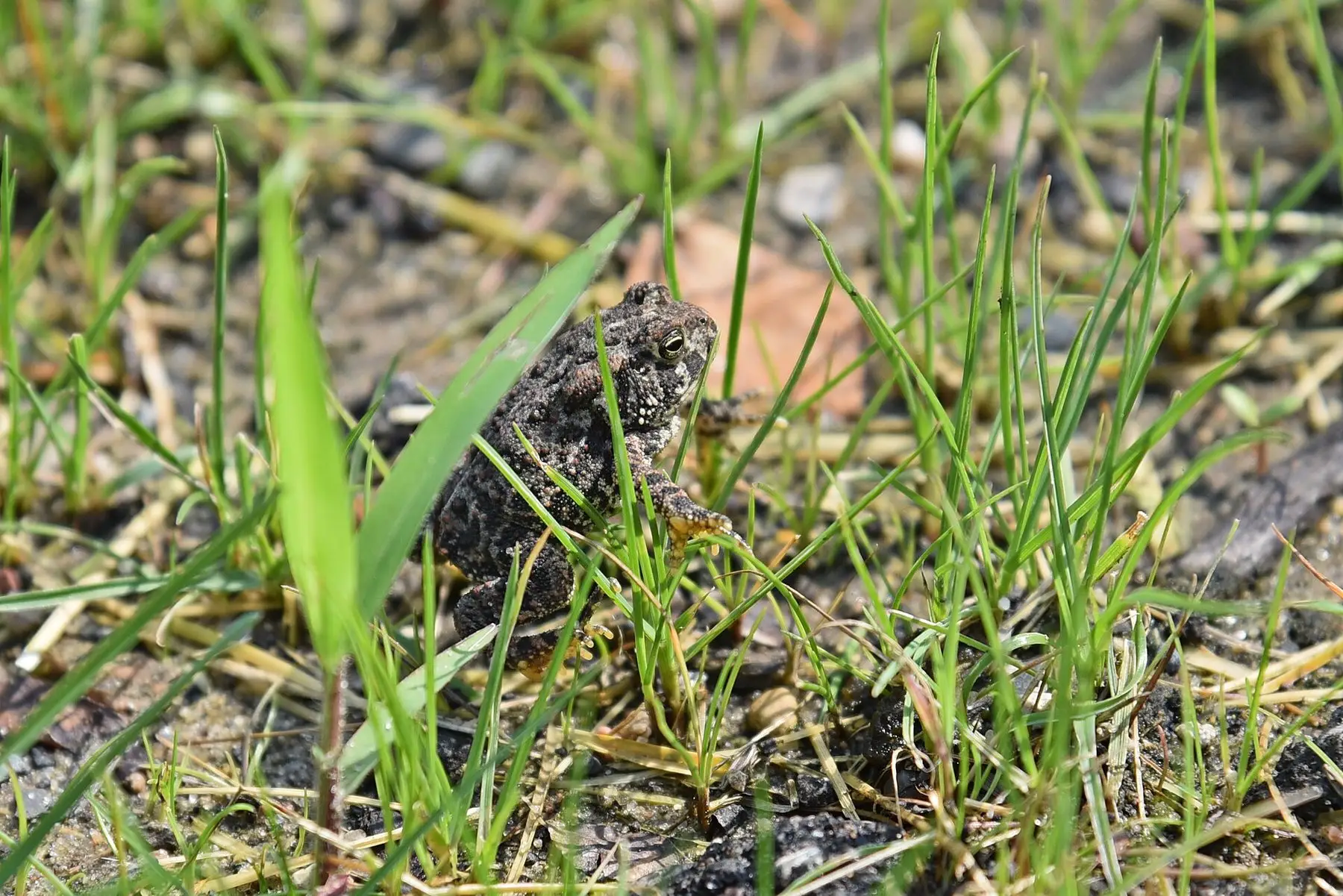
How to Get Rid of Frogs — 3 Fixes That Cut the Draw
How to get rid of frogs starts with the water and light drawing them in. 3 fixes compared for yards and pools. See which matches your problem.
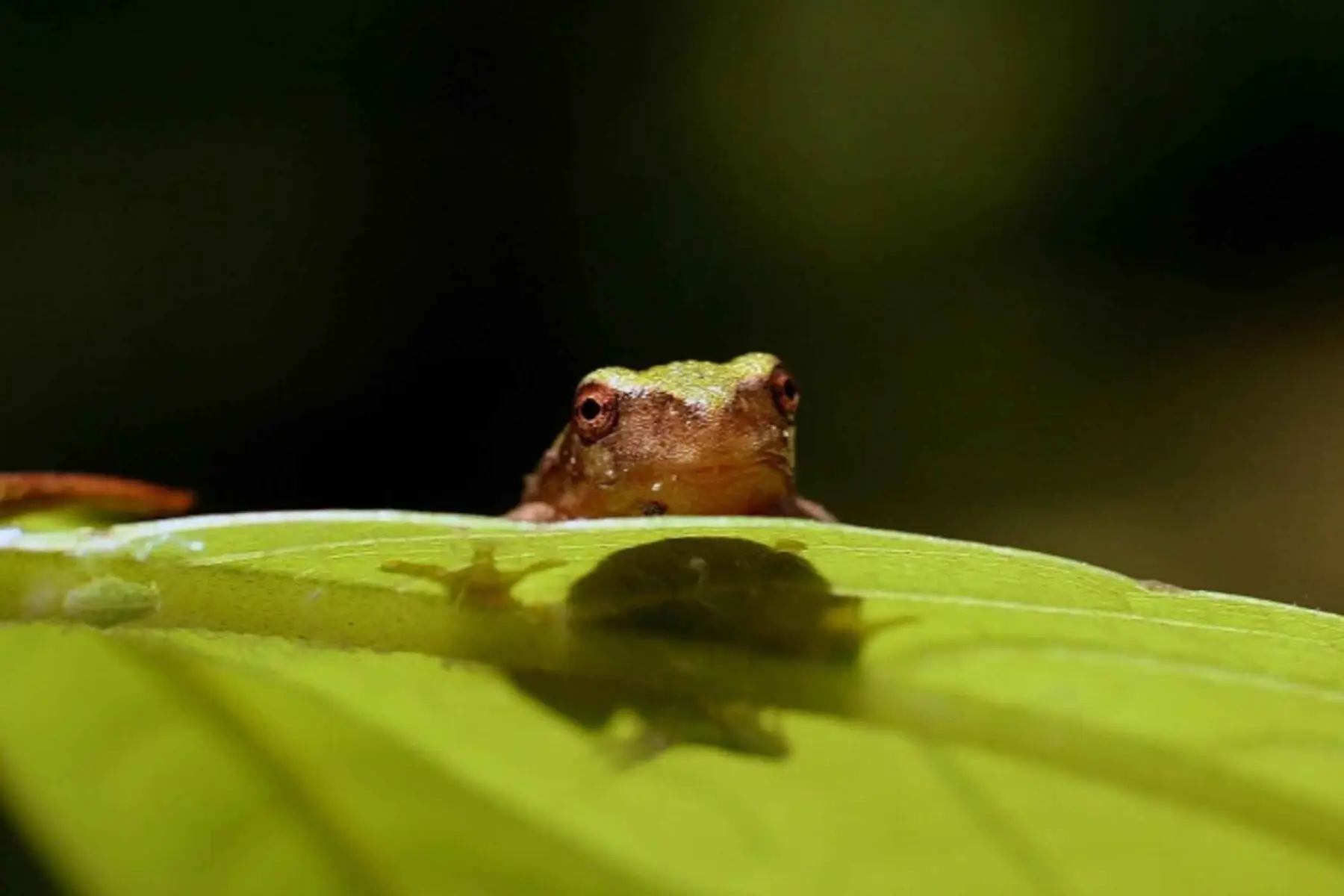
How to Get a Frog Out of Your House Without Hurting It
A frog indoors is lost and drying out, not invading. How to corner one safely, where they get in, and the one mistake that kills them on the way out.
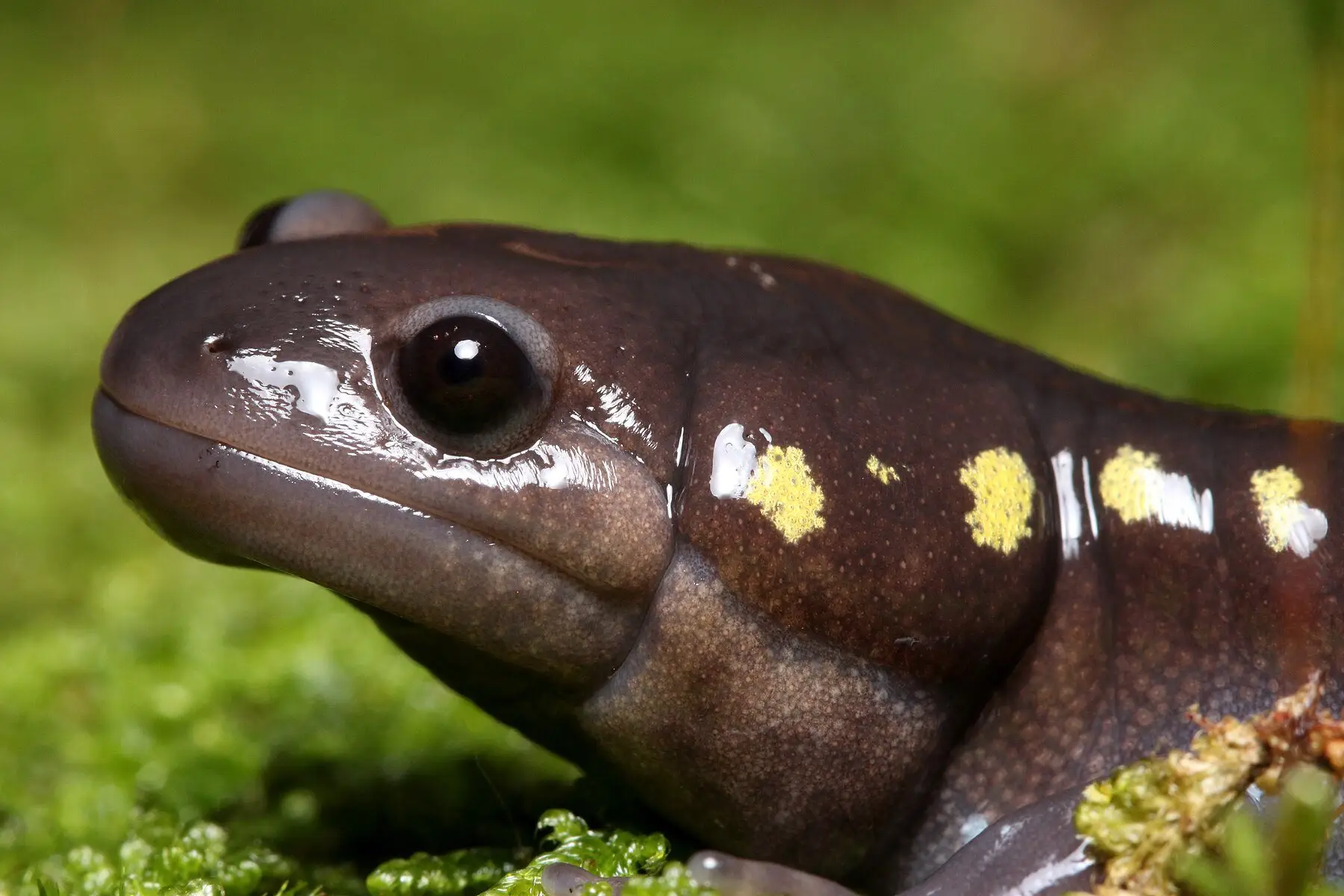
How to Catch a Salamander Safely (and Whether You Should)
Salamanders hide under damp cover and absorb everything through their skin. How to find and handle one without harming it, and why to put it straight back.
How Long Can a Snake Live in a Garage? Weeks to Months
A snake in a garage survives as long as the mice do. How long it can realistically stay, how to tell if it has gone, and the gap it came through.