
Can You Eat Bass From a Lake? Yes, With One Real Caveat
Lake bass is good eating, but as a predator it concentrates mercury. Check your state advisory, favour smaller fish, and know which waters to avoid.
 By
On this page
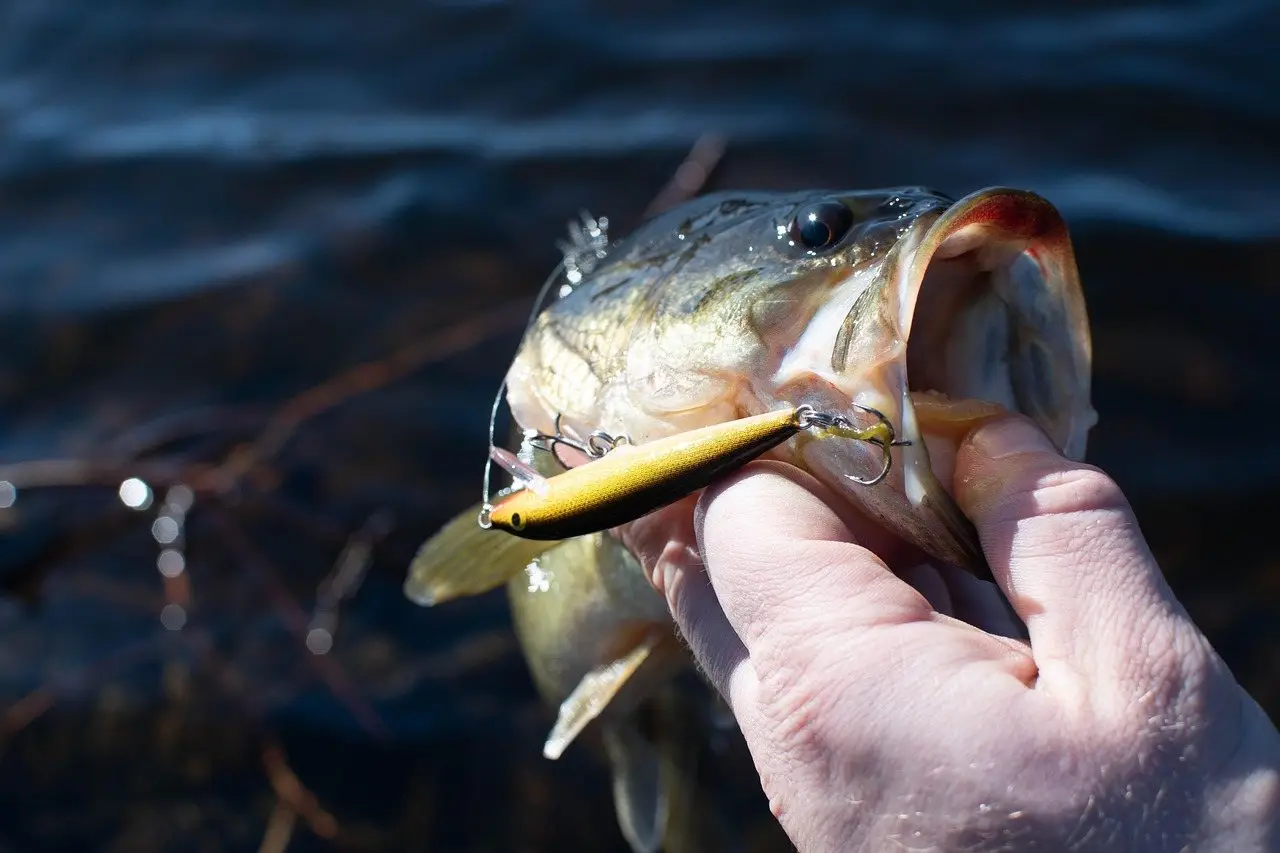
Yes. Bass is good eating — firm, white, mild. The caveat is mercury, and it is a real one rather than a technicality, because bass sit at the top of a freshwater food chain.
Why bass specifically
Mercury enters water from both natural geology and industrial sources, where bacteria convert it to methylmercury. That form binds to protein and is retained rather than excreted.
So it bioaccumulates — it builds up over an animal’s life — and it biomagnifies, meaning each step up the food chain concentrates it further:
| Step | Mercury |
|---|---|
| Algae and sediment bacteria | Trace |
| Insects, zooplankton | Low |
| Minnows, shiners, small panfish | Moderate |
| Largemouth / smallmouth bass | Highest in most lakes |
A bass eats thousands of smaller fish over its life and keeps the mercury from every one. That, plus a lifespan of ten to sixteen years, is the whole reason it has an advisory while a crappie from the same lake may not.
Trimming does not help with mercury — this is the one to remember
For PCBs, dioxins and other fat-soluble contaminants, the standard advice is genuinely useful: skin the fillet, trim the fat and the belly flap, grill or broil so fat drips away.
None of that works for mercury. It is bound to protein in the muscle itself. You cannot trim it out, soak it out, or cook it out.
The only two levers are how big a fish you eat and how often.
Size is the lever you control
Mercury accumulates with age, and in bass age tracks size closely. A two-pound bass typically carries substantially less than an eight-pound one from the same water.
This happens to align with good fishery practice. Large bass are the proven breeders and the genetics worth keeping in the lake, so keeping the smaller fish and releasing the big ones is better for the water and better for you. The trophy is the one to photograph and let go.
Finding your actual limit
Advisories are issued by water body, because levels vary enormously with local geology, industrial history and water chemistry. A generic national figure would be meaningless.
Where to look:
- Your state environmental or health department — most publish a searchable list by lake
- The statewide default for predator fish, which most states provide where a specific water has not been tested
- Posted signs at public boat ramps, which often carry the local limit
Typical advisories land somewhere between one meal a week and one meal a month for adults, with a separate, lower limit for children and for people who are pregnant, may become pregnant, or are breastfeeding — the concern there being methylmercury’s effect on the developing nervous system.
Those sensitive-population limits are the ones to follow precisely rather than approximately.
The muddy taste is a different problem
Worth separating, because people conflate the two and assume a muddy fish is a contaminated one. It is not.
The cause is geosmin, a compound produced by blue-green algae and some soil bacteria, which fish absorb through skin and gills. It is strongest in:
- Warm, still, shallow, nutrient-rich water
- Late summer
- Stagnant ponds rather than lakes with flow
It concentrates in the skin, the dark lateral-line muscle and the fat — so unlike mercury, this one you can prepare away:
- Skin the fillet
- Trim out the dark strip along the lateral line
- Soak 20–30 minutes in milk, buttermilk or salted water
- Ice the fish immediately on catching
Bass from cold, clear, moving water rarely needs any of it.
Common questions
Can you eat bass from a lake?
Is there a lot of mercury in bass?
How do you reduce mercury when eating bass?
Why does bass from a pond taste muddy?
Where can I find the advisory for my lake?
Is it safe to eat bass while pregnant?
Backyard Weekly
Know what to plant, week by week
Join the weekly email for seasonal jobs, fixes for what is going wrong, and gear worth buying.
Not ready to subscribe? The planting calendar is free and needs no email.
By subscribing you agree to our privacy policy. Grow In Backyard will never sell your address.
Keep reading
Can You Eat Koi? Yes — But Almost Nobody Does
Koi are ornamental common carp, entirely edible and eaten across Asia and Europe. Why the fish in your pond is still a bad dinner, and the real risks.
What Can I Feed Koi Besides Fish Food? Greens, Fruit and Prawns
Lettuce, peas, watermelon and prawns all work as supplements. They stay supplements — pellets carry the vitamins a pond cannot, and bread harms.
What Eats Frogs in a Pond? The Predators, Stage by Stage
Frogs are eaten by something at every life stage, and the main predators change completely between spawn, tadpole and adult. What is taking yours.
Can You Eat Perch? Yes — One of the Best Freshwater Fish
Yellow perch is mild, firm and widely considered excellent eating. The real question is the water it came from, not the species.