
What Can I Feed Koi Besides Fish Food? Greens, Fruit and Prawns
Lettuce, peas, watermelon and prawns all work as supplements. They stay supplements — pellets carry the vitamins a pond cannot, and bread harms.
 By
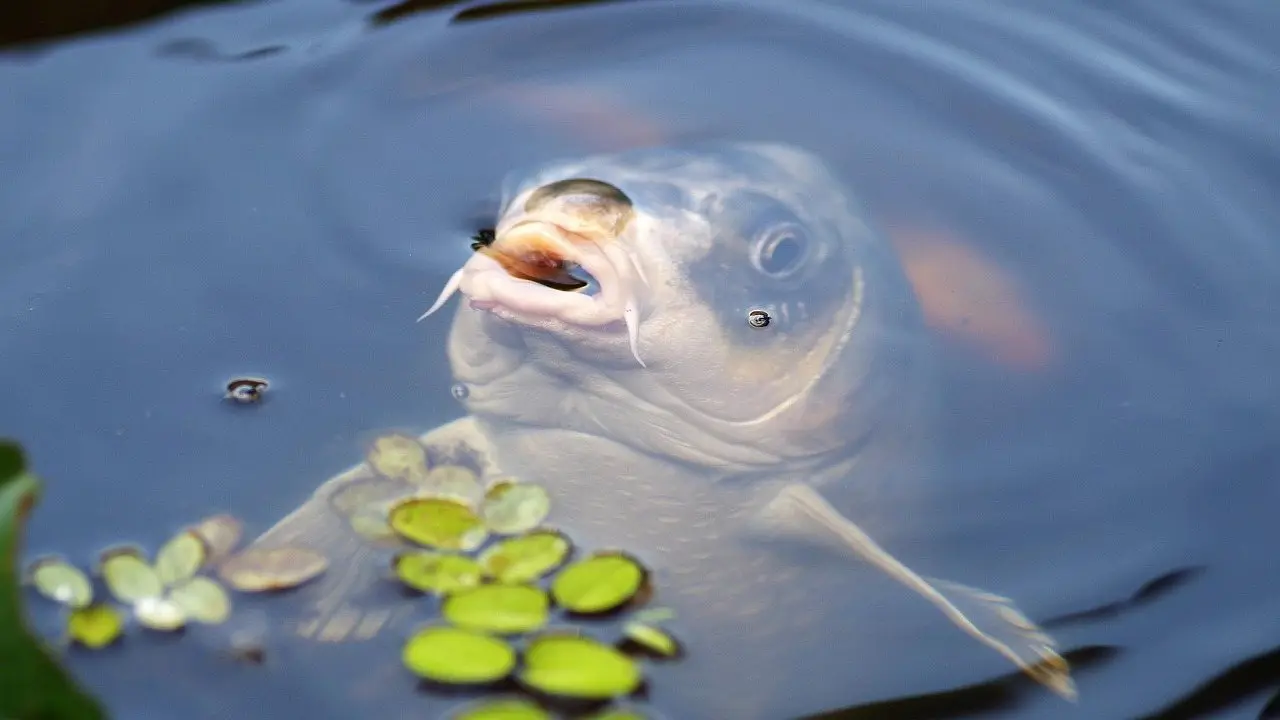
On this page
Greens, fruit and protein — as supplements. Blanched lettuce, shelled peas, watermelon, prawns and earthworms all go readily. But pellets stay the base: they carry stabilised vitamin C and minerals a pond diet will not. Bread does harm.
What they will take
| Food | Notes |
|---|---|
| Shelled peas | The standard. Also relieves constipation and swim bladder issues |
| Lettuce, spinach, kale, chard | Blanch so they soften and sink |
| Courgette slices | Taken readily |
| Watermelon, orange, halved grapes, strawberry | Go quickly |
| Cooked rice, pasta | Fine occasionally |
| Raw prawns, earthworms, silkworm pupae, bloodworm | Growth and colour — occasional |
| Hard-boiled egg | Occasional |
| Bread, crackers, cereal | No |
| Anything from a wild watercourse | No — parasite risk |
Why bread is the one to avoid
Koi eat it enthusiastically, which is why people keep offering it. It has almost no useful nutrition, expands in the gut, and the yeast and starch contribute to digestive problems — and the quantity people typically throw in pollutes the water.
If you want something for children to feed the pond with
Shelled peas or torn lettuce. Cheap, harmless, eaten eagerly, and they float or sink slowly enough to watch.
Temperature changes everything
This is the part most often got wrong.
| Water temperature | Feed |
|---|---|
| Above 15°C | Normal feeding, including protein and supplements |
| 10–15°C | Low-protein wheatgerm formulation only |
| Below 8–10°C | Stop entirely |
Cold koi cannot digest protein — the food rots inside them
Below about 10°C their metabolism slows to the point where food sits in the gut and decomposes. Fruit and vegetables follow the same rule. A koi going into winter underfed is in far less trouble than one that was fed through it.
How much
Only what they clear in about five minutes, once or twice a day in warm weather.
Koi beg convincingly and will keep eating well past what they need. Overfeeding is the most common cause of poor water quality in a domestic pond — uneaten food and extra waste both load the filter.
If the water is cloudy or ammonia is reading high, feeding less is the first and usually the most effective change.
Common questions
What can I feed koi besides fish food?
What vegetables and fruit are best?
Can koi eat bread?
What protein can I give koi?
Does the water temperature change what I should feed?
How much should I feed?
Backyard Weekly
Know what to plant, week by week
Join the weekly email for seasonal jobs, fixes for what is going wrong, and gear worth buying.
Not ready to subscribe? The planting calendar is free and needs no email.
By subscribing you agree to our privacy policy. Grow In Backyard will never sell your address.
Keep reading
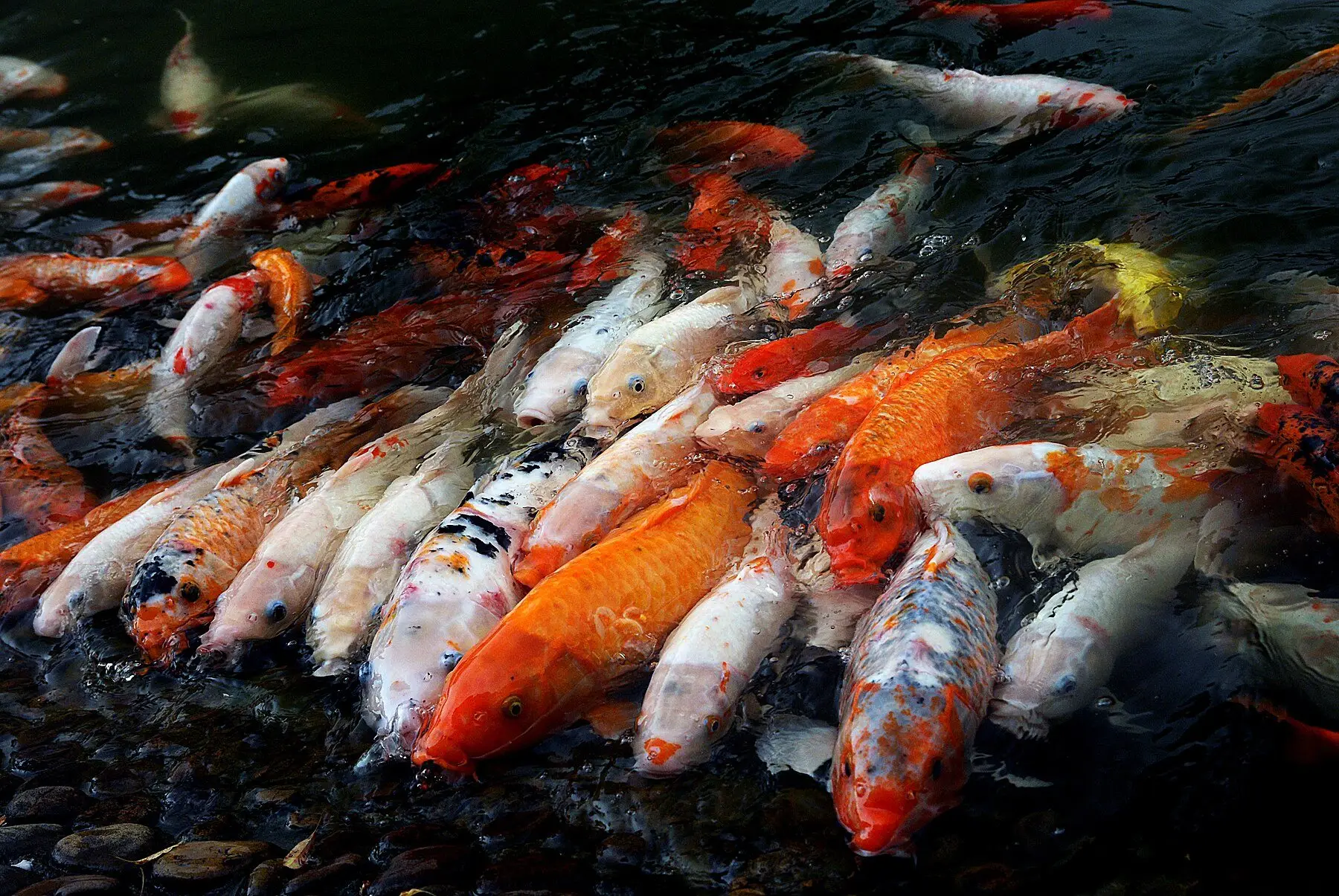
How Much Do Koi Fish Cost? Fish, Pond and Yearly Running
A pet-store koi is $15 and a show-grade one is five figures. What drives the price, and why the pond costs far more than the fish ever will.
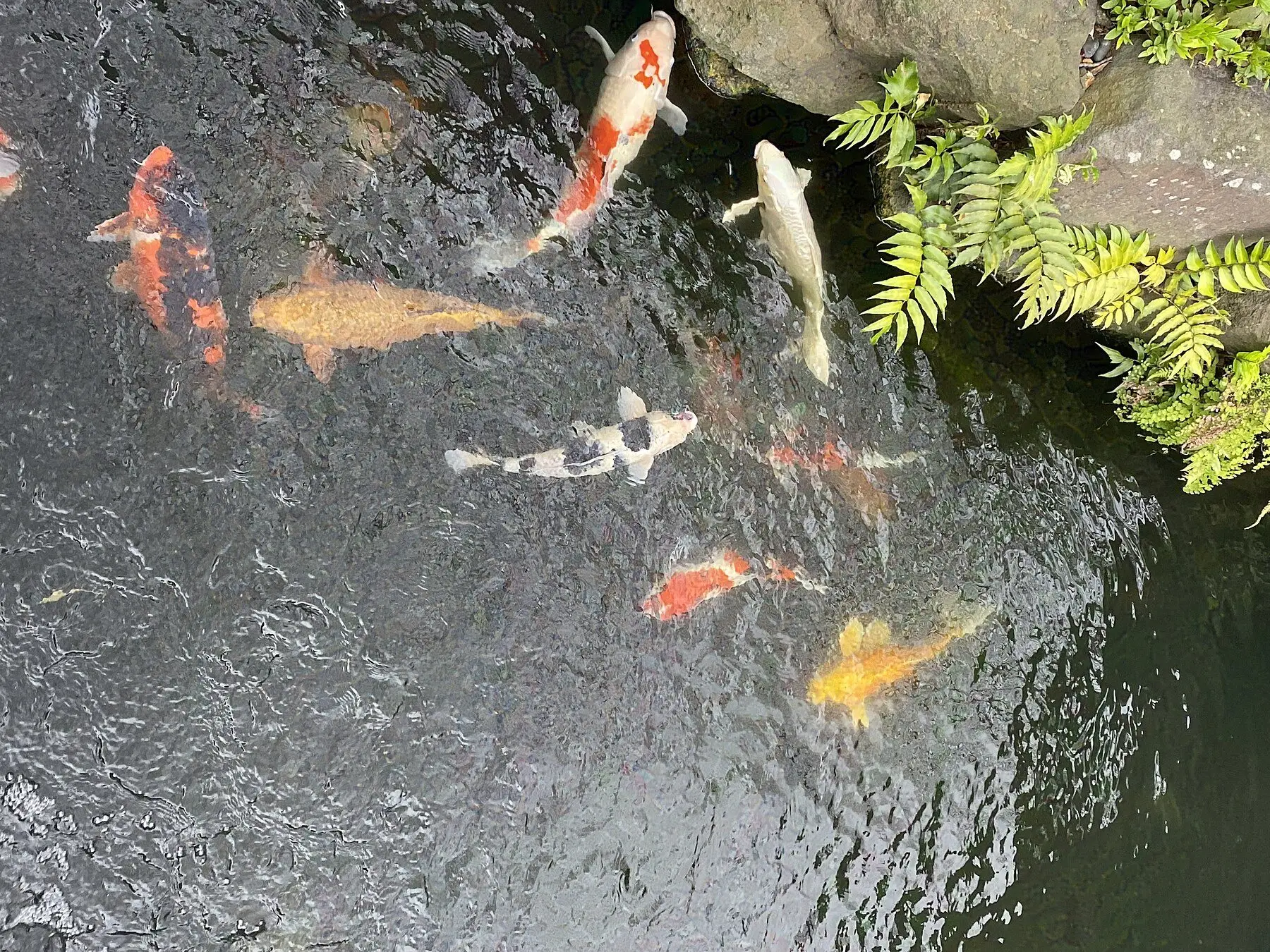
How Long Do Koi Live? 25 to 35 Years, With Caveats
Koi routinely outlive the pond they were bought for. What actually sets lifespan, the volume they need, and why the famous 226-year fish is not the benchmark.
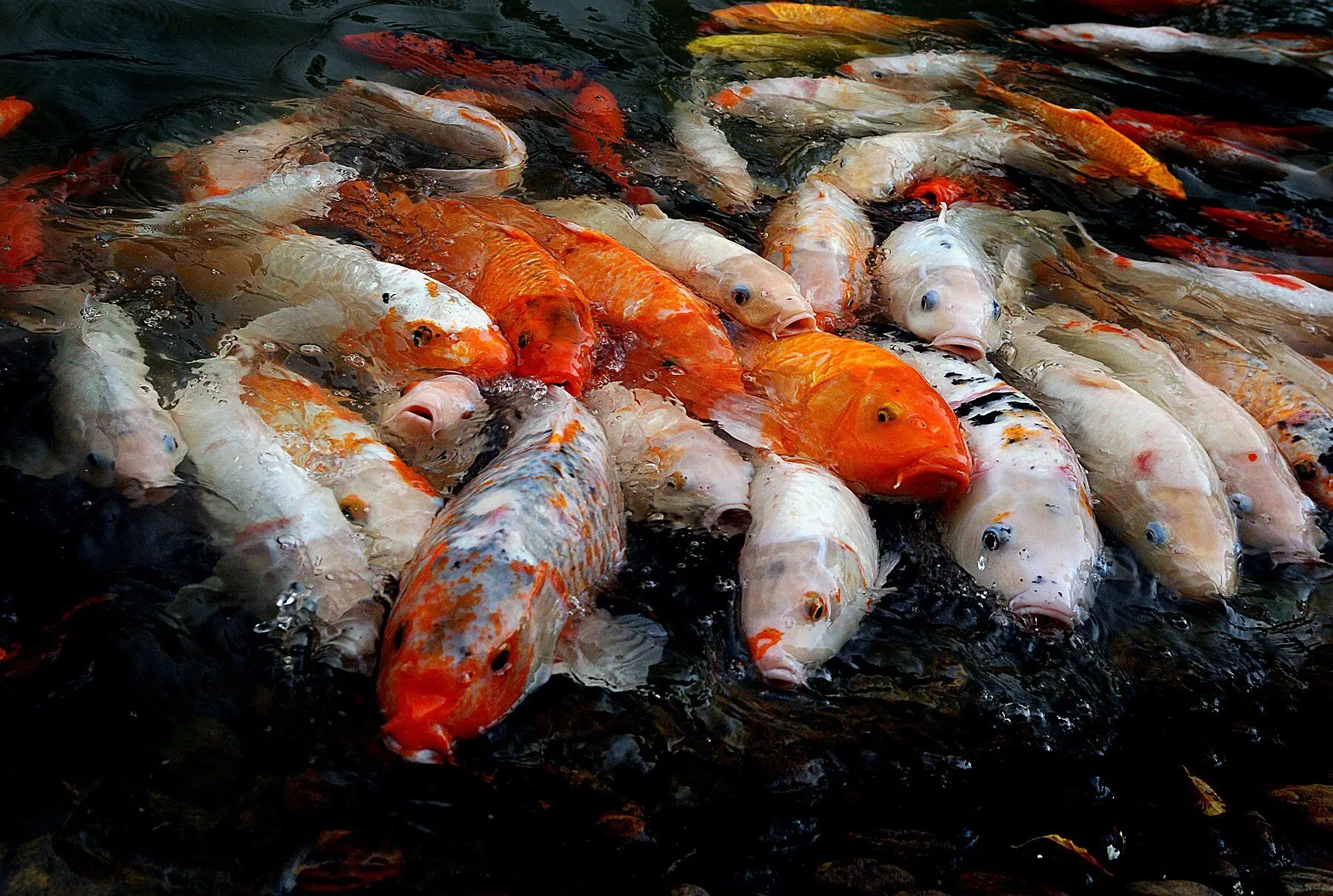
Can You Eat Koi? Yes — But Almost Nobody Does
Koi are ornamental common carp, entirely edible and eaten across Asia and Europe. Why the fish in your pond is still a bad dinner, and the real risks.
What Do Pond Turtles Eat? Wild, and in a Backyard Pond
Most pond turtles start carnivorous and turn increasingly vegetarian with age. What arrives to eat naturally, what to feed, and why they eat your fish.