
Are Lily Pads Good for a Pond? Cover, Shade and the Limit
Water lilies shade out algae and shelter fish, but past about half the surface they starve a pond of oxygen. The right coverage and how to hold it.
 By
On this page
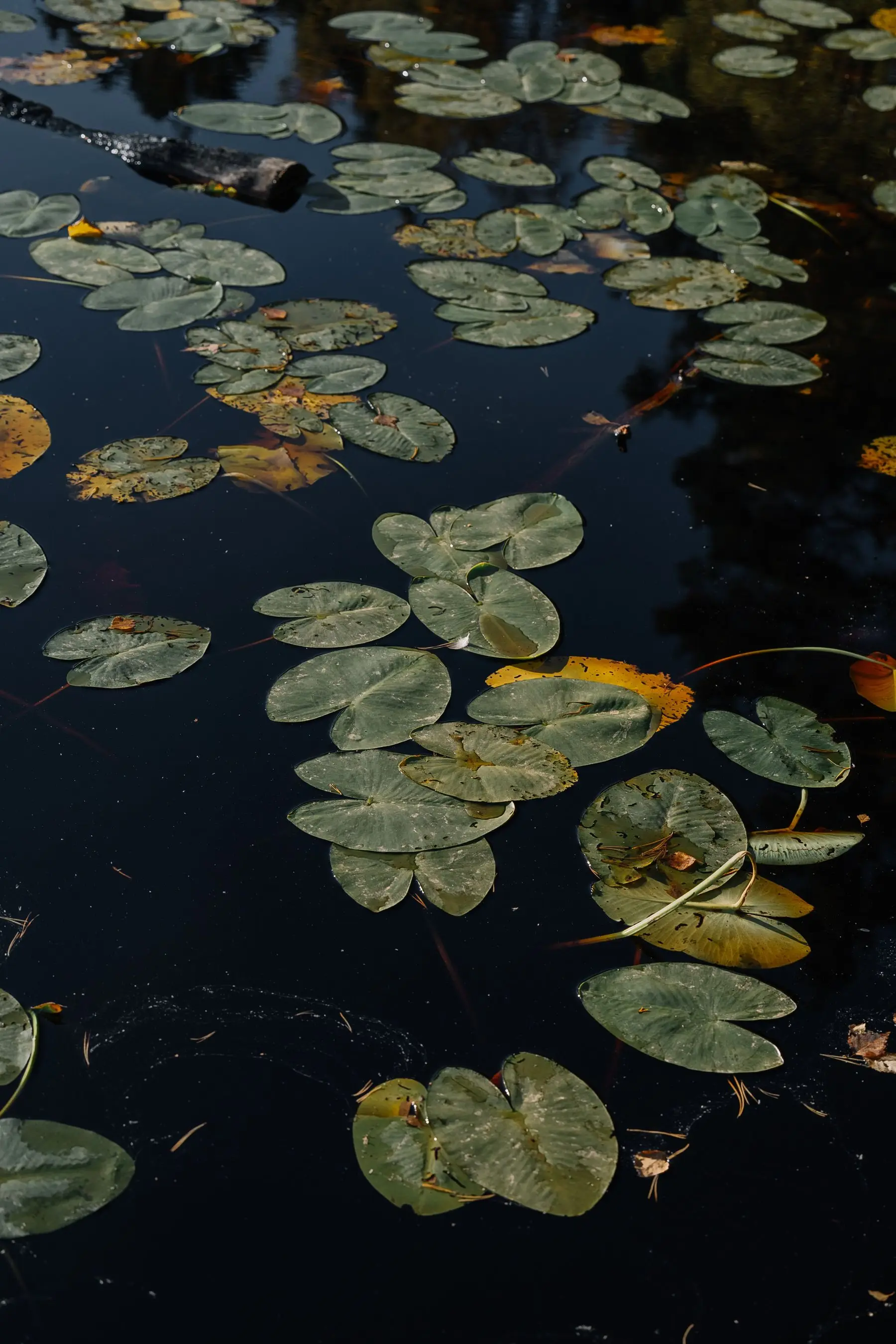
Lilies are among the most useful things you can put in a pond — up to about half the surface. Past that the same plant starts working against the water.
What they do for the pond
- Shade. Algae need light and warmth; surface cover removes both. One of the better non-chemical algae controls there is
- Temperature. Meaningful in a shallow pond in July
- Nutrient uptake, competing directly with algae
- Cover for fish from herons, cats and sun — the most practical protection a small pond has
- Spawning habitat, among the stems
- Invertebrate habitat on the undersides, which the fish graze
- Somewhere for frogs to sit, which is not nothing
Where the line is
| Coverage | Effect |
|---|---|
| Under 25% | Little algae control. Pond warms and greens |
| 33–50% | The target. Shade plus open water |
| 50–60% | Fine; start watching |
| Over 60% | Thin it. Gas exchange and light suffering |
| Near-complete | Oxygen crashes at night. Fish deaths |
The failure mode is oxygen, at night
Complete cover blocks gas exchange at the surface, shades out the submerged plants that produce oxygen by day, and leaves a large mass of vegetation respiring after dark.
On a hot, still summer night that combination drops dissolved oxygen far enough to kill fish in the small hours. The pond looks lush the evening before.
Judge coverage in midsummer at full growth, not in May. Lilies expand a great deal through the season, and a pond that looks sparse in spring is often over the line by August.
Planting them properly
- Aquatic baskets, always — never planted into pond soil, which is how they take over
- Heavy aquatic compost, not ordinary potting compost, which floats and leaches nutrients straight into the water
- Gravel topping, an inch of it, to hold the compost down and keep fish out of it
- Depth by variety: dwarf lilies 8–18 in, medium 18–30 in, vigorous 24–48 in. Match the variety to the pond, which is where most overgrowth starts
- Lower them in stages as the leaves grow, rather than dropping a new plant straight to full depth
- Full sun. Lilies flower poorly with less than about six hours
- Still water. They dislike being near a fountain or a waterfall outfall
Pick the variety for the pond size
A vigorous Nymphaea in a small pond covers the whole surface in two seasons, and then you are thinning it every summer forever.
Dwarf and pygmy varieties exist for exactly this reason and are the right choice for anything under about eight feet across.
Thinning what has taken over
- Lift the baskets in spring and divide the rhizomes, cutting each back to a healthy growing point with a few leaves
- Repot into fresh aquatic compost, gravel-topped
- Through the season, cut excess pads at the stem well below the water. Do not pull — tearing the rhizome invites rot
- Remove no more than about a third of the cover at once. A hard cut removes the shading before anything else takes up the nutrients, and you get an algae bloom within days
- Remove yellowing pads and spent flowers continuously — they decay in the pond otherwise
- Rake out any that have escaped into the pond bottom
Lilies and koi
The awkward combination. Koi root in baskets and tear at leaves and stems, and a koi pond with unprotected lilies usually ends with neither.
- Heavy gravel or cobble topping over the compost
- Mesh over the basket, so the plant grows through and the fish cannot dig
- Raise the baskets on blocks out of the main swimming area
- Or accept it and use marginal planting for cover instead — irises and rushes are less interesting to koi
Alternatives and companions
Lilies are surface cover. A pond needs more than surface cover:
- Submerged oxygenators — hornwort, elodea. These do the actual oxygen work and compete with algae in the water column
- Floating plants — water lettuce, frogbit. Easy cover, easy to remove, though some are restricted or invasive in parts of the US. Check your state list
- Marginals — iris, rushes, pickerel weed. Nutrient uptake at the edges, and they hide the liner
- Water hawthorn for a shallow pond, flowering when lilies are dormant
The combination that works is lilies for shade, oxygenators for oxygen, marginals for nutrients and edges — and, underneath all of it, feeding the fish less, which is the usual cause of the nutrient load in the first place.
Common questions
Are lily pads good for a pond?
How much of a pond should lily pads cover?
Do lily pads reduce algae?
Can a pond have too many lily pads?
How do I control lily pads that have taken over?
Do lily pads help fish?
Backyard Weekly
Know what to plant, week by week
Join the weekly email for seasonal jobs, fixes for what is going wrong, and gear worth buying.
Not ready to subscribe? The planting calendar is free and needs no email.
By subscribing you agree to our privacy policy. Grow In Backyard will never sell your address.
Keep reading
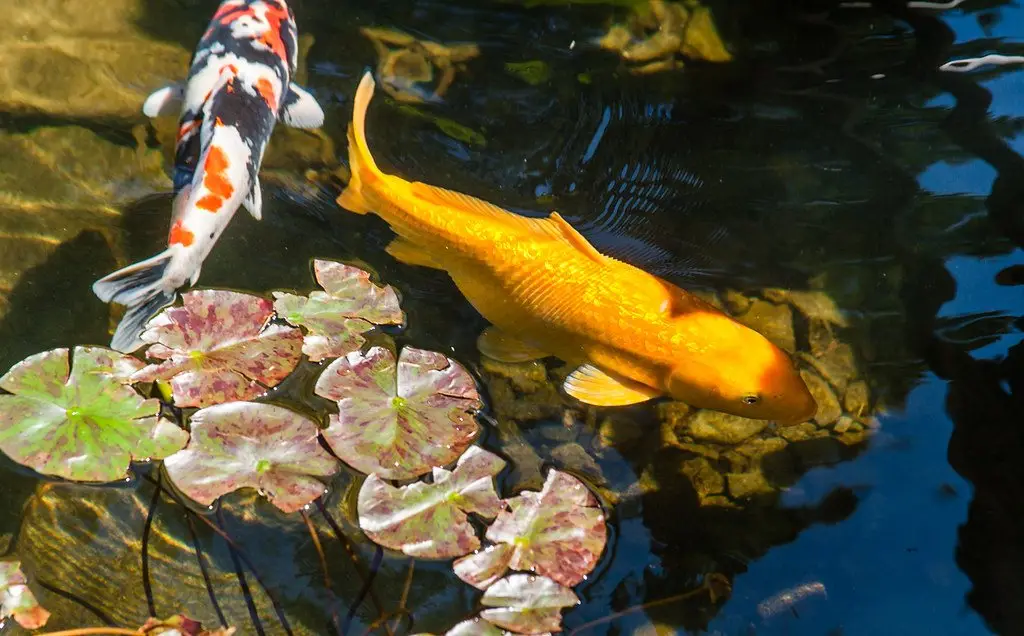
Koi Pond Cover Ideas — 5 Builds, Netting to Frames
Koi pond cover ideas run from leaf netting to a framed predator guard. 5 builds compared on cost and looks. See which suits your pond.
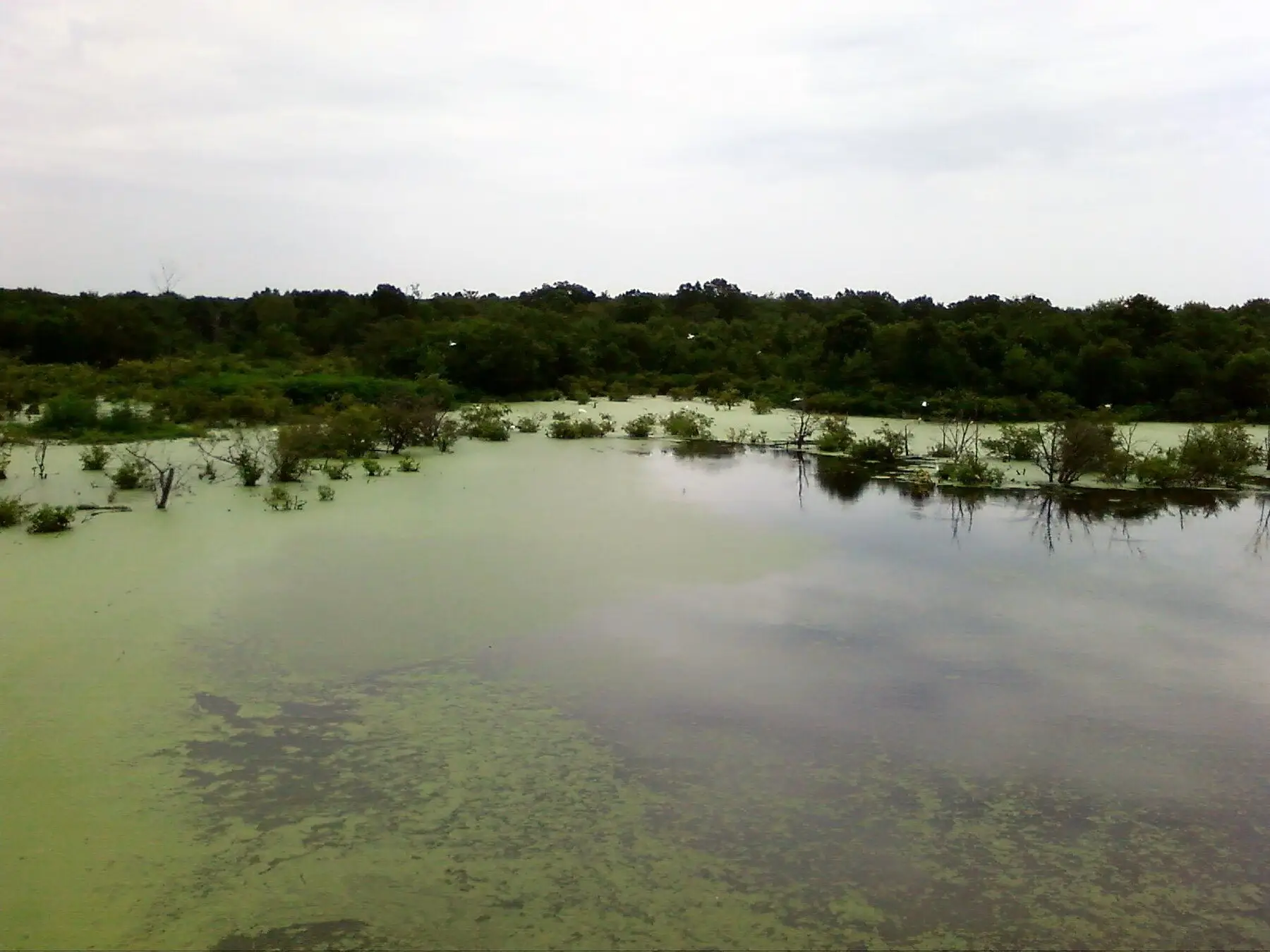
What Eats Algae in a Pond? Fish, Snails and What Actually Works
Algae eaters help at the margins, but nutrients cause algae and only nutrient control fixes it. What each species really does, and the order to tackle it in.
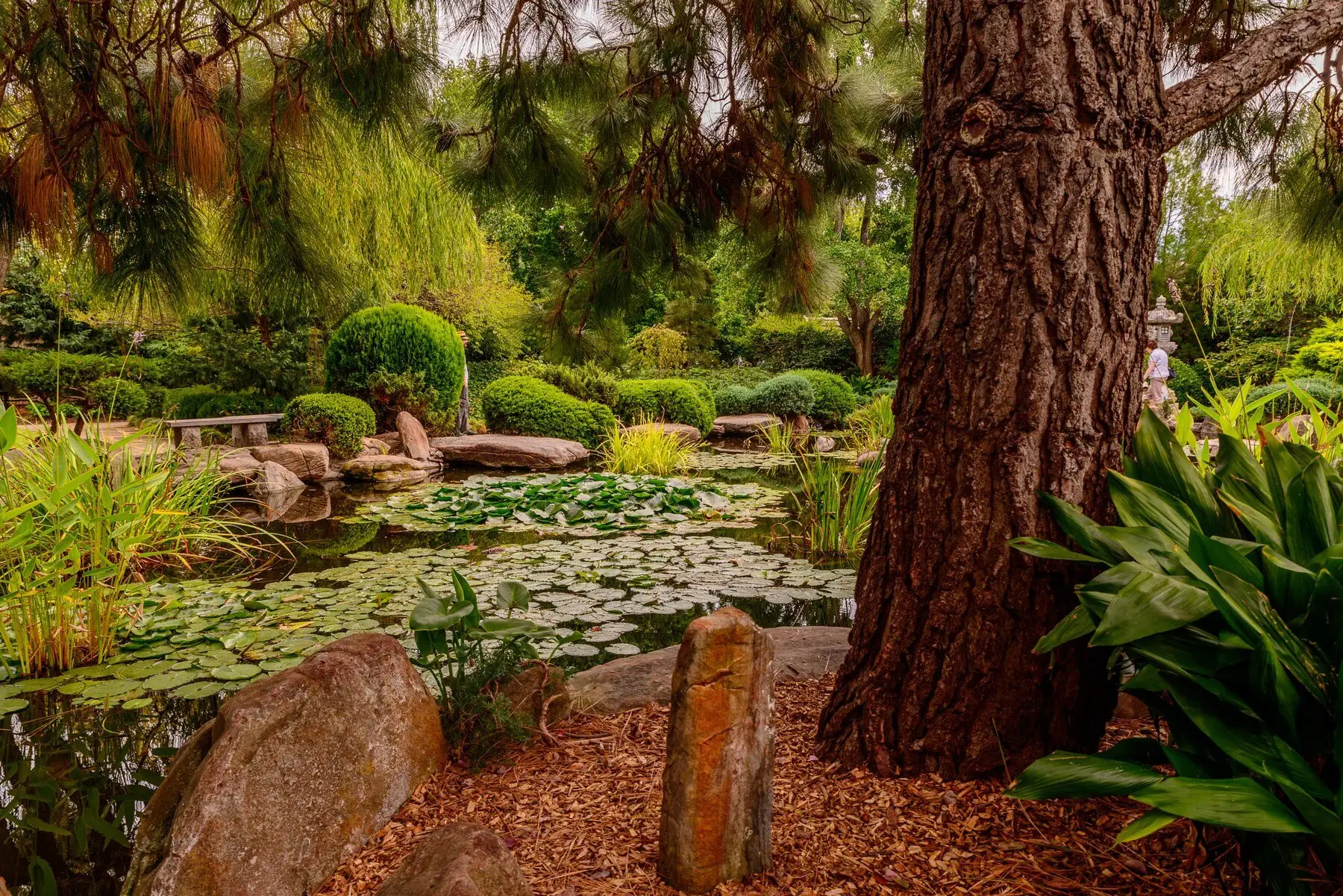
How Deep Should a Pond Be? Depths by Purpose and Climate
A wildlife pond wants shallow margins, koi want four feet, and freezing winters set the floor. The depths that matter, and the shelf plan that serves both.
How to Hide a Pond Liner: The Edge Is the Whole Problem
A visible liner rim is what makes a pond look artificial. Overhanging stone, a bog shelf, planted margins and the trick of burying the top edge.