
Best Pet Tortoise for Beginners: 5 Species Worth Considering
Tortoises are easy animals in the right enclosure and difficult in the wrong one. The five beginner species, their adult sizes, and what indoors really costs.
 By
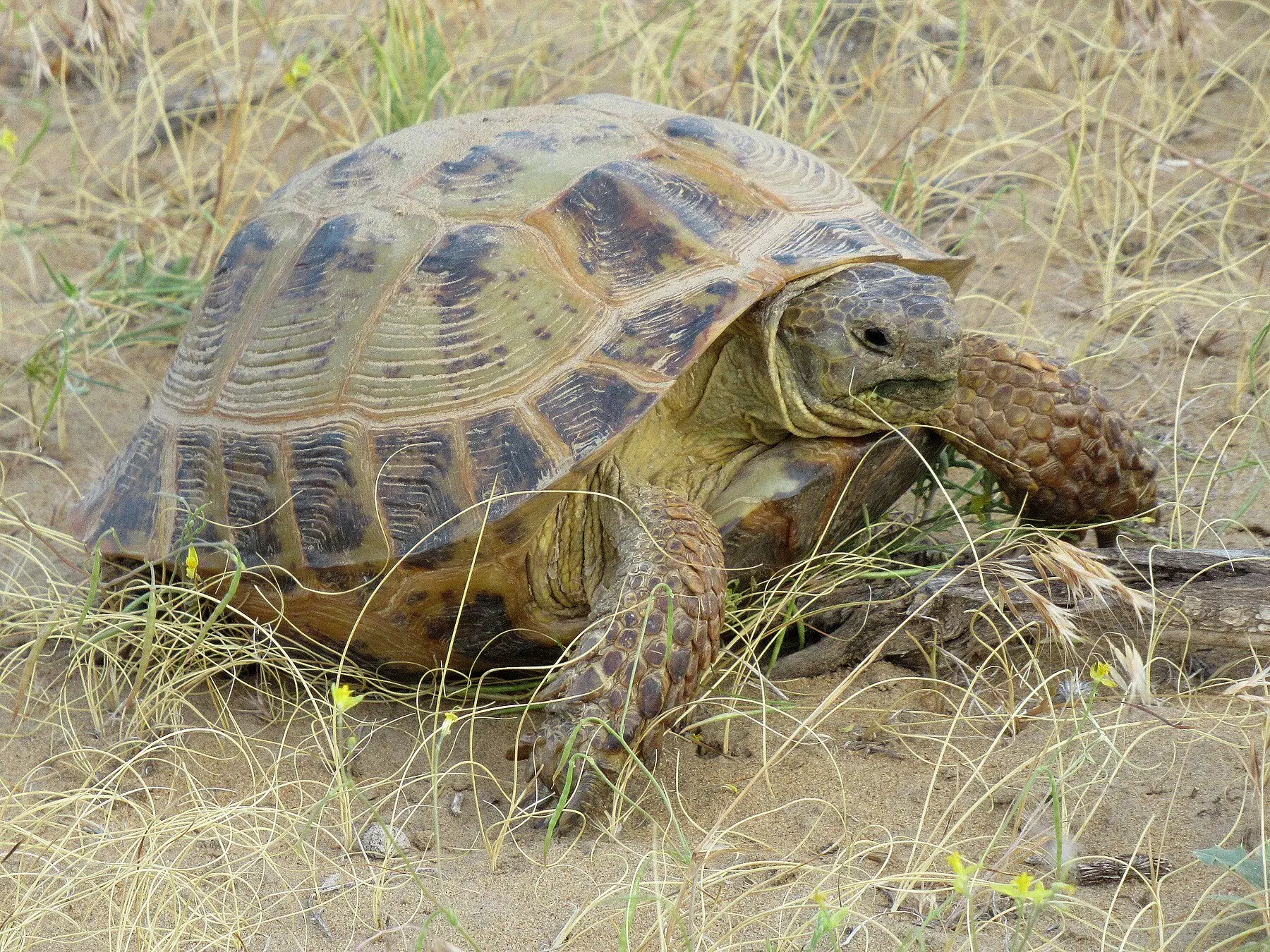

On this page
Tortoises have a reputation as low-maintenance pets, and in the right enclosure they mostly are. The difficulty is that the right enclosure is much larger than the one they are usually sold with, and the animal will be around for fifty years to make the point.
How these were chosen
Published care requirements, keeper reports and rescue intake patterns — not a hands-on test; we do not keep or test animals for reviews. What the criteria weigh:
- Adult size, which sets the enclosure
- Climate match, since a species that can summer outdoors is far easier than one that cannot
- Diet simplicity — a tortoise that eats garden weeds is cheaper and healthier than one that needs a sourced tropical diet
- Captive-bred availability, because wild-caught tortoises arrive parasitised and stressed
- Tolerance of beginner error in humidity and temperature
The five
| Species | Adult size | Climate | Notes |
|---|---|---|---|
| Russian tortoise | 6–8 in | Temperate, dry | Most forgiving; a determined digger and escaper |
| Hermann’s tortoise | 6–8 in | Temperate, moderate | Outgoing, hardy, handles humidity better |
| Greek (spur-thighed) | 7–10 in | Temperate, dry | Similar care to Russian; subspecies vary a lot |
| Red-foot tortoise | 11–14 in | Tropical, humid | The best true indoor species; larger enclosure |
| Marginated tortoise | 10–14 in | Temperate | Hardy and calm, but needs real outdoor space |
Russian tortoise — the usual first choice
Small, tough, widely captive-bred, and content on a diet of weeds you can pick from an unsprayed lawn. It handles a temperate climate well enough to live outdoors from late spring to early autumn in much of the US and Europe, which is the single best thing you can do for a tortoise.
Its one quirk matters: it digs, seriously. An outdoor pen needs the walls sunk 12 inches or more into the ground, and an indoor enclosure needs deep substrate or it will try anyway.
Hermann’s tortoise — the close second
Very similar requirements, slightly better with humidity, and widely described as more active and more interested in its keeper. Western Hermann’s stay smaller than eastern; check which you are being offered, since the difference is a couple of inches of adult shell and a noticeably bigger pen.
Red-foot tortoise — if it must live indoors
Mediterranean species want a seasonal cycle and real sunlight. A red-foot does not — it wants warm and humid year-round, which is much easier to provide inside a house than a Mediterranean summer is.
The trade is size. A red-foot reaches 11–14 inches and wants an enclosure closer to 8x4 feet as an adult, so “indoor tortoise” here means a dedicated part of a room, not a table in the corner.
Do not start with a sulcata
An African spurred tortoise hatchling is the size of a biscuit, costs very little, and grows into a 24–30 inch animal weighing well over 100 pounds that needs a heated outbuilding and will demolish a garden fence. They are the most common tortoise in rescues for exactly this reason. It is a wonderful animal and a terrible first one.
Which one for your situation
| Your situation | Pick | Why |
|---|---|---|
| Temperate climate, garden available | Russian tortoise | Summers outdoors, simple weed diet |
| Temperate, want an interactive tortoise | Hermann’s tortoise | More outgoing, equally hardy |
| Apartment, indoors year-round | Red-foot tortoise | Wants constant warmth and humidity anyway |
| Large secure garden, mild climate | Marginated tortoise | Thrives with real outdoor space |
| Limited space, want the smallest | Russian tortoise | Smallest commonly available captive-bred species |
| Want a pet for a young child | None yet | 50-year animal; a family commitment, not a child’s |
What every one of them needs
- A tortoise table or open-topped pen, not a glass tank. Glass gives poor ventilation, and tortoises pace at reflections they read as open ground. Minimum around 4x2 feet for a small species, more for anything larger.
- A basking spot at the species’ target temperature under a heat lamp, with a genuine cool end so the tortoise can choose.
- UVB indoors, replaced every 6–12 months. Glass and plastic block it, so a sunny window is not a substitute.
- Deep substrate for digging and for humidity control.
- A high-fibre, low-protein diet of weeds and greens for Mediterranean species, with a cuttlebone for calcium. No fruit, no lettuce as a staple, no cat or dog food — those cause pyramiding and kidney damage.
- A shallow water dish it can climb into, plus regular soaks for young tortoises.
- A secure outdoor pen wherever the climate allows: sunk walls, shade, a hide, and cover against birds and foxes.
Before you buy
Ask for captive-bred, and ask where. Wild-caught Russian tortoises are still imported in numbers and arrive dehydrated, parasitised and stressed, which is a bad first month for a beginner and a worse one for the tortoise.
Check what is legal where you live — several tortoise species are CITES-listed and some require paperwork or microchipping. And think honestly about hibernation, which Mediterranean species need annually and which is the part of tortoise keeping most first-time owners are least prepared for.
Common questions
What is the best pet tortoise for a beginner?
Which tortoise is best kept indoors?
What tortoise stays small?
How long do pet tortoises live?
What do pet tortoises eat?
Do tortoises need a UVB light?
Backyard Weekly
Know what to plant, week by week
Join the weekly email for seasonal jobs, fixes for what is going wrong, and gear worth buying.
Not ready to subscribe? The planting calendar is free and needs no email.
By subscribing you agree to our privacy policy. Grow In Backyard will never sell your address.
Keep reading
Best Pet Turtle for Beginners: 6 Species, Honestly Compared
Most beginner turtle problems are tank size and lifespan, not species choice. The six that suit a first keeper, the ones to avoid, and what each really needs.
What Do Backyard Lizards Actually Eat?
Wild lizards in a garden are almost entirely insect-eaters, not the varied diet pet-care sites describe. What they hunt, and what draws more of them to your yard.
What Do Pond Turtles Eat? Wild, and in a Backyard Pond
Most pond turtles start carnivorous and turn increasingly vegetarian with age. What arrives to eat naturally, what to feed, and why they eat your fish.
Can Tortoises Eat Marigolds? Pot Marigold Yes, French No
Calendula is safe and readily eaten; the French and African marigolds sold as bedding are a different genus. How to tell them apart before feeding.