
Can Tortoises Eat Marigolds? Pot Marigold Yes, French No
Calendula is safe and readily eaten; the French and African marigolds sold as bedding are a different genus. How to tell them apart before feeding.
 By
On this page
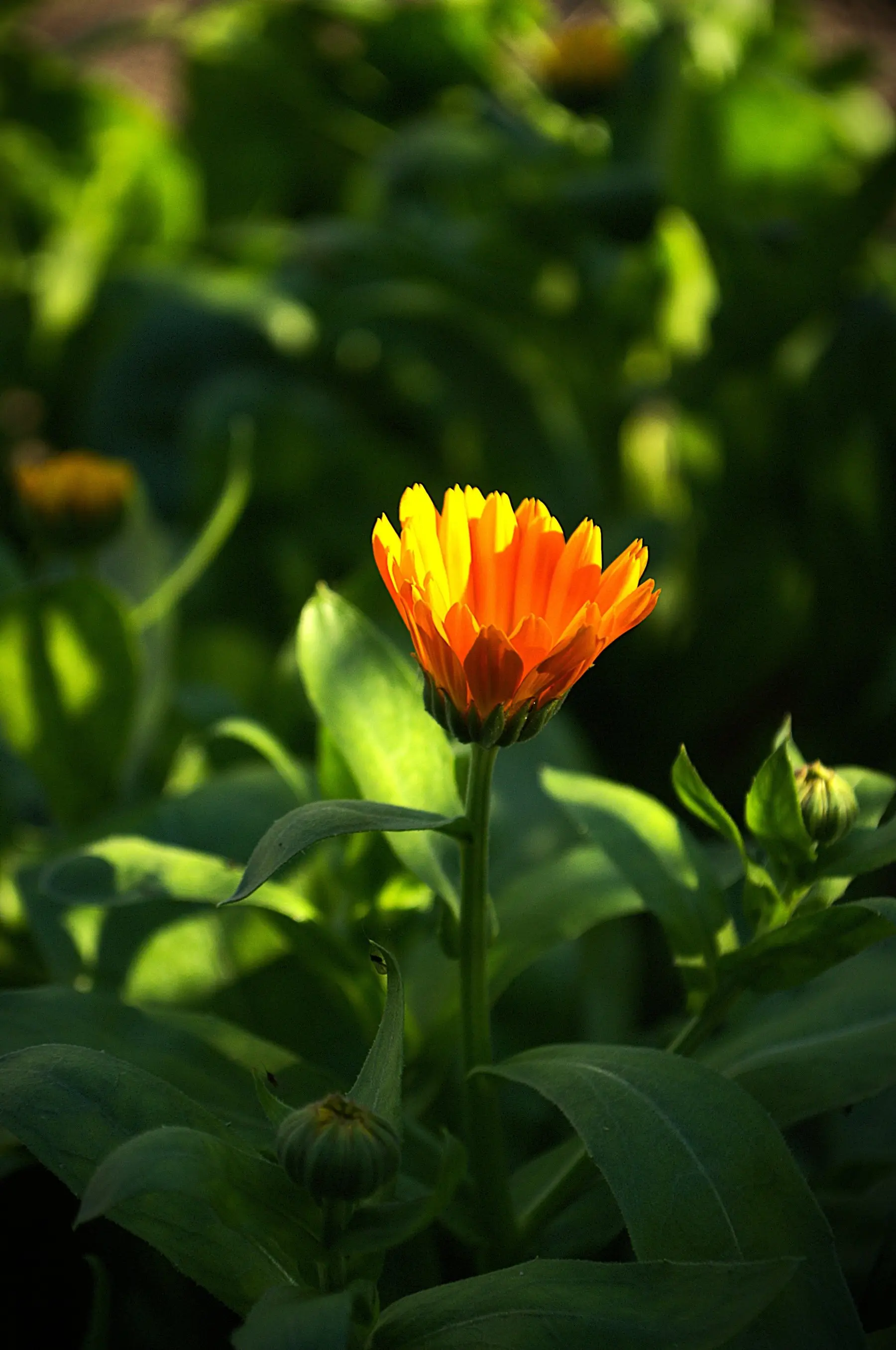
Depends entirely on which marigold. Calendula is safe and well liked. Tagetes — the bedding marigold — is a different genus and stays off the list.
Two plants, one common name
This is the whole problem. “Marigold” covers two unrelated genera sold side by side in the same garden centre.
| Calendula (pot marigold) | Tagetes (French, African) | |
|---|---|---|
| Safe to feed | Yes | Keep off the list |
| Leaves | Plain, spoon-shaped, slightly sticky | Finely divided, fern-like |
| Smell when crushed | Mild, resinous | Strong, sharp, unmistakable |
| Flower | Single, daisy-like | Often dense pompoms |
| Colour | Orange, yellow | Orange, yellow, red and mahogany markings |
| Sold as | Herb, cut flower, edible | Bedding plant |
Rub a leaf
The quickest field test there is. Tagetes has a strong, pungent, slightly acrid smell that sticks to your fingers — it is the reason people plant it near tomatoes and the reason some people dislike it.
Calendula barely smells at all. If the scent is obvious, it is not the one to feed.
Is Tagetes actually dangerous?
Worth being accurate rather than alarmist. Tagetes is not among the seriously toxic plants — it is not oleander or foxglove. It contains compounds that can irritate, and it simply is not an established part of a tortoise diet, which is why care sheets leave it off.
A tortoise that grazes a French marigold in passing is not in trouble. But there is no reason to offer it when calendula is safe, cheap and easy to grow from seed.
Mint, while we are here
Safe in small amounts, and mostly ignored. Strongly aromatic herbs are not a natural part of a tortoise’s diet, and most show little interest.
Fine as an occasional addition to a varied mix. Not something to build a diet around — the same goes for the other culinary herbs.
What to actually grow
The two worth quantity:
- Hibiscus — flowers and leaves, relished, easy
- Dandelion — flower, leaf and stem, excellent calcium to phosphorus ratio
Good alongside them:
- Calendula, nasturtium, hollyhock, mallow
- Pansy and viola, rose petals
- Chicory, clover, plantain, sow thistle
Variety beats optimisation. Fifteen mediocre species in the enclosure beat one perfect one, because a mixed diet is what the animal evolved on.
The list to keep out entirely
Remove these from the enclosure rather than relying on avoidance
Daffodil, foxglove, lily of the valley, oleander, azalea and rhododendron, buttercup, hellebore, lupin, delphinium, hyacinth, iris, wisteria, ivy, avocado, and the flowers of any nightshade including tomato and potato.
A grazing tortoise samples whatever is in reach. The enclosure is the control, not the animal’s judgement.
Where the plants come from
- Never florist or supermarket flowers — systemic pesticides, growth regulators and preservatives, none of which wash off
- Garden centre plants need repotting into fresh compost and growing on for several months before anything is fed from them
- Grow from seed where you can. Calendula is among the easiest annuals there is, self-seeds readily, and flowers for months
Common questions
Can tortoises eat marigolds?
How do I tell pot marigold from French marigold?
Are French marigolds actually toxic to tortoises?
Can tortoises eat mint?
What flowers should I actually grow for a tortoise?
Which flowers must be kept out of a tortoise enclosure?
Backyard Weekly
Know what to plant, week by week
Join the weekly email for seasonal jobs, fixes for what is going wrong, and gear worth buying.
Not ready to subscribe? The planting calendar is free and needs no email.
By subscribing you agree to our privacy policy. Grow In Backyard will never sell your address.
Keep reading
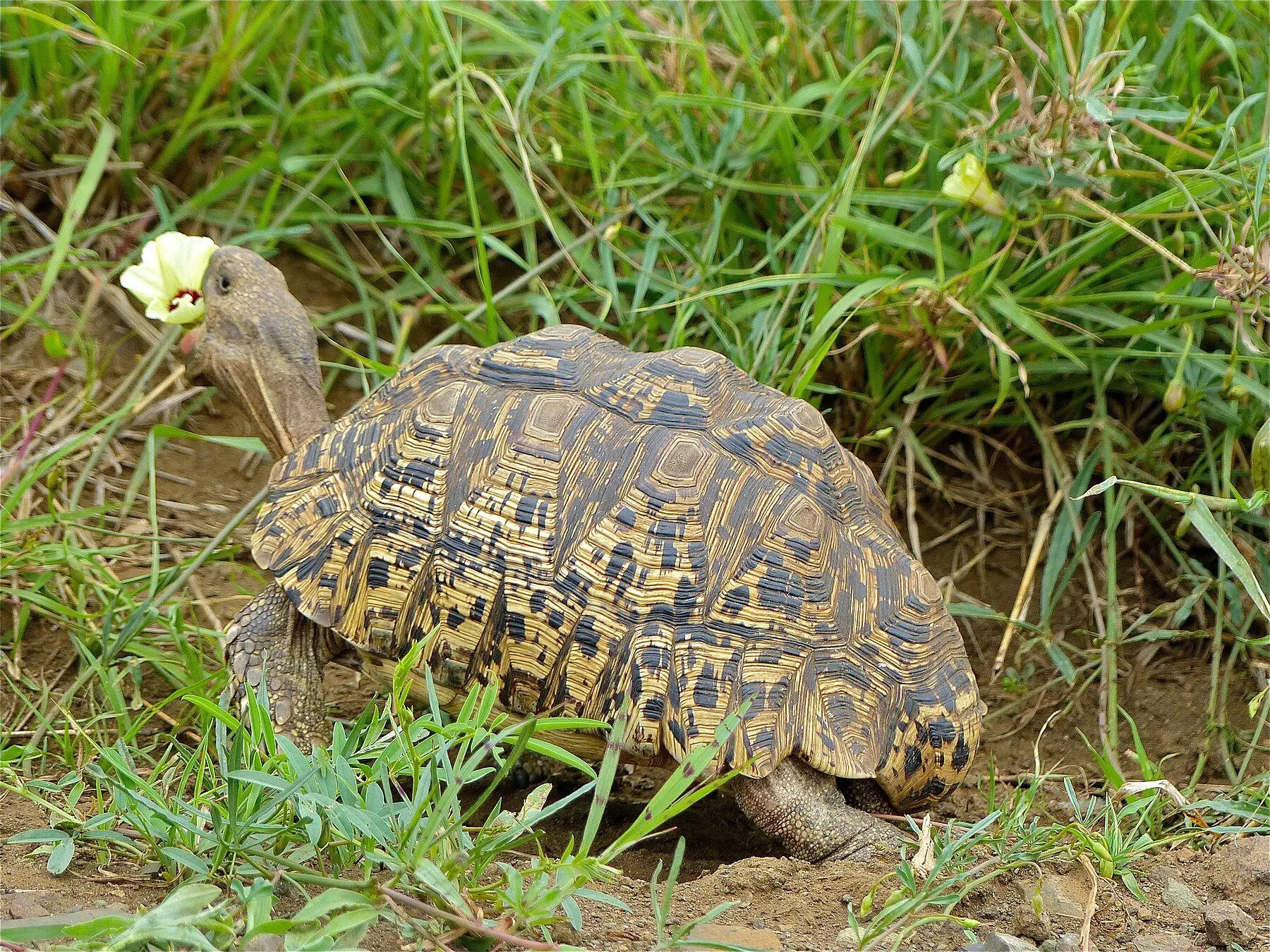
What Flowers Can Tortoises Eat? A Safe and Unsafe List
Hibiscus, dandelion, nasturtium and rose are all safe and popular. The flowers that are genuinely toxic, and why variety matters more than any one.
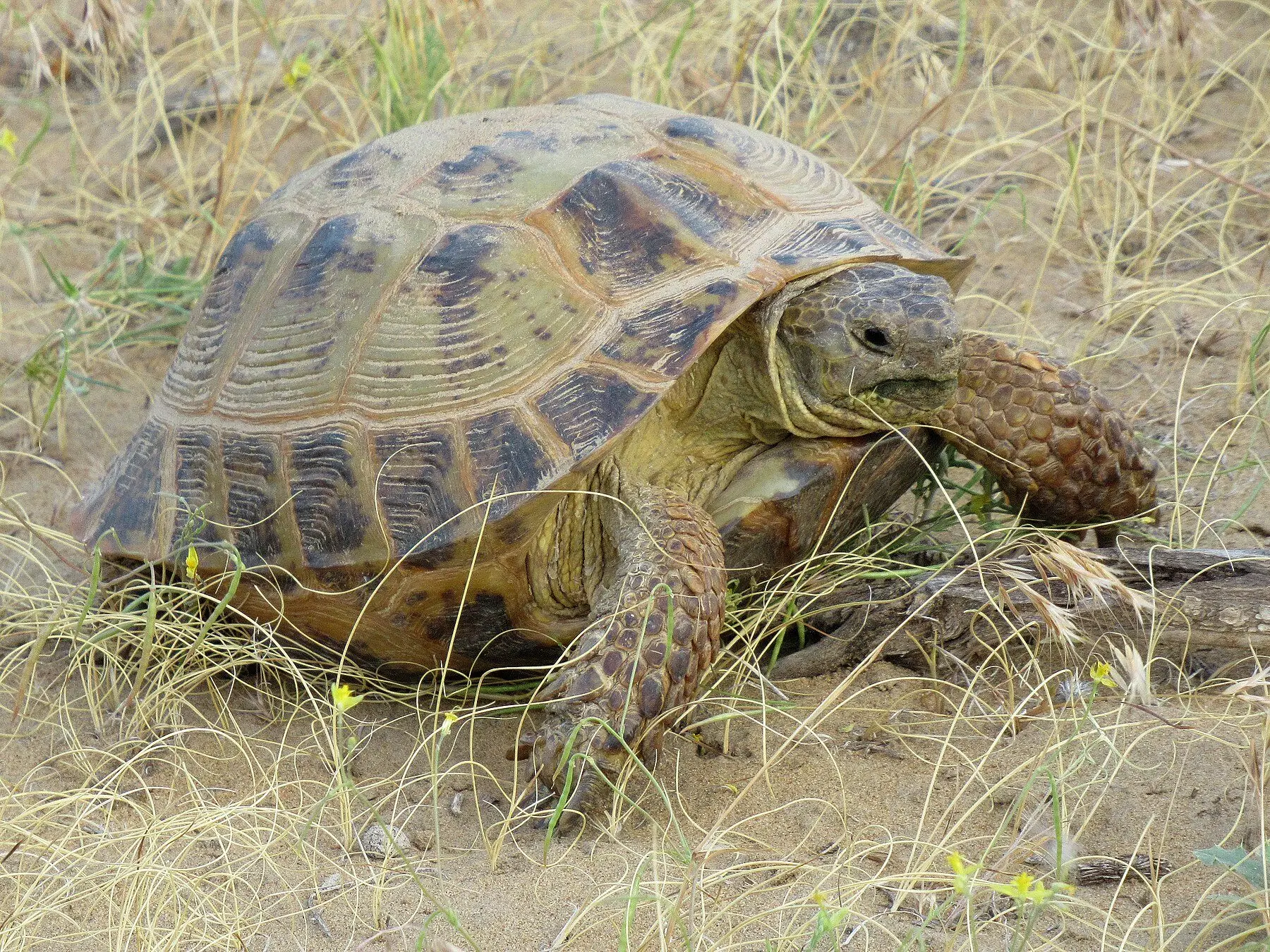
Best Pet Tortoise for Beginners: 5 Species Worth Considering
Tortoises are easy animals in the right enclosure and difficult in the wrong one. The five beginner species, their adult sizes, and what indoors really costs.
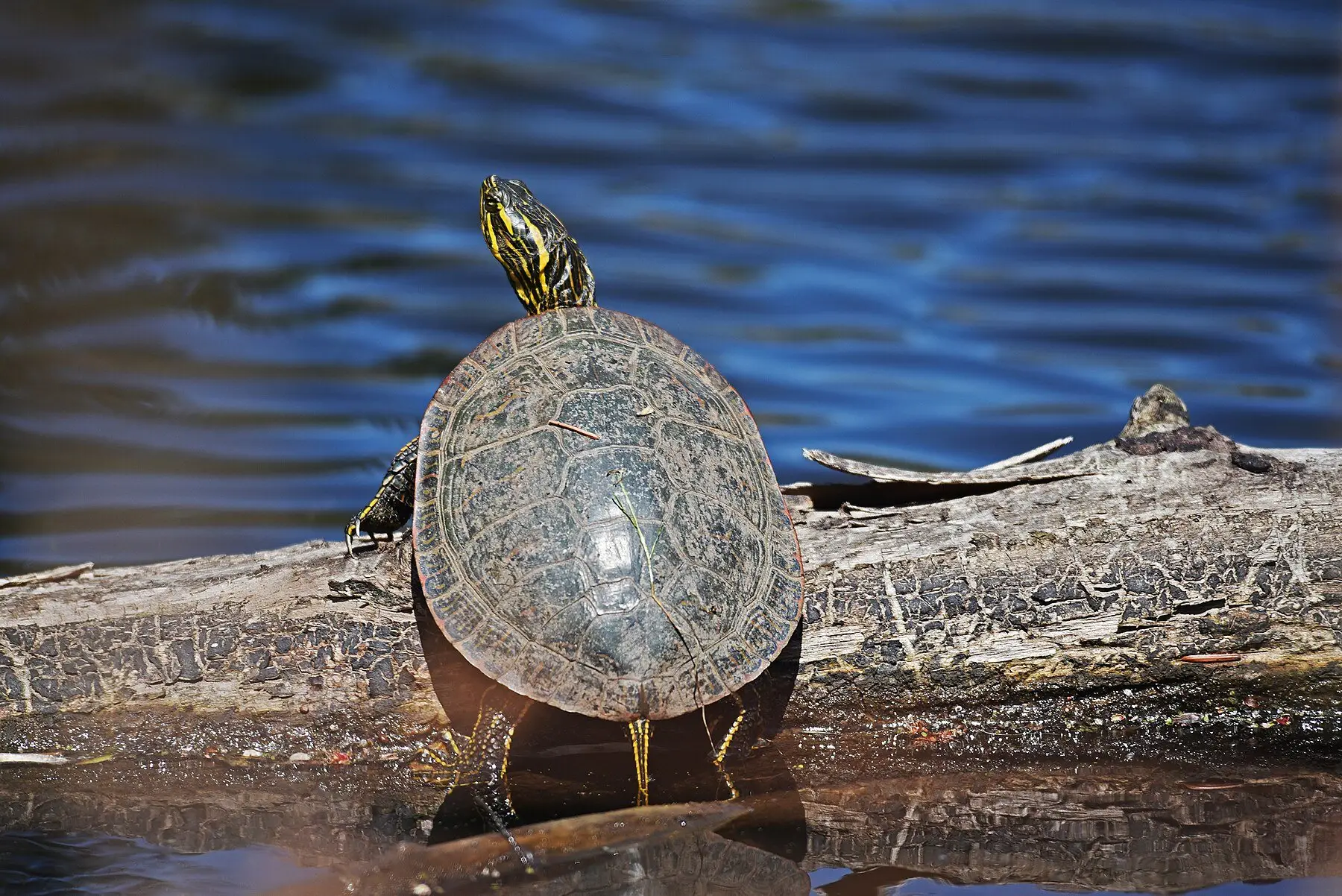
What Do Pond Turtles Eat? Wild, and in a Backyard Pond
Most pond turtles start carnivorous and turn increasingly vegetarian with age. What arrives to eat naturally, what to feed, and why they eat your fish.
Can Tortoises Eat Mint? Safe, but a Herb, Not a Meal
Mint is non-toxic to tortoises and most will eat a little. Why it stays an occasional addition, and the weeds that should make up the bulk instead.