How Long Do Lizards Live? By Species, Wild vs. Kept
Backyard lizard lifespan runs from 1 year to over 20, depending entirely on species and whether it is wild or kept as a pet. The real numbers, by common type.

On this page
“How long do lizards live” does not have one answer, because it is really several questions wearing one search query. A wild anole in a backyard and a captive bearded dragon are both lizards, and their realistic lifespans differ by a factor of ten.
Lifespan by common type
| Type | Wild lifespan | Kept lifespan | Common in |
|---|---|---|---|
| Anole | 1–3 years | 4–8 years | Southern US gardens, houseplants |
| Common garden skink | 2–6 years | 5–10 years | Lawns, garden beds, under mulch |
| Gecko (house/wall species) | 3–8 years | 10–20 years | Walls, patios, warmer climates |
| Bearded dragon | Not typically wild in the US | 10–15 years | Pet trade only |
| Blue-tongued skink | Not typically wild in the US | 15–20 years | Pet trade only |
The pattern across every row is the same: whatever a species can biologically reach, wild individuals of that species fall well short of it, and kept individuals get much closer.
Why the gap is so large
It is not that captivity makes lizards biologically longer-lived — it is that most of what kills a wild lizard young is removed. Predation from birds, cats, and snakes accounts for the majority of wild lizard deaths well before old age becomes a factor, alongside harsh winters and inconsistent food. A kept lizard faces none of that.
Why most wild lizards do not reach old age
Three pressures do almost all of the work:
Predation. Birds, outdoor cats, snakes, and larger lizards all prey on small lizard species, and juveniles are especially vulnerable in their first year.
Winter. In any climate with a real cold season, lizards that do not find adequate shelter do not survive it. This is a hard ceiling on lifespan in much of the US, regardless of what the species is biologically capable of.
Food consistency. Wild lizards depend on insect availability, which fluctuates with weather and season in a way a kept animal’s diet does not.
What this means if you are seeing lizards in your yard
A lizard living in a garden is very unlikely to be an old individual — the odds simply are not with it. If you are noticing the same-looking lizard in the same spot across multiple seasons, that is a genuine sign of a stable, sheltered habitat doing its job: enough cover, enough food, and few enough predators that one individual is beating the usual odds.
Lizards are also, on balance, a garden asset rather than a pest — most common species eat insects including some that damage plants, and none of the small lizards found in typical US backyards pose any real risk to people or pets. For what they are actually hunting, see what do lizards eat.
Common questions
How long do lizards live in the wild versus as pets?
What is the longest living lizard?
How long do garden lizards typically live?
Do lizards die of old age?
Backyard Weekly
Know what to plant, week by week
Free planting calendar. Join the weekly email for seasonal jobs, fixes for what is going wrong, and gear worth buying.
Set MONETIZATION.email.endpoint in src/config/site.ts to enable this form.
By subscribing you agree to our privacy policy. Grow In Backyard will never sell your address.
Keep reading
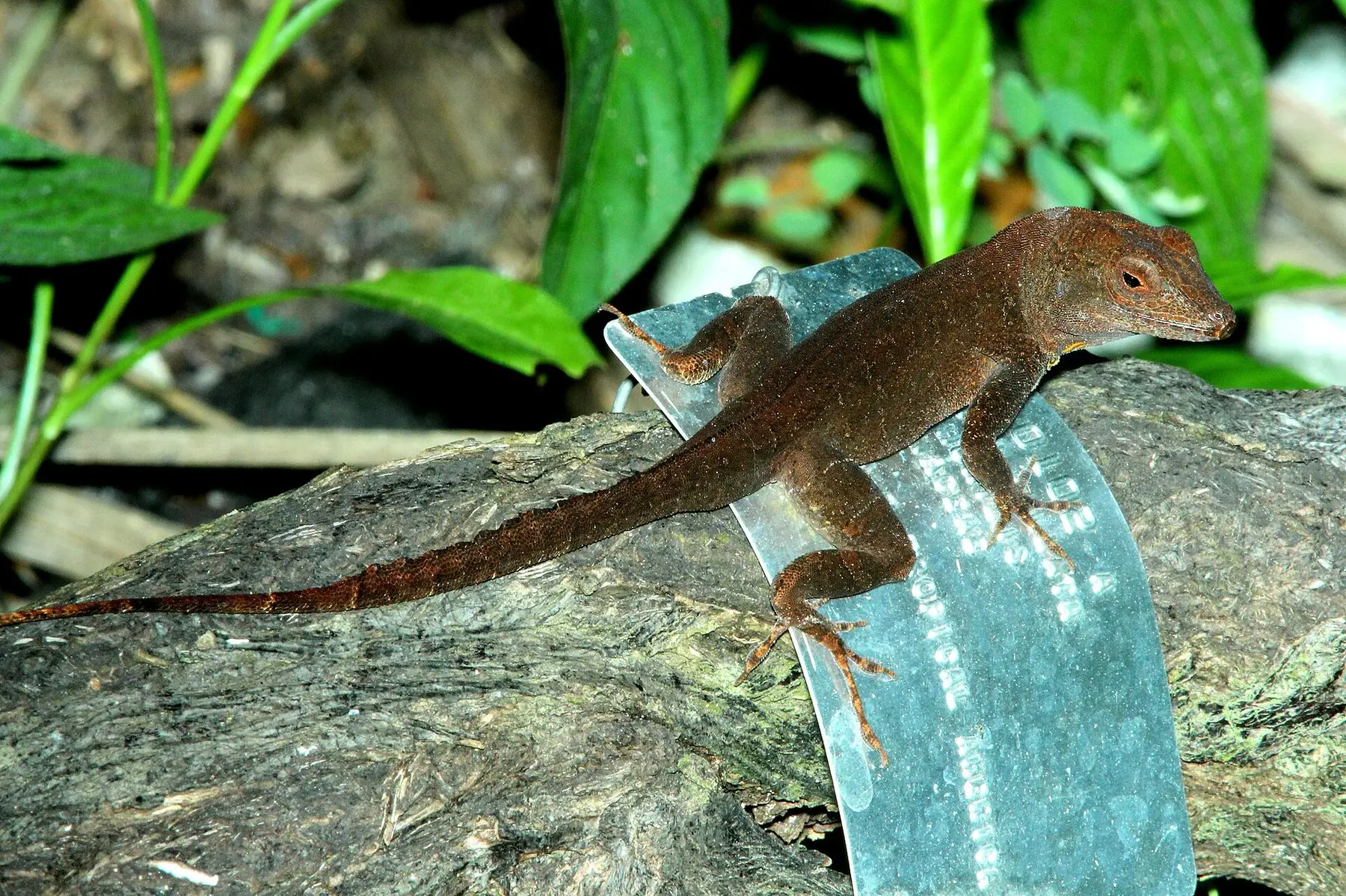
What Do Backyard Lizards Actually Eat?
Wild lizards in a garden are almost entirely insect-eaters, not the varied diet pet-care sites describe. What they hunt, and what draws more of them to your yard.
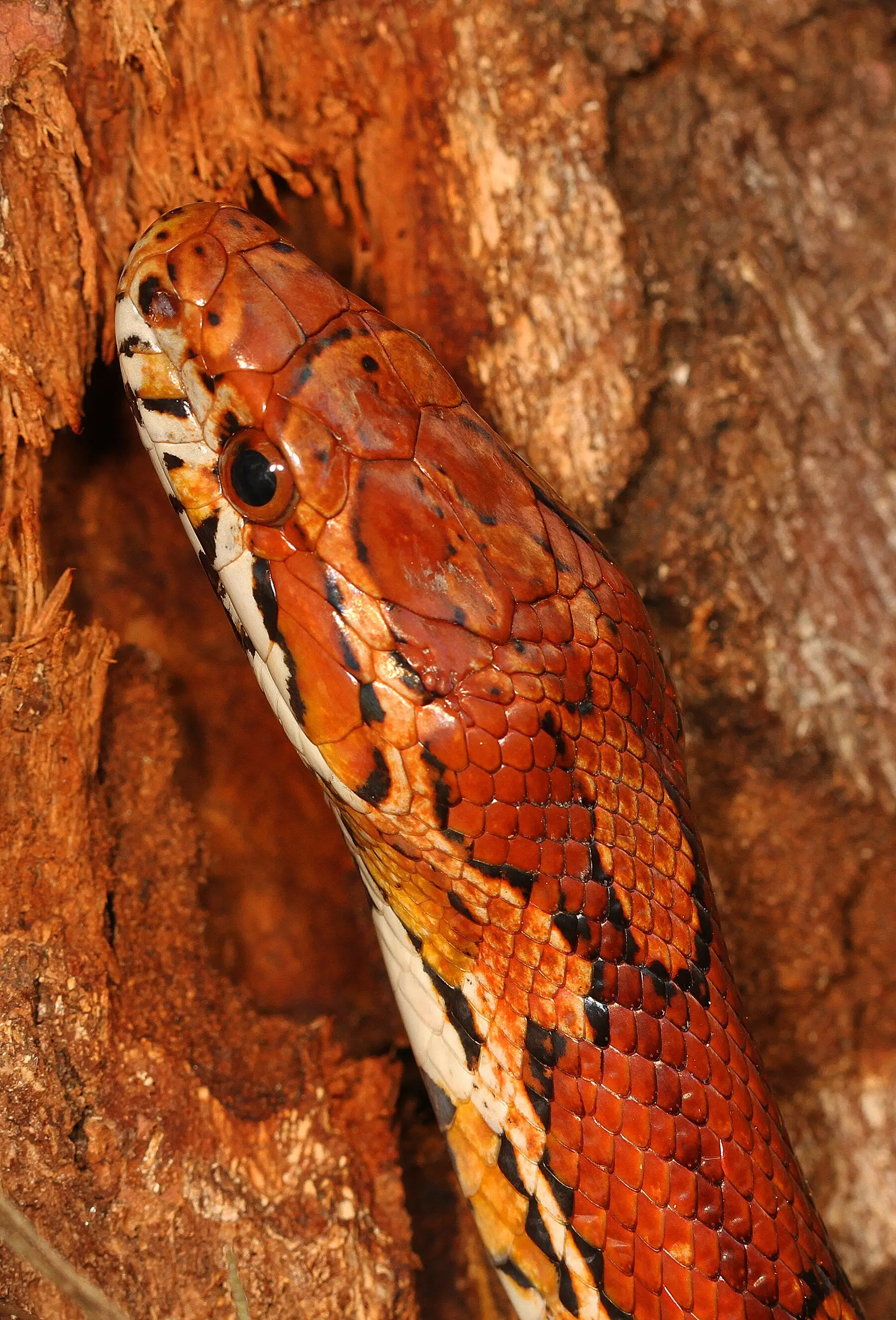
Are Corn Snakes Poisonous? No, and Not Venomous Either
Corn snakes are harmless constrictors often killed on sight because they mimic copperheads. How to tell them apart, and why one is worth keeping around.
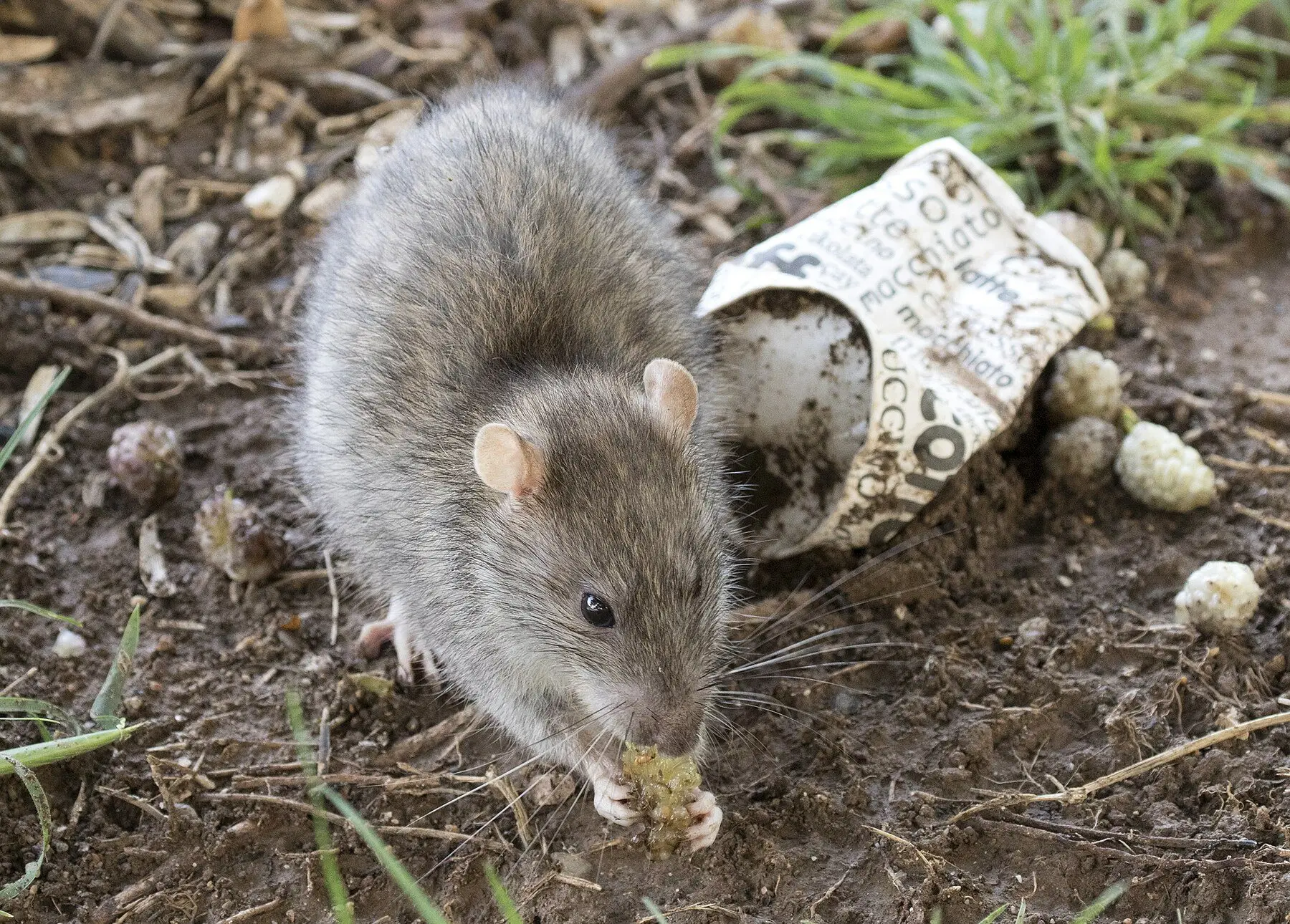
Can Rats Climb Walls? Brick and Pipes, Yes. Glass, No.
Rats climb rough vertical surfaces easily, jump three feet up and squeeze through a 20mm gap. What that means for sealing a house, and what actually stops them.
How Long Do Koi Live? 25 to 35 Years, With Caveats
Koi routinely outlive the pond they were bought for. What actually sets lifespan, the volume they need, and why the famous 226-year fish is not the benchmark.