
How to Get a Snake Out of Your Garage, Safely
Identify it from a distance, open one exit, and let it leave on its own. The sweep-and-guide method, when to call someone, and how it got in.
 By
On this page
Open one exit and let it leave. Most garage snakes are harmless species sheltering from heat or hunting rodents, and they want out as much as you want them out. Do not try to catch it — that is where bites happen.
Before anything else: identify it
Stop here if you are not sure
Photograph it with a zoom from across the room. Do not approach for a better look.
If it is venomous, or you cannot identify it with confidence, or anyone present is frightened enough that the situation is getting unsafe — call animal control or a local reptile rescue. They do this routinely and it is usually free or cheap.
Most garage snakes are harmless. “Most” is not a basis for walking up to one.
The method
- Clear people and pets out, and shut the inner door to the house. This is the step that matters most — a snake pushed toward the wrong opening goes deeper into the building, and a thirty-minute job becomes a wall-cavity problem
- Open exactly one exit. Main door fully up, or one side door. Everything else shut
- Clear the path, moving bins and boxes so the route runs along a wall to the doorway
- Guide it with a long-handled broom — slow, steady pressure from behind and to one side. Never head-on. Never strike it
- Close up, then find the way in
Snakes follow edges, not open floor
A snake crossing an open garage feels exposed and will head for the nearest cover, which is usually the wrong direction.
Give it a continuous edge leading to the open door and the job largely does itself. An unobstructed wall line is worth more than a clear middle.
Expect several minutes. Sudden movement makes a snake coil and hold its ground; slow pressure moves it. Rushing this is what turns it into a standoff.
Why it came in
Three reasons, and they decide what you do next.
| Reason | Sign | Fix |
|---|---|---|
| Rodents | Droppings, gnawed packaging, spilled seed | Deal with the rodents |
| Heat or cool | Appears in extreme weather | Seal the gaps |
| Shelter | Clutter, stored timber, cardboard | Clear harbourage |
A garage is thermally stable, which makes it attractive on its own. A garage with a rodent problem has a food supply in it, which makes it far more so.
Closing it up
- Replace a worn bottom door seal — the commonest route by a distance
- Fill utility penetrations with steel wool and sealant
- Screen the vents
- Check where the frame meets the slab
Then the perimeter: clear log piles, long grass and dense ground cover away from the wall, and store pet food and birdseed in sealed containers.
Skip the repellents
There is no good evidence for the granular snake repellents sold for this, and reviews have repeatedly failed to find a consistent effect. Mothballs are both ineffective and an illegal misuse of the product in most places.
What works is physical: close the gaps, and remove the rodents it came for.
Step by step
- Time
- PT30M
- You need
- Broom with a soft head, Large empty bin or box
- Tools
- Torch, Long-handled broom
Keep your distance and identify it
Photograph it with a zoom from across the room rather than approaching. Most garage snakes are harmless species sheltering from heat or hunting rodents. If you cannot identify it with confidence, or it is venomous or you are in any doubt, stop here and call animal control or a local reptile rescue.
Clear people and pets out and shut the inner door
The inner door to the house is the one that matters. A snake moved toward the wrong opening goes further into the building, and that turns a thirty-minute job into a wall cavity problem.
Open exactly one exit to the outside
Raise the main door fully or open one side door, and leave everything else shut. One obvious route out is what makes the rest of this work. Several open doors give the snake choices, and it will usually pick the dark one.
Clear the path to it
Move bins, boxes and anything else between the snake and the open door, so the route is unobstructed and along a wall. Snakes travel against edges rather than across open floor, so an edge leading to the doorway is worth more than a clear middle.
Guide it with a long-handled broom, slowly
Stand well back and use the broom head to encourage it from behind and to one side, never head-on and never by striking. Slow, steady pressure moves a snake; sudden movement makes it coil and stand its ground. Expect this to take several minutes.
Close up and find the way in
Once it has gone, shut the door and look for the entry point: gaps under the door seal, utility penetrations, vents, and the gap where the frame meets the slab. Anything a pencil fits through will admit a small snake.
Common questions
How do I get a snake out of my garage?
Should I try to catch it?
When should I call someone instead?
How did a snake get into my garage?
How do I keep snakes out?
Do snake repellents work?
Backyard Weekly
Know what to plant, week by week
Join the weekly email for seasonal jobs, fixes for what is going wrong, and gear worth buying.
Not ready to subscribe? The planting calendar is free and needs no email.
By subscribing you agree to our privacy policy. Grow In Backyard will never sell your address.
Keep reading
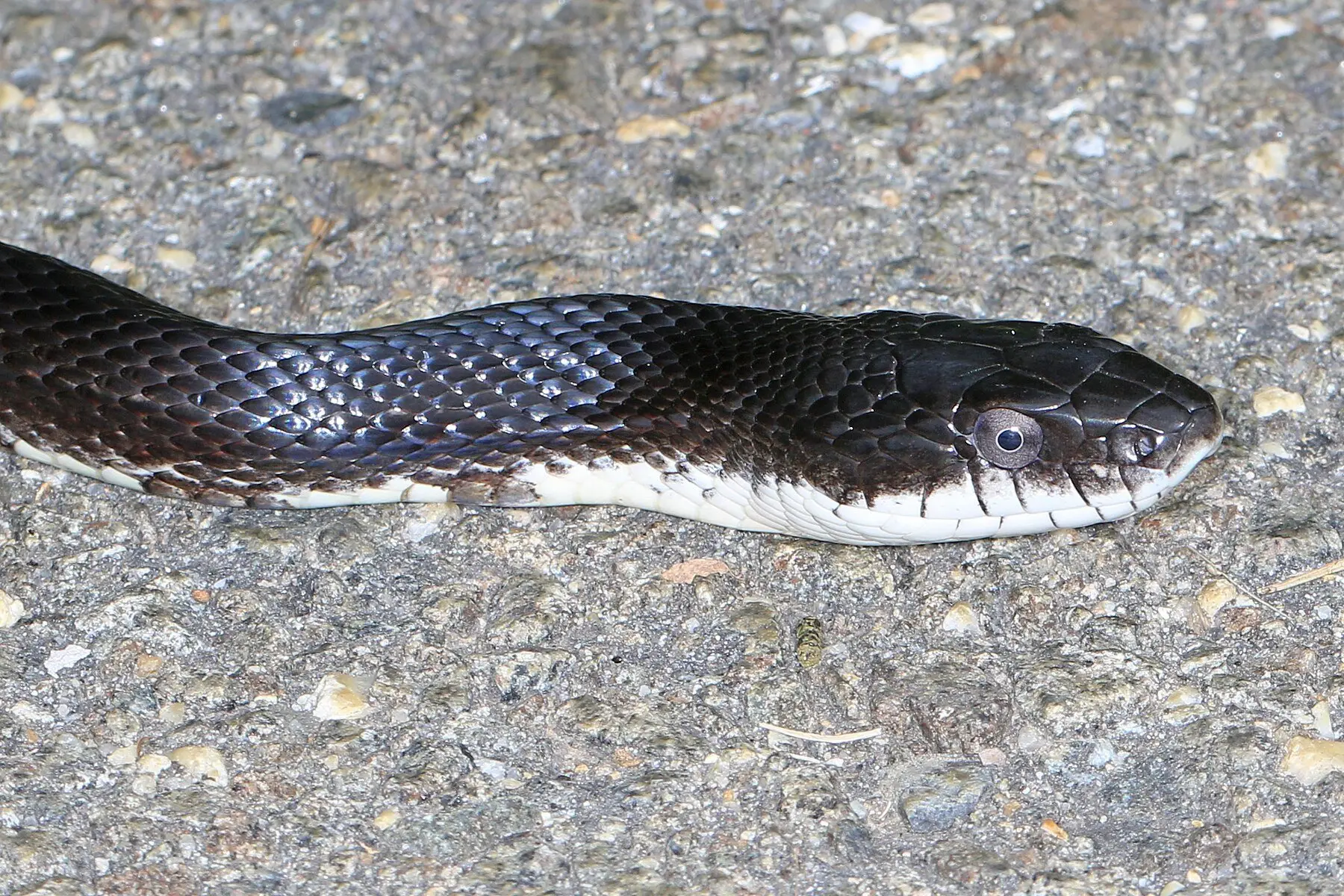
Snakes in a Crawl Space or Under the House: What to Do
A snake under the house is following rodents and cool air. How to confirm it, get it out safely, and seal the gaps so the next one does not get in.

How to Get a Frog Out of Your House Without Hurting It
A frog indoors is lost and drying out, not invading. How to corner one safely, where they get in, and the one mistake that kills them on the way out.
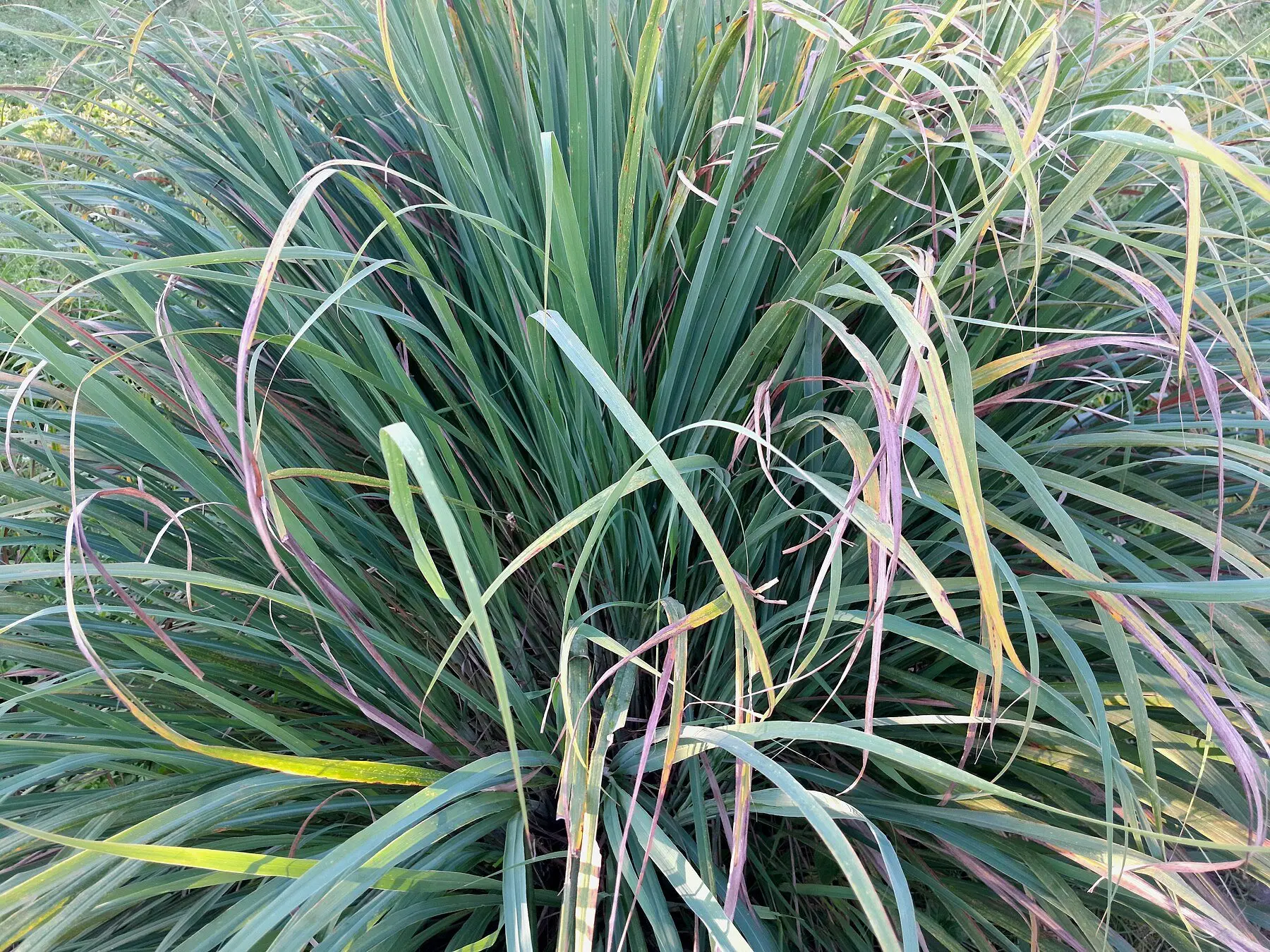
Does Lemongrass Repel Snakes? What the Evidence Says
Lemongrass is widely sold as a snake-repelling plant. The claim does not hold up — here is where it came from and what actually keeps snakes out of a yard.
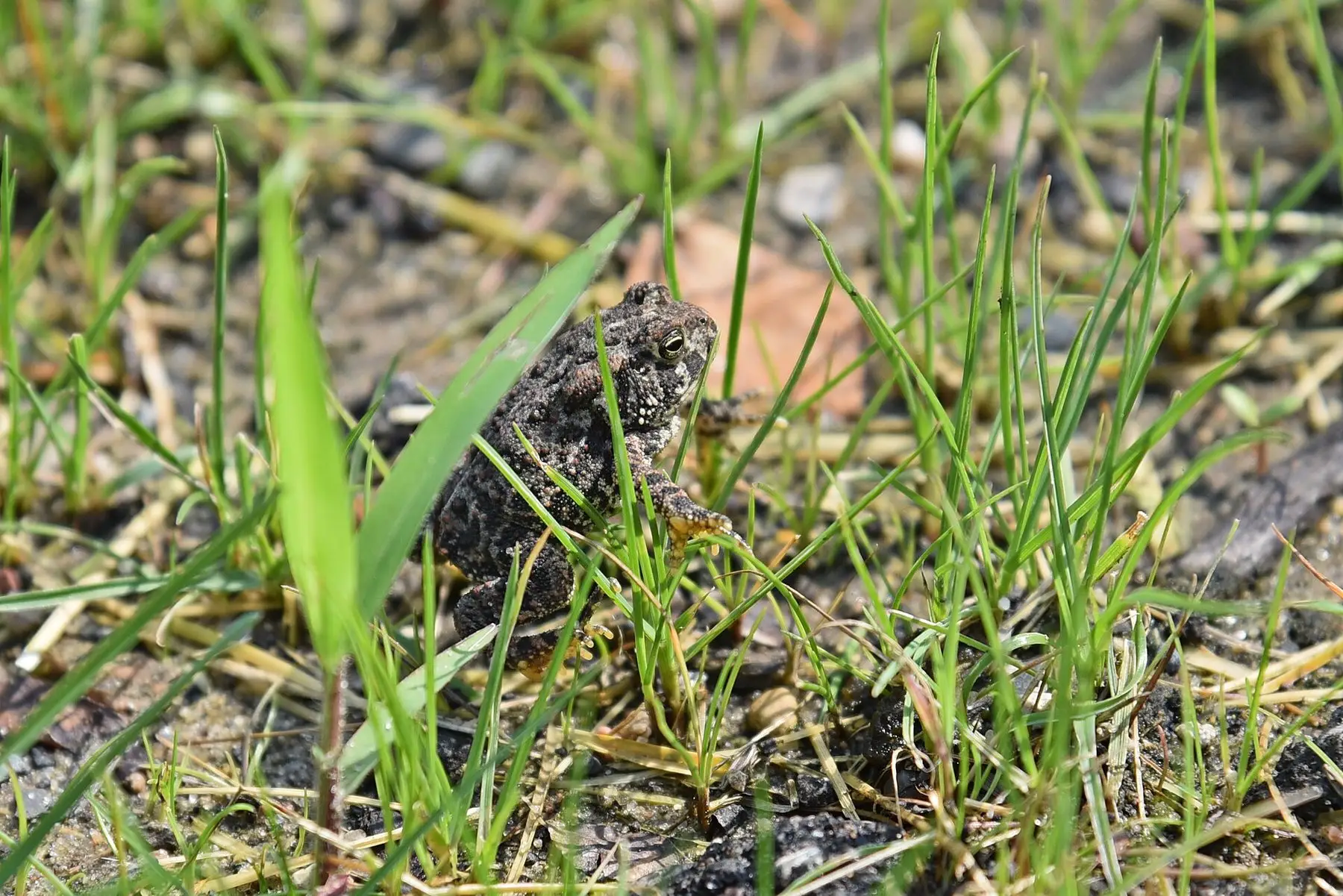
How to Get Rid of Frogs — 3 Fixes That Cut the Draw
How to get rid of frogs starts with the water and light drawing them in. 3 fixes compared for yards and pools. See which matches your problem.