
Does Lemongrass Repel Snakes? What the Evidence Says
Lemongrass is widely sold as a snake-repelling plant. The claim does not hold up — here is where it came from and what actually keeps snakes out of a yard.
 By

On this page
No. There is no good evidence that lemongrass repels snakes, and quite a lot about how snakes sense the world that argues against it. The claim is a mosquito fact that grew a second head.
Where the claim came from
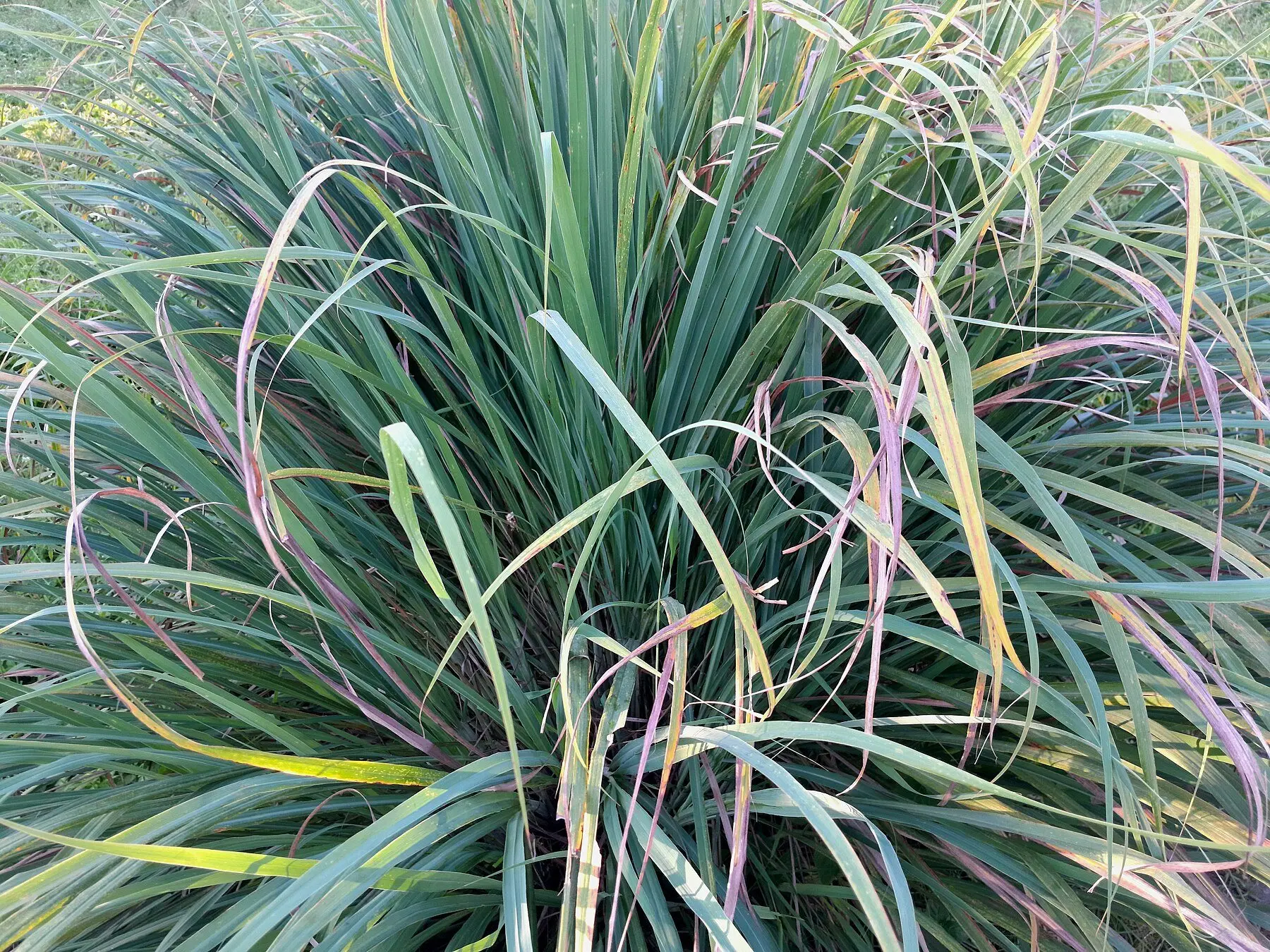
Lemongrass (Cymbopogon citratus) and its close relative citronella grass (Cymbopogon nardus) do contain citral and citronellal, and those compounds do have a documented repellent effect on mosquitoes. That part is real and well studied.
Somewhere along the chain of garden listicles, “repels insects” became “repels pests” became “repels snakes”, and the claim has been repeated confidently ever since — usually alongside a photograph of a lemongrass clump and no citation at all.
Why it does not transfer to snakes
A snake’s chemical sense is not a nose in the way ours is. It flicks its tongue to collect particles and delivers them to the vomeronasal (Jacobson’s) organ, a system tuned to the scent trails of prey and other snakes.
- Plant volatiles are not the signal it is built to read.
- Snakes routinely move through mint, garlic beds, marigolds and lemongrass without pausing.
- Anything strong enough to genuinely repel a snake by scent would have to be at a concentration nothing living in your soil would tolerate.
The grain of truth
People who plant lemongrass often also clear the ground around it, mow it short, and keep the area tidy — and open, clear, dry ground genuinely does make snakes reluctant to cross. The plant gets credit for what the housekeeping did.
The other “snake-repelling” plants
| Plant | Claim | Reality |
|---|---|---|
| Lemongrass / citronella | Scent drives snakes off | No evidence; real mosquito effect only |
| Marigold | Roots deter snakes | Deters some soil nematodes, not snakes |
| Mother-in-law’s tongue (snake plant) | The name implies it | Named for its leaf pattern; no effect |
| Wormwood | Bitter scent repels | No evidence |
| Garlic and onion | Strong scent | No evidence |
| West Indian lemongrass | Marketed specifically for snakes | Same as above |
The pattern is consistent enough to be a rule: if a plant is sold as a snake repellent, it is not one.
What genuinely reduces snakes in a yard
Snakes choose a yard for food, cover and temperature. Change those and the yard empties out.
Remove the food
- Control rodents: sealed bins for birdseed, pet food and grass seed
- Clean up under bird feeders, or pause them if snakes are a real concern
- Deal with any rodent activity in sheds, garages and crawl spaces
Remove the cover
- Move woodpiles and rock piles away from the house and raise them off the ground
- Mow within a few feet of the foundation and keep the grass short
- Clear leaf litter, stacked debris and dense low groundcover along walls
- Keep mulch shallow near the house — deep mulch shelters both snakes and their prey
Close the building
- Quarter-inch galvanized hardware cloth over foundation and crawl space vents
- Seal around pipe and cable penetrations
- A door sweep on the garage door
| Measure | Effect |
|---|---|
| Rodent control | High — removes the reason they are there |
| Clearing woodpiles and debris | High |
| Short grass, clear foundation band | Moderate to high |
| Hardware cloth and sealing | High, for keeping them out of buildings |
| Snake fencing around a small area | Effective but expensive; needs correct install |
| Repellent granules, mothballs, ultrasonics | None |
| “Snake-repelling” plants | None |
Should you plant it anyway?
Yes — just for the right reasons. Lemongrass is a handsome architectural clump, it is genuinely useful in the kitchen, and it does take the edge off mosquitoes near a seating area. In most temperate climates it is grown as an annual or lifted into a pot for winter, and it takes full sun and regular water without complaint.
It simply is not a snake fence, and treating it as one means the woodpile against the wall — the thing that is actually drawing them in — never gets moved.
Common questions
Does lemongrass repel snakes?
Why do people say lemongrass keeps snakes away?
What plants actually keep snakes away?
Do commercial snake repellents work?
Is lemongrass worth planting anyway?
Backyard Weekly
Know what to plant, week by week
Join the weekly email for seasonal jobs, fixes for what is going wrong, and gear worth buying.
Not ready to subscribe? The planting calendar is free and needs no email.
By subscribing you agree to our privacy policy. Grow In Backyard will never sell your address.
Keep reading
Snakes in a Crawl Space or Under the House: What to Do
A snake under the house is following rodents and cool air. How to confirm it, get it out safely, and seal the gaps so the next one does not get in.
Are Corn Snakes Poisonous? No, and Not Venomous Either
Corn snakes are harmless constrictors often killed on sight because they mimic copperheads. How to tell them apart, and why one is worth keeping around.
Snakes in a Pond: Which Ones, and What to Do
Most pond snakes are harmless water-hunting species eating frogs and fish. How to tell them from a cottonmouth, and why removing the food removes the snake.
Does Vinegar Kill Frogs? Yes, and It Is a Cruel Way to Do It
Vinegar burns amphibian skin on contact and kills slowly. Why it circulates as a frog remedy, what it does, and the methods that work without it.