
Where Do Slugs Live, and Where Do They Go in the Day?
Slugs spend daylight underground or under damp cover within feet of where they feed. Where to look, and why finding the shelter beats any barrier.
 By

On this page
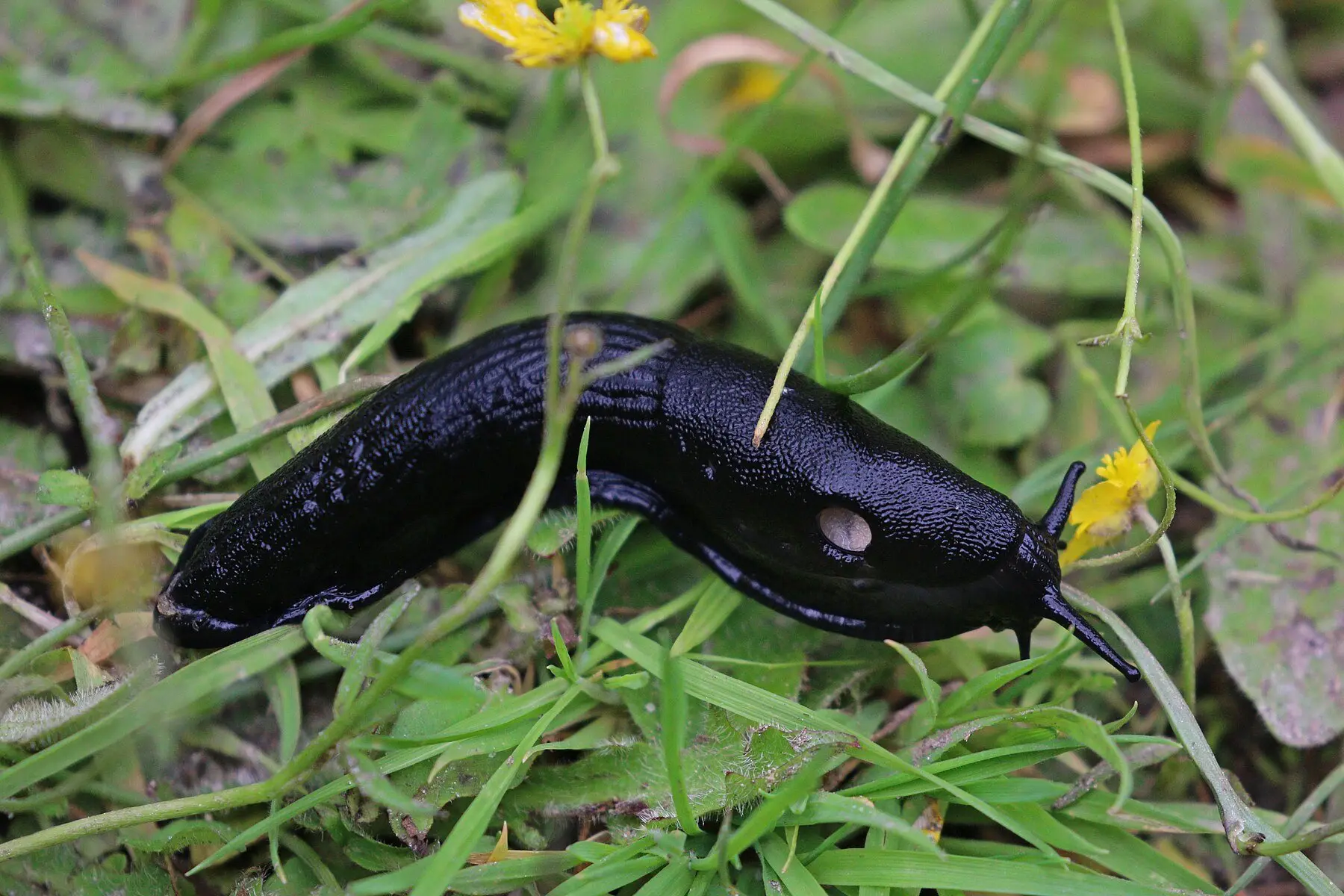
Slugs live in the soil and under damp cover, within a few feet of what they are eating. They are not arriving from somewhere else each night, and a garden with slug damage has a resident population living mostly out of sight.
The places to look
| Place | Why it suits them |
|---|---|
| Top few inches of soil, cracks, worm burrows | Cool, damp, no exposure at all |
| Under pots and pot saucers | Permanently damp, dark, right beside the plants |
| Under paving slabs and stepping stones | Stable humidity, a gap at soil level |
| Under boards, planks and bricks | Same, and easy to lift and check |
| Leaf litter and mulch | Damp and food at the same time |
| Dense low groundcover next to beds | Humid microclimate all day |
| Compost heap, upper layer | Damp, warm, endless food |
| Inside lettuce and cabbage hearts | Food and shelter in one |
| Raised bed rims and joints | The gap between board and soil |
It is about water, not darkness
A slug has no shell to seal itself into, and it loses water continuously across its skin. Everything about where it goes follows from that.
Which is why:
- On a wet, overcast day you will see slugs out at noon without concern.
- In a dry spell they go deep and seem to disappear entirely.
- After rain at dusk, they emerge in numbers that seem impossible.
Nothing about the population changed in that last case. The conditions did.
The underground half
This is the part that defeats most control efforts. Keeled slugs spend essentially their whole lives in the soil, feeding on roots, bulbs and potato tubers, and rarely come to the surface at all.
Why your potatoes were holed and you never saw a slug
Surface measures — copper tape, grit, wool pellets, even pellets scattered on the bed — cannot reach an animal that never comes up. Phasmarhabditis nematodes, watered into the soil, are the one widely available control that does.
Where they came from
Not from next door. Slugs lay clusters of small pearly-white eggs in soil crevices, under pots and in compost, often dozens at a time, and a single slug can lay several hundred in a year.
A warm wet spell does two things at once: it brings the adults up from below and it triggers the eggs to hatch. That is the whole explanation for “we never had slugs and now there are hundreds”.
They also arrive in things you bring in:
- Bought plants — check the pot rim and the underside of the root ball
- Bags of compost and mulch left open
- Second-hand pots and trays
- Turf and topsoil deliveries
Turning it against them
Since they must shelter somewhere close by, give them a place you control.
The trap board method, which is the most underrated thing in slug control:
- Lay a plank, a piece of board, a wet folded newspaper or a scooped-out half grapefruit on the soil near the damage, in the evening.
- Leave it overnight.
- Lift it in the morning and collect what has gathered underneath.
- Repeat in the same place — it keeps working.
And remove the shelter you do not control:
- Raise pots on feet so the saucer rim is not a permanent slug hotel
- Move boards, bricks and debris off the soil beside vegetable beds
- Keep a clear, dry band between long grass or groundcover and the beds
- Keep mulch thinner near seedlings — mulch is excellent for soil and excellent for slugs
- Water in the morning, so the surface is dry by dusk
And the case for not clearing it all
A garden with no damp cover at all also has no frogs, toads, hedgehogs, slow-worms or ground beetles — every one of which eats slugs or their eggs.
The version that actually works is cover for the predators, away from the vegetables: a log pile and a damp corner at the far end of the garden, a pond if you can, and a clear dry margin around the beds you care about.
Common questions
Where do slugs live?
Where do slugs go during the day?
Where do slugs come from all of a sudden?
How do I find where the slugs are hiding?
Do slugs live in the soil or on top of it?
Where do slugs go in winter?
Backyard Weekly
Know what to plant, week by week
Join the weekly email for seasonal jobs, fixes for what is going wrong, and gear worth buying.
Not ready to subscribe? The planting calendar is free and needs no email.
By subscribing you agree to our privacy policy. Grow In Backyard will never sell your address.
Keep reading
Why Do Crickets Make Noise at Night? It Is Only the Males
Crickets chirp at night to attract females and warn off rivals, by rubbing their wings together. Why it stops when you approach, and how to quiet one indoors.
Slugs vs Snails: The Difference, and Why It Matters
A slug is essentially a snail that gave up its shell. What that one change did to where they live, what they eat, and how hard each is to keep off plants.
What Do Snails Eat and Drink? Garden, Pond and Pet
Snails rasp food with a toothed ribbon and absorb most of their water through the skin and foot. What they eat, what they need, and what harms them.
Frogs in the Backyard: Why They Are There, and the Holes
Frogs in a yard mean damp cover, insects and water nearby. What they eat, what those holes in the lawn really are, and whether to keep them around.