
Slugs vs Snails: The Difference, and Why It Matters
A slug is essentially a snail that gave up its shell. What that one change did to where they live, what they eat, and how hard each is to keep off plants.
 By

On this page
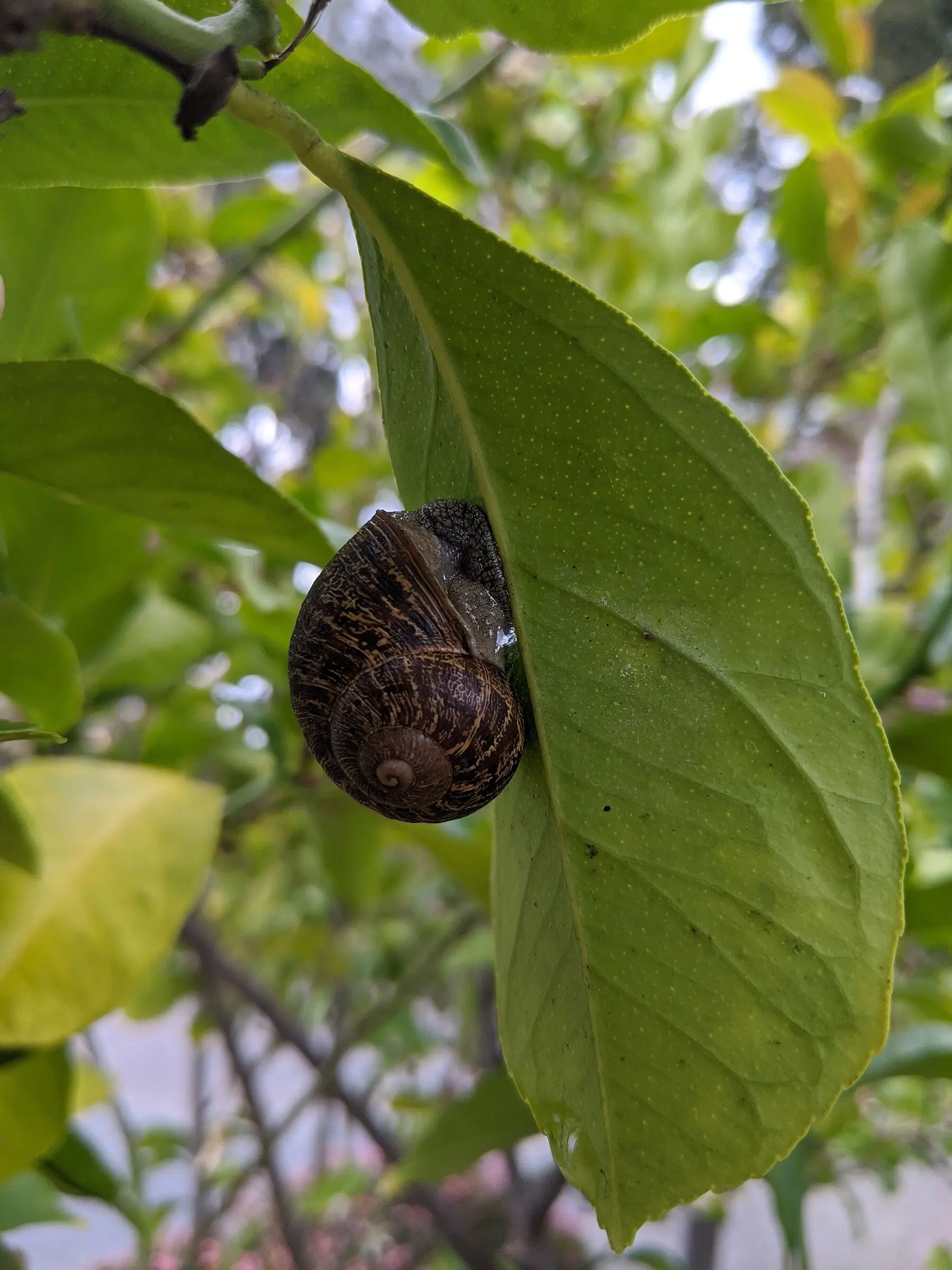
A slug is, in evolutionary terms, a snail that gave up its shell. They are both gastropod molluscs, close relatives, and shell loss has happened independently in several snail lineages. Every practical difference between them traces back to that one thing.
Side by side
| Snail | Slug | |
|---|---|---|
| Shell | External, coiled, can withdraw into it | None visible; usually a small internal plate |
| Dry weather | Seals the opening and waits it out | Must go underground or into damp cover |
| Cold | Overwinters sealed in the shell | Overwinters underground, often as eggs |
| Where it feeds | Climbs readily — leaves, stems, low fruit | Soil level and below — roots, tubers, seedlings |
| Getting into tight spaces | Limited by shell width | Squeezes through almost anything |
| Eggs | Clusters in soil | Clusters in soil, often deeper and more numerous |
| Calcium needs | High — the shell demands it | Low |
Why slugs cost you more
Gardeners tend to blame snails because snail damage is visible — a stripped hosta with a snail sitting on it makes the case itself.
Slugs are the bigger problem in most gardens for three reasons:
- They feed below ground. Keeled slugs eat potato tubers, bulbs and roots you never see them reach.
- They take seedlings whole, at ground level, overnight — the single most demoralising loss in a vegetable bed.
- They stay active longer. Cool, damp conditions that suit a slug perfectly send snails into shelter, so the slug feeding window is much wider.
The calcium point
This one has a practical consequence. A snail must build and repair a calcium carbonate shell, so snails concentrate where calcium is available — chalky and limestone soils, old mortar, gravel paths.
Slugs have no such constraint, which is why acidic, peaty and heavily organic soils often have plenty of slugs and hardly any snails. If your garden seems slug-dominated, that is usually the reason, not luck.
Which is why crushed eggshells do not work
Eggshells are recommended as a barrier constantly. In practice, slugs and snails cross them without difficulty — and for a snail, a scattering of crushed shell is a calcium supply rather than an obstacle. Trials consistently find no useful barrier effect.
Do slugs really have shells?
Mostly yes, hidden. Behind the head, under the saddle-shaped mantle, most garden slugs carry a small flat internal shell plate — the vestige of the external shell their ancestors had. Slice open the mantle of a common garden slug and there it is.
Three arrangements exist:
- Internal shell plate — most familiar garden slugs
- Small external shell, too small to retreat into — the semi-slugs
- No shell at all — a minority
The ones worth keeping
Not every slug in a garden is eating your plants.
- Leopard slug (large, grey, spotted) — eats other slugs, plus fungi and decaying matter. A genuinely useful animal to have.
- Many woodland and keeled species feed mainly on decaying plant material and fungi, doing the same recycling job as a worm.
- Roman and other large snails do far more scavenging than leaf-eating.
This is the argument against the scorched-earth approach: slug pellets do not distinguish, and they also poison the hedgehogs, birds, frogs and ground beetles that eat poisoned slugs.
Controlling either
The good news in all of this is that you do not need to tell them apart to deal with them. The same measures work:
- Go out at night with a torch after rain and collect by hand. Unglamorous and by far the most effective single method.
- Beer traps, sunk to the rim, emptied every couple of days.
- Copper tape around pots — works reasonably on pots, poorly as a garden-scale barrier.
- Nematodes (Phasmarhabditis), watered on — genuinely effective against slugs specifically, and they reach the ones underground.
- Encourage predators: frogs, toads, hedgehogs, ground beetles, thrushes and slow-worms. A pond and some undisturbed cover do more over a season than any barrier.
- Water in the morning, not the evening, so the surface is dry when they are active.
- Wool pellets and sharp grit — modest effect, better than eggshells.
And if you use pellets, choose ferric phosphate over metaldehyde, which is now banned outdoors in several countries precisely because of what it did to everything further up the chain.
Common questions
What is the difference between a slug and a snail?
Are slugs and snails the same thing?
Do slugs have shells?
Which does more damage in a garden, slugs or snails?
Do slugs and snails bite or carry disease?
Are all slugs and snails bad for the garden?
Backyard Weekly
Know what to plant, week by week
Join the weekly email for seasonal jobs, fixes for what is going wrong, and gear worth buying.
Not ready to subscribe? The planting calendar is free and needs no email.
By subscribing you agree to our privacy policy. Grow In Backyard will never sell your address.
Keep reading
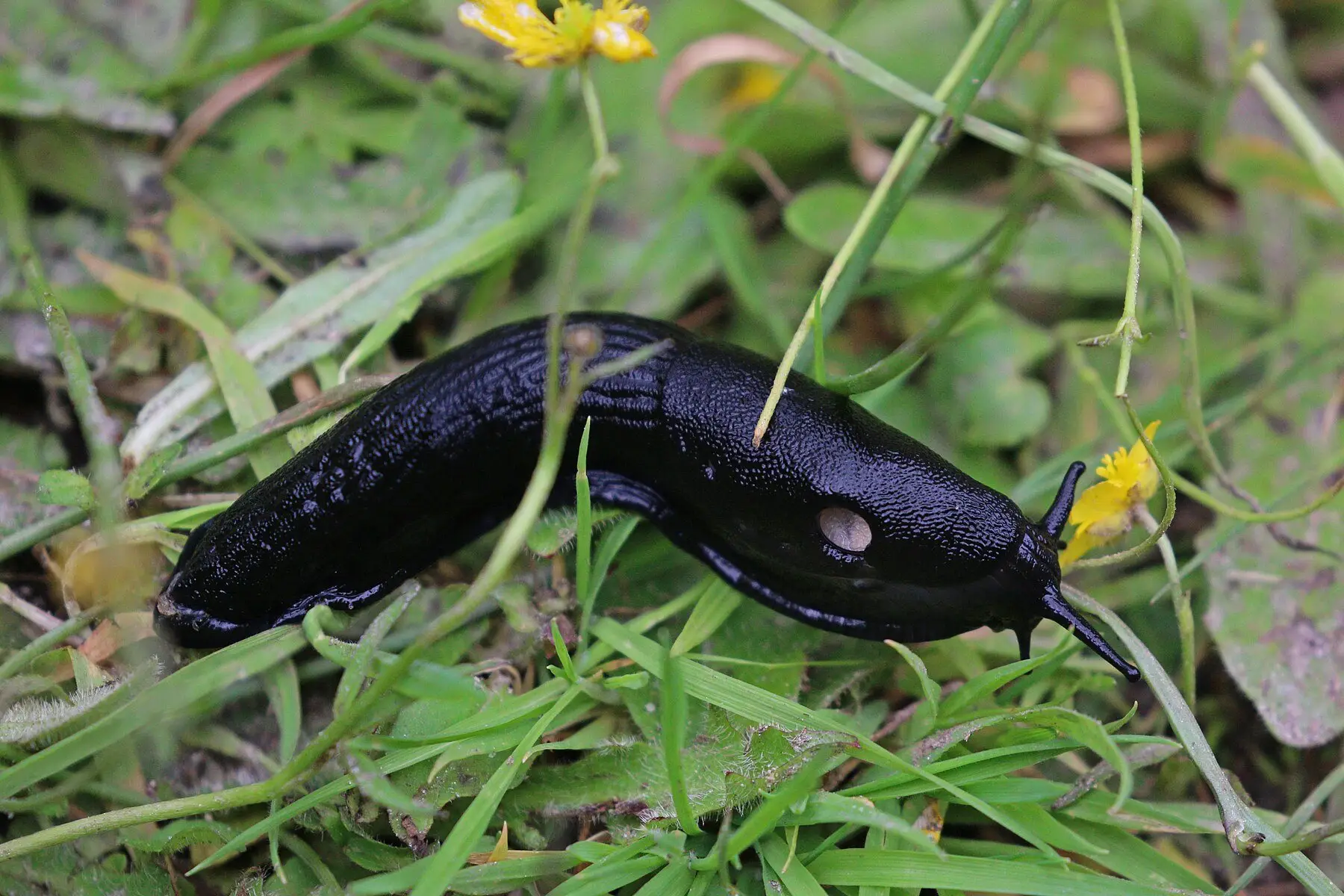
Where Do Slugs Live, and Where Do They Go in the Day?
Slugs spend daylight underground or under damp cover within feet of where they feed. Where to look, and why finding the shelter beats any barrier.
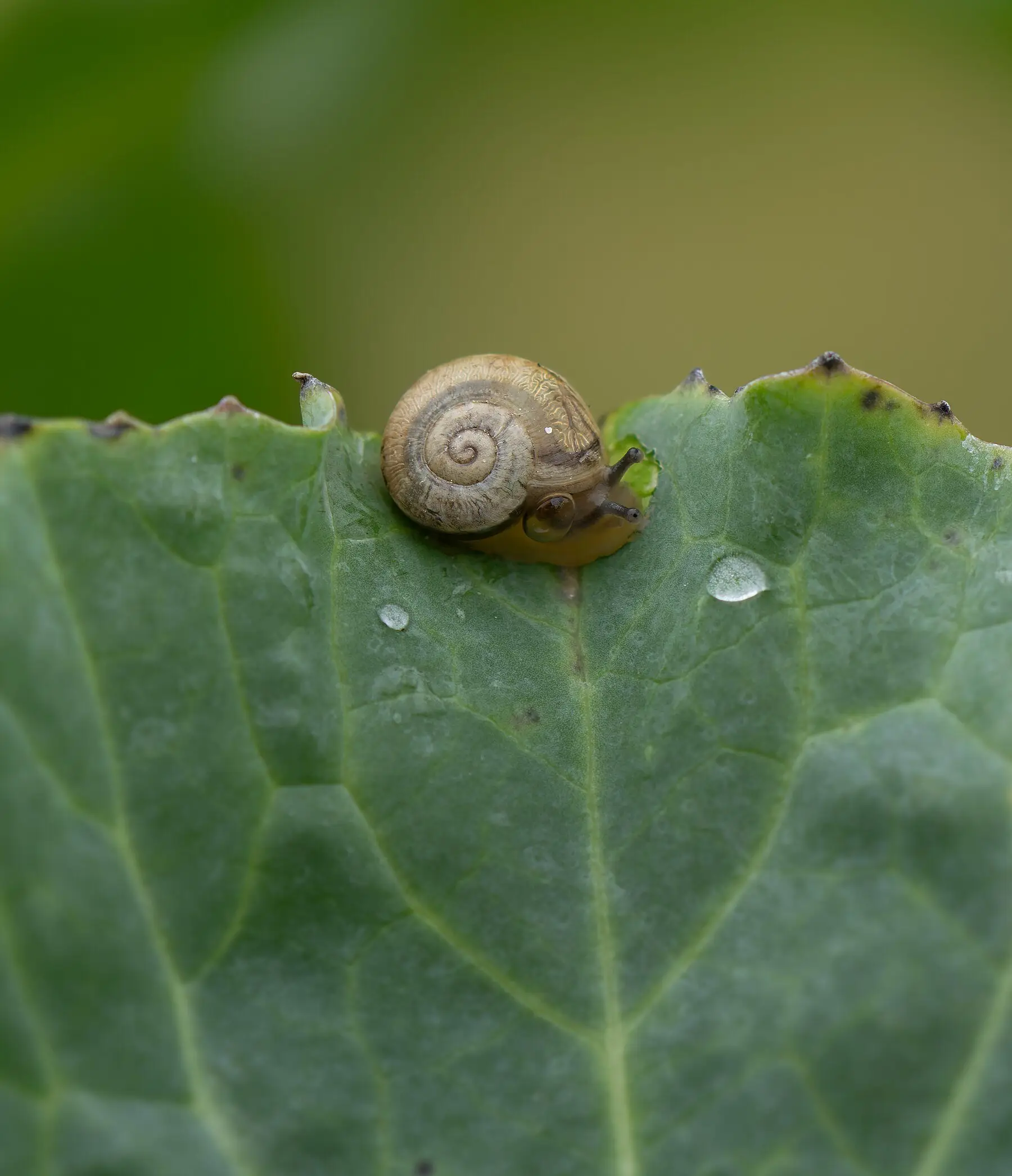
What Do Snails Eat and Drink? Garden, Pond and Pet
Snails rasp food with a toothed ribbon and absorb most of their water through the skin and foot. What they eat, what they need, and what harms them.
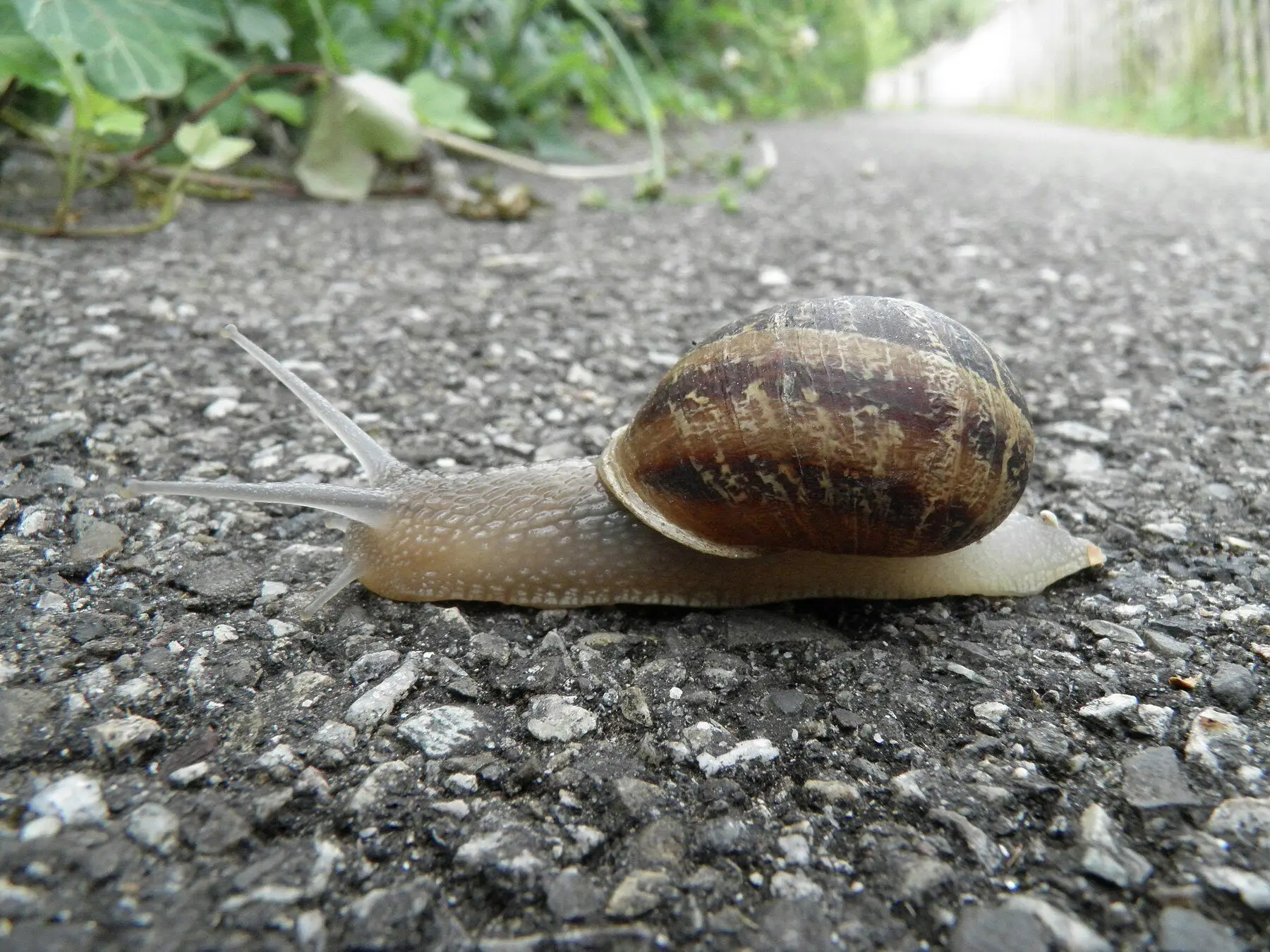
Is a Snail an Insect? No — Here Is What It Actually Is
Snails are molluscs, not insects, and they are more closely related to an octopus than to a beetle. What that means for controlling them in a garden.
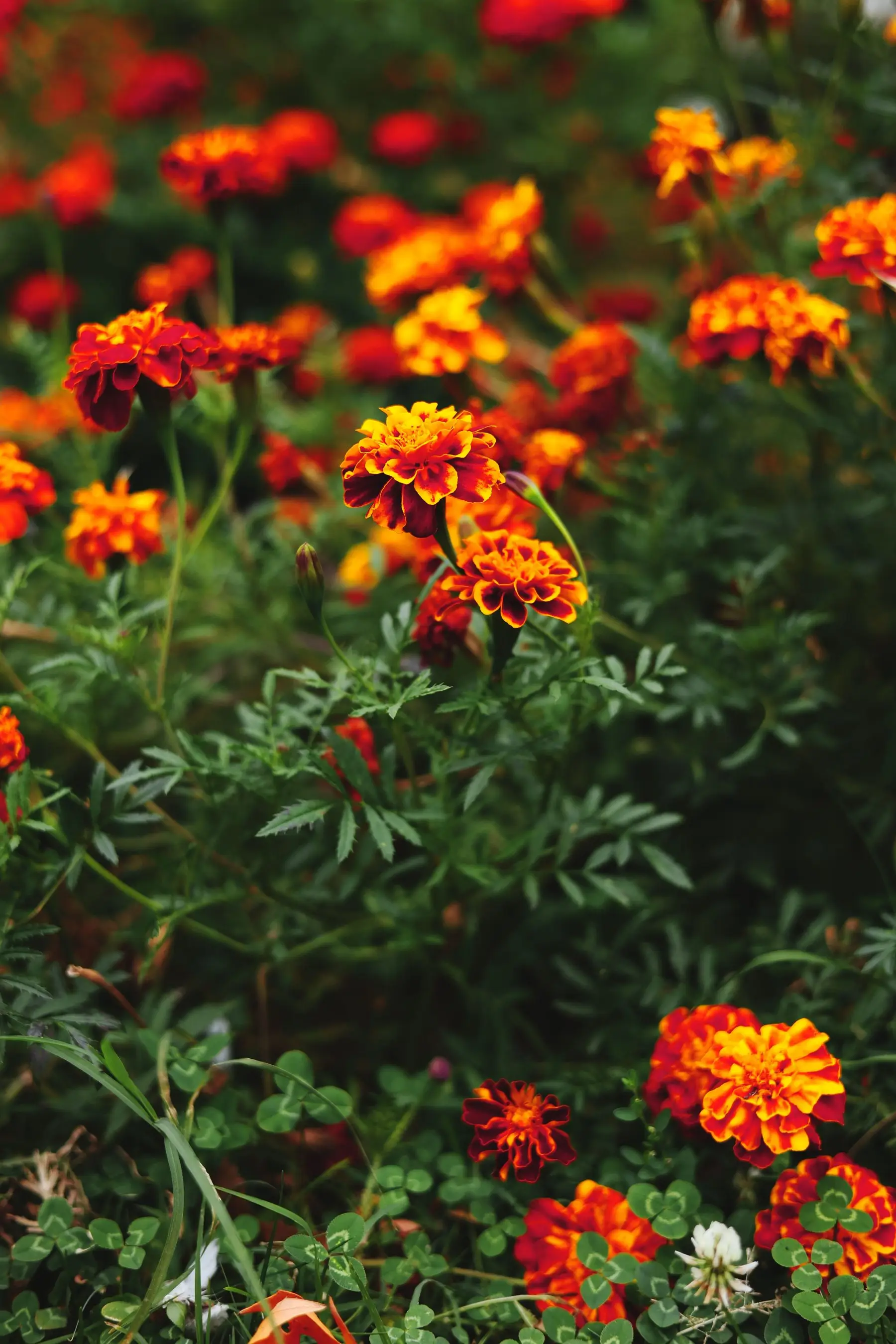
Do Marigolds Deter Slugs? They Attract Them Instead
Marigolds are one of the plants slugs go for first, not a repellent. Why the myth persists, how gardeners use them as a trap crop, and what does work.