
Do Marigolds Deter Slugs? They Attract Them Instead
Marigolds are one of the plants slugs go for first, not a repellent. Why the myth persists, how gardeners use them as a trap crop, and what does work.
 By
On this page
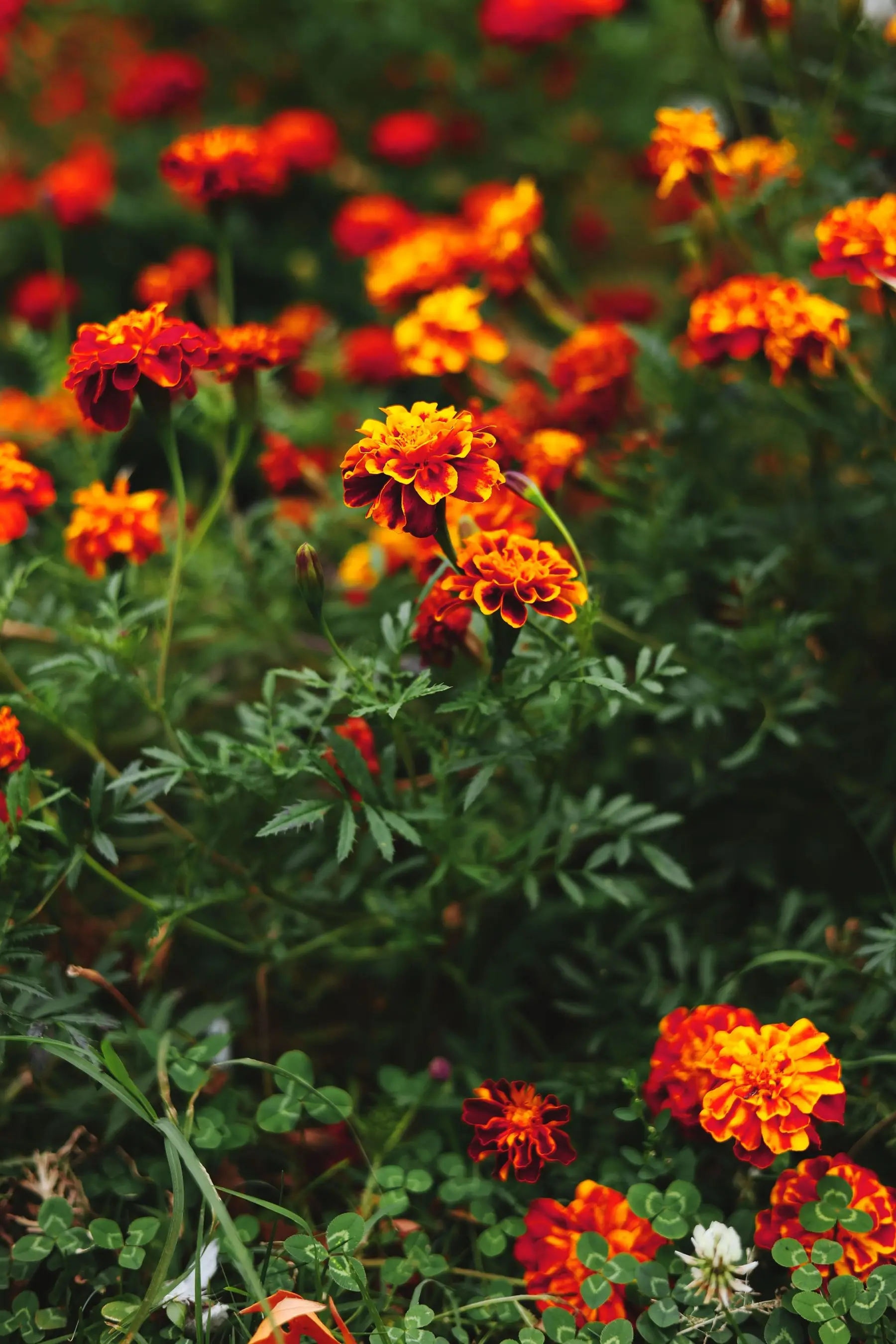
Marigolds do not repel slugs. Slugs find marigolds delicious — which is exactly what makes them useful, just not in the way the question assumes.
Where the myth comes from
| Effect | Evidence | |
|---|---|---|
| Soil nematodes | Suppressed by Tagetes root exudates | Well established; the basis of using marigolds as a green manure |
| Whitefly | Modest deterrence from scent | Some support, effect size small |
| Slugs and snails | Attracted | Ask anyone who has planted a tray out in April |
Two of those three are true, which is enough for “marigolds repel pests” to become general folklore and for slugs to get swept in with everything else. They are the exception.
Using the attraction
A trap crop works because the preference is reliable:
- Plant cheap bedding marigolds in a row a metre or two from the crop you are protecting
- Water them well — slugs go for lush, soft growth
- Collect after dark with a torch, or lay a board beside them and collect underneath each morning
- Expect the marigolds to be eaten. That is the mechanism, not a failure
Trap cropping only helps if you remove what it gathers
A trap crop with nobody collecting from it is a slug feeding station next to your lettuce. The collecting is the control; the plant just decides where.
Plants slugs genuinely tend to leave
Tough, hairy, aromatic or bitter:
- Herbs: rosemary, lavender, thyme, sage, fennel
- Perennials: euphorbia, hardy geranium, astrantia, foxglove, aquilegia
- Structure: ferns, ornamental grasses, bergenia
Avoidance is relative. In a wet spring a hungry slug tries things it normally ignores — but planting these where pressure is worst measurably reduces losses.
What to do instead
- Hand collect after dark on damp evenings. Nothing else comes close, because it removes animals rather than relocating them
- Boards, tiles or grapefruit halves as daytime shelters you empty each morning
- Ferric phosphate pellets — effective and comparatively safe for pets and wildlife
- Beer traps, which work but only within a small radius, so they need to be numerous
- Predators: hedgehogs, frogs, toads, ground beetles, song thrushes. Leave some cover, keep a little water, and avoid metaldehyde pellets, which work up the food chain
Coffee grounds and crushed eggshells are the two most repeated remedies and the two least worth the effort. A slug glides over a blade edge on its own mucus; a scattering of shell fragments is not the obstacle it looks like.
Common questions
Do marigolds deter slugs?
Do slugs eat marigolds?
Can marigolds be used as a slug trap crop?
What plants do slugs actually avoid?
What actually works against slugs?
Do coffee grounds or eggshells stop slugs?
Backyard Weekly
Know what to plant, week by week
Join the weekly email for seasonal jobs, fixes for what is going wrong, and gear worth buying.
Not ready to subscribe? The planting calendar is free and needs no email.
By subscribing you agree to our privacy policy. Grow In Backyard will never sell your address.
Keep reading
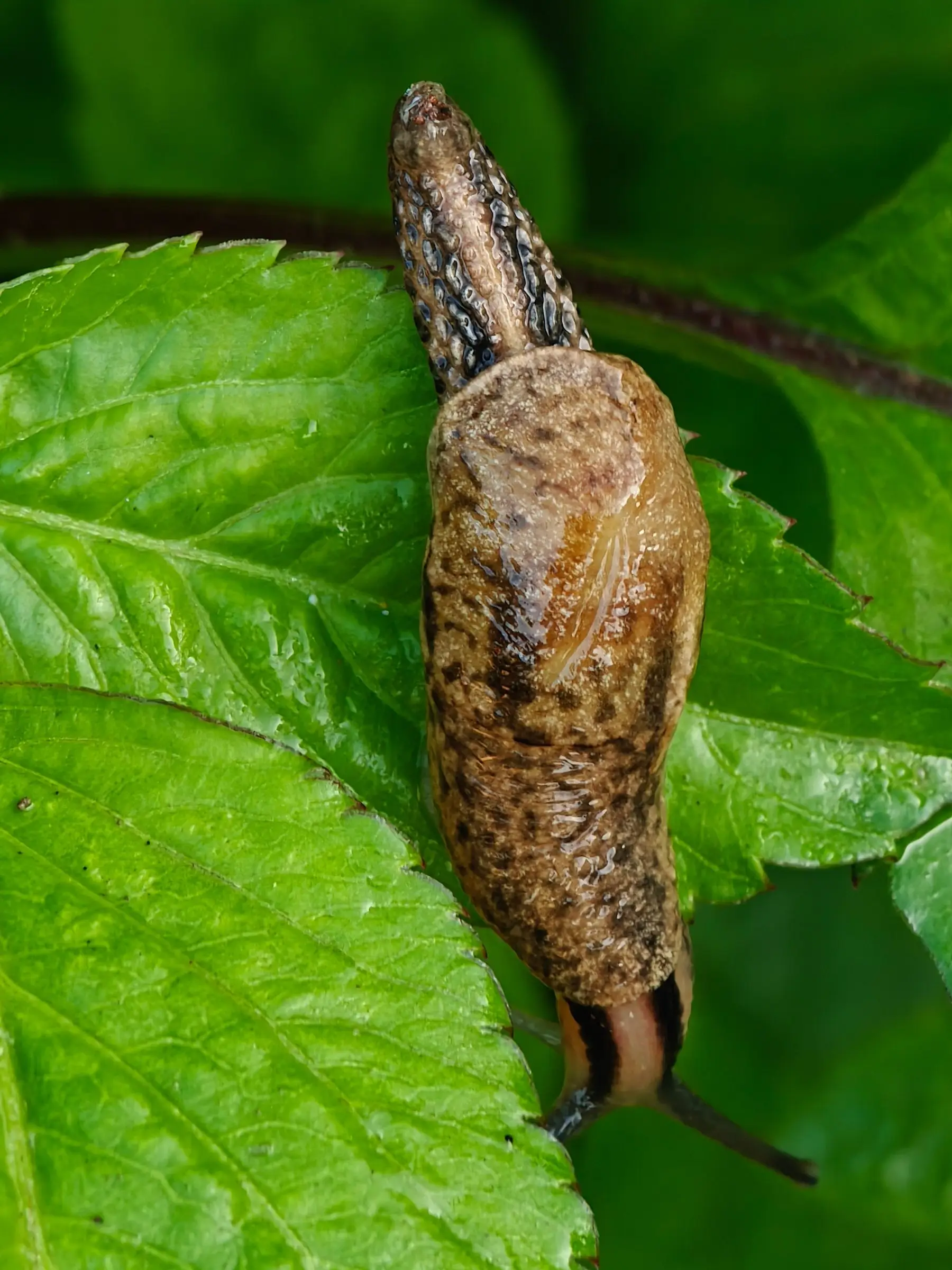
Homemade Slug Repellent: What Works and What Is Folklore
Beer traps, copper, eggshells and coffee grounds checked against what the evidence says. The two homemade methods that genuinely reduce damage.
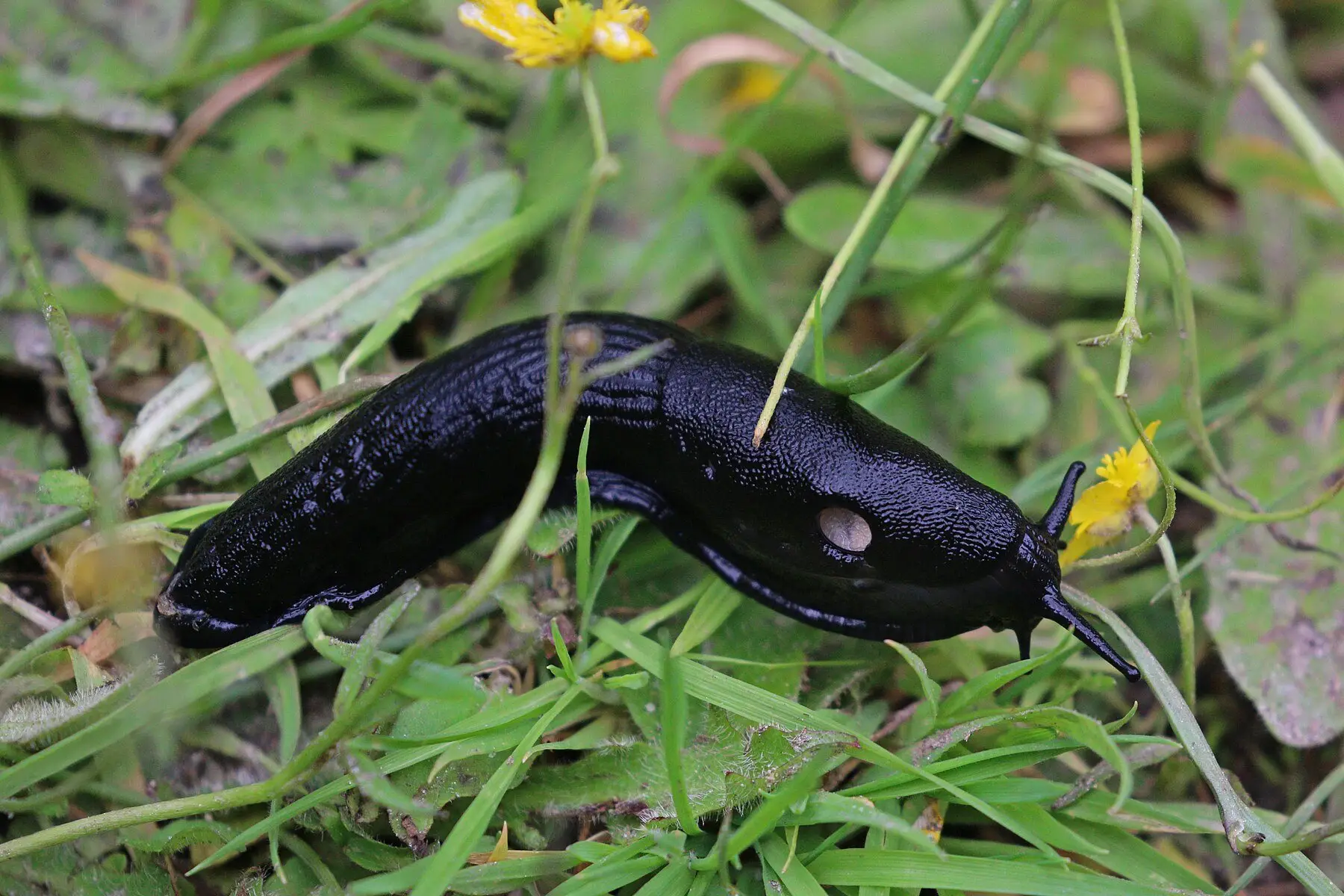
Where Do Slugs Live, and Where Do They Go in the Day?
Slugs spend daylight underground or under damp cover within feet of where they feed. Where to look, and why finding the shelter beats any barrier.
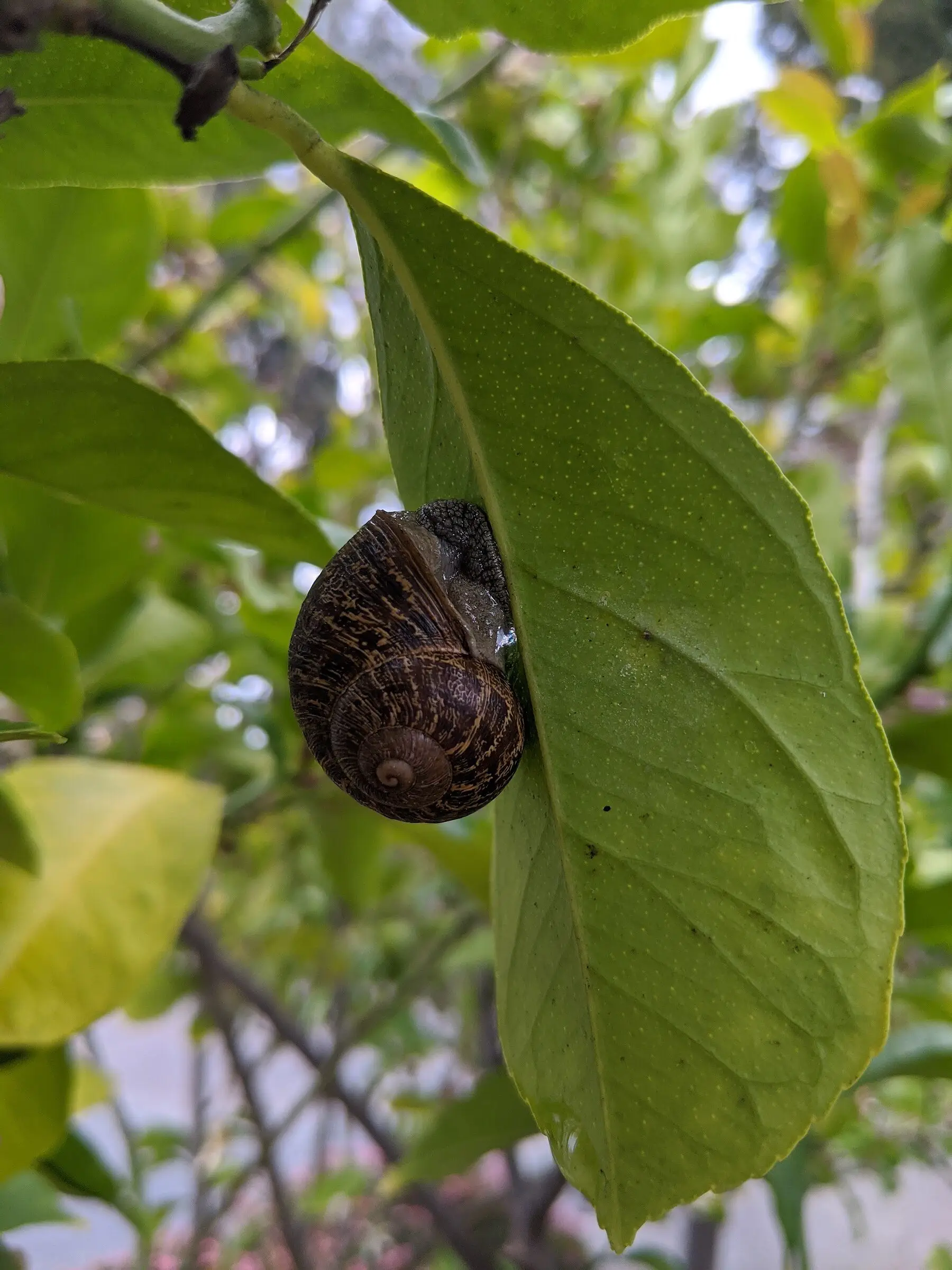
Slugs vs Snails: The Difference, and Why It Matters
A slug is essentially a snail that gave up its shell. What that one change did to where they live, what they eat, and how hard each is to keep off plants.
Is a Snail an Insect? No — Here Is What It Actually Is
Snails are molluscs, not insects, and they are more closely related to an octopus than to a beetle. What that means for controlling them in a garden.