
Homemade Slug Repellent: What Works and What Is Folklore
Beer traps, copper, eggshells and coffee grounds checked against what the evidence says. The two homemade methods that genuinely reduce damage.
 By
On this page
Most of the homemade slug list does not survive testing. Eggshells, coffee grounds, sand and hair all fail — and the two things that genuinely work are unglamorous.
The honest scorecard
| Method | Verdict |
|---|---|
| Hand-picking at night | Most effective on a garden scale |
| Removing damp shelter | Highly effective, permanent |
| Morning watering | Effective, free |
| Beer traps | Works — but attracts as well as kills |
| Yeast and sugar water | Same as beer, cheaper |
| Copper tape | Partial. Clean unbroken band on a pot only |
| Crushed eggshells | No. Slugs cross them on mucus |
| Coffee grounds | No at realistic concentrations |
| Sharp sand, grit | No |
| Human hair, wool pellets | Marginal at best |
| Salt | No. Kills the slug and the soil |
| Garlic spray | Weak evidence, brief |
| Encouraging predators | Slow, and the most durable of all |
| Nematodes (P. hermaphrodita) | Genuinely effective, bought not homemade |
| Iron phosphate pellets | Effective, low secondary risk |
Why barrier methods mostly fail
A slug travels on a layer of mucus that protects it from rough surfaces. Crushed eggshells, grit and sharp sand are, from underneath, simply a slightly textured road.
The idea is repeated everywhere because it sounds plausible. It does not survive a fair test.
What actually works
Hand-picking
Unglamorous, free, and the most effective thing available.
- After dark, with a torch, ideally on a damp evening
- A fortnight of nightly collection in spring, through the vulnerable seedling period, does more than any barrier does all year
- Check under pots, boards and leaves during the day
- Drop them in salty water, or relocate them a long way off if you would rather
Habitat
Slugs need damp, dark daytime shelter within reach of the food.
- Clear leaf litter, boards, pots and debris from near vulnerable beds
- Keep a gap between mulch and seedling stems
- Water in the morning, not the evening — an evening-watered bed is a slug highway
- Drip irrigation rather than overhead, which keeps the surface drier
- Let one corner stay wild away from the beds, for the predators
Predators
The slowest and most durable control.
- Frogs and toads. A small pond with a shallow sloping edge is the single best investment
- Ground beetles, which eat slug eggs. Undisturbed edges and log piles
- Birds — thrushes especially, which specialise in snails
- Hedgehogs, where you have them. Gaps in fences, no slug pellets
- Ducks, if you keep them. Genuinely effective, and they do not scratch the way chickens do
Beer traps, done properly
They work, and the yeast is the attractant — so any yeast and sugar solution does the same job at lower cost.
- Sink the container so the rim sits about an inch above soil level. Slugs still get in; ground beetles mostly do not fall in, which matters because they are on your side
- Place at the edges of a bed, not among the seedlings. A trap in the middle of a bed draws slugs into it
- Empty and refill every few days
- A lid or cover keeps rain out and pets away
On pellets
- Iron phosphate is the one to use. Approved for organic growing in many places, and far less hazardous to pets, birds and hedgehogs
- Metaldehyde has been banned or withdrawn in the UK and restricted elsewhere, because of secondary poisoning
- Scatter sparingly. Never heap them — piles attract animals and concentrate the dose
- Nematodes (Phasmarhabditis hermaphrodita) are watered into the soil, work well in warm damp conditions, and are the most effective non-toxic option. Bought rather than homemade, and they need soil above about 41°F
Protecting what matters most
Rather than defending a whole garden, defend the vulnerable stages:
- Seedlings and transplants — the window where slug damage actually costs you a crop
- Hostas, lettuce, brassica seedlings, dahlias, delphiniums — the reliable casualties
- Start seedlings indoors and plant out larger, past the stage slugs can destroy overnight
- Cloches or bottle collars over individual young plants for two or three weeks
- Grow the worst-hit plants in pots with a clean copper band, where copper actually works
Common questions
What homemade slug repellent actually works?
Do eggshells and coffee grounds stop slugs?
Does copper tape work against slugs?
Are beer traps effective?
What is the most effective slug control overall?
Are slug pellets safe to use?
Backyard Weekly
Know what to plant, week by week
Join the weekly email for seasonal jobs, fixes for what is going wrong, and gear worth buying.
Not ready to subscribe? The planting calendar is free and needs no email.
By subscribing you agree to our privacy policy. Grow In Backyard will never sell your address.
Keep reading
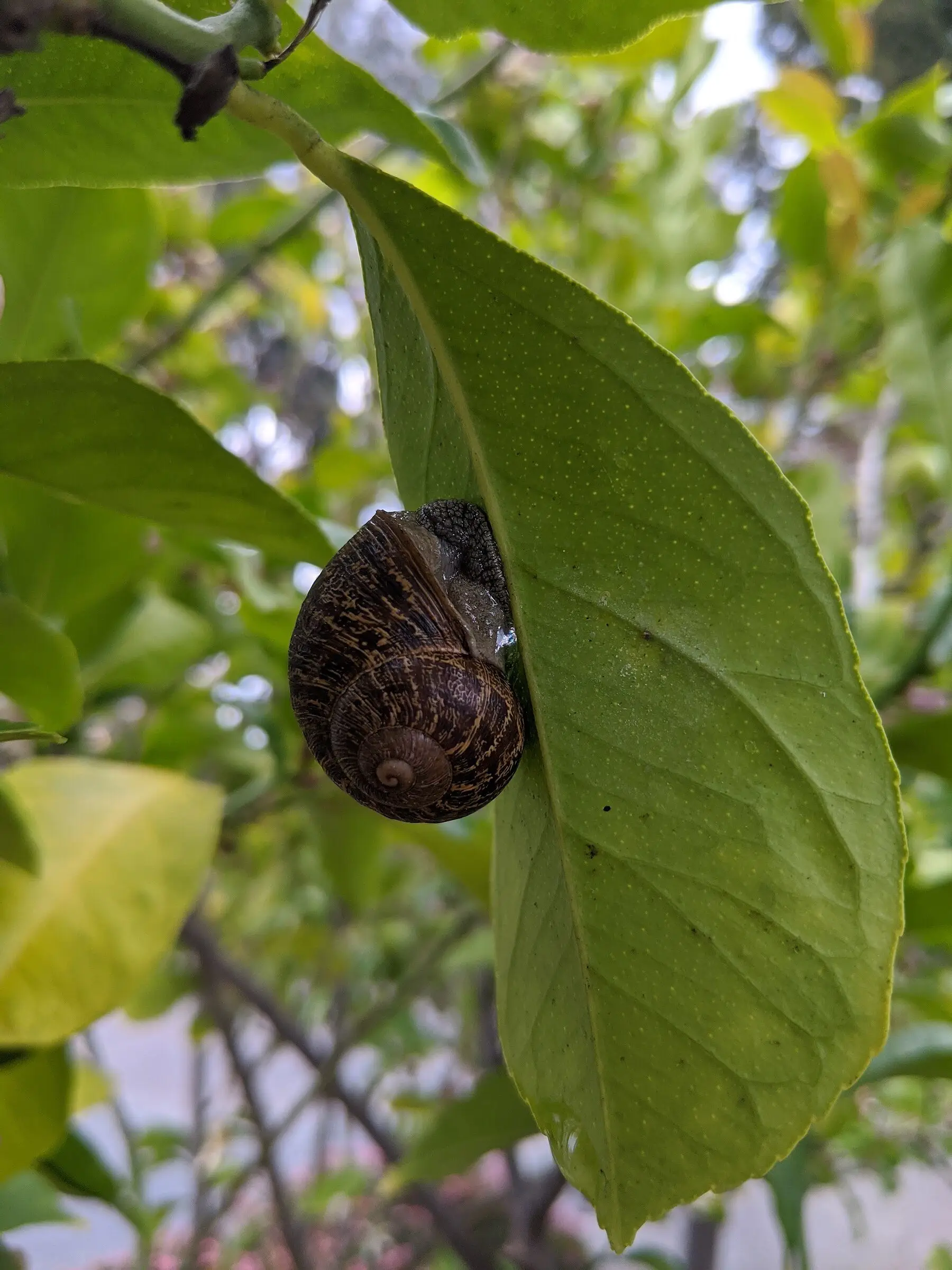
Slugs vs Snails: The Difference, and Why It Matters
A slug is essentially a snail that gave up its shell. What that one change did to where they live, what they eat, and how hard each is to keep off plants.
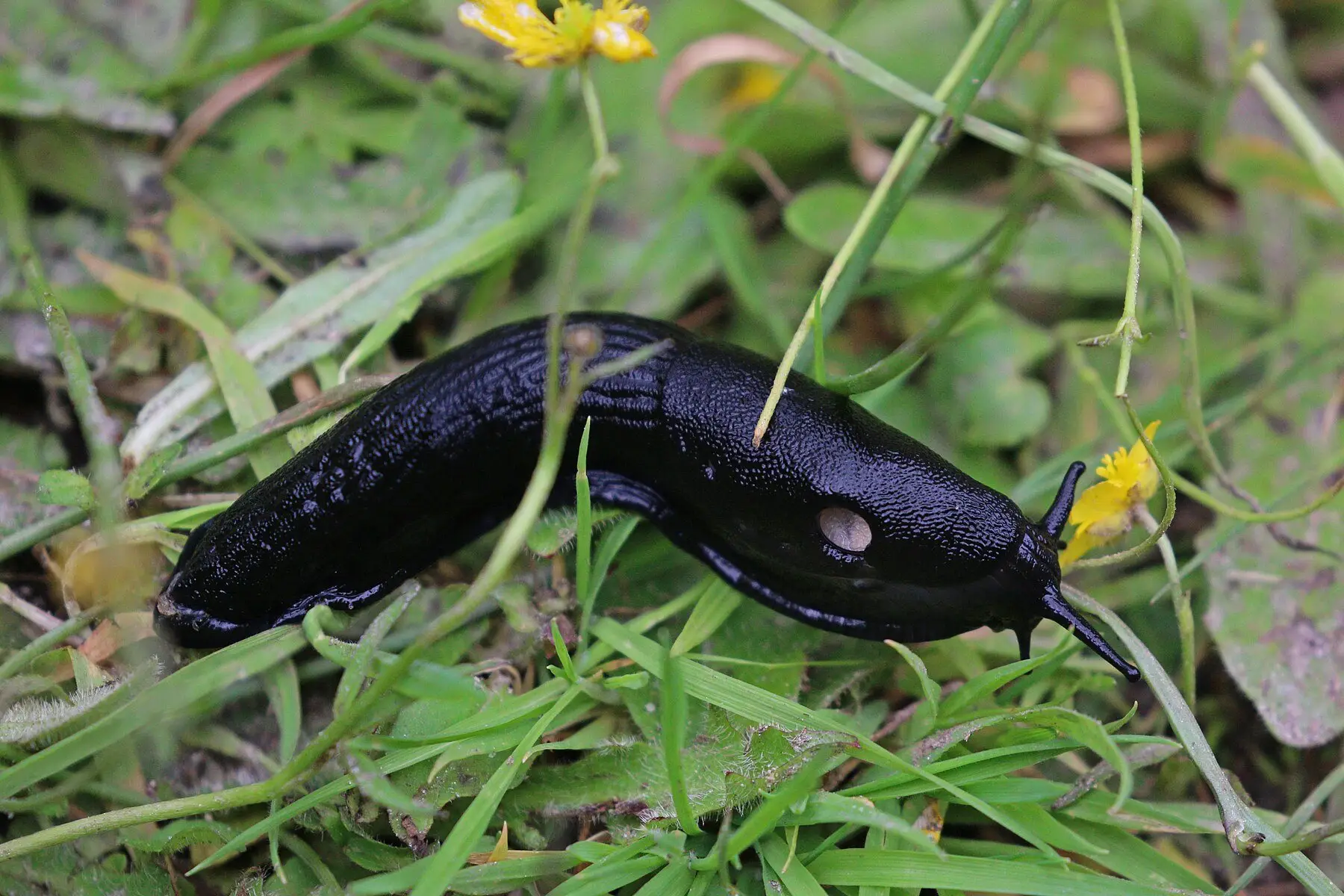
Where Do Slugs Live, and Where Do They Go in the Day?
Slugs spend daylight underground or under damp cover within feet of where they feed. Where to look, and why finding the shelter beats any barrier.
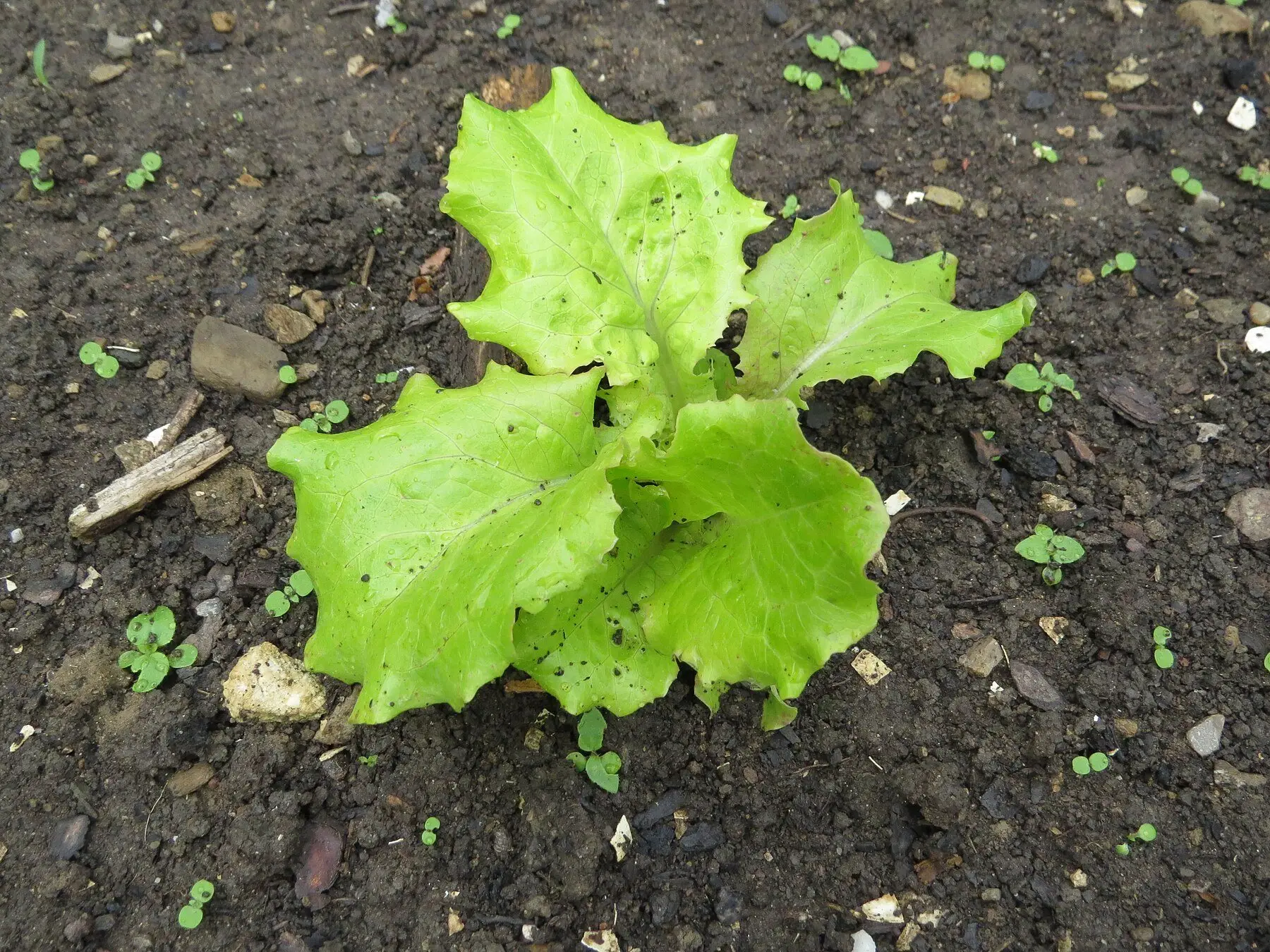
How to Grow Lettuce: Beating the Bolt and the Bitterness
Lettuce turns bitter and runs to seed in heat. Sowing windows, cut-and-come-again, shade in summer, and why germination fails in warm soil.
Is a Snail an Insect? No — Here Is What It Actually Is
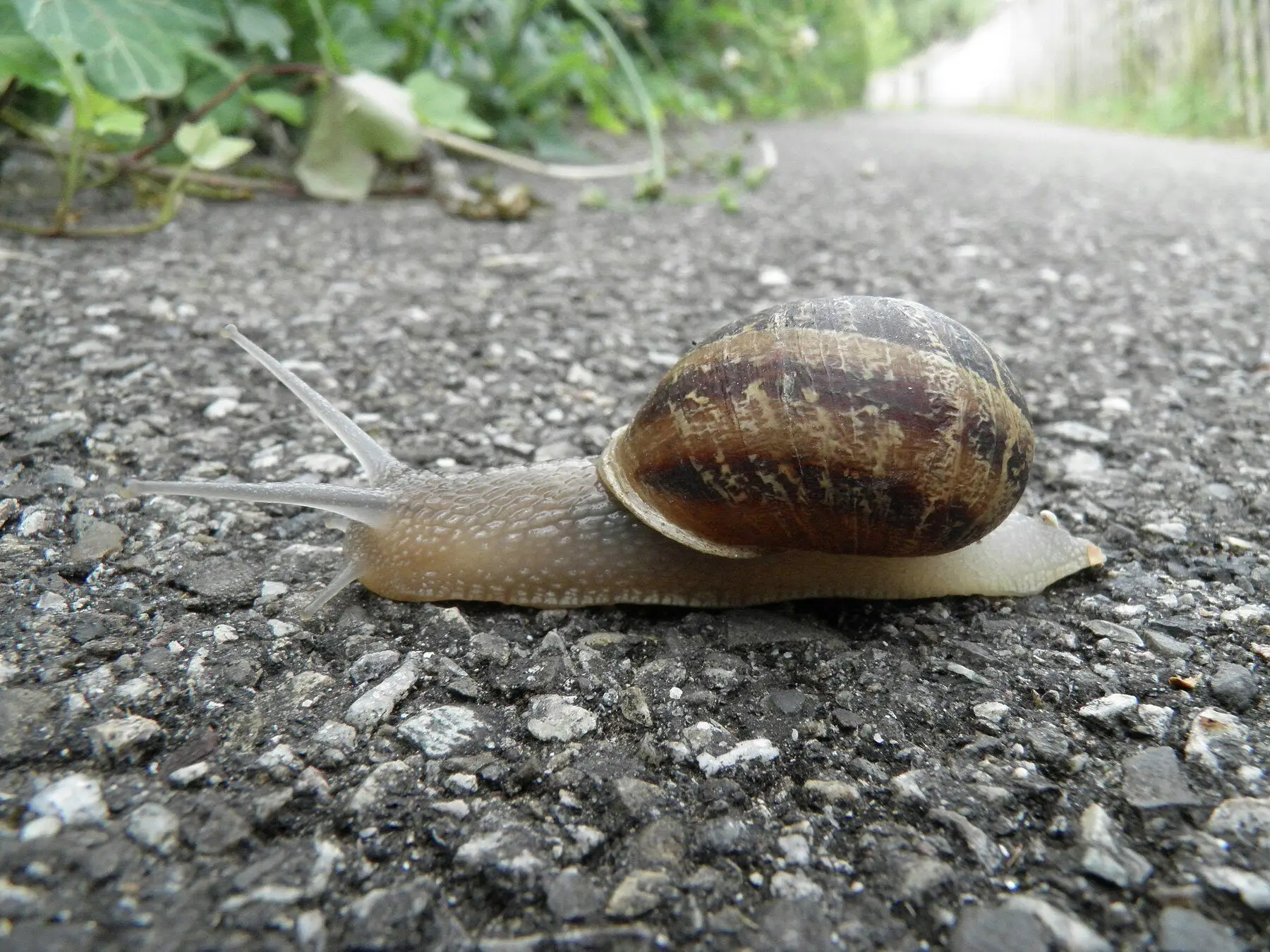
Snails are molluscs, not insects, and they are more closely related to an octopus than to a beetle. What that means for controlling them in a garden.