
Is a Snail an Insect? No — Here Is What It Actually Is
Snails are molluscs, not insects, and they are more closely related to an octopus than to a beetle. What that means for controlling them in a garden.
 By

On this page
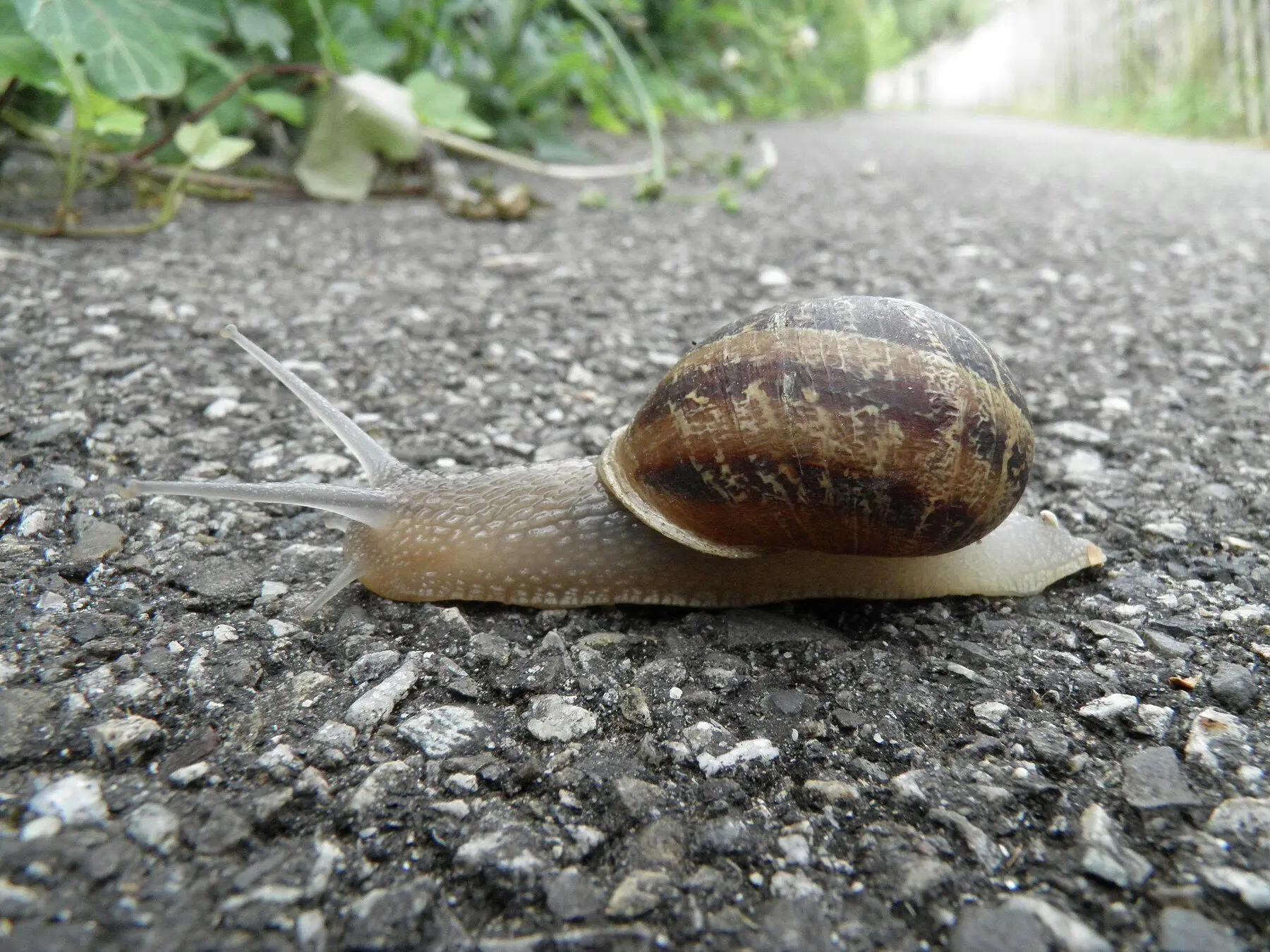
No. A snail is a mollusc, and insects are arthropods — two different phyla. In terms of relatedness, a snail sits closer to an octopus, a clam or an oyster than to any beetle, ant or fly in your garden.
The comparison that settles it
| Feature | Snail (mollusc) | Insect (arthropod) |
|---|---|---|
| Phylum | Mollusca | Arthropoda |
| Legs | None — one muscular foot | Six, jointed |
| Body segments | None | Three: head, thorax, abdomen |
| Skeleton | External shell of calcium carbonate | Exoskeleton of chitin |
| Antennae | No — retractable tentacles, eyes on the upper pair | Yes, a pair |
| Wings | Never | Usually, in adults |
| Mouthparts | Radula, a rasping ribbon of thousands of teeth | Mandibles, or a proboscis |
| Growth | Shell grows continuously with the animal | Moults, shedding the exoskeleton |
| Blood | Haemolymph, copper-based, bluish | Haemolymph, varies |
What a snail actually is
Phylum Mollusca → class Gastropoda.
Molluscs are one of the largest groups of animals on earth: slugs, snails, clams, mussels, oysters, squid, cuttlefish and octopus are all in it. Gastropods — “stomach-foot” — are the biggest class within that, with roughly 40,000 or more species living in the sea, in fresh water and on land.
What makes a gastropod a gastropod:
- Movement on a single muscular foot, on a layer of secreted mucus
- A radula, a ribbon covered in thousands of microscopic teeth used to rasp food
- A mantle, the tissue that secretes the shell
- Torsion during larval development, which rotates the body so the gills and anus end up over the head — a genuinely strange feature nothing in the insect world does
“Bug” is a separate question
Strictly, a true bug is an insect of the order Hemiptera — aphids, shield bugs, cicadas, leafhoppers — with piercing-sucking mouthparts. A beetle is not a true bug. A snail is not even in the running.
In everyday speech “bug” just means “small creeping thing”, and calling a snail one hurts nobody. It stops being harmless the moment you buy something to spray.
Why the distinction has teeth
Insecticides do not kill slugs or snails
General-purpose insect sprays act on nervous-system targets that molluscs do not share. Spraying one at a slug problem achieves nothing except killing the ground beetles, rove beetles and other predators that were eating slug eggs for you — so the population often comes back worse.
What actually works on molluscs:
- Ferric phosphate pellets — a molluscicide, and much safer around pets and wildlife than the old metaldehyde products, which are now banned outdoors in several countries
- Phasmarhabditis nematodes, watered onto the soil — a parasitic nematode specific to slugs, and one of the few controls that reaches the ones feeding underground
- Hand collection at night with a torch, after rain — still the most effective single method
- Beer traps, sunk to the rim
- Predators: frogs, toads, hedgehogs, slow-worms, thrushes and ground beetles
- Watering in the morning, so the surface is dry when they are active
A few things a snail has that no insect does
- A radula with thousands of teeth on a conveyor-belt ribbon, continuously replaced.
- A shell that grows with the animal rather than being moulted — which is why a snail shell has growth lines, like a tree.
- Eyes on stalks, on the tips of the upper tentacles in land snails, retractable into the head.
- Blue-ish blood, because the oxygen carrier is copper-based haemocyanin rather than iron-based haemoglobin.
- Hermaphroditism — most land snails are both sexes at once, and two snails meeting can both end up laying eggs. Which is a large part of why there are so many of them.
Common questions
Is a snail an insect?
Is a snail a bug?
What kind of animal is a snail?
Is a slug an insect?
Why does it matter whether a snail is an insect?
Do snails have blood, brains or bones?
Backyard Weekly
Know what to plant, week by week
Join the weekly email for seasonal jobs, fixes for what is going wrong, and gear worth buying.
Not ready to subscribe? The planting calendar is free and needs no email.
By subscribing you agree to our privacy policy. Grow In Backyard will never sell your address.
Keep reading
Why Do Crickets Make Noise at Night? It Is Only the Males
Crickets chirp at night to attract females and warn off rivals, by rubbing their wings together. Why it stops when you approach, and how to quiet one indoors.
Slugs vs Snails: The Difference, and Why It Matters
A slug is essentially a snail that gave up its shell. What that one change did to where they live, what they eat, and how hard each is to keep off plants.
What Do Snails Eat and Drink? Garden, Pond and Pet
Snails rasp food with a toothed ribbon and absorb most of their water through the skin and foot. What they eat, what they need, and what harms them.
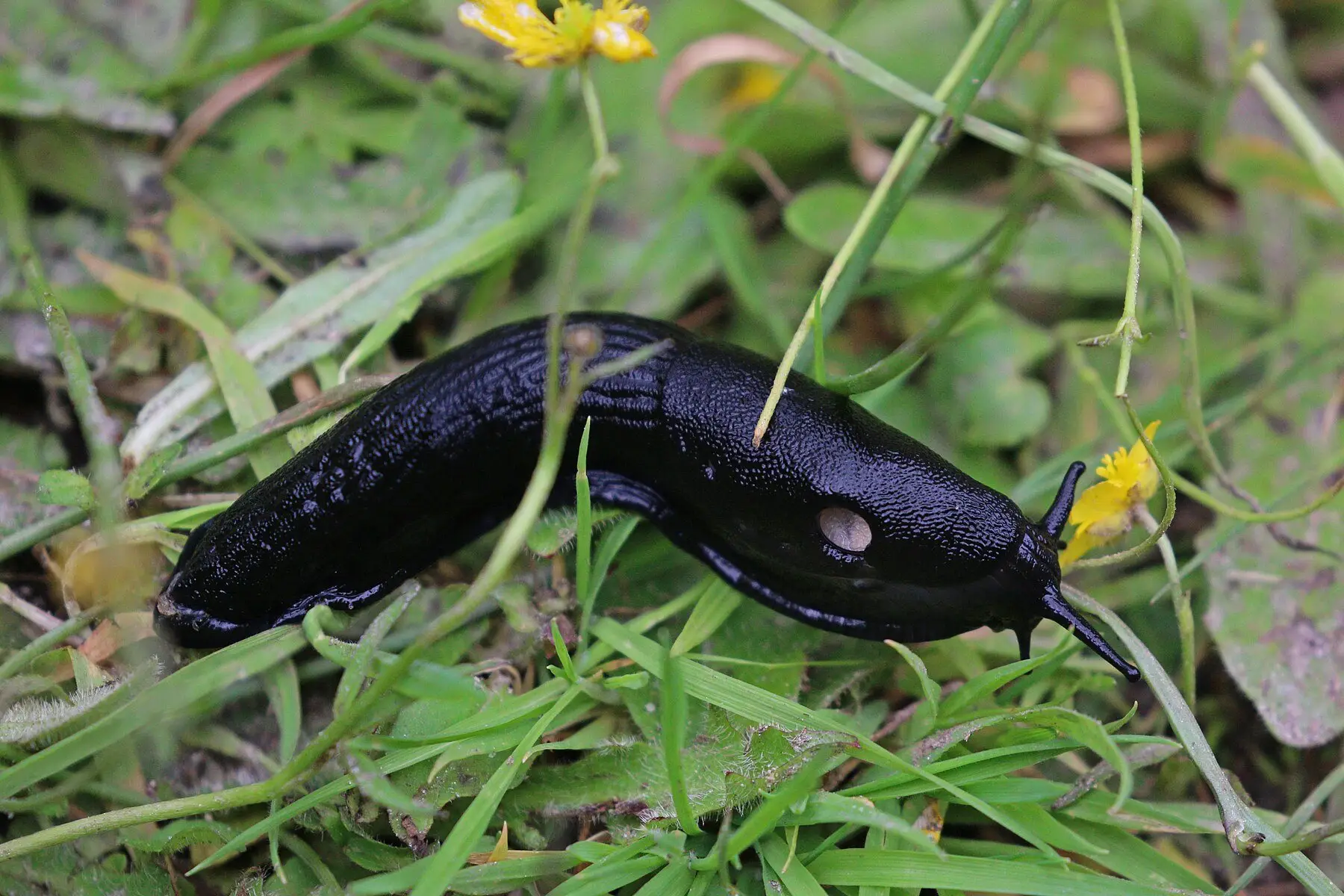
Where Do Slugs Live, and Where Do They Go in the Day?
Slugs spend daylight underground or under damp cover within feet of where they feed. Where to look, and why finding the shelter beats any barrier.