
Dairy Goat Breeds — 6 Compared on Yield and Butterfat
Dairy goat breeds trade volume against butterfat, and that decides taste. 6 compared on yield, richness and size. See which suits your holding.
 By
We may earn a commission when you buy through links on this page, at no extra cost to you.

On this page
Saanen for volume, Nubian for richness, Nigerian Dwarf for small spaces, Alpine if you want one answer. The rest of the decision is temperament, climate and how much noise your neighbours will tolerate.
The comparison
| Breed | Yield | Butterfat | Size | Notes |
|---|---|---|---|---|
| Saanen | Highest | ~3% | Large | Needs shade, sunburns |
| Alpine | High | ~3.5% | Large | Hardy, adaptable, assertive |
| Toggenburg | Good | ~3.2% | Medium | Hardiest. Divisive flavour |
| Oberhasli | Good | ~3.9% | Medium | Calm, attractive, less common |
| LaMancha | Good | ~3.9% | Med-large | Calmest temperament |
| Nubian | Moderate | 4–5% | Large | Very loud. Heat tolerant |
| Nigerian Dwarf | Low | 6%+ | Small | Best for small plots |
| Mini breeds (crosses) | Low-mod | 4–6% | Small | Middle ground |
| Guernsey / Golden | Moderate | ~3.7% | Medium | Rare, golden milk |
| Sable | High | ~3.5% | Large | A coloured Saanen, tolerates sun better |
Volume is usually not the constraint
The instinct is to compare milk yields first. For a household it is rarely the number that matters.
A single full-size doe at peak gives two to four litres a day. That is more than most families drink, before any thought of cheese. Lactation runs around 280 to 305 days, so the practical question quickly becomes what to do with the surplus rather than how to get more.
Which is why butterfat turns out to be the more useful figure. It determines how the milk tastes, how much cheese a litre yields, and how much butter you can make — and butterfat is where the breeds genuinely differ.
Two goats, minimum, before anything else
Goats are herd animals. A single goat kept alone is loud, stressed, escape-prone and difficult in every way.
A companion does not have to be a second milker — a wether is inexpensive and uncomplicated. But the space, fencing and feed must be planned for two from the start.
Choosing by what actually constrains you
Small property, one person handling them → Nigerian Dwarf, or a mini breed
You want cheese → Nigerian Dwarf or Nubian, for butterfat
Cold wet climate → Toggenburg, or Alpine
Hot climate → Nubian, or Sable rather than Saanen
Close neighbours → anything but Nubian
Children involved, or first goats → LaMancha, or Oberhasli
Selling milk, or feeding stock → Saanen or Alpine
One answer without thinking about it → Alpine
What breed cannot fix
Three things matter more than which breed you buy, and all three are management:
Nutrition. A doe on poor forage produces far less than her breed’s figures regardless of genetics. Good pasture or hay, appropriate minerals — particularly copper, where goats differ from sheep — and clean water do more for yield than any breed choice.
Handling and milk hygiene. Milk filtered and chilled quickly tastes clean; milk cooled slowly develops the tang people call goaty. A buck housed near the does taints the milk whatever breed they are. See best tasting goat milk breed for the detail.
Fencing. Goats test everything. The most common reason people give up on goats has nothing to do with milk and everything to do with finding them in the neighbour’s garden for the fourth time.
Buying
- Buy from a producer, not a sale barn, and see the mother milked if you can
- Ask about lactation records if they are kept
- Buy two, from the same place where possible
- Check udder attachment and teat size — teat size in particular determines whether hand milking is pleasant or miserable
- Have the fencing finished before the goats arrive, not after
Our picks
| # | Pick | Best for | Where to buy |
|---|---|---|---|
| 1 | Saanen | Highest yield | Check price for Saanen → |
| 2 | Nubian | Richest milk of the full-size breeds | Check price for Nubian → |
| 3 | Nigerian Dwarf | Best for small properties | Check price for Nigerian Dwarf → |
| 4 | Alpine | Best all-rounder | |
| 5 | LaMancha | Calmest temperament | |
| 6 | Toggenburg | Hardiest |
Highest yield
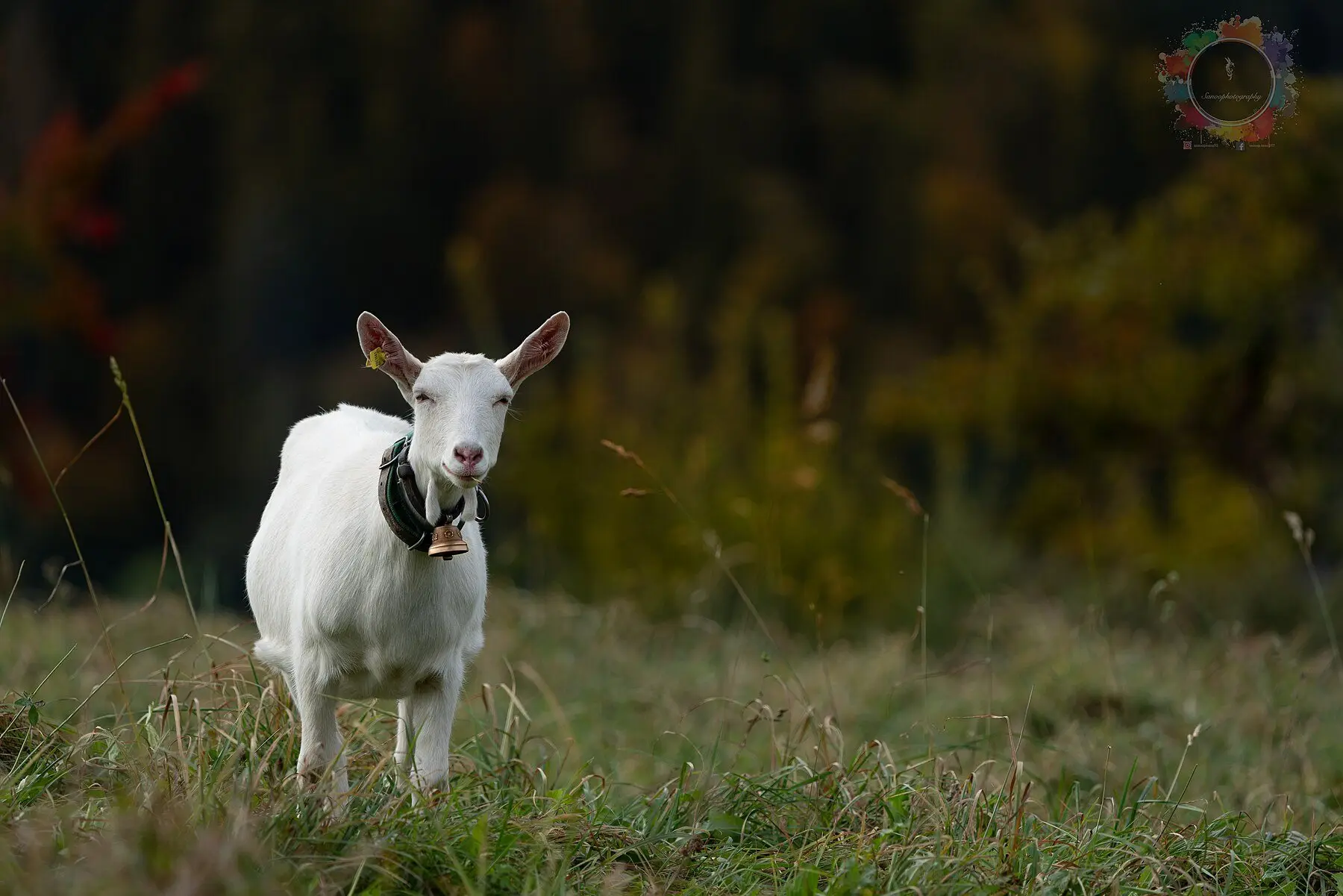
Saanen
Buy for volume if you are selling milk or feeding stock. More milk than a household can drink, and the least rich.
- Yield
- Highest of all dairy breeds
- Butterfat
- ~3%
- Size
- Large, 60–90 kg
- Temperament
- Calm, docile
What we liked
- The production breed — most milk of any dairy goat
- Calm, easy to handle and to milk
- Long, steady lactations
Worth knowing
- Lowest butterfat, so mild thin milk and less cheese per litre
- Pale skin burns easily; needs genuine shade
- Large animals need more feed and stronger fencing
Richest milk of the full-size breeds
Nubian
The flavour choice among full-size goats, and the one most likely to generate a complaint about noise.
- Yield
- Moderate
- Butterfat
- 4–5%
- Size
- Large
- Temperament
- Affectionate, extremely vocal
What we liked
- High butterfat gives sweet, creamy milk and good cheese yield
- Handles heat better than the Swiss breeds
- Affectionate and people-oriented
Worth knowing
- Genuinely loud — a serious consideration with close neighbours
- Lower volume than Saanen or Alpine
Best for small properties
Nigerian Dwarf
What we would keep on a small plot. Richer milk than a Nubian in a goat you can pick up.
- Yield
- 0.7–1.5 L/day
- Butterfat
- 6%+
- Size
- Small, 20–34 kg
- Temperament
- Friendly, manageable
What we liked
- Highest butterfat of the common dairy breeds
- One person can handle them easily
- Less space, less feed, lighter on pasture
- Often breed year-round rather than seasonally
Worth knowing
- Low absolute volume — two does are often needed
- Small teats make hand milking fiddly at first
Best all-rounder
Alpine
The sensible default for a working herd. Hardy, productive and adaptable, without excelling at any one thing.
- Yield
- High
- Butterfat
- ~3.5%
- Size
- Large
- Temperament
- Hardy, independent, assertive
What we liked
- Strong production over long lactations
- Very adaptable to varied climates and conditions
- Hardy and generally trouble-free
Worth knowing
- Assertive — tends to dominate a mixed herd
- Mid-range butterfat, so neither the richest nor the most productive
Calmest temperament
LaMancha
Underrated. If temperament matters most — children, first goats, limited handling experience — start here.
- Yield
- Good
- Butterfat
- ~3.9%
- Size
- Medium-large
- Temperament
- Notably calm and tolerant
What we liked
- Widely regarded as the easiest dairy breed to handle
- Good butterfat with solid production
- Long lactations, often holding milk well
Worth knowing
- The very small ears are divisive and sometimes mistaken for a defect
- Less widely available than Nubian or Alpine
Hardiest
Toggenburg
The choice for a cold wet climate where other breeds struggle. Flavour divides opinion more than with other breeds.
- Yield
- Good
- Butterfat
- ~3.2%
- Size
- Medium
- Temperament
- Hardy, independent
What we liked
- Extremely hardy, including in cold damp climates
- Consistent, persistent milkers
- One of the oldest established dairy breeds
Worth knowing
- Lower butterfat, and milk sometimes described as stronger flavoured
- Independent-minded and less biddable than LaMancha or Saanen
Common questions
Which dairy goat breed produces the most milk?
Which dairy goat is best for a small property?
What is a good milk yield for a dairy goat?
Which dairy goats are easiest to keep?
Do you need two goats?
Backyard Weekly
Know what to plant, week by week
Join the weekly email for seasonal jobs, fixes for what is going wrong, and gear worth buying.
Not ready to subscribe? The planting calendar is free and needs no email.
By subscribing you agree to our privacy policy. Grow In Backyard will never sell your address.
Keep reading

Uses for Bat Guano: What It Is Good For, and the Real Risks
Bat guano is a fast, high-nitrogen or high-phosphorus fertiliser depending on the bat's diet. How to use it, how to dilute it, and why the dust is dangerous.

What Attracts Lightning Bugs? Darkness, Damp and Long Grass
Fireflies need unlit, undisturbed, damp ground with leaf litter and long grass. What actually draws them in, and why porch lights drive them out.
What Chipmunks Should Not Eat: Bread, Nuts and Salt
Bread, salted nuts and chocolate do real harm to chipmunks. Which common garden offerings are safe, which are not, and why feeding them backfires anyway.

What Butterflies Need to Survive in a Backyard
Nectar flowers feed adult butterflies but cannot raise any. Caterpillars only eat specific host plants — that gap is why most butterfly gardens stay empty.