
Will Deer Eat Carrots, Cabbage and the Rest of the Veg Bed?
Deer eat nearly every vegetable worth growing, and root crops draw them in winter. What goes first, what survives, and why feeding carrots backfires.
 By
On this page
Yes to carrots, yes to cabbage, and yes to most of the bed. The useful question is not what deer eat — it is what survives, and what the fence needs to look like.
What goes first
| Risk | Crops |
|---|---|
| Eaten first | Beans, peas, lettuce, chard, spinach, sweet potato vines |
| Eaten readily | Carrot tops, beet tops, cabbage, kale, broccoli, sprouts, turnip tops |
| Eaten | Sweetcorn, strawberries, apples, plum and fruit tree shoots |
| Browsed if hungry | Tomato fruit (not foliage), pepper, aubergine |
| Usually left | Cucumber, squash, pumpkin — prickly foliage |
| Rarely touched | Onion, garlic, leek, chive; rhubarb, asparagus foliage |
| Almost never | Rosemary, sage, thyme, mint, lavender, oregano |
Brassicas deserve the warning. They are used deliberately in food plots because the leaves sweeten after frost, becoming more attractive through autumn and winter — exactly when other food is scarce. An unprotected autumn brassica bed is at far higher risk than a summer one.
Carrots specifically
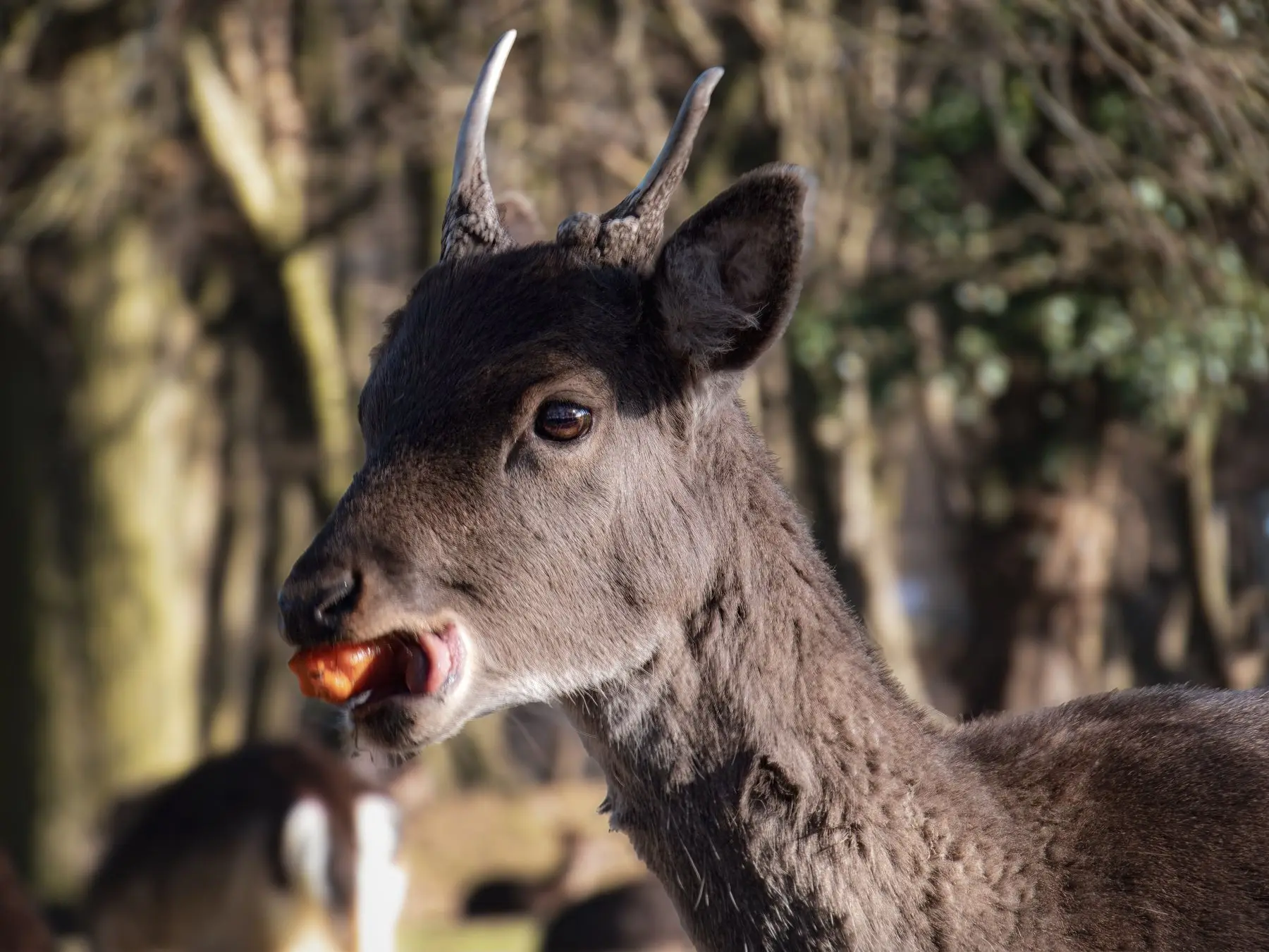
- Tops first, always. Tender, above ground, and the first thing browsed
- Roots once the shoulders are exposed or the ground is soft enough to pull them
- Cut tops back and mound soil over the shoulders if the bed is unfenced. It helps a little
- A deer that finds the carrot bed comes back, which is the real cost of one bad night
Why not to feed them
Sugary feed can kill a deer in winter
A deer’s rumen in winter is adapted to woody browse — twigs, buds, bark — with a microbial population to match. A sudden load of carrots, grain or corn can cause rumen acidosis, which is sometimes fatal.
Deer have been found dead with full stomachs of supplied feed. Their gut could not process it.
Feeding also concentrates animals, spreading chronic wasting disease and parasites, which is why many state wildlife agencies restrict or ban winter feeding outright.
And practically: a fed deer stops being wary, brings others, and comes back for the garden when the handouts stop.
Fencing, which is the only real answer
| Method | Verdict |
|---|---|
| 8 ft fence | The standard. Works |
| Two parallel 4–5 ft fences, 4–5 ft apart | Works — deer judge depth poorly |
| Electric fence, baited | Effective, needs maintenance |
| Netting over individual beds | Good for small areas |
| Slanted fence, 6 ft at 45° | Works, takes space |
| Repellents | Partial, needs constant reapplication |
| Dog in the yard | Genuinely effective |
| Fishing line at 3 ft | Occasionally works, unreliable |
| Soap, hair, ultrasonic, lights | No |
A fence that fails is nearly always too short, or has a gap at the bottom. A deer clears six feet comfortably, and will go under anything it can.
Two short fences beat one tall one
Deer jump high but judge depth badly, and will not leap into a space they cannot read the far side of. Two four-foot fences set four to five feet apart stop them as reliably as an eight -foot fence, and are far easier to put up and look at.
The gap between them makes a good path, or a strawberry bed.
If fencing is not possible
- Protect the highest-value beds only. Netting or a cage over the lettuce and beans does more than a repellent over everything
- Plant the safe list at the perimeter — alliums and strong herbs around the outside
- Rotate repellents, egg-based ones first, reapplying after rain and after new growth. Check the label for use on edible crops, since many are not approved for them
- Harvest promptly. A ripe crop left standing is an invitation
- Clear the cover near the garden, so there is no easy approach
- Motion-activated sprinklers work well and keep working, because water is startling in a way a noise is not
Ornamentals, while you are at it
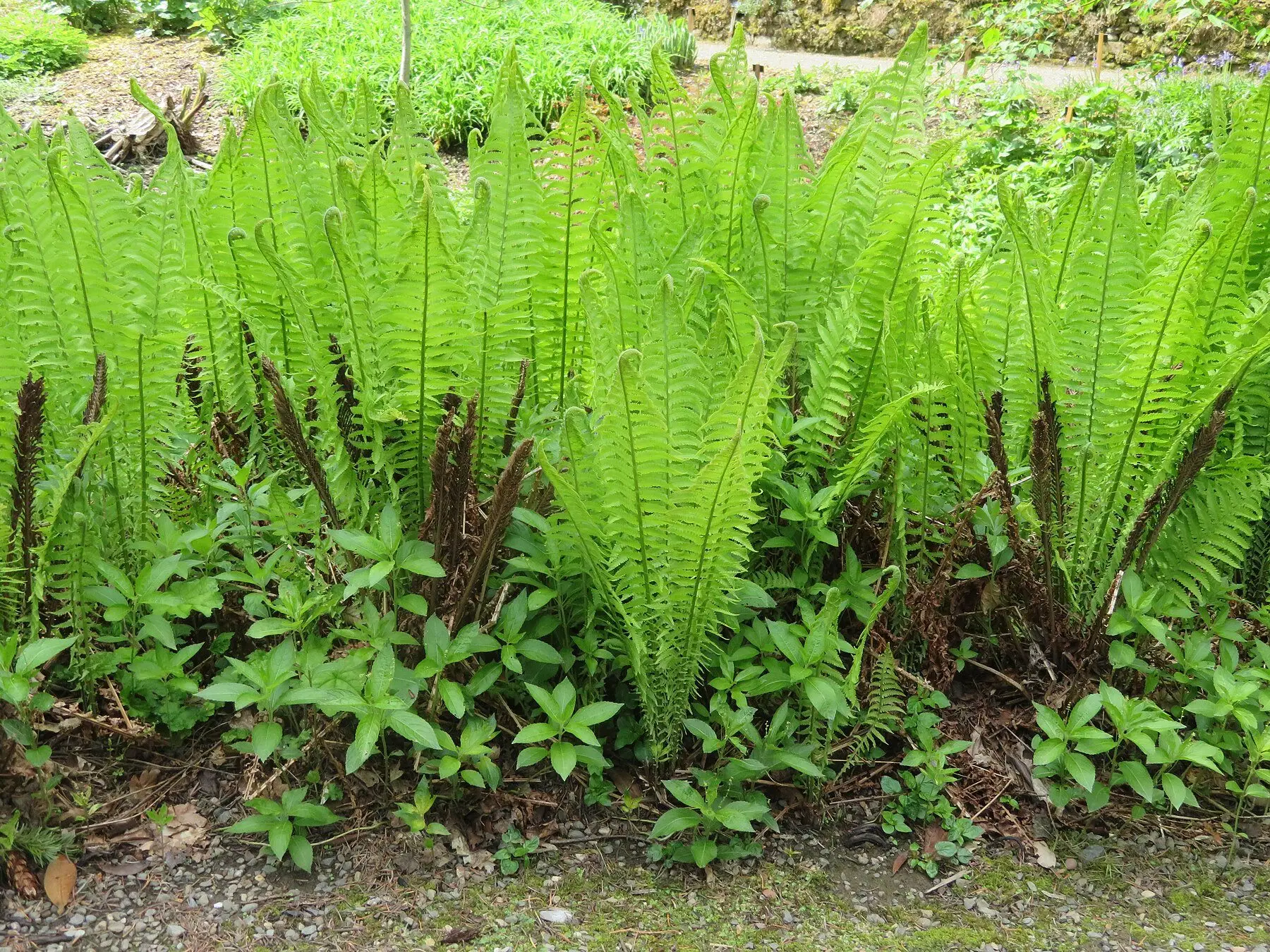
The same pressure hits the flower beds. Hostas, daylilies, tulips and roses are the four things deer will find anywhere, and daffodils, alliums, ferns, hellebores, foxglove, lavender and ornamental grasses are the ones that generally survive.
The pattern across both lists is the same: aromatic, fuzzy, spiny or toxic survives; soft, sweet and tender does not.
Common questions
Will deer eat carrots?
Can deer eat cabbage and other brassicas?
What vegetables do deer not eat?
How do I actually keep deer out of a vegetable garden?
Do deer repellents work on vegetables?
Should I feed deer carrots in winter?
Backyard Weekly
Know what to plant, week by week
Join the weekly email for seasonal jobs, fixes for what is going wrong, and gear worth buying.
Not ready to subscribe? The planting calendar is free and needs no email.
By subscribing you agree to our privacy policy. Grow In Backyard will never sell your address.
Keep reading
Raccoon Proof Deer Feeder — 5 Fixes That Keep Coons Out
A raccoon proof deer feeder needs a barrier raccoons cannot climb. 5 fixes compared, including retrofits. See which suits your feeder.
Why Do Deer Snort Wheeze? It Is a Buck Threatening a Rival
The snort-wheeze is an aggressive buck call, not an alarm. How to tell it from the alarm blow, when you hear each, and what the deer does next.
What Do Deer Eat? Garden Plants and What Not to Feed Them
Deer will eat far more of a garden than most plant lists admit, and a few backyard treats are genuinely dangerous. What is safe to feed, and what to skip.
Do Deer Eat Ferns? Mostly Not, and the Exceptions Matter
Ferns are among the most reliably deer-resistant plants in a shaded garden — with a few species deer do browse, and one condition that overrides it.