
Groundhog Burrow Under a Shed: How Bad Is It, Really?
A groundhog under a shed moves a surprising amount of soil. How to tell if it is occupied, what it threatens structurally, and how to evict one legally.
 By
On this page
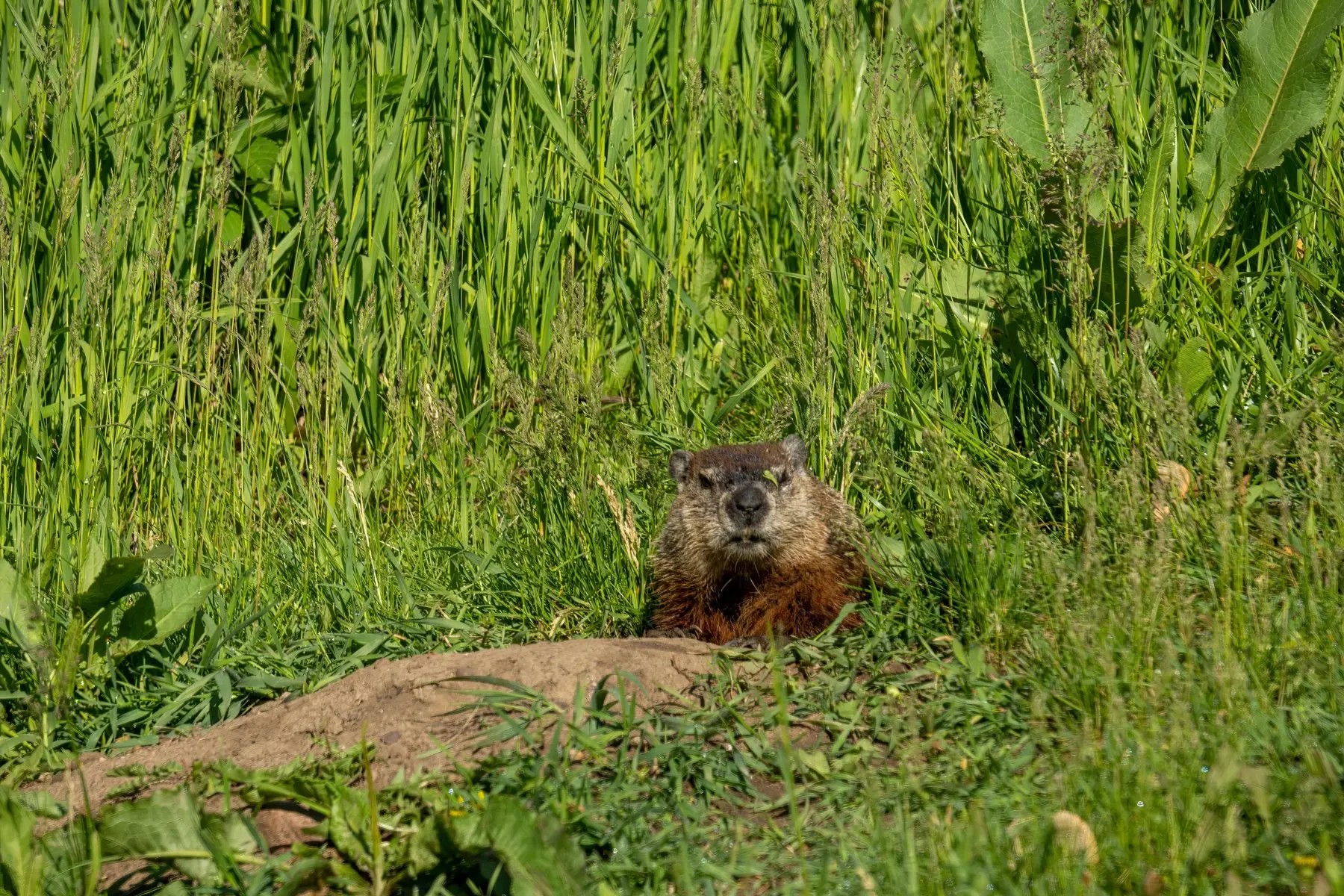
It depends on what the shed sits on. A groundhog digs 15 to 45 feet of tunnel and shifts several hundred pounds of soil. Under a slab edge or a pier that means settlement. Under a shed on skids over gravel it is usually just a nuisance.
How much digging you are dealing with
| Typical | |
|---|---|
| Total tunnel | 15–45 ft |
| Depth | 2–5 ft below grade |
| Entrances | 2–5 — main one with a spoil heap, others hidden |
| Soil moved | Several hundred pounds |
| Chambers | Nest, latrine, and a separate hibernation chamber |
The hidden entrances matter. Groundhogs dig secondary holes from below, so they have no spoil heap and are easy to miss. Finding one hole does not mean there is one hole.
Does it actually threaten the shed?
This is the question worth answering before spending money.
| Foundation | Risk | Why |
|---|---|---|
| Concrete slab | High at the edges | Soil removed from under the perimeter; the slab cracks or tips |
| Piers or blocks | High | Each pier depends on the soil directly beneath it |
| Timber skids on gravel | Low | Load spreads; gravel bridges small voids |
| Shed on a deck frame | Low | Not bearing on the burrowed soil |
The burrow does not undermine the shed. The voids do.
A groundhog is not chewing the structure. It is removing the material the structure is standing on, and the damage appears later as settlement — a door that stops latching, a visible dip, a cracked slab corner.
That is why the foundation type decides the urgency, and why a shed on skids can host a groundhog for years with nothing to show for it.
Confirm it is occupied first
Everything else depends on this.
- Loosely plug every entrance with crumpled newspaper or a handful of straw
- Leave it two or three days, in dry weather
- Reopened quickly and cleanly = occupied
Other signs pointing the same way: fresh soil fanned at the mouth, clipped vegetation nearby, and a worn approach path through the grass.
Timing the eviction
Spring and late autumn are both the wrong time
- Spring to early summer — dependent young may be underground. Sealing or evicting the adult leaves them to die inside
- Late autumn — you may be sealing in a hibernating animal
Late summer to early autumn is the window. In most of the range young are independent by about July.
Check local wildlife law before acting. In some places groundhogs are protected, and in others the method and the timing are regulated.
Getting it out, and keeping it out
The order matters more than the tools.
- Make the site unattractive — cut back cover near the shed, clear fallen fruit and brush piles
- Fit a one-way door over the main entrance, once you are confident no young are present. The animal leaves and cannot return
- Confirm it has gone — replug and recheck
- Backfill the tunnel mouths with soil, tamped in layers rather than tipped in loose
- Bury hardware cloth around the shed perimeter, at least a foot deep, with the bottom bent outward into an L so a digger meets wire when it tries to go under
Skipping straight to filling is the common mistake
Filling an occupied burrow either traps the animal or teaches it to redig somewhere less convenient — often further under the shed, where you cannot reach it.
And filling without fitting the barrier just hands a prepared site to the next one.
Why an empty burrow does not stay empty
Groundhog diggings are a habitat resource, and the local wildlife knows it.
Skunks, foxes, rabbits, opossums and rats all move into abandoned burrows. That is the real argument for closing the site properly rather than congratulating yourself when the groundhog leaves.
Common questions
Is a groundhog under my shed a serious problem?
How do I tell whether the burrow is still occupied?
When is it safe to evict a groundhog?
How do you get a groundhog out from under a shed?
Can I just fill the burrow in?
Will the burrow attract other animals?
Backyard Weekly
Know what to plant, week by week
Join the weekly email for seasonal jobs, fixes for what is going wrong, and gear worth buying.
Not ready to subscribe? The planting calendar is free and needs no email.
By subscribing you agree to our privacy policy. Grow In Backyard will never sell your address.
Keep reading
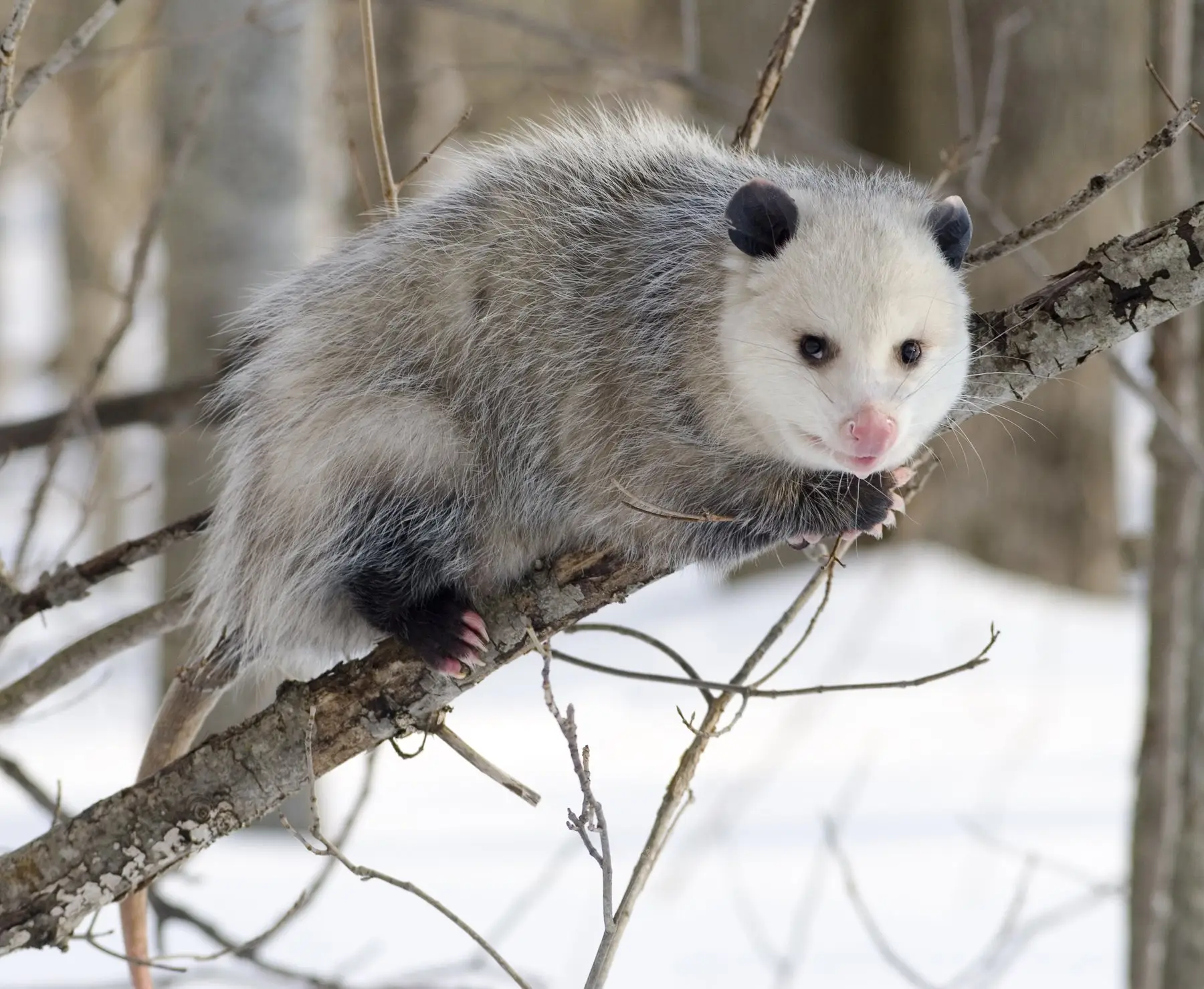
Do Possums Live Underground? Where Opossums Actually Den
Opossums use burrows but almost never dig them. What they take over, why they move every few days, and how to tell an opossum hole from a groundhog's.
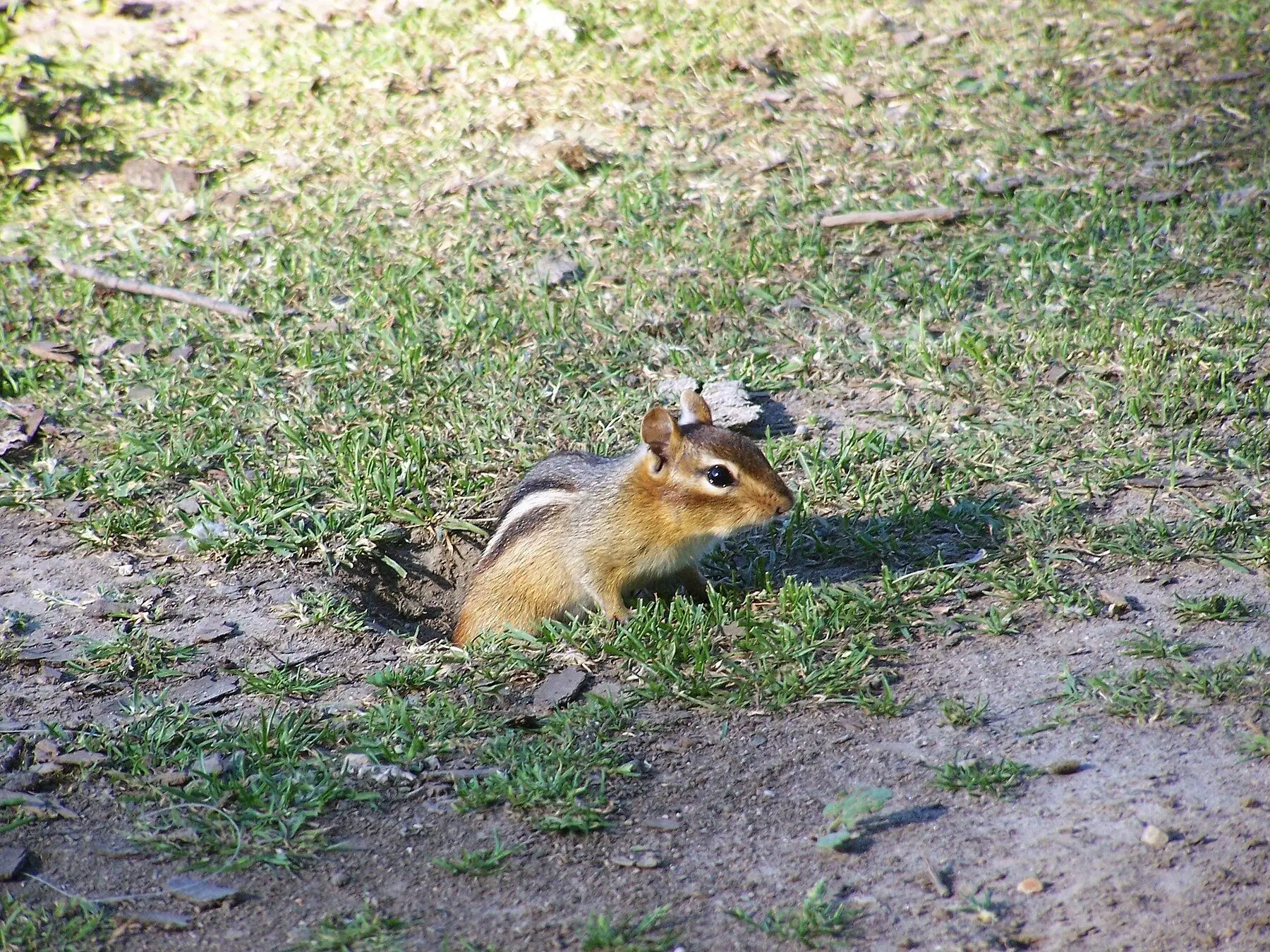
How to Fill Chipmunk Holes (and Why Filling Rarely Works)
A chipmunk reopens a filled hole in a day. What actually stops the tunnelling, how to tell a chipmunk hole from a vole or rat hole, and when to worry.
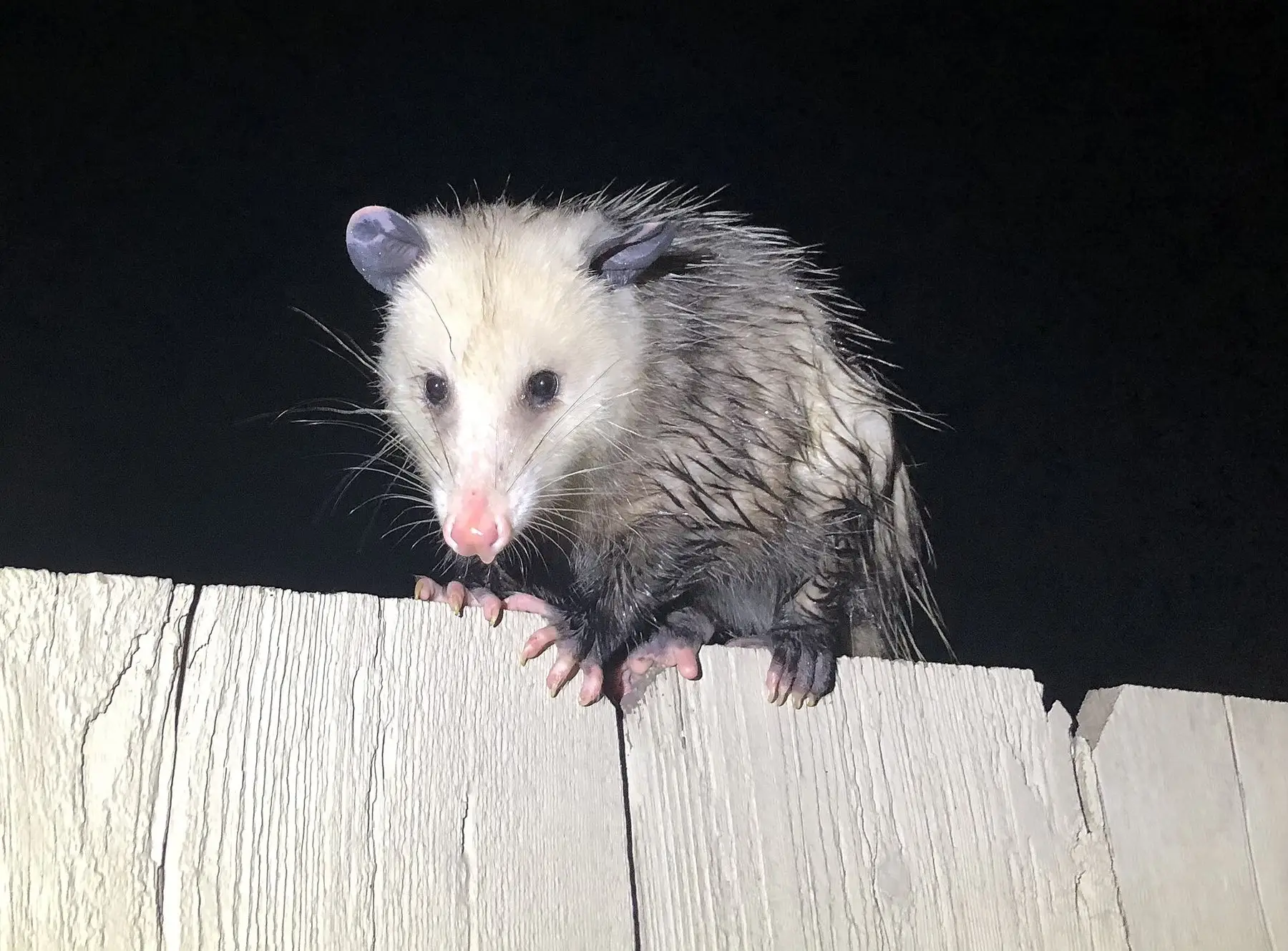
Can Possums Climb? Fences, Trees, and What Stops Them
Opossums are capable, deliberate climbers with a grasping tail built for it. What that means for fencing them out, and where they actually can't get a grip.
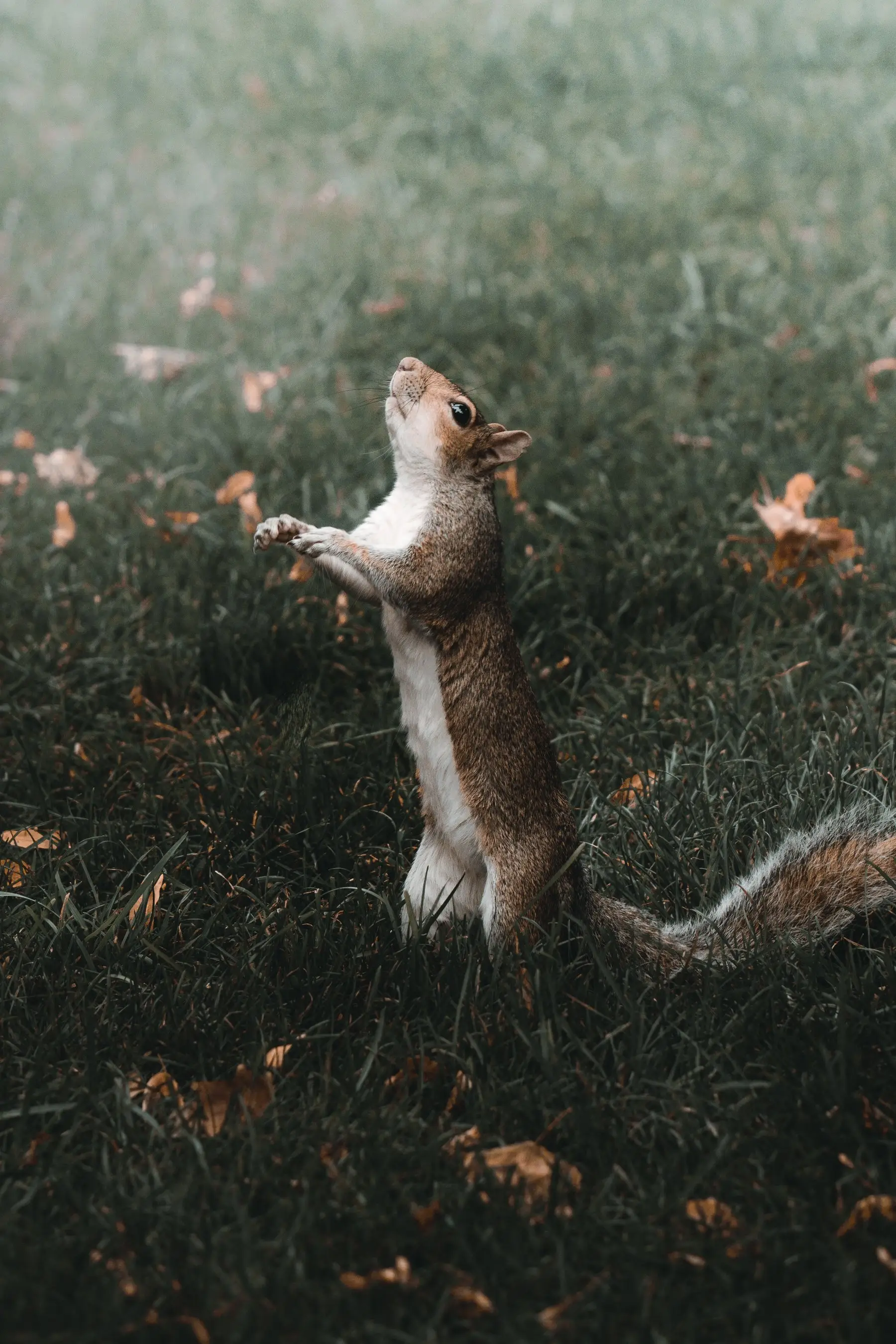
How Big Are Squirrels? Weights and Sizes by Species
A grey squirrel weighs about a pound; a flying squirrel weighs two ounces. Sizes across the common species, and why the tail is half the length.