
Do Squirrels Have Fleas? And Can They Reach Your Pets?
Squirrels carry fleas, lice, mites and ticks, but squirrel fleas rarely settle on cats and dogs. The real risk is a nest left in a roof.
 By
We may earn a commission when you buy through links on this page, at no extra cost to you.

On this page
Yes — fleas, lice, mites and ticks, routinely. But squirrel fleas do not settle on cats and dogs, and the case that actually causes trouble is a nest left in a roof.
What squirrels carry
| Parasite | Notes |
|---|---|
| Squirrel flea (Orchopeas howardi) | Host-specific. Bites others, settles on squirrels |
| Ticks | Black-legged and others. The one that matters most |
| Mange mites | Cause the bald, scabby squirrels people notice |
| Lice | Species-specific; no interest in you |
| Botfly larvae (“warbles”) | Lumps under the skin in late summer. Looks awful, usually harmless |
| Internal parasites | Not transmissible by casual contact |
Why your dog is probably fine
Host specificity is the whole answer. A squirrel flea can bite a dog or a person, but it cannot sustain a breeding population on one — it needs squirrels to complete its life cycle.
Cat fleas (Ctenocephalides felis), which cause essentially every household infestation, are the opposite: they use cats, dogs, foxes and rabbits interchangeably and breed happily in carpets and bedding.
A pet that catches a squirrel rarely gets fleas from it
It is the assumption people make, and it is mostly wrong. If your dog has fleas, the likely source is another dog, a cat, a fox, or the previous occupants of your carpet — not the squirrel in the oak tree.
Keep pets on effective flea prevention and the question mostly stops arising.
The situation that does cause problems
A nest abandoned in an attic, soffit or wall void.
Fleas and their larvae stay in the nesting material after the squirrels have gone, and once there is no host, hungry adult fleas disperse looking for any warm body — which means down into the living space, usually within days. This is when most people notice.
Dealing with it properly:
- Exclude the squirrels first — one-way doors, then seal. Never seal with young inside
- Remove all nesting material. Gloves and a dust mask, bagged rather than swept
- Treat the space — vacuum thoroughly, and use an appropriate insecticide in the void
- Check pets are on effective prevention
- Vacuum living areas daily for a week or two, emptying outside
- Seal properly with half-inch hardware cloth or metal flashing
Rabies is the disease people ask about next, and the answer is reassuring for a different reason — see can squirrels get rabies.
Ticks are the bigger issue
Squirrels host ticks, including black-legged ticks, and are part of the local tick cycle in wooded and suburban gardens — though white-footed mice are the more important reservoir for the Lyme bacterium.
What actually helps is garden management, not squirrel management:
- Keep grass short at the woodland edge, where the tick density is highest
- Clear leaf litter and brush piles near paths and seating
- A three-foot gravel or wood chip strip between lawn and woodland is a recognised barrier
- Check yourself, children and pets after time outdoors
- Keep pets on tick prevention
The bald, scabby squirrel
Common, alarming to look at, and usually not something to act on.
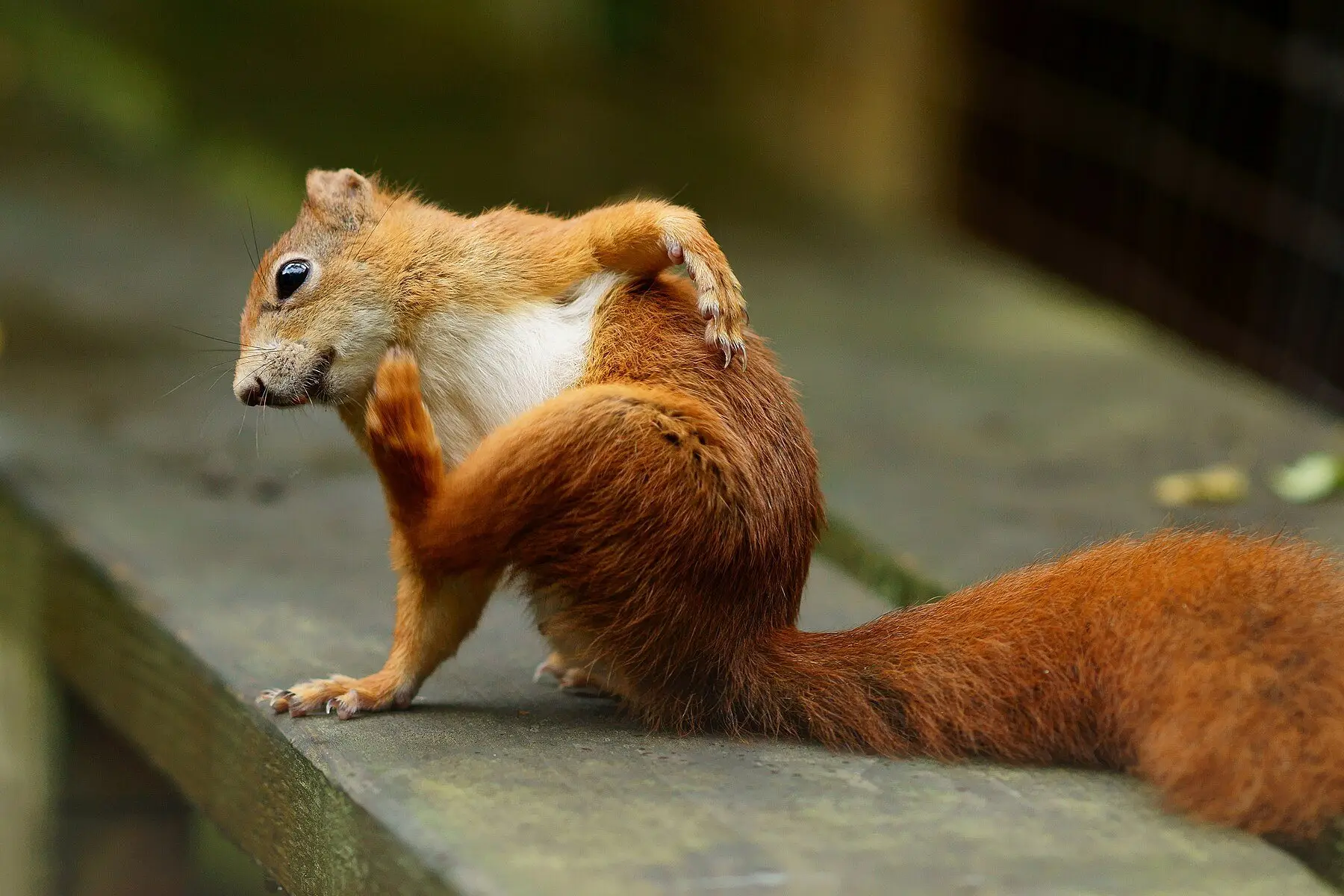
- Mange — mites burrowing in the skin. Patchy hair loss, thickened grey skin, constant scratching. Not usually fatal in itself, but a squirrel without fur going into winter often does not survive it
- Squirrel pox — wart-like lumps around the face and feet. A virus, and often worse than mange
- Botfly warbles — lumps under the skin in late summer, with a breathing hole. Looks horrifying; the larva leaves and the squirrel is generally fine
Neither mange nor pox is normally treated in wild animals, and home remedies passed around for treating mange in wildlife — ivermectin in food, most commonly — risk dosing non-target animals. Keep your distance, keep pets away, and report a serious case to a wildlife rehabilitator rather than intervening.
Can you catch anything
Bites, mostly.
- Squirrel fleas and mites bite people opportunistically, leaving itchy welts usually around the ankles. They cannot establish on a human host
- Sarcoptic mange mites can cause a temporary itchy rash that resolves on its own, because they cannot complete their life cycle on people
- The genuine exception: in a few western US regions, ground squirrel fleas can carry plague. This is why dead ground squirrels should not be handled and why a die-off should be reported to the county health department
For tree squirrels in a garden, the honest summary is that they carry plenty and pass on very little — provided their nest is not inside your house.
Our picks
| # | Pick | Best for | Where to buy |
|---|---|---|---|
| 1 | Vet-recommended flea prevention for cats and dogs | Where the real risk sits | Check price for Vet-recommended flea prevention for cats and dogs → |
| 2 | Diatomaceous earth, food grade | For an abandoned nest site, not the lawn | Check price for Diatomaceous earth, food grade → |
| 3 | Heavy-duty gloves and contractor bags | For clearing the nest itself | Check price for Heavy-duty gloves and contractor bags → |
Where the real risk sits
Vet-recommended flea prevention for cats and dogs
The honest answer to 'can squirrel fleas reach my pet' is that prevention on the pet matters far more than anything you spray outdoors.
- Protects
- The pet, not the yard
- Form
- Spot-on or oral, by weight
- Frequency
- Monthly in most products
What we liked
- Squirrel fleas rarely settle on pets, but ticks from the same nests do
- Year-round cover costs less than one infestation treatment
Worth knowing
- Dose is by body weight; the wrong size is the usual error
- Cat products and dog products are not interchangeable, and permethrin kills cats
For an abandoned nest site, not the lawn
Diatomaceous earth, food grade
The right tool for the void a nest was removed from. The wrong tool for a garden, where it will be wet by morning.
- Grade
- Food grade only
- Works
- Only while completely dry
- Where
- Attic voids, soffits, nest debris
What we liked
- Mechanical, not chemical, so nothing builds resistance to it
- Safe around the house in a way that residual sprays are not
Worth knowing
- Useless once damp, which rules out most outdoor use
- Irritates lungs during application; a mask is not optional
For clearing the nest itself
Heavy-duty gloves and contractor bags
Fleas live in the nest, not on the squirrel in any great number. Clearing the nest after the animals have gone is the step that actually works.
- Why
- Nest debris carries the fleas and mites
- Gloves
- Leather or nitrile-coated
What we liked
- The nest material is the reservoir — removing it ends the problem
- Bagging on the spot stops it being carried through the house
Worth knowing
- Never clear an active nest with young in it; that is a rehabilitator's job
Common questions
Do squirrels have fleas?
Can squirrels give my dog or cat fleas?
Do squirrels carry ticks?
What is the bald or scabby squirrel I keep seeing?
Can I catch anything from squirrel fleas or mites?
How do I deal with fleas after removing a squirrel nest?
Backyard Weekly
Know what to plant, week by week
Join the weekly email for seasonal jobs, fixes for what is going wrong, and gear worth buying.
Not ready to subscribe? The planting calendar is free and needs no email.
By subscribing you agree to our privacy policy. Grow In Backyard will never sell your address.
Keep reading
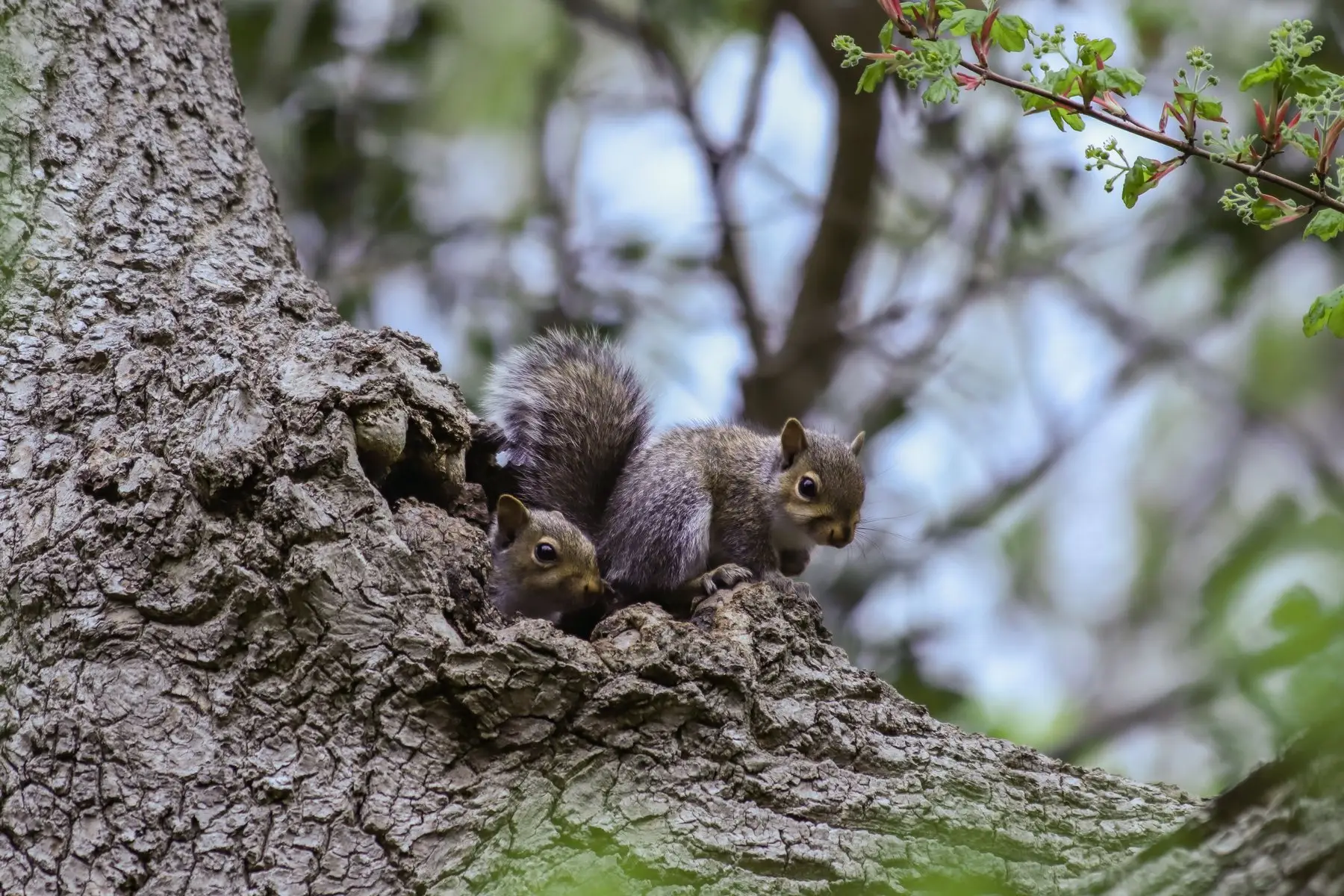
Where Do Squirrels Sleep at Night? Dreys, Dens and Your Roof
Squirrels sleep in leaf dreys and tree cavities, keep several nests each, and share them for warmth in winter. How to tell a drey from a bird nest.
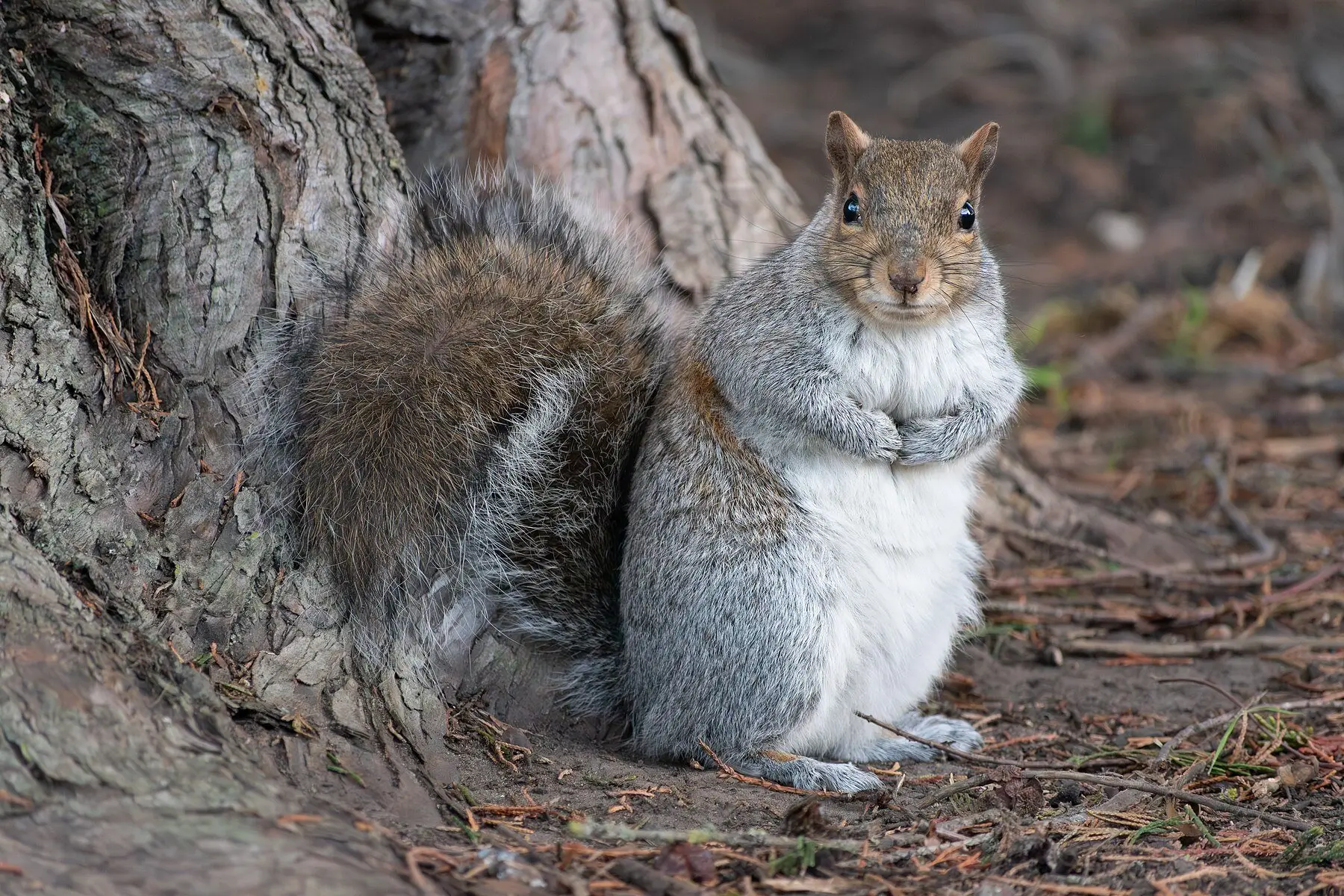
Can Squirrels Get Rabies? What the Bite Data Actually Says
Squirrels can carry rabies in theory but almost never do, and no US case of human rabies has been traced to one. What to do if you are bitten.
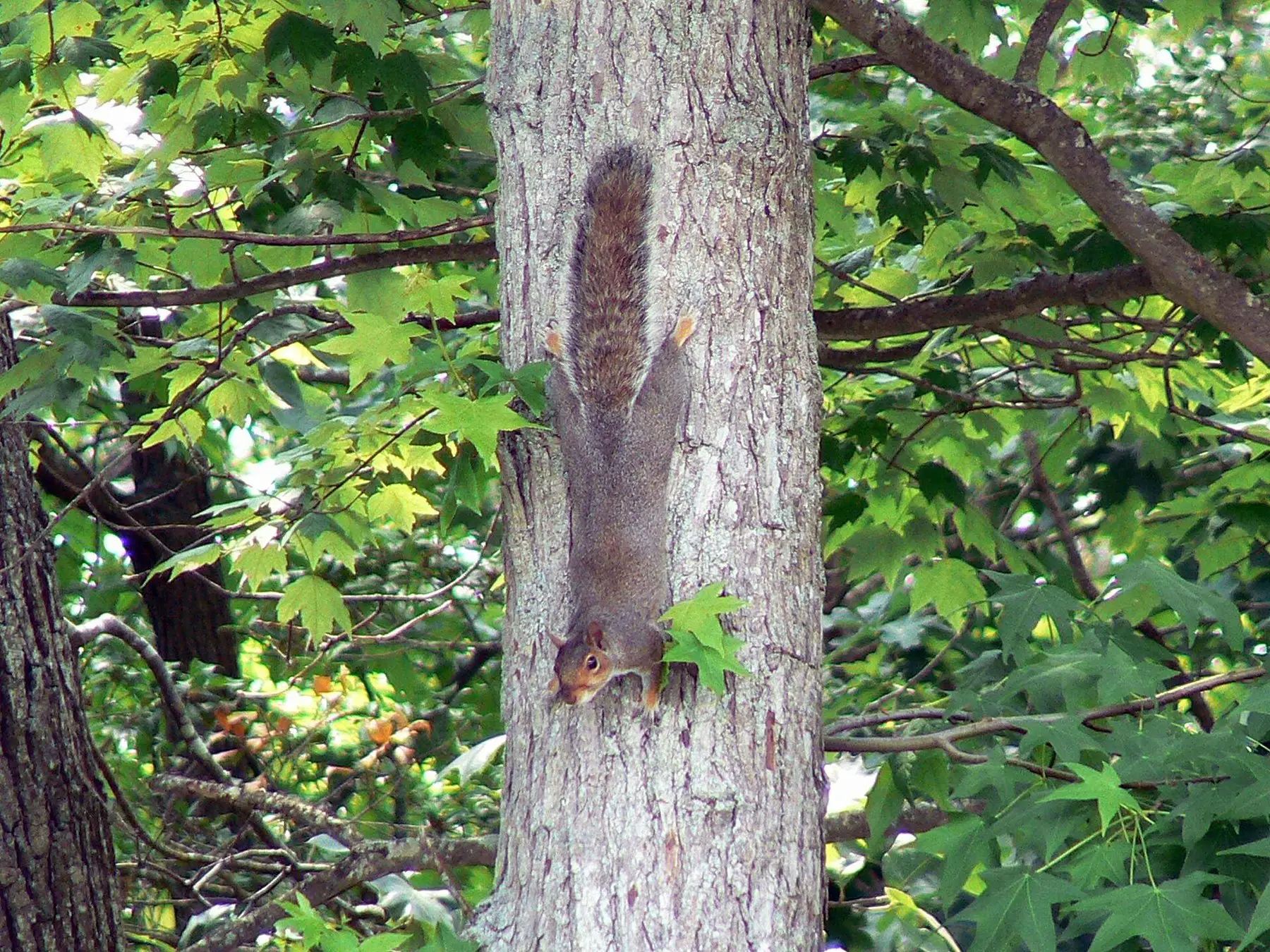
How Long Do Squirrels Live? Wild vs. What You'd Expect
Wild squirrels rarely see old age — most die in their first year. The realistic lifespan by species, and why the number is so much lower than people assume.
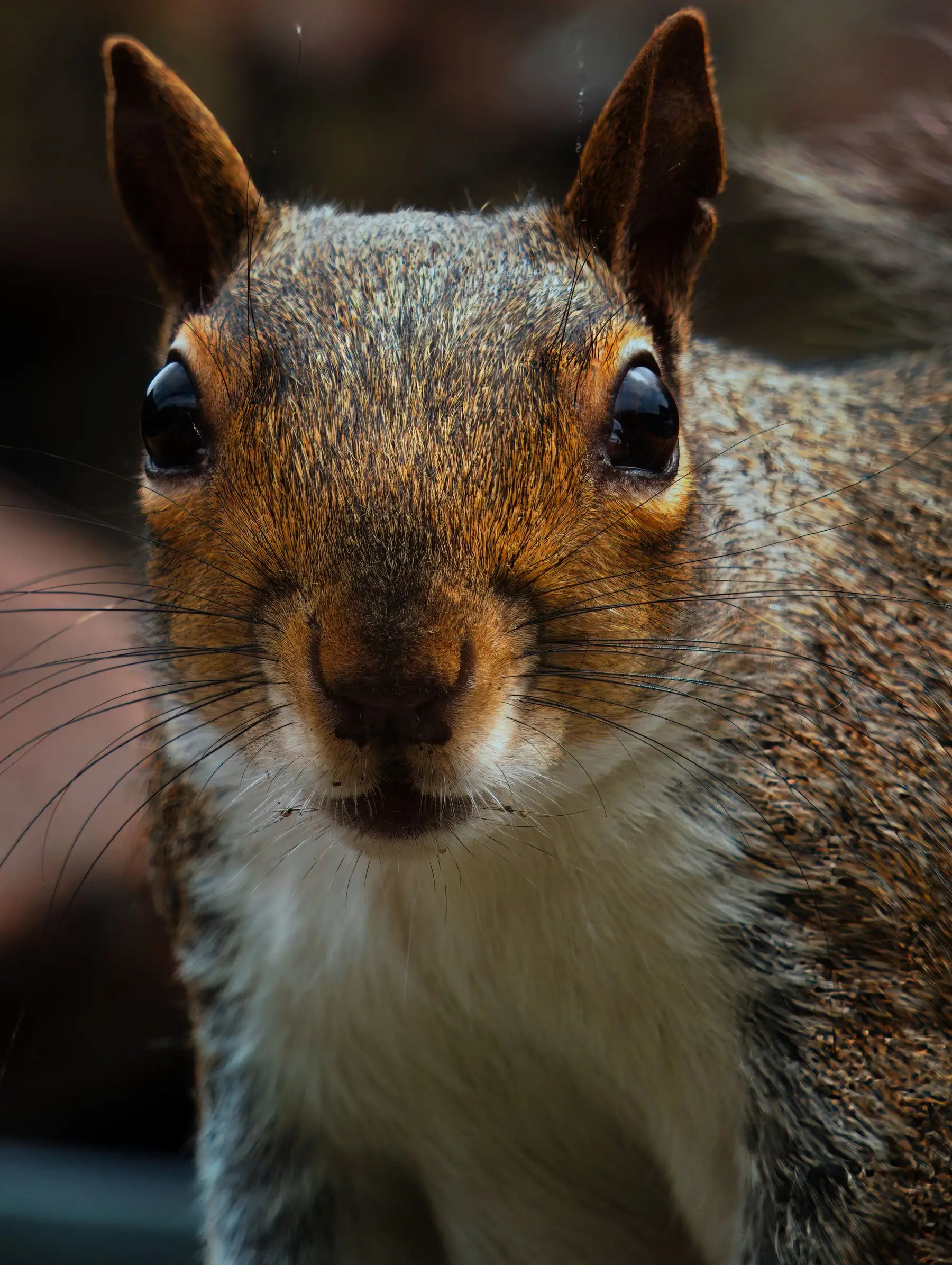
Do Squirrels Have Good Eyesight? Sharp, Wide, and Colour-Blind
Squirrel vision is excellent for spotting movement and judging a jump, but they see only two colours. What that means for feeders and deterrents.