
Can Squirrels Eat Raisins? Safe for Them, Lethal for Dogs
Raisins are harmless to squirrels and toxic to dogs, which is the real reason not to scatter them. What they provide, and the safer things to offer.
 By
On this page
Safe for the squirrel. Potentially lethal for a dog that finds them — which is the part that actually decides whether you should put them out.
The dog problem
This is the reason to say no, and it has nothing to do with squirrels.
Grapes and raisins cause acute kidney failure in dogs. What makes them unusually dangerous:
- The toxic dose is unpredictable. Some dogs react to very small amounts, others tolerate more, and there is no way to know in advance which dog you have
- The mechanism is still not fully understood, so there is no reliable safe threshold
- Onset can be delayed, which means the connection is often missed
- A handful on a lawn is exactly where a dog finds them
If a dog eats raisins, ring the vet immediately
Do not wait for symptoms. Treatment is far more effective before kidney damage develops, and “it was only a few” is not reassurance given how variable the dose response is.
This applies to grapes, raisins, sultanas and currants alike.
A garden is not a sealed space. Dogs walk through it, visit it, and get walked past it. That is enough reason to keep raisins out of the feeding rotation entirely.
For the squirrel itself
| Raisins | Nuts in the shell | |
|---|---|---|
| Sugar | Very high | Low |
| Protein | Low | Moderate |
| Fat | Very low | High — winter stores |
| Calcium | Very low | Low, better balanced |
| Work to eat | None | Gnawing, which wears the teeth |
| Toxic to squirrels | No | No |
Harmless in themselves, poor as a staple. The concern is the same as for corn and peanuts: metabolic bone disease is the commonest diet-related condition rehabilitators see in squirrels, and it comes from diets heavy in seed, corn, peanuts and sweet treats where the calcium to phosphorus ratio is wrong.
Occasional raisins do nothing. A raisin habit contributes.
The same is true of the bird-table standby: sunflower seeds are taken just as readily and fail the ratio just as badly.
Chipmunks
Same answers, with one adjustment: chipmunks are much smaller, so a given quantity is a far larger share of daily intake than it would be for a grey squirrel. They will also pouch them enthusiastically and cache them, which spreads the sugar out but does not change the arithmetic.
What to offer instead
- Walnuts, hazelnuts, hickory nuts, acorns — in the shell, unsalted, unroasted
- Pecans, almonds in moderation
- A little fresh fruit or vegetable
- Nothing salted, roasted or flavoured. Squirrels handle salt poorly
- Small amounts, scattered, rather than a fixed feeding station
And the honest position on feeding
Squirrels do not need it. They are exceptional foragers and a garden squirrel is not short of food, so feeding is for your enjoyment — which is a perfectly good reason, as long as it is the stated one.
It does have costs:
- Fed squirrels lose their wariness, and a squirrel with no fear of hands eventually bites one
- Feeding stations concentrate animals, which spreads parasites and disease
- Spilled food draws rats
- Habituated squirrels get into roofs and bins more readily
Small amounts, occasionally, scattered rather than stationed, and nothing that harms the dog next door.
Common questions
Can squirrels eat raisins?
Are raisins bad for squirrels in any way?
Why should I not scatter raisins outdoors?
Can chipmunks eat raisins too?
What should I feed squirrels instead?
Do squirrels need feeding at all?
Backyard Weekly
Know what to plant, week by week
Join the weekly email for seasonal jobs, fixes for what is going wrong, and gear worth buying.
Not ready to subscribe? The planting calendar is free and needs no email.
By subscribing you agree to our privacy policy. Grow In Backyard will never sell your address.
Keep reading
Best Bird Seed for Tube Feeders — 5 That Never Clog
The best bird seed for tube feeders is sized to the port. 5 seeds compared on pouring, clogging and mess. See which matches your feeder's ports.
Where Do Squirrels Sleep at Night? Dreys, Dens and Your Roof
Squirrels sleep in leaf dreys and tree cavities, keep several nests each, and share them for warmth in winter. How to tell a drey from a bird nest.
What Not to Feed Squirrels (And Whether to Feed Them at All)
Peanuts, bread, chocolate and salted nuts all cause real harm. The safe list, why corn is worse than it looks, and the case against feeding squirrels.
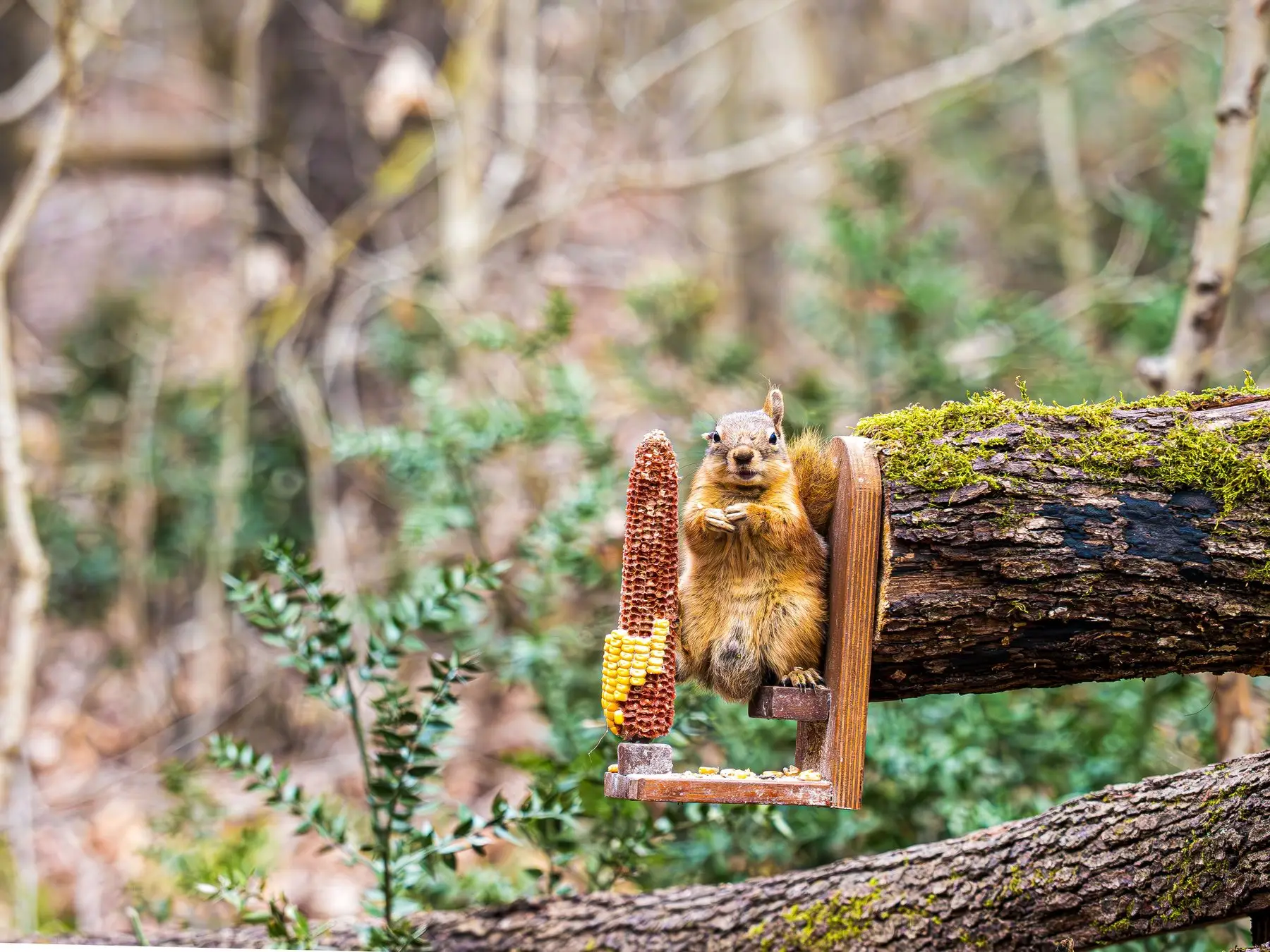
Can Squirrels Eat Corn? Yes, and Why Not to Feed It
Corn is safe but close to junk food for a squirrel, and a bag left damp grows a mould that kills. What it does and does not provide.