
Where Do Squirrels Go When It Snows? Into the Drey, Together
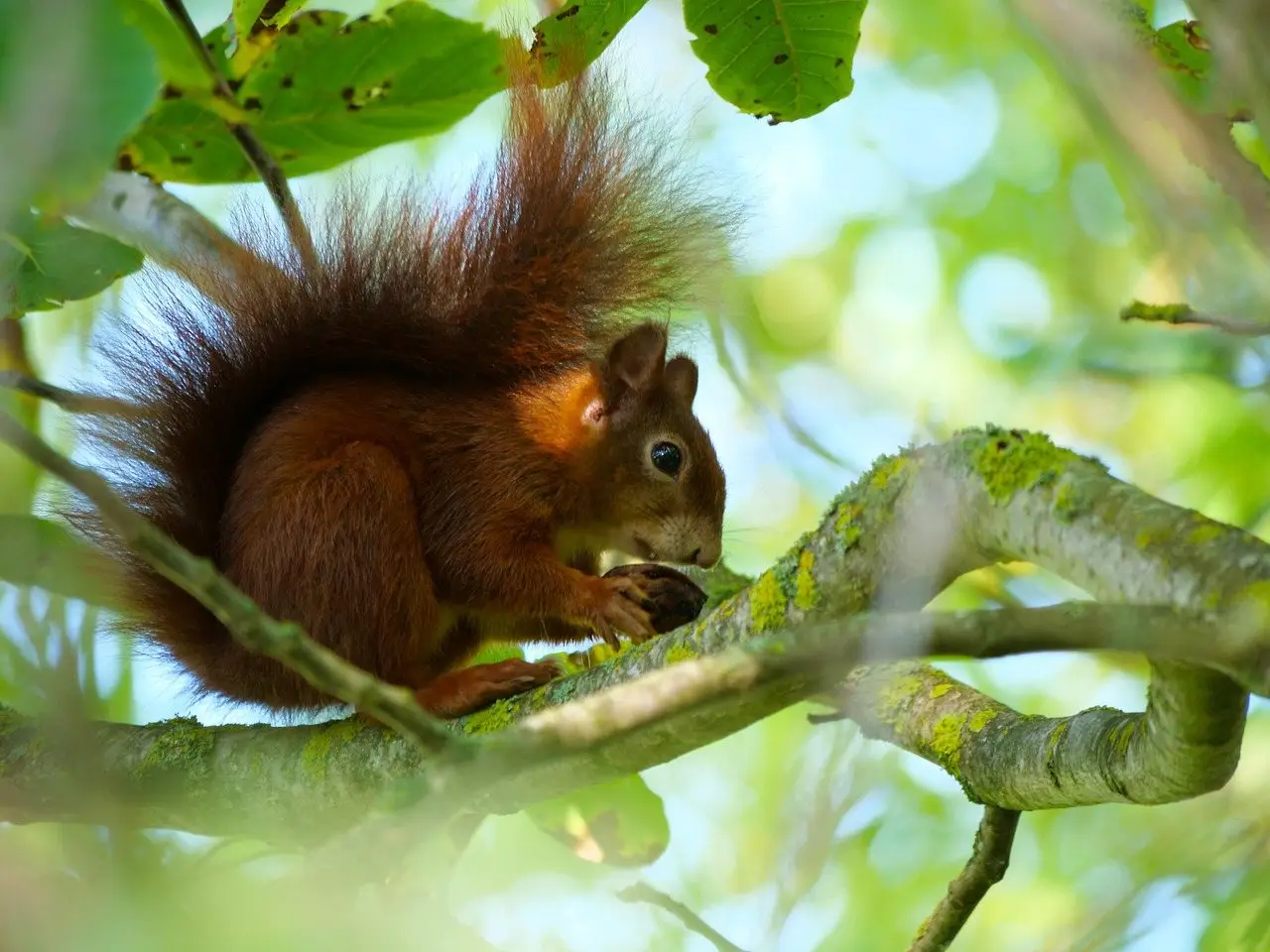
Grey and red squirrels do not hibernate. They wait out snow in a leaf drey or tree cavity, often huddled with others, and come out to dig for caches.
 By
On this page
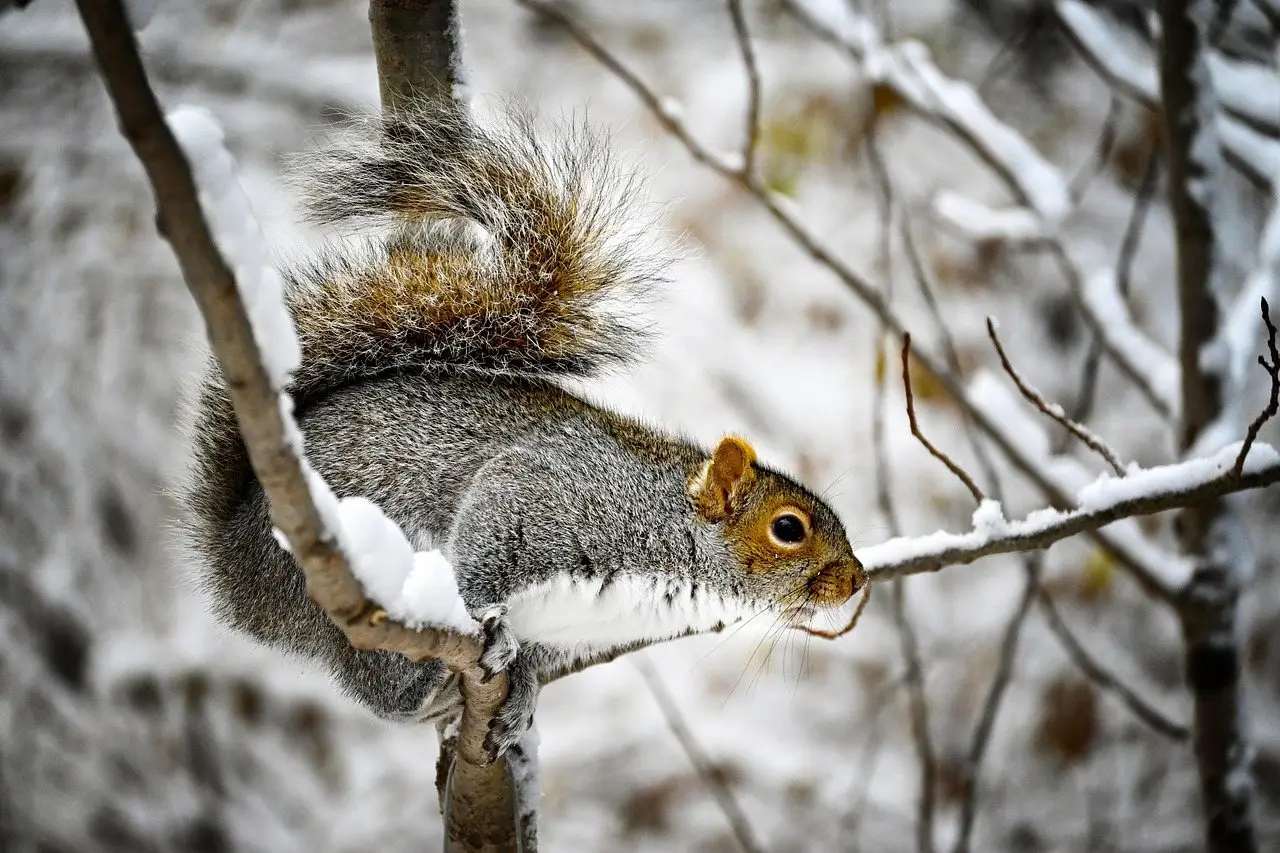
Into a drey or a tree cavity — often with company. Tree squirrels do not hibernate. They sit out the worst of it in the nest, huddling with others for warmth in hard cold, and come out to dig for caches when it eases.
The nest
A drey is a ball of twigs lined with leaves, moss, grass and shredded bark, wedged into a fork high in a tree. It looks untidy and is surprisingly weatherproof.
A cavity in a dead limb is better again — more insulation, less wind — and squirrels take one over a drey wherever they can find it. That is also why a loft is so attractive to them.
Who hibernates and who does not
Tree squirrels (grey, red, fox) — no. Active all winter. Ground squirrels, marmots, woodchucks — yes, true hibernation. Chipmunks — in between: repeated bouts of torpor in a burrow, waking to eat from a cache.
How they get through it
| Summer | Winter | |
|---|---|---|
| Active hours | Early morning and late afternoon | Around midday — the warmest part |
| Time in nest | Little | Most of the day in bad weather |
| Food | Buds, fungi, fruit, insects, eggs | Cached nuts and seeds |
| Sharing a nest | No | Yes, in hard cold |
| Body fat reserve | — | They do not build one |
That last row matters. A squirrel cannot sleep through a long cold spell the way a hibernator can — it has no fat store to burn. It has to get out and recover food.
Finding food under snow
Mainly smell, backed by a good spatial memory of the general caching area. A squirrel detects a nut through a surprising depth of snow and soil, then digs a direct hole rather than searching about.
The 'squirrels forget their nuts' claim misses the point
Plenty of caches are recovered by a different squirrel than the one that buried them. The nuts are found — just not always by the owner. The ones genuinely missed are how oak and hickory woodland regenerates.
Keeping them out of your roof
Cold weather is exactly when they go looking, and a warm dry loft beats a drey by a wide margin. They chew soffits, lift loose tiles and use overhanging branches as a bridge.
Cut branches back to a couple of metres from the roof and seal gaps before autumn. That is far easier than evicting an animal that has already moved in and had young — at which point you are legally and practically stuck until the young are independent.
Do they need help?
No. They are well adapted to snow and have cached precisely for it, and feeding concentrates animals and spreads parasites. If you want to help wildlife through hard weather, leave seed heads and windfall fruit uncleared and keep a water source unfrozen — that does more good across more species.
Common questions
Where do squirrels go when it snows?
Do squirrels hibernate?
How do squirrels find buried nuts under snow?
What does a squirrel do all day in winter?
Will squirrels nest in my loft in winter?
Should I help squirrels in snow?
Backyard Weekly
Know what to plant, week by week
Join the weekly email for seasonal jobs, fixes for what is going wrong, and gear worth buying.
Not ready to subscribe? The planting calendar is free and needs no email.
By subscribing you agree to our privacy policy. Grow In Backyard will never sell your address.
Keep reading
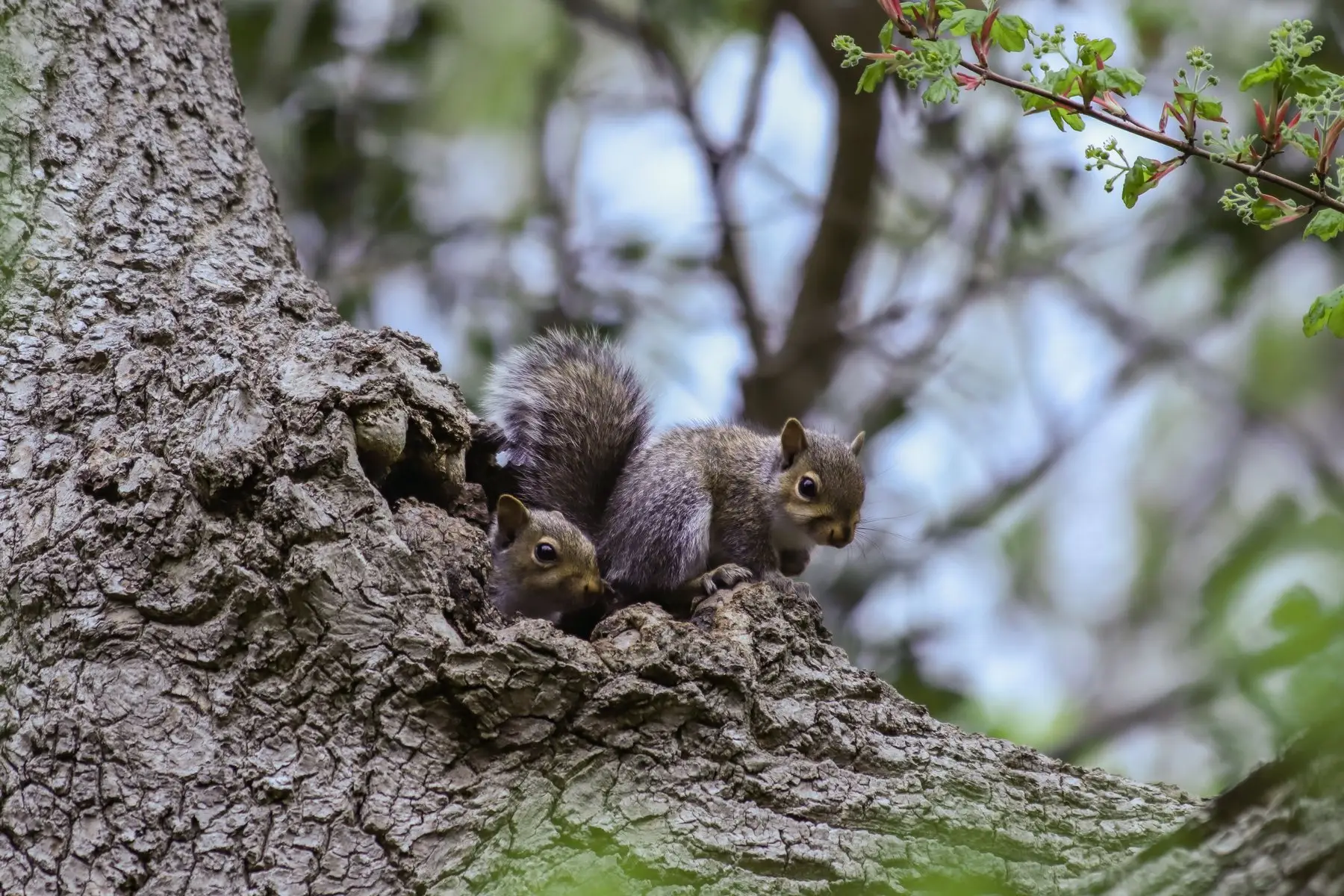
Where Do Squirrels Sleep at Night? Dreys, Dens and Your Roof
Squirrels sleep in leaf dreys and tree cavities, keep several nests each, and share them for warmth in winter. How to tell a drey from a bird nest.
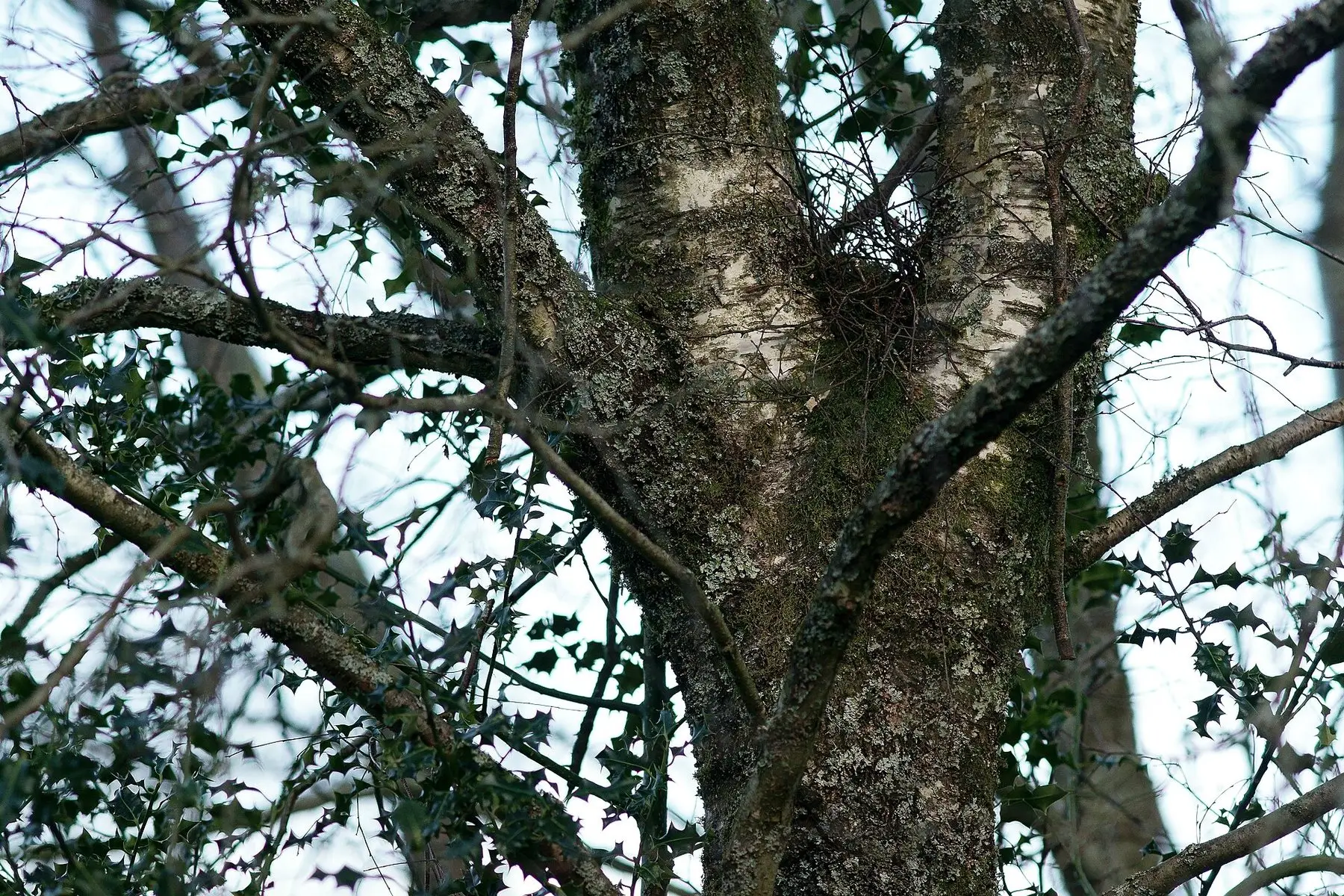
Where Do Squirrels Live and Sleep? Nests, Dens, and Winter
Squirrels build two distinct home types and switch between them by season. What a drey actually is, where they den in winter, and whether they hibernate.
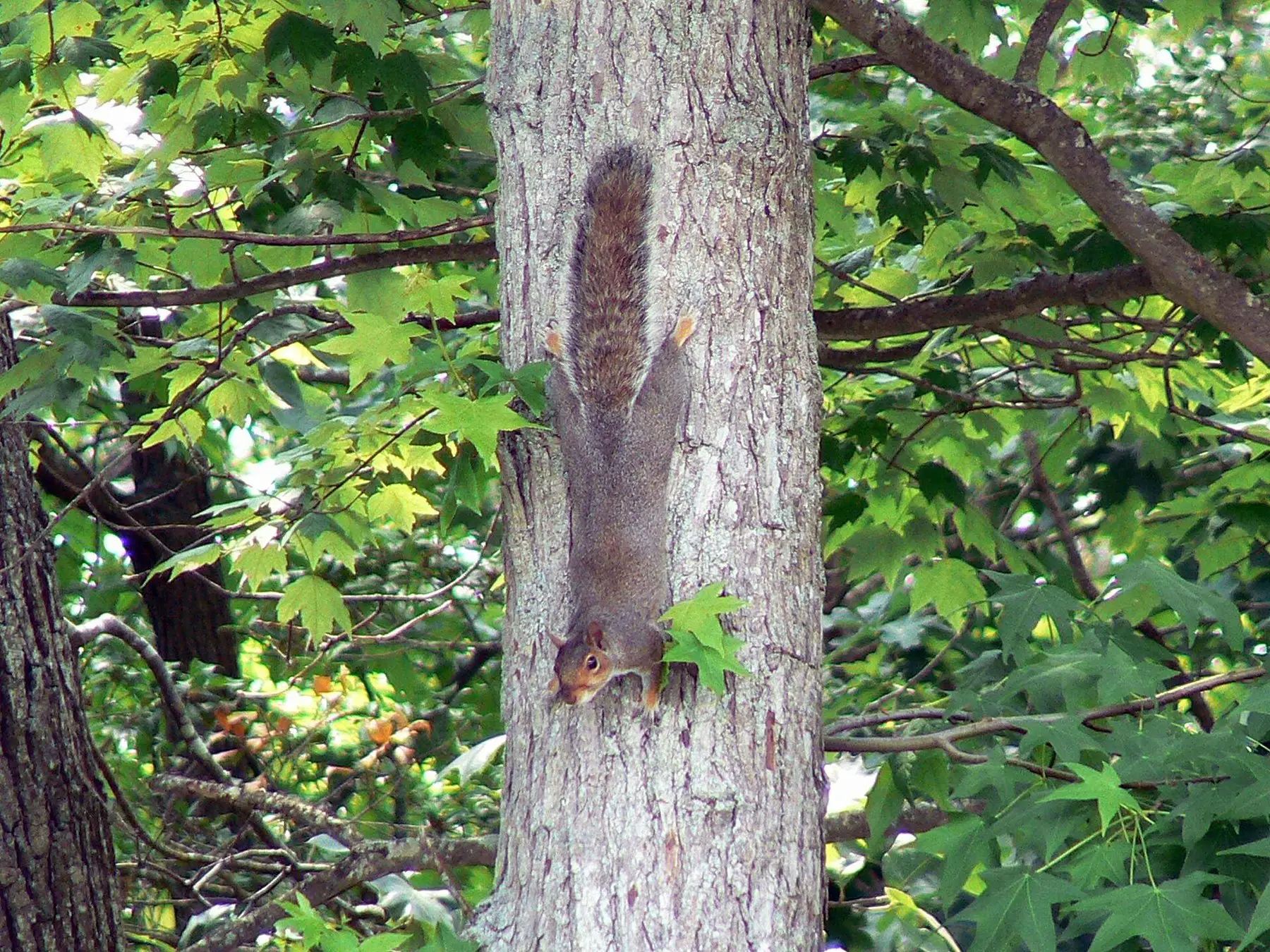
How Long Do Squirrels Live? Wild vs. What You'd Expect
Wild squirrels rarely see old age — most die in their first year. The realistic lifespan by species, and why the number is so much lower than people assume.
Where Do Squirrels Poop? Scattered, Not in Latrines
Squirrels defecate wherever they are, which is why you rarely find piles outdoors — and why an attic infestation shows up as scattered droppings.