
Can Mosquitoes See in the Dark? How They Really Find You
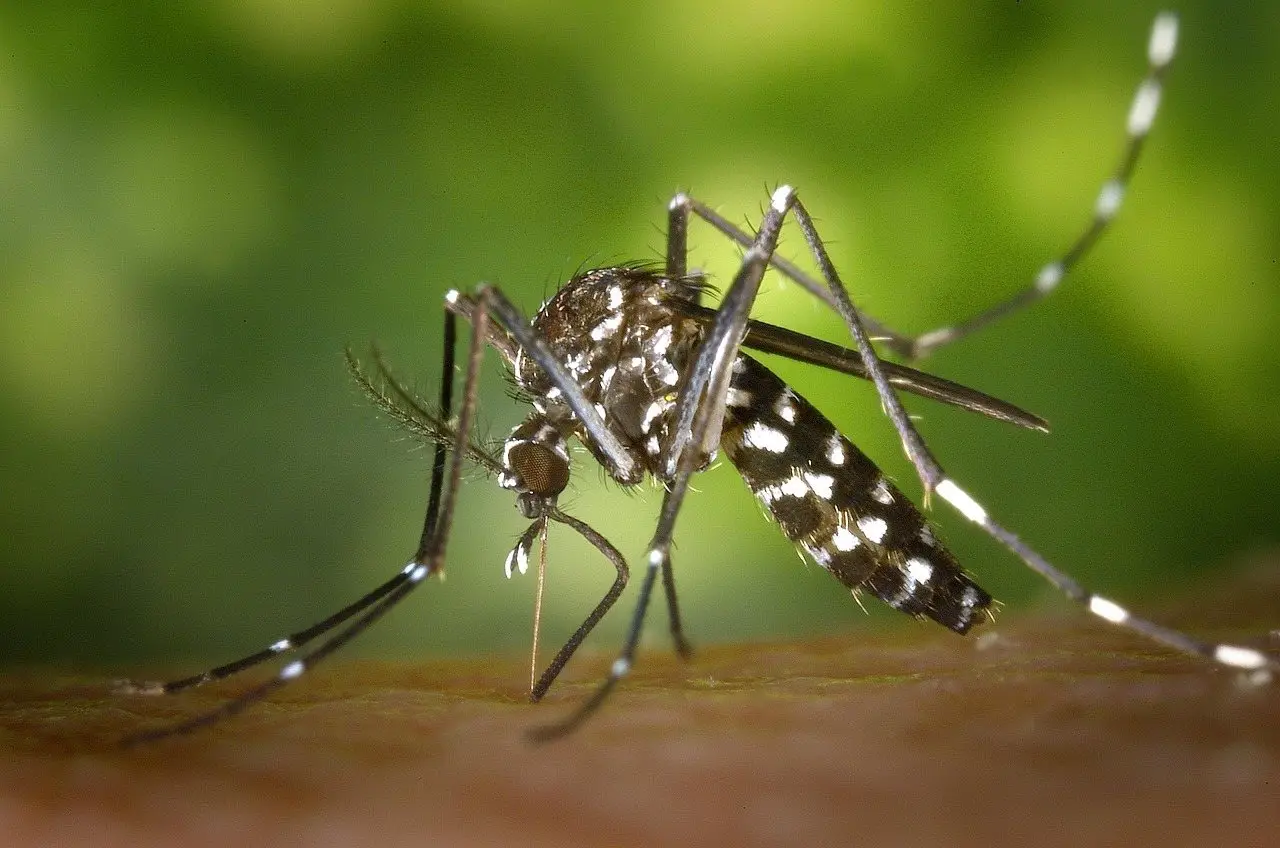
Mosquitoes see poorly and hunt mostly by CO2, heat and smell. Vision only matters in the last metre — which changes what actually keeps them off you.
 By
On this page
No — and it does not matter. A mosquito finds you by breath, smell and heat. Turning the lights off removes the only sense it was barely using.
The hunt, in stages
| Range | Cue | How much it matters |
|---|---|---|
| Up to ~10 m | Exhaled CO₂ | The primary cue. Starts the search |
| 1–5 m | Skin odour — lactic acid, ammonia, fatty acids | Identifies a human host |
| Under 1 m | Visual contrast, dark shapes | Minor, and only against a light background |
| Centimetres | Heat and humidity | Finds exposed skin to land on |
Notice what is missing: light. Every step except the brief visual one works in complete darkness, which is why a dark bedroom is not a defence and why the whine arrives whether or not the lamp is on.
Why the eyes are not the point
Mosquito compound eyes are built for detecting motion and gross contrast, not resolution. They do not form a detailed picture of a room in daylight, let alone at night. For an insect that locates hosts by chemistry, that is sufficient — vision just confirms there is something solid where the smell is coming from.
The porch light myth
Most mosquito species are not strongly attracted to light; some avoid bright white light. A porch light pulls in moths and midges, and it pulls in people — who exhale.
Switching to a warm or yellow bulb reduces the insect crowd generally. It does very little to the mosquitoes specifically.
What this means for actually avoiding bites
Target the cues that matter, in order:
- Repellent on skin — DEET, picaridin or oil of lemon eucalyptus. It works by disrupting the odour-detection step, which is the one doing the heavy lifting
- Cover up. Long sleeves beat any clothing colour choice
- Moving air. A fan on a patio is remarkably effective — it scatters the CO₂ plume and mosquitoes are weak fliers
- Remove standing water. A bottle cap holds enough. This is the only intervention that reduces the number of mosquitoes rather than your attractiveness to them
- Pale clothing, for a modest gain
- Screens and nets, which beat everything else indoors
The fan is underrated
It costs nothing to try, needs no chemicals, and works on two mechanisms at once: it disperses the carbon dioxide trail they follow, and a mosquito struggles to fly in a breeze above a couple of metres per second.
Why you get bitten and your friend does not
Largely body chemistry you did not choose:
- CO₂ output, which rises with body size and exertion
- Skin bacteria and the carboxylic acids they produce — studies following the same people for years find consistently attractive individuals
- Pregnancy and recent exercise, both measurable
- Blood type and beer, each showing effects in some studies
The useful conclusion is not that attractive people should give up. It is that the variable you can change is the odour signal reaching the mosquito, which is exactly what repellent and covered skin do.
Common questions
Can mosquitoes see in the dark?
How do mosquitoes find you at night?
Does leaving a light on attract mosquitoes?
What colours attract mosquitoes?
Why do mosquitoes bite some people more than others?
Backyard Weekly
Know what to plant, week by week
Join the weekly email for seasonal jobs, fixes for what is going wrong, and gear worth buying.
Not ready to subscribe? The planting calendar is free and needs no email.
By subscribing you agree to our privacy policy. Grow In Backyard will never sell your address.
Keep reading

What Does Irish Spring Soap Repel? The Evidence, Honestly
Deer and some rodents respond to strongly scented soap. Mosquitoes do not. Here is what the testing shows and where the garden myth came from.

Does Smoke Kill Mosquitoes? It Repels, It Doesn't Kill
Smoke masks the cues mosquitoes hunt by and disrupts flight, which clears the area it covers. Step outside the plume and they are waiting.
Do Birds Eat Meat? Which Ones, and What to Put Out
Far more garden birds eat meat than people assume — insects are meat. What raptors, corvids and even chickadees take, and what is safe to offer.
Can You Drown Spider Mites? Water Knocks Them Off, Not Out
A hard spray dislodges most spider mites and raises humidity they dislike, but submerging a plant does not drown them. Repetition is what works.