
Can You Drown Spider Mites? Water Knocks Them Off, Not Out
A hard spray dislodges most spider mites and raises humidity they dislike, but submerging a plant does not drown them. Repetition is what works.
 By
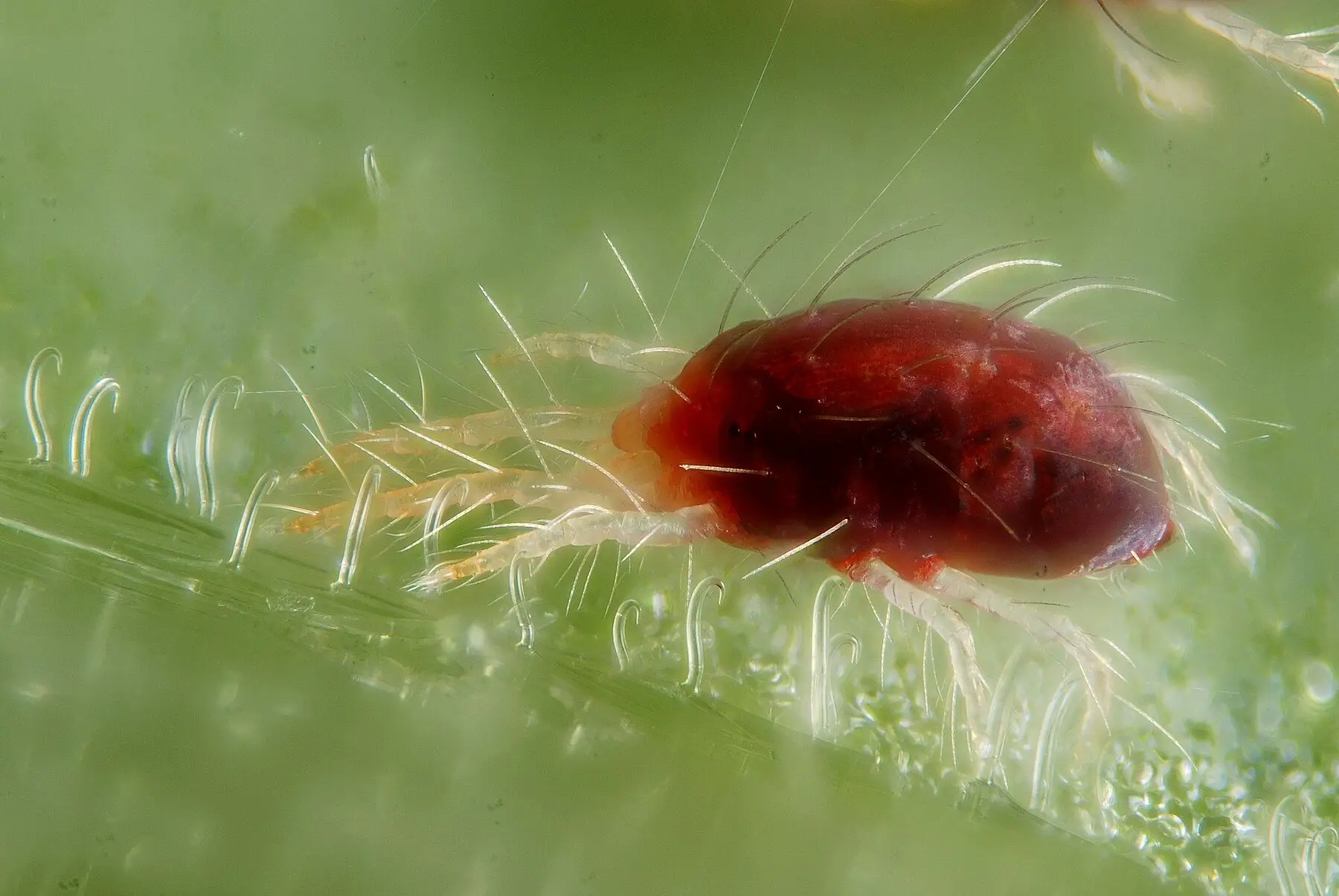

On this page
No — but water still helps. You cannot practically drown them: they are tiny, water-repellent, and trapped air and webbing keep them dry. What a hard spray does is knock them off, and a mite on the floor is a mite off the plant.
Removal versus killing
| Method | Kills adults | Kills eggs | Interval needed |
|---|---|---|---|
| Submerging the plant | No | No | — |
| Hard water spray | Dislodges, does not kill | No | Every 2–3 days |
| Insecticidal soap | Yes, on contact | Partly | Every 3–5 days |
| Horticultural oil | Yes, on contact | Yes, smothers | Every 5–7 days |
| Neem oil | Yes, plus deters feeding | Partly | Every 7 days |
| Predatory mites | Yes, continuously | Eats them | One release |
The washing routine that works
- Isolate the plant first. Mites walk; the shelf and neighbours spread it.
- Strip the worst leaves. Heavily stippled foliage is barely photosynthesising and carries most of the eggs and webbing. Bin it. Never more than a third of the plant.
- Spray hard, both sides of every leaf, plus stems and leaf axils. A shower head or a sink sprayer for houseplants; a hose nozzle outside.
- Repeat every two to three days for two to three weeks. Eggs hatch in ~3 days at warm temperatures — one spray resets nothing.
- Wipe the pot rim, shelf and windowsill each time.
Why heating season is mite season
Spider mites breed fastest in hot, dry, still air — a generation in under a week at 30°C. Central heating in winter is exactly that. Raising humidity, grouping plants and moving one out of a dry draught all push conditions against them.
If washing is not holding it
Switch to something that kills
Washing manages a light infestation. For anything established, use insecticidal soap or horticultural oil on every surface, every three to five days for at least three cycles so the egg hatch is covered. For a valued plant or a greenhouse, predatory mites such as Phytoseiulus persimilis are the most thorough option and are sold for exactly this.
Before you call it over
Keep the plant isolated for two to three weeks after the last sign, and check every plant within reach. One surviving female rebuilds the colony, and the first visible symptom — fine pale stippling on the upper leaf surface — appears long after she started.
Common questions
Can you drown spider mites?
Does spraying plants with water kill spider mites?
Why does humidity help against spider mites?
What actually kills spider mites?
Should I just cut the plant back?
Do I need to treat the pot and the surroundings?
Backyard Weekly
Know what to plant, week by week
Join the weekly email for seasonal jobs, fixes for what is going wrong, and gear worth buying.
Not ready to subscribe? The planting calendar is free and needs no email.
By subscribing you agree to our privacy policy. Grow In Backyard will never sell your address.
Keep reading
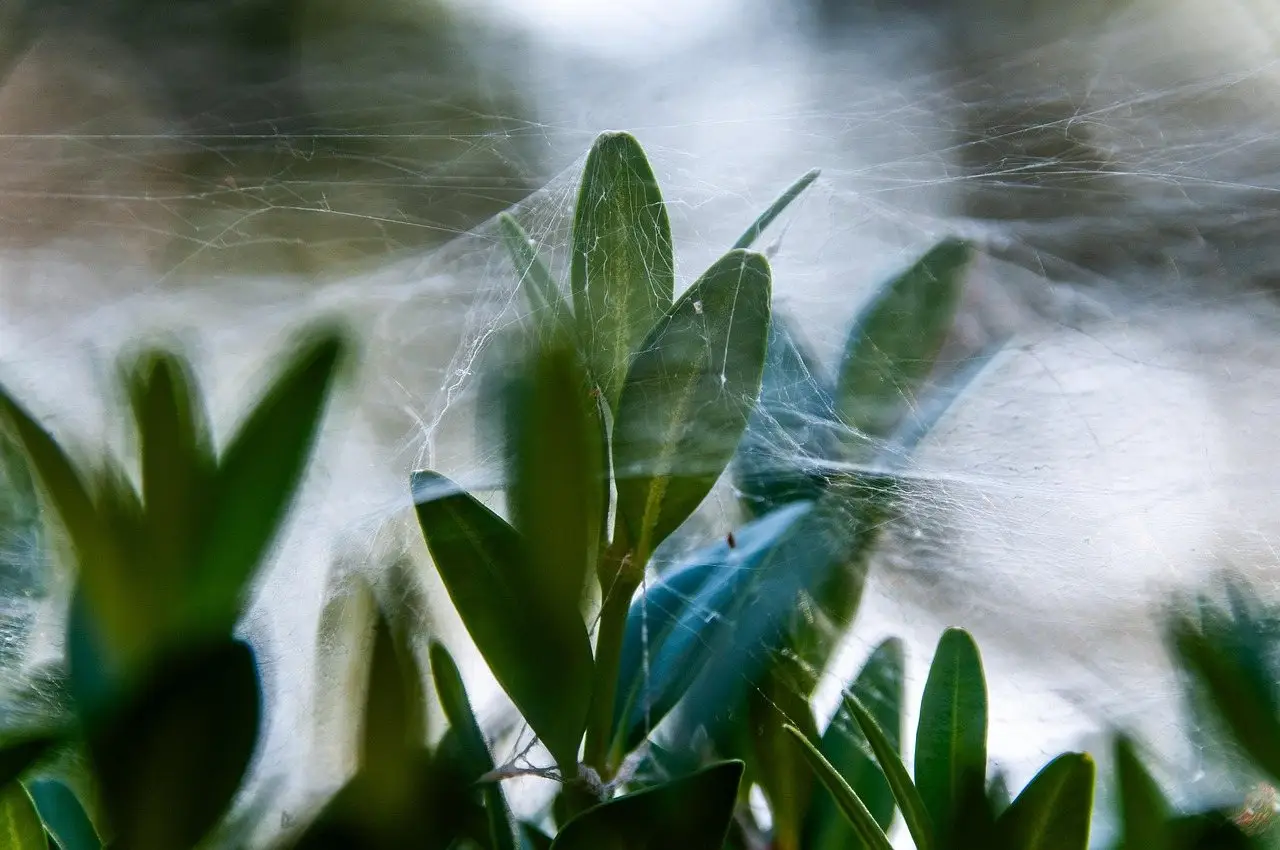
What Do Spider Mite Eggs Look Like? Tiny Clear Spheres
Spider mite eggs are translucent spheres about 0.1 mm across, laid on leaf undersides in webbing. Here is how to see them and tell them from other specks.
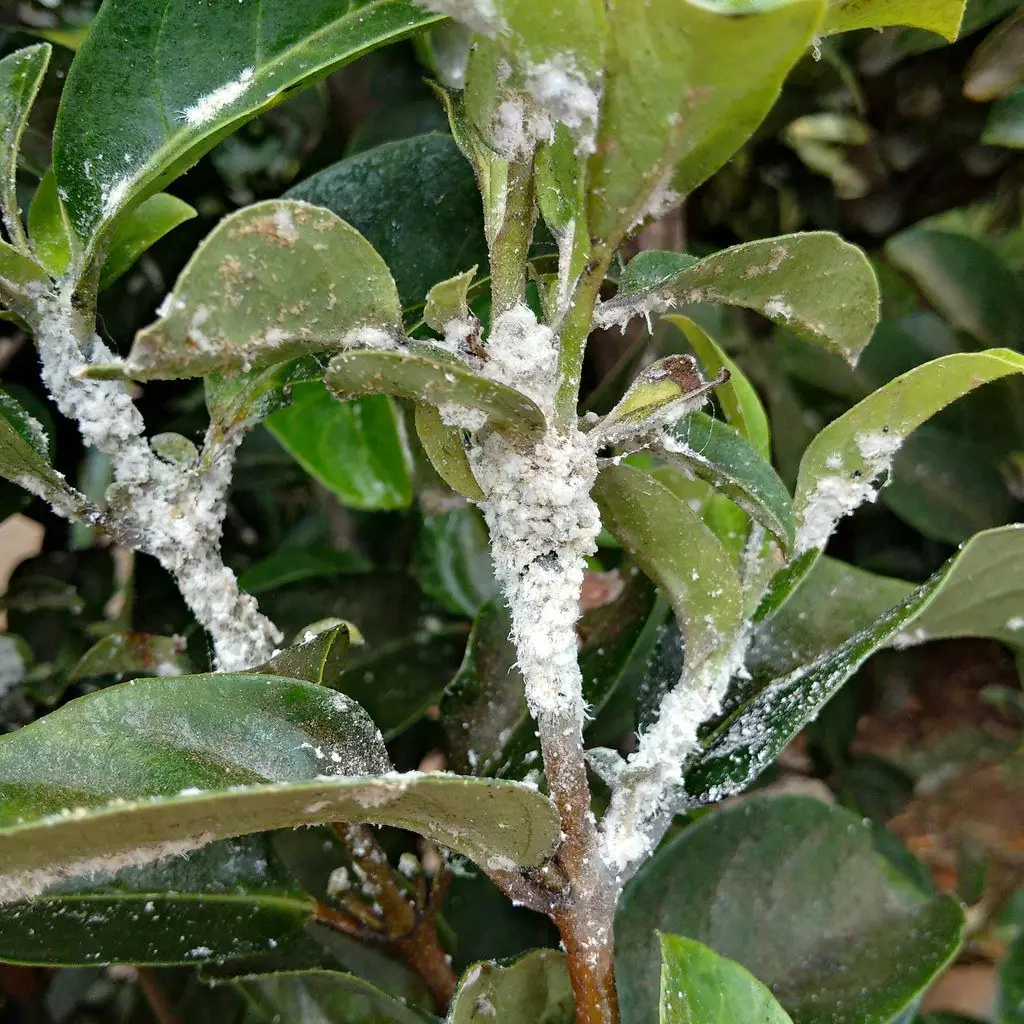
Tiny White Bugs on Plants: Identifying What You Have
Five different pests look like white specks. How to tell mealybugs, whitefly, thrips, mites and springtails apart — and which one is harmless.
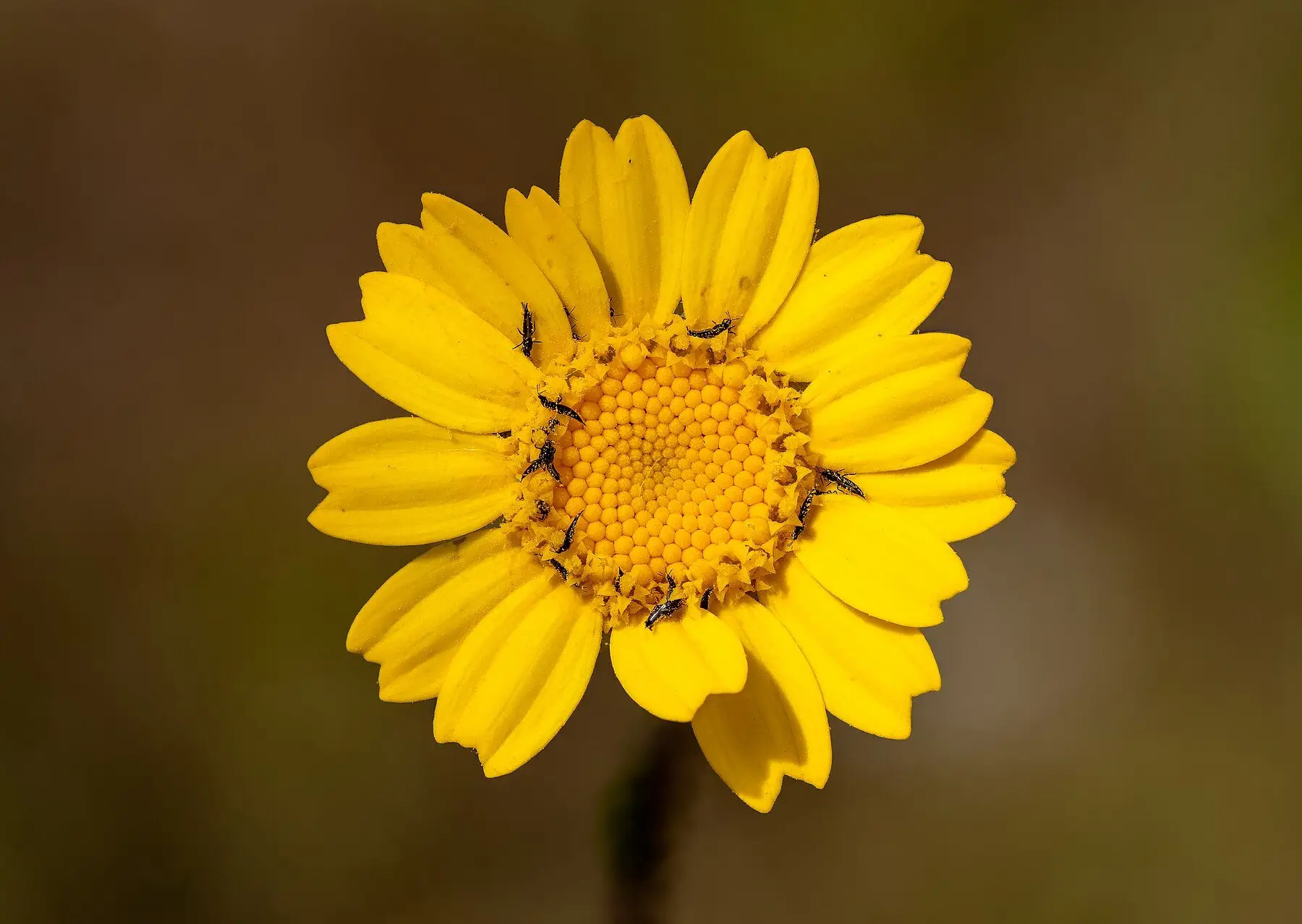
Does Neem Oil Kill Thrips? Slowly, and Only on Contact
Neem disrupts thrips rather than killing on contact, so it takes repeat sprays every 5–7 days. The pupae in the soil are what defeat most attempts.
Do Japanese Beetles Bite? No — They Can't Bite You
Japanese beetles have chewing mouthparts built for leaves and cannot break human skin. The pinch people feel is the grip of their leg spines.