
Does Neem Oil Kill Thrips? Slowly, and Only on Contact
Neem disrupts thrips rather than killing on contact, so it takes repeat sprays every 5–7 days. The pupae in the soil are what defeat most attempts.
 By

On this page
Yes — but slowly, only where the spray lands, and not at all on the pupae in the soil. That last point is why most neem-versus-thrips attempts stall around week two.
Why it looks like it did nothing
| Time | What you see |
|---|---|
| Day 1–2 | Feeding stops. Thrips still visibly present |
| Day 3–7 | Treated individuals die as they fail to moult |
| Week 2 | A new generation emerges from the soil |
| Week 3–4 | Numbers fall, if you kept spraying |
Azadirachtin is a growth disruptor, not a contact poison. Judging it by whether thrips are still visible tomorrow is the commonest reason people switch products too early.
The soil stage is the whole problem
Thrips pupate in the soil, where a foliar spray cannot reach
A successful spray kills what is on the leaf. Days later a fresh generation emerges from pupae in the top layer of soil or potting mix, and it looks like the treatment failed.
Breaking the cycle needs repeat spraying every five to seven days to catch each emergence, plus something aimed at the soil.
- A neem soil drench — azadirachtin taken up through the roots acts systemically on feeding larvae, and reaches pupae in the top layer
- On houseplants, replace the top inch of compost and add a layer of sand or grit to interrupt the same stage physically
Spraying it properly
- Every 5–7 days, at least three or four applications
- Keep going two cycles past the last sign of damage
- Early morning or evening. Never in direct sun or above ~90°F — neem plus heat scorches foliage
- Undersides of leaves, flower buds, leaf axils. Thrips shelter in exactly the tight spaces a casual spray misses
When to use something else
| Speed | Best for | |
|---|---|---|
| Neem | Slow | Light infestations, low-toxicity preference |
| Spinosad | Fast, markedly more effective | A bad infestation |
| Blue sticky traps | — | Catching adults and measuring progress |
| Amblyseius cucumeris | Gradual | Greenhouses and under cover |
The sticky traps are worth adding whatever else you do — they are the only way to tell whether numbers are genuinely falling rather than guessing from leaf damage.
Common questions
Does neem oil kill thrips?
How long does neem oil take to kill thrips?
Why do thrips keep coming back after neem oil?
How often should you spray neem oil for thrips?
Is a neem soil drench effective against thrips?
What works better than neem oil for thrips?
Backyard Weekly
Know what to plant, week by week
Join the weekly email for seasonal jobs, fixes for what is going wrong, and gear worth buying.
Not ready to subscribe? The planting calendar is free and needs no email.
By subscribing you agree to our privacy policy. Grow In Backyard will never sell your address.
Keep reading
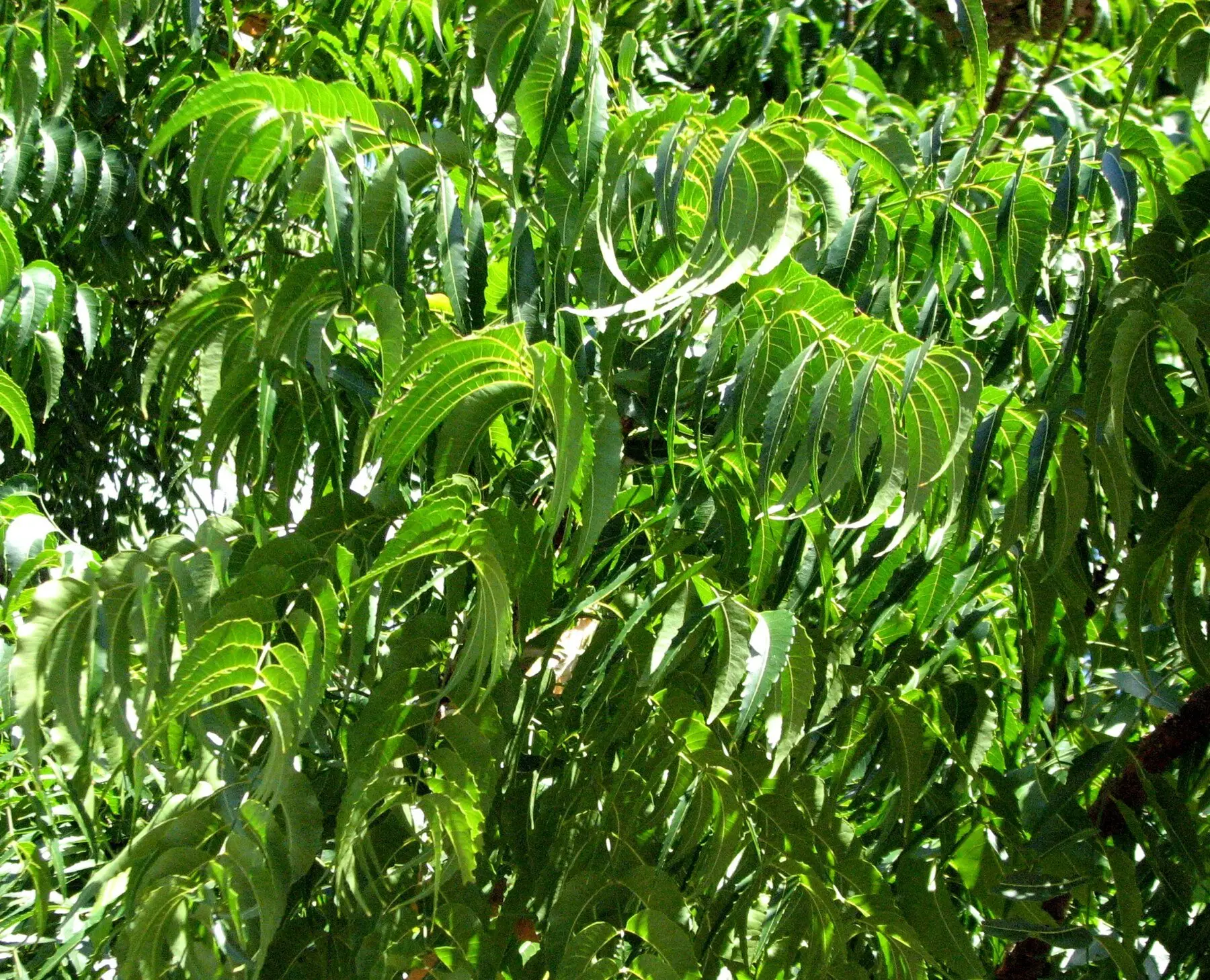
How to Use Neem Oil on Plants Without Burning Them
The right dilution, why it needs soap to mix, when to spray, and which pests it works on. Neem is slow and specific — treat it as a knockdown and it fails.
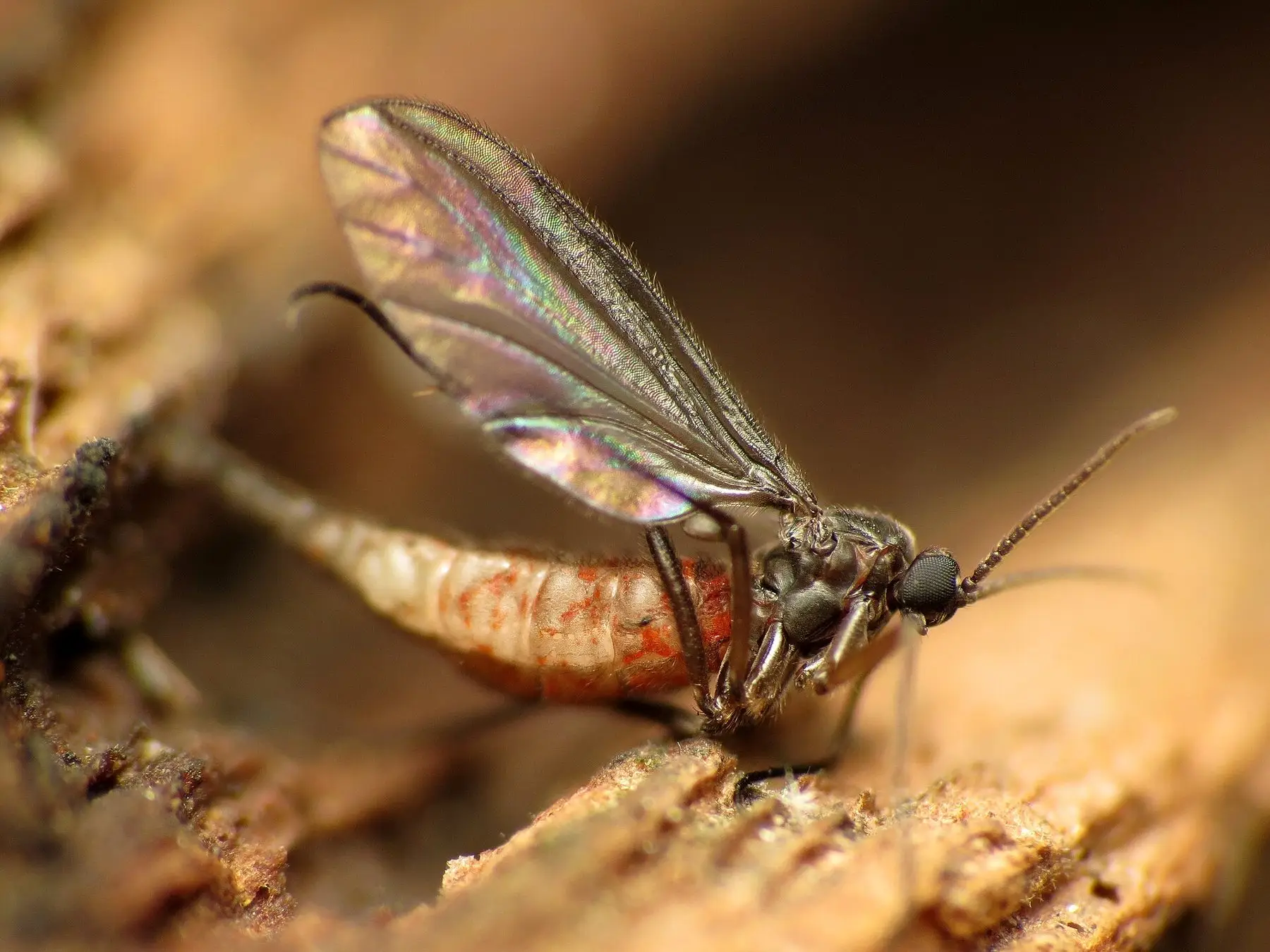
Fungus Gnats: Kill the Larvae, Not the Flies You See
The adults are harmless; the larvae in the top inch of compost are what damage roots. Why letting the surface dry works, and what actually breaks the cycle.
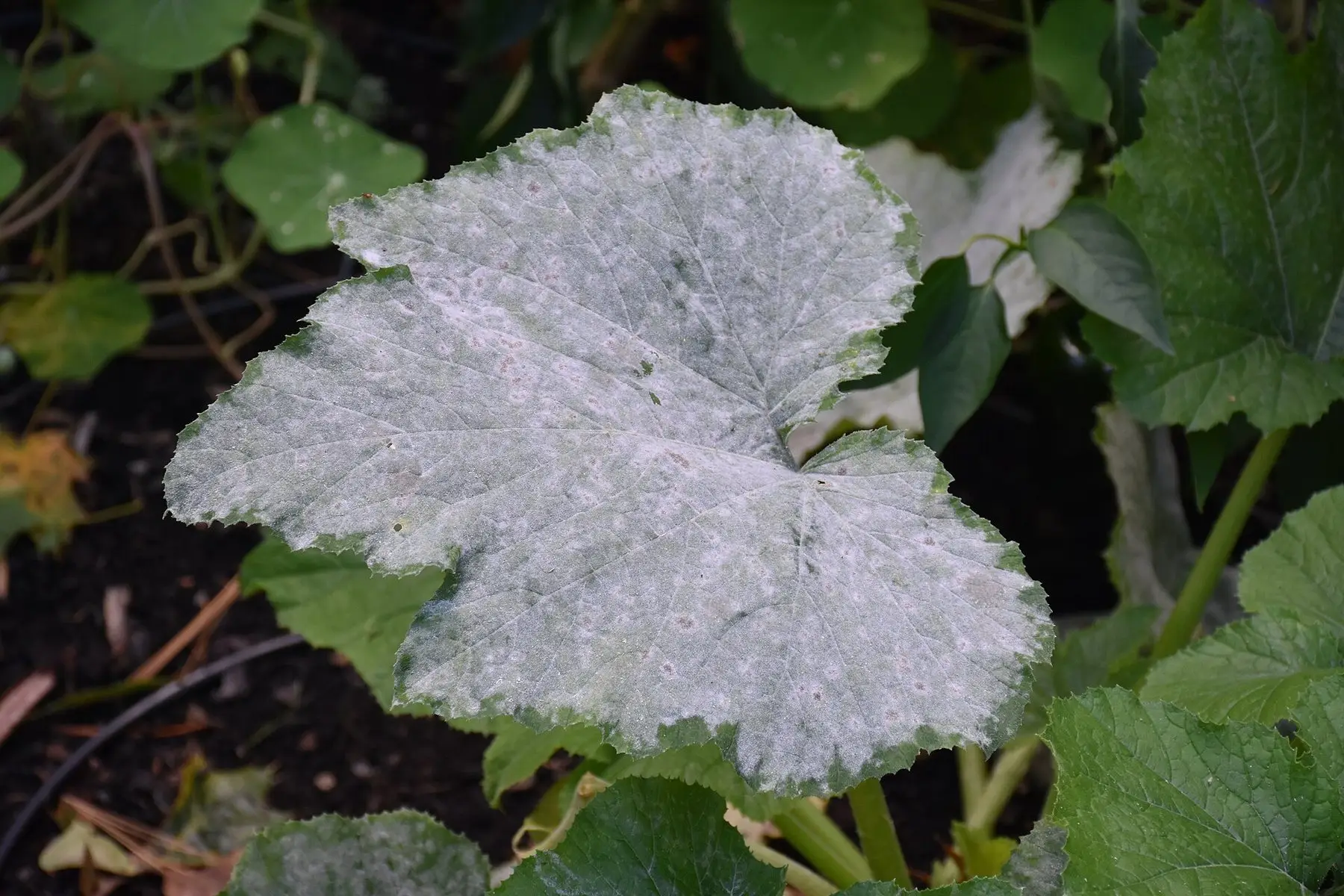
Powdery Mildew: Why It Spreads and What Actually Stops It
Powdery mildew is the one fungus that does not need wet leaves — it thrives in humid air and dry foliage. How to spot it early and what treatments hold up.

Does Smoke Kill Mosquitoes? It Repels, It Doesn't Kill
Smoke masks the cues mosquitoes hunt by and disrupts flight, which clears the area it covers. Step outside the plume and they are waiting.