
What Do Spider Mite Eggs Look Like? Tiny Clear Spheres
Spider mite eggs are translucent spheres about 0.1 mm across, laid on leaf undersides in webbing. Here is how to see them and tell them from other specks.
 By
On this page
Spider mite eggs are round, translucent and about 0.1 mm across — glass beads scattered on the underside of a leaf, usually caught in the fine webbing the adults leave behind. You will almost certainly find the webbing and the leaf stippling first.
How to actually see them
- Turn a leaf over. Everything happens on the underside.
- Look along the midrib and the larger veins — that is where they cluster.
- Use a 30x jeweller’s loupe or your phone’s macro mode. At 0.1 mm there is no alternative.
- Tap the leaf over white paper. Moving specks are adults, and confirm the infestation even when you cannot resolve the eggs.
The paper tap test is the one that needs no equipment
Hold a sheet of white paper under a suspect leaf and tap it sharply. Dust does not walk. Specks that move after a few seconds are mites.
Telling them from the other white specks
| Spider mite eggs | Whitefly eggs | Scale / shed skins | Dust, perlite, hard water | |
|---|---|---|---|---|
| Shape | Perfect spheres | Oval | Flat flecks | Irregular |
| Arrangement | Singly, along veins | Often arcs or circles | Scattered | Random |
| Webbing | Yes | No | No | No |
| Leaf damage | Fine yellow stippling above | Sticky honeydew | Yellow blotches | None |
| Move when tapped? | Adults do | Adults do | No | No |
Why they are always on the underside
Spider mites want shelter, warmth and dry air. The underside of a leaf gives them all three, plus protection from rain and from anything you spray downward.
They concentrate in the lower and inner parts of the plant first, which is why an infestation is usually well established before the stippling on the upper surfaces becomes obvious from a distance.
The speed is the whole problem
In hot dry conditions the cycle from egg to egg-laying adult can run in under a week. Eggs hatch in about three days around 30°C / 86°F.
One treatment will not do it
Insecticidal soap and horticultural oils kill mobile mites on contact and do very little to the eggs. Everything laid before you sprayed hatches afterwards. Treat every five to seven days for three or four rounds, so each new generation is caught after hatching and before it lays.
What works, practically
- Spray the undersides, thoroughly, to the point of run-off — a top-down spray misses the entire population
- Insecticidal soap or horticultural oil, repeated on the five-to-seven-day schedule
- Raise the humidity where you can. Spider mites thrive in hot dry air and struggle in damp
- Hose plants down in the open garden; physical removal genuinely dents the population
- Isolate new plants for a fortnight before they join the rest
- Check weekly afterwards. Re-infestation from a missed pocket is normal
Common questions
What do spider mite eggs look like?
Can you see spider mite eggs without a magnifier?
Where do spider mites lay their eggs?
How long do spider mite eggs take to hatch?
Do spider mite treatments kill the eggs?
What else looks like spider mite eggs?
Backyard Weekly
Know what to plant, week by week
Join the weekly email for seasonal jobs, fixes for what is going wrong, and gear worth buying.
Not ready to subscribe? The planting calendar is free and needs no email.
By subscribing you agree to our privacy policy. Grow In Backyard will never sell your address.
Keep reading
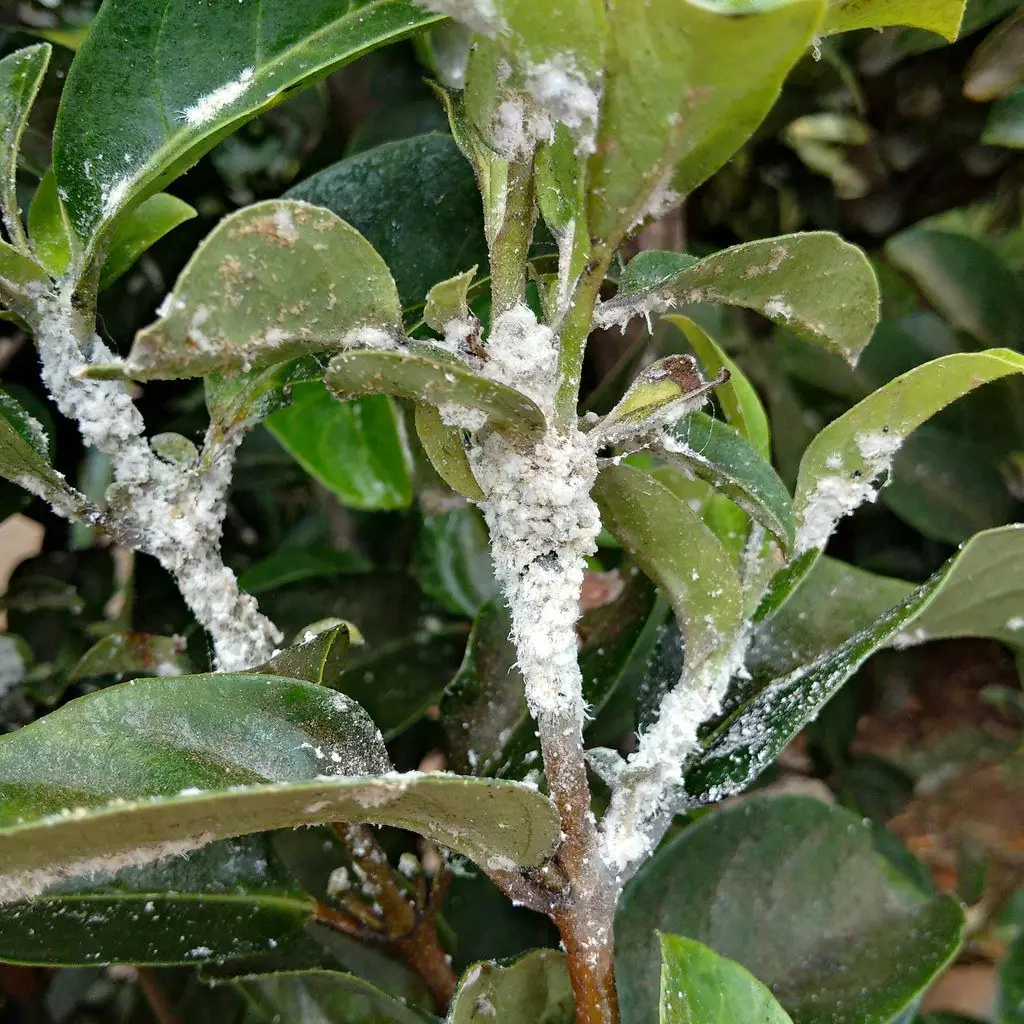
Tiny White Bugs on Plants: Identifying What You Have
Five different pests look like white specks. How to tell mealybugs, whitefly, thrips, mites and springtails apart — and which one is harmless.

How to Use Neem Oil on Plants Without Burning Them
The right dilution, why it needs soap to mix, when to spray, and which pests it works on. Neem is slow and specific — treat it as a knockdown and it fails.
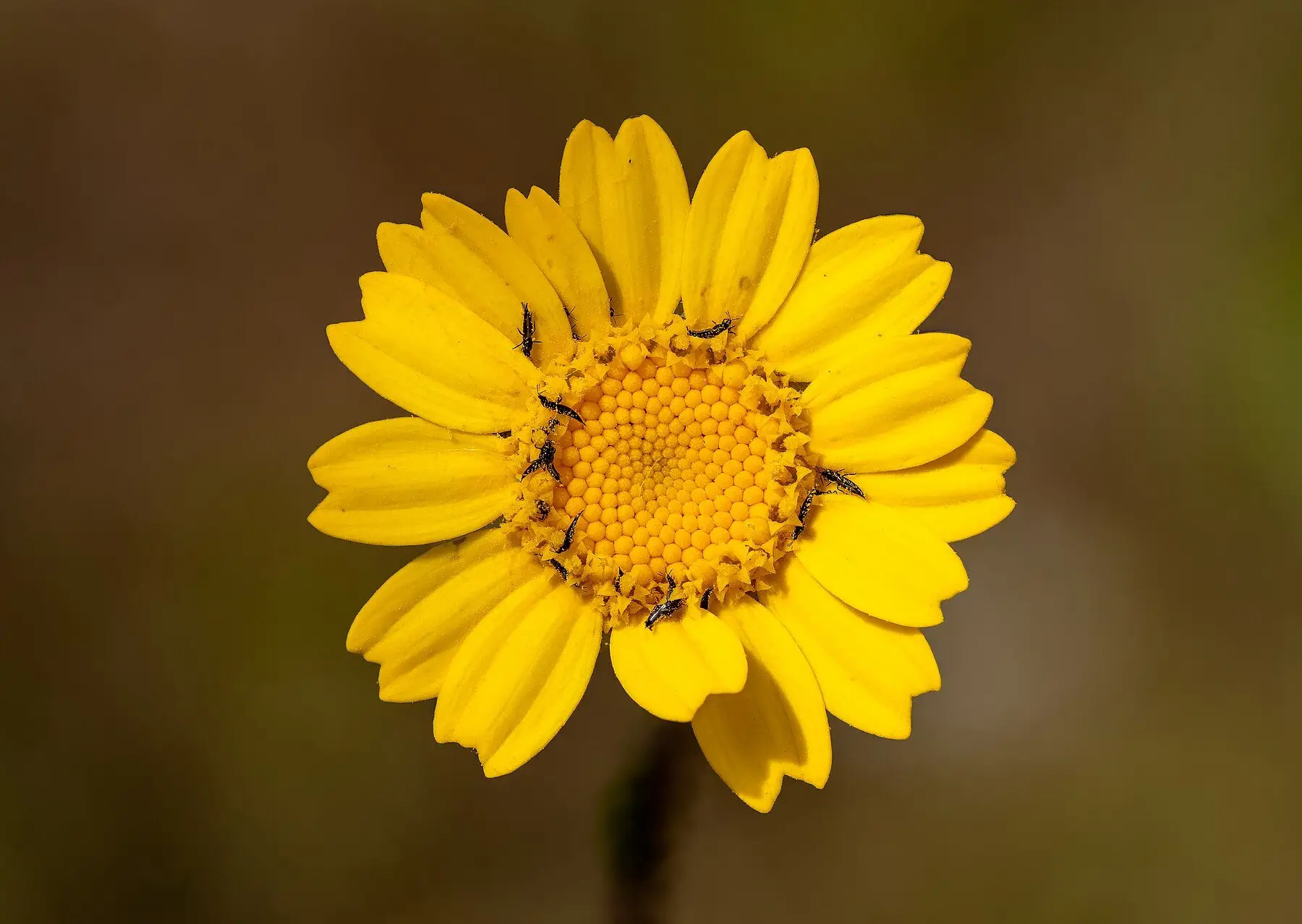
Does Neem Oil Kill Thrips? Slowly, and Only on Contact
Neem disrupts thrips rather than killing on contact, so it takes repeat sprays every 5–7 days. The pupae in the soil are what defeat most attempts.

What Does Irish Spring Soap Repel? The Evidence, Honestly
Deer and some rodents respond to strongly scented soap. Mosquitoes do not. Here is what the testing shows and where the garden myth came from.