
Do Birds Eat Meat? Which Ones, and What to Put Out
Far more garden birds eat meat than people assume — insects are meat. What raptors, corvids and even chickadees take, and what is safe to offer.
 By

On this page
Yes — and many more than people expect, because insects are meat. The picture of garden birds living on seed and berries describes a minority of them. Most are predators of something.
Who eats what
| Group | Diet | Notes |
|---|---|---|
| Hawks, falcons, owls | Obligate carnivores | Birds, rodents, reptiles; owls swallow prey whole |
| Corvids — crows, jays, magpies | Omnivores and scavengers | Carrion, eggs, nestlings, insects, nuts, waste |
| Gulls | Omnivores | Notoriously indiscriminate |
| Shrikes | Predatory songbirds | Impale prey on thorns and barbed wire |
| Robins, thrushes | Mostly invertebrates | Worms and grubs, fruit in autumn |
| Chickadees, titmice, nuthatches | Insects, plus seed and suet | Nestlings raised almost entirely on caterpillars |
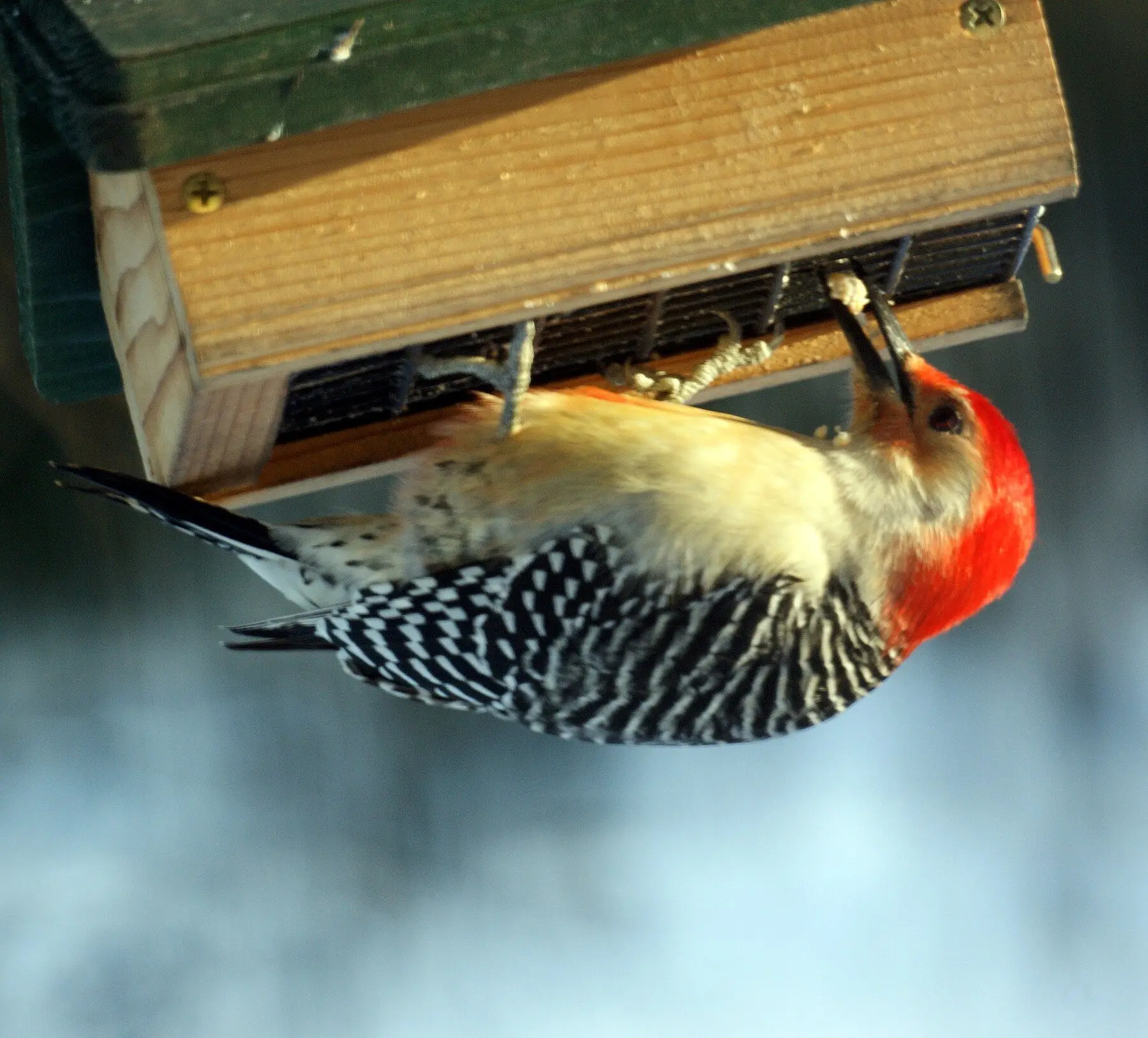
| Woodpeckers | Wood-boring larvae, ants | The most reliable suet visitors |
| Wrens, warblers, flycatchers | Almost entirely insects | Rarely at seed feeders at all |
| Herons, kingfishers | Fish, amphibians | Herons take far more pond fish than turtles do |
| Finches, doves, some sparrows | Mostly seed | The genuine near-vegetarians |
Even seed-eaters feed meat to their young
The great majority of songbirds, including species that live on seed as adults, raise their chicks on insects and caterpillars, which supply the protein a fast-growing nestling needs. It is one of the better arguments for tolerating caterpillars in a garden — a single brood of chickadees can take thousands.
Suet: the right way to offer meat
Suet is rendered beef fat, and it is what commercial “meat” bird food actually is. In cold weather it delivers far more energy per mouthful than seed, which matters when a small bird has to survive a sub-freezing night.
Reliable suet visitors: woodpeckers, nuthatches, chickadees, titmice, wrens, creepers, starlings, jays.
Practical notes:
- Use commercial suet cakes rather than fat from your own roasting tin — cooking fat carries salt and meat residue, goes rancid quickly, and can smear on feathers.
- Use no-melt suet in warm weather, or take it down; rancid fat is genuinely harmful.
- Cage feeders keep starlings and grackles from clearing a cake in an hour, and stop larger animals taking the whole block.
- Suet matters most in winter and again in spring, when insect-eating parents are working hardest.
Actual meat scraps
Corvids, gulls and magpies will take unseasoned cooked meat and fat readily. Whether you should put it out is a different question.
| For | Against |
|---|---|
| Genuinely nutritious | Attracts rats, foxes and raccoons far faster than seed |
| Corvids are intelligent and rewarding to watch | Spoils quickly in warm weather |
| Uses up scraps | Draws corvids that predate songbird nests |
| Can concentrate predatory birds where songbirds feed |
If you do it: small amounts only, on a raised platform, cleared away the same day, and never near where you feed songbirds.
Never put these out
Salted, cured, seasoned or spiced meat — birds cannot process salt, and it kills. Cooked bones, which splinter. Anything mouldy. And raw meat left out in warm weather, which becomes a salmonella problem for everything that touches it.
Predation runs the other way too: squirrels take eggs and nestlings when they find them, as do squirrels eat bird eggs sets out.
The hawk at your feeder
A feeder concentrates small birds, and Cooper’s and sharp-shinned hawks learn that quickly. Watching one take a bird at your window is unpleasant, and it is also entirely normal.
There is not much to be done, and not much that should be:
- Move the feeder within about ten feet of dense cover, so songbirds have somewhere to dive.
- Take the feeder down for a week or two if it becomes constant; the hawk will move on.
- Do not try to deter, harass or harm the raptor — it is illegal across North America and Europe, and the hawk is doing exactly what the rest of the garden is doing, one level up.
The thing worth knowing about robins
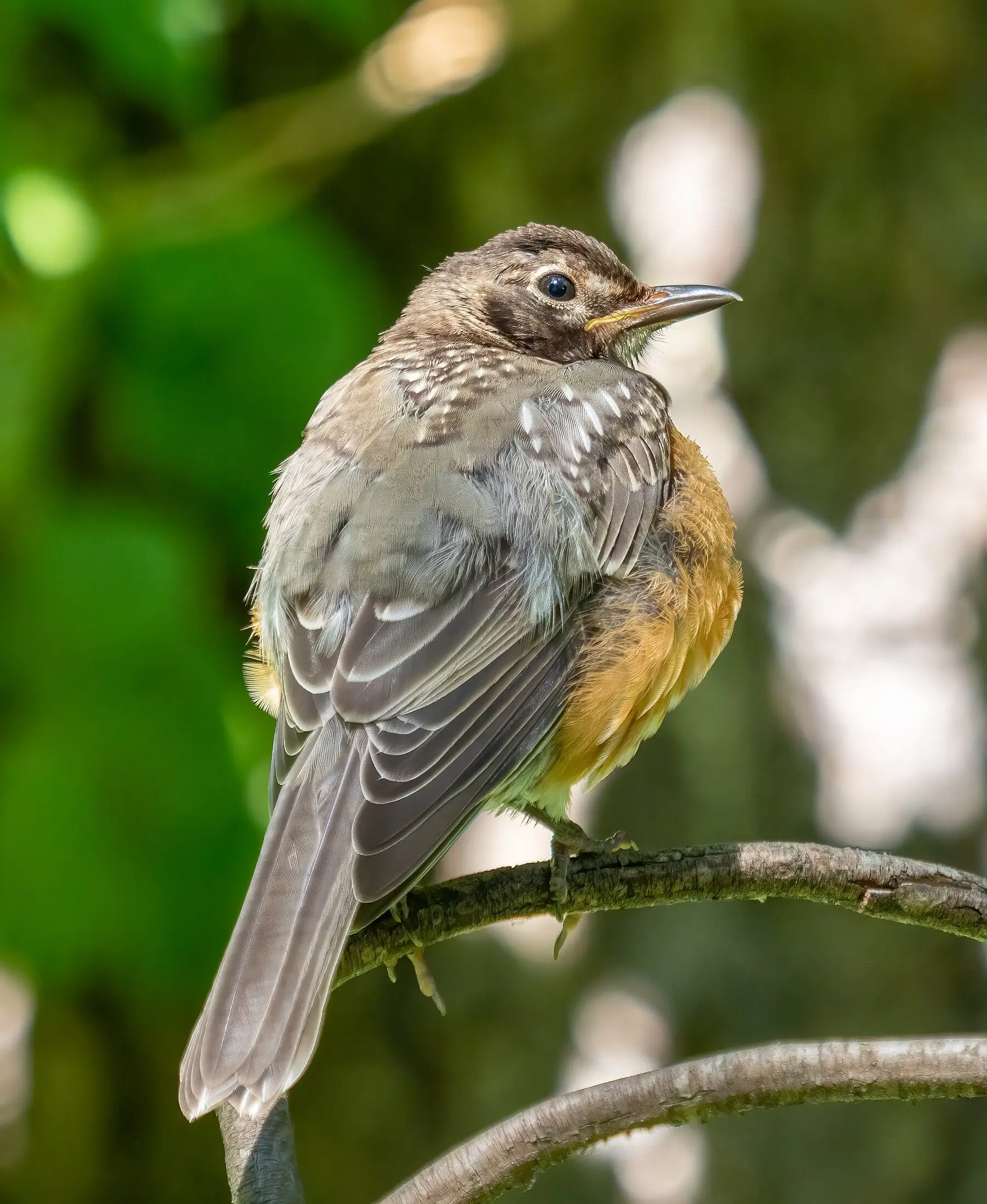
The bird people picture as the gentlest visitor on the lawn is one of its more efficient predators. A robin’s spring and summer diet is dominated by earthworms, beetles, grubs and caterpillars, shifting to fruit only as invertebrates become scarce.
And the head-tilting: it is locating worms by sight and hearing, not smell. The tilt puts one eye and one ear toward the ground.
Which bird you are watching do this depends entirely on where you are — the common backyard birds of Kentucky are a different cast from the ones in Arizona, and the feeding behaviour follows the species.
Common questions
Do birds eat meat?
Can I put meat out for birds in the garden?
Which garden birds take suet?
Do robins eat meat?
Is it bad to feed birds meat scraps?
Should I stop a hawk taking birds at my feeder?
Backyard Weekly
Know what to plant, week by week
Join the weekly email for seasonal jobs, fixes for what is going wrong, and gear worth buying.
Not ready to subscribe? The planting calendar is free and needs no email.
By subscribing you agree to our privacy policy. Grow In Backyard will never sell your address.
Keep reading
Best Bird Baths — 2 Inches Deep Is the Whole Secret
The best bird baths are 2 inches deep with a rough bottom. 6 picks compared on grip, depth and winter use. See which one birds will actually use.
Best Bird Food to Attract Colorful Birds — 6 by Species
The best bird food to attract colorful birds changes by species. 6 foods matched to cardinals, orioles, bluebirds and more. See which to put out first.
Best Bird Seed for Cardinals — 5 Picks, Safflower First
The best bird seed for cardinals is safflower, which squirrels leave alone. 5 seeds compared on pull, cost and mess. See which suits your feeder.
Do Birds Eat Tomatoes? They Are Usually After the Water
Birds peck tomatoes for moisture more than food, which is why you find one hole in six fruits. A birdbath fixes more of it than netting does.