
Do Squirrels Eat Bird Eggs? Yes, and Nestlings Too
Grey squirrels raid nests opportunistically, especially in spring when other food is scarce. How much it matters, and what actually protects a nest box.
 By

On this page
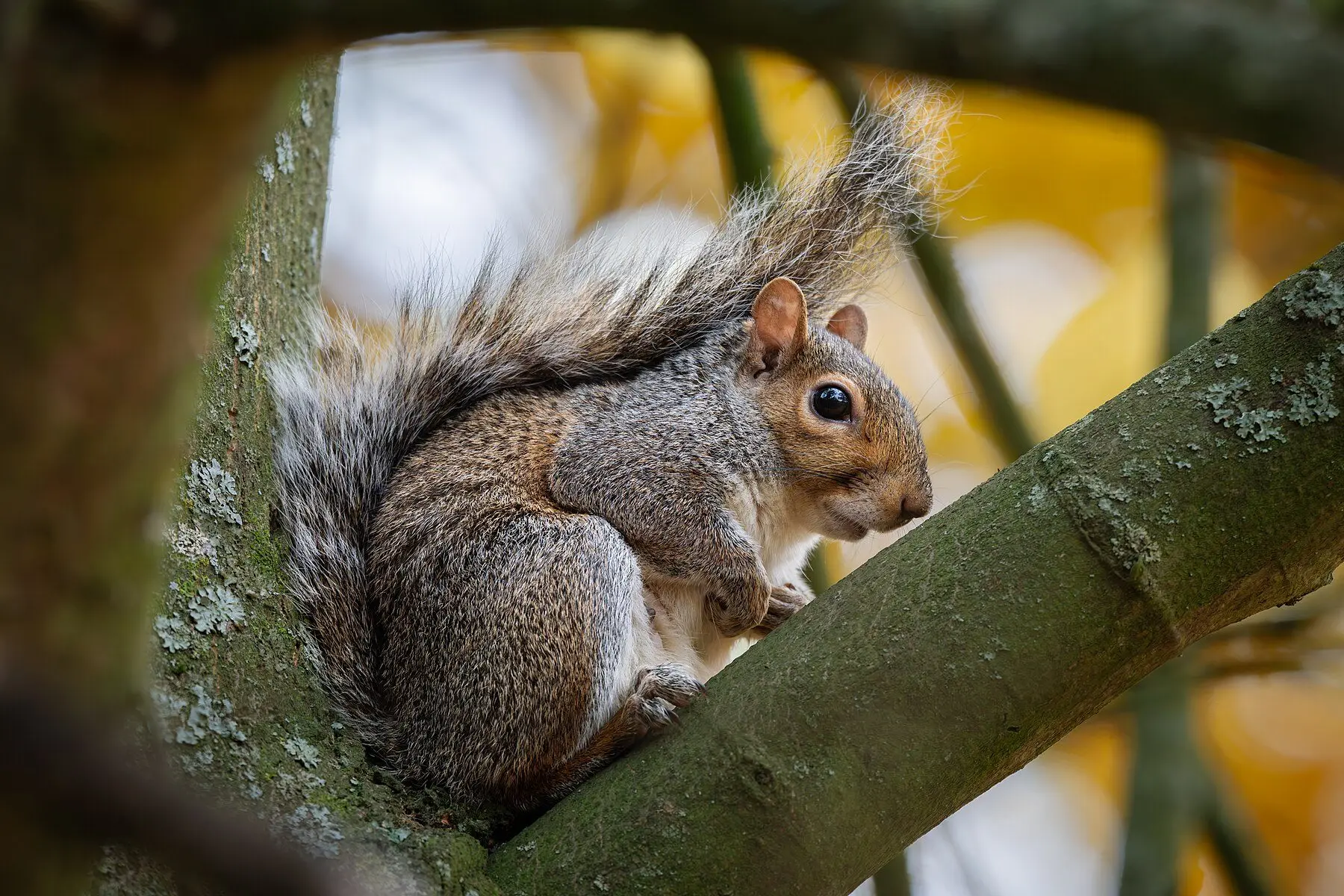
Yes. Squirrels are omnivores, not the nut-eating vegetarians they are usually pictured as, and a squirrel that finds an accessible nest will generally empty it.
It is opportunistic rather than systematic — but it happens often enough to design nest boxes around.
Why they do it
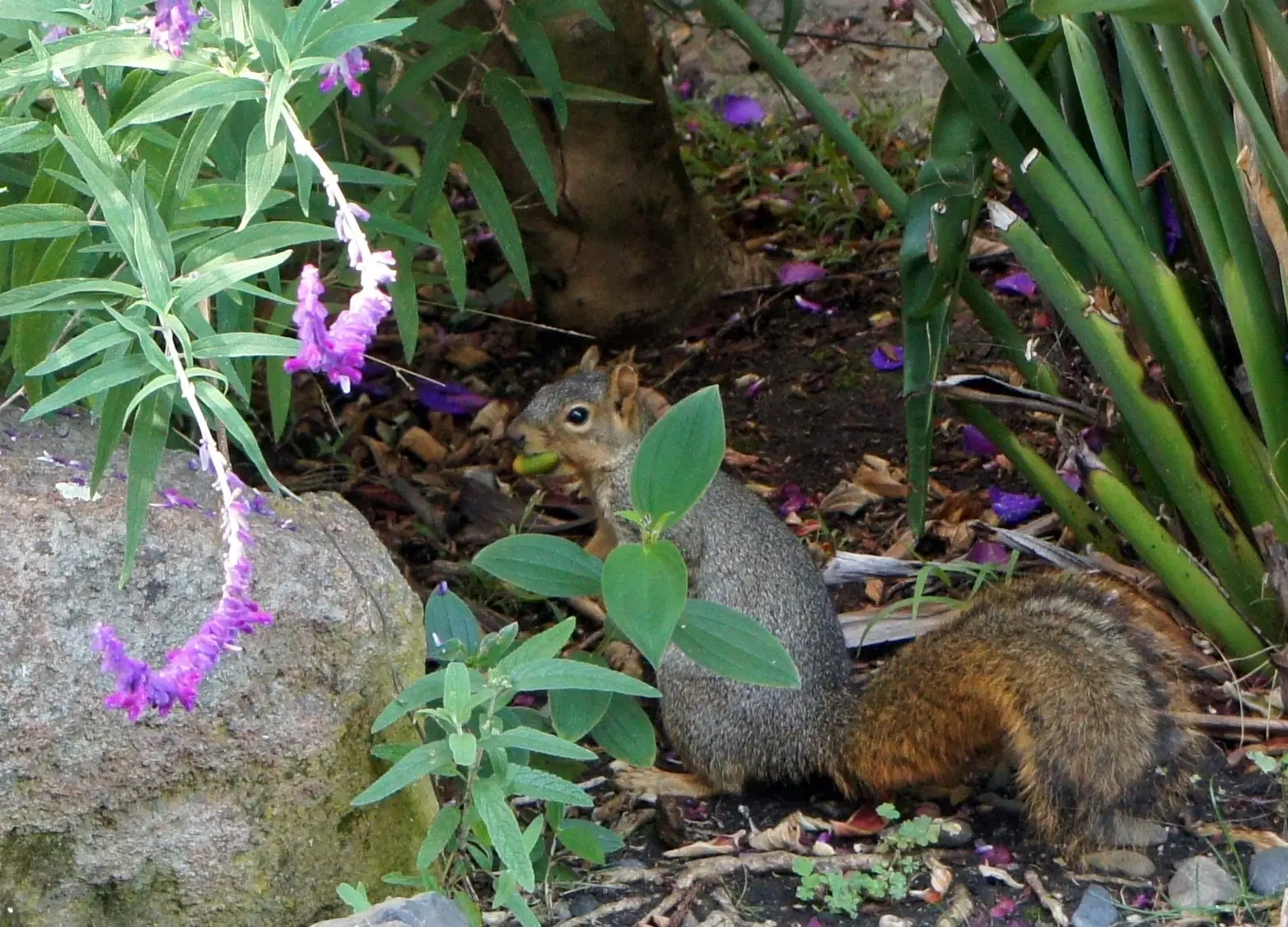
Squirrels are omnivores. The diet is mostly nuts, seeds, buds, fungi and fruit — but it includes insects, eggs, nestlings and carrion when the opportunity arises.
The timing is the tell. Nest raiding peaks in late winter and spring, which is exactly when cached nuts have been exhausted and the new season’s food has not arrived. It is a gap in the calendar, and eggs are concentrated protein sitting in an obvious container.
Grey squirrels are recorded doing this more than reds — more numerous, more urban, and bolder around nest sites.
Keeping it in proportion
Squirrels are a long way from the main threat to a nest.
| Predator | Takes |
|---|---|
| Domestic cats | Adults, fledglings, nestlings — by a very large margin the biggest killer |
| Corvids — jays, crows, magpies | Eggs and nestlings, systematically |
| Snakes | Eggs and nestlings; excellent climbers |
| Raccoons | Eggs, nestlings, whole nest boxes |
| Squirrels, chipmunks | Eggs, some nestlings, opportunistically |
| Rats, opossums | Eggs, nestlings |
Songbirds lay multiple clutches in a season precisely because predation is expected. A raided nest is not usually a population problem — it is how the system has always worked.
Protecting a nest box
The practical part, and it is genuinely effective:
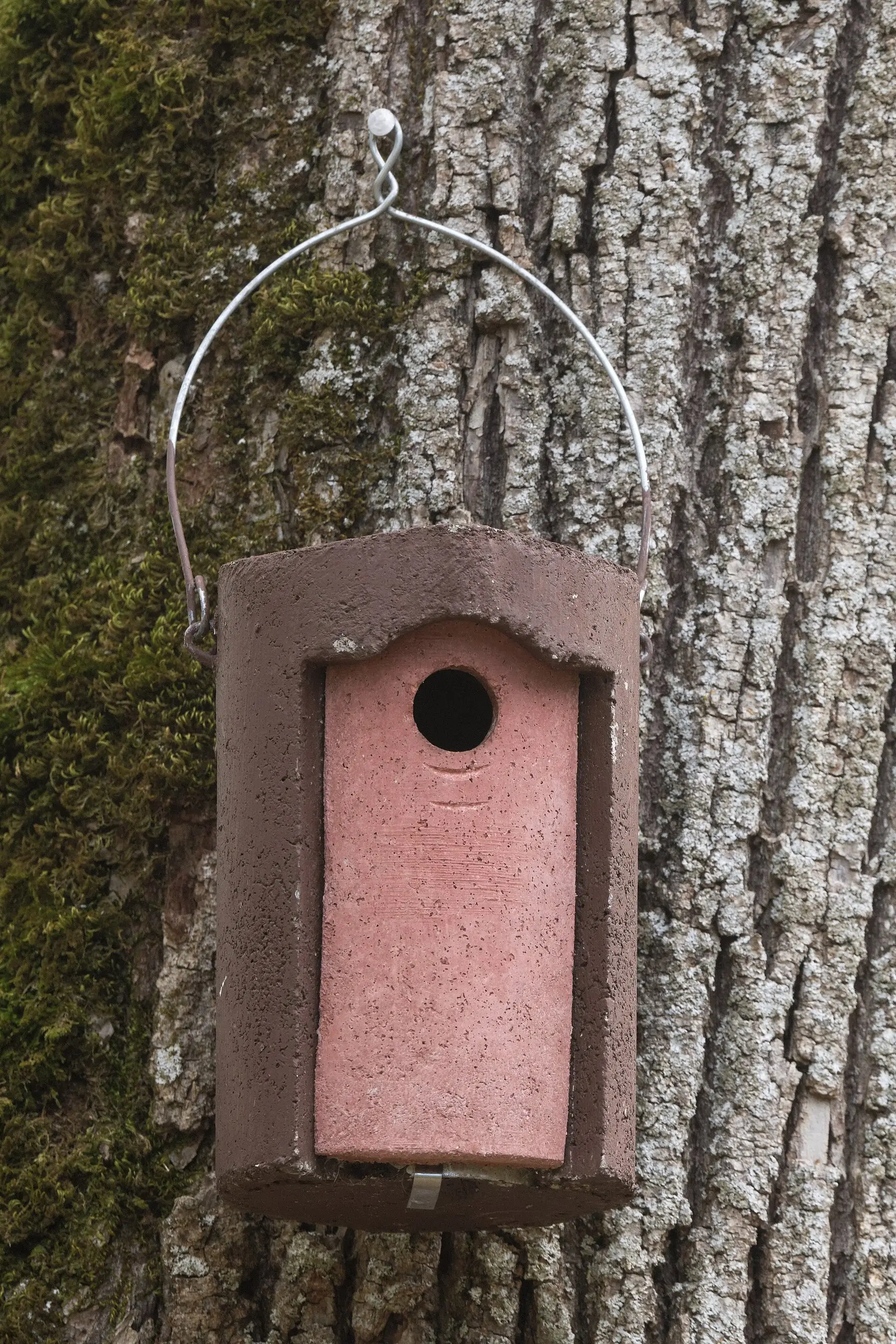
- Metal entrance plate. Squirrels usually get in by chewing the hole wider, and a metal plate makes that impossible. The single highest-value upgrade.
- Correct hole size for the species you want, and no larger.
- A deep box, so the nest sits well below the entrance and cannot be reached by a paw from outside.
- Smooth metal pole, not a tree, with a baffle below the box.
- Ten feet of clearance from anything a squirrel can launch off — fences, branches, sheds.
- No perch below the hole. Birds do not need one; predators use them.
A baffle beats everything else on a pole-mounted box
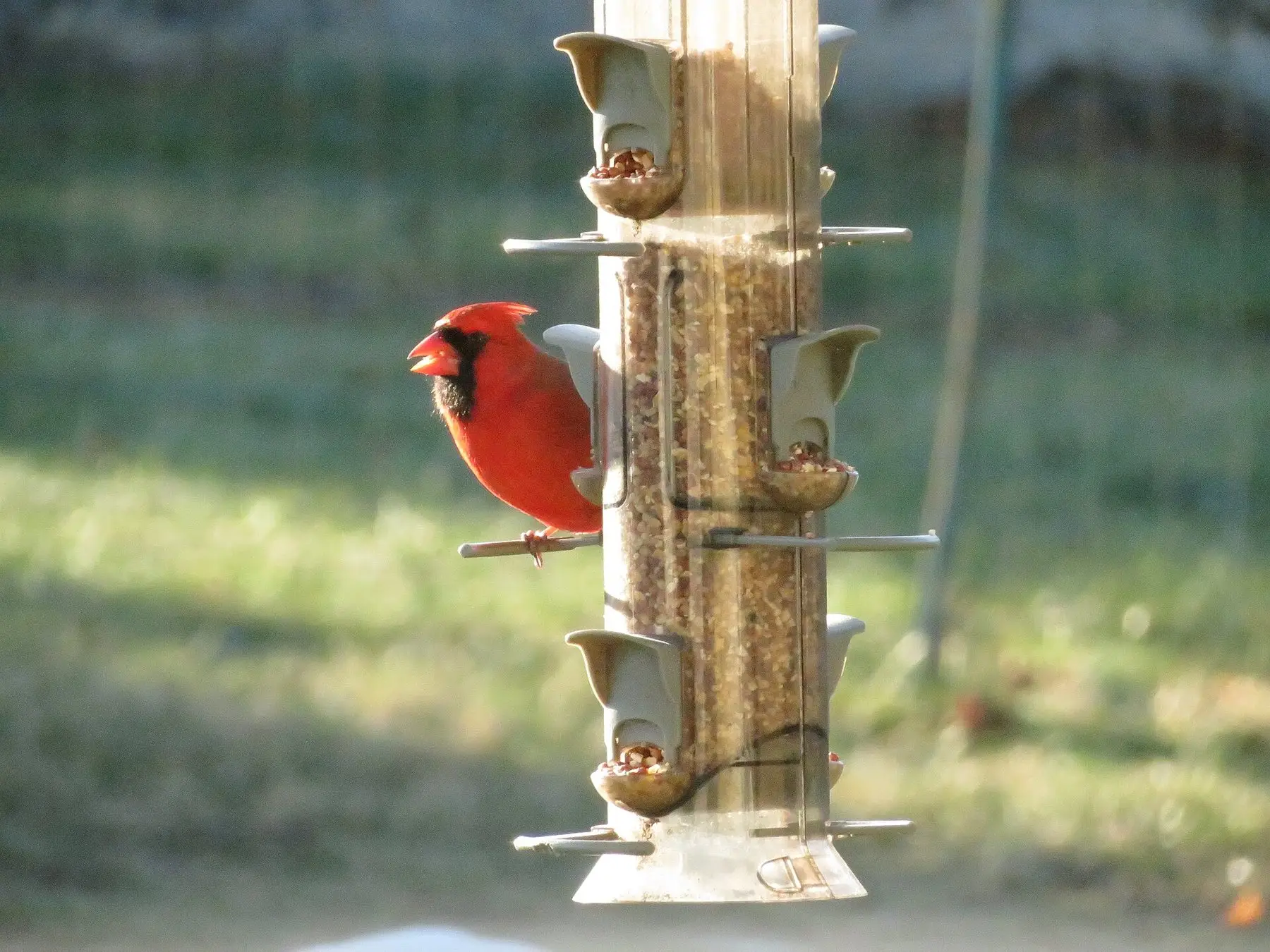
A cone or cylinder baffle on a smooth pole defeats squirrels, rats and raccoons simultaneously. It is the same hardware that works on a bird feeder, and it is more effective than anything applied to the box itself.
The feeder connection
Worth knowing if you feed birds: a busy feeding station raises local squirrel and corvid densities above what the habitat would otherwise support — and both raid nests.
That is not an argument against feeding birds. It is an argument for baffling your feeders, keeping spilled seed cleared, and not feeding squirrels deliberately in an area where you also want birds nesting successfully.
If you catch one in the act
Leave it. Intervening rarely changes the outcome for that nest, and in many countries both the birds and the squirrels carry legal protections that make interference an offence.
Fix the box for next season instead — that is the intervention that works.
Common questions
Do squirrels eat bird eggs?
Do squirrels eat baby birds?
What else eats bird eggs?
How do you stop squirrels raiding a nest box?
Does feeding squirrels reduce nest raiding?
Should you intervene if a squirrel raids a nest?
Backyard Weekly
Know what to plant, week by week
Join the weekly email for seasonal jobs, fixes for what is going wrong, and gear worth buying.
Not ready to subscribe? The planting calendar is free and needs no email.
By subscribing you agree to our privacy policy. Grow In Backyard will never sell your address.
Keep reading
Squirrel-Proof Bird Feeders — 5 Measures That Stop Them
Squirrel-proof bird feeders work on distance and mechanism, not claims. 5 measures compared on cost and success. See which suits your yard.
Bird House Hole Size: The Number That Picks the Tenant
Entrance diameter decides which species can use a box and which predators cannot. A size chart, the dimensions that go with each, and why perches are harmful.
Will Squirrels Eat Your Garden? What's Actually at Risk
Squirrels dig up bulbs, strip tomatoes, and raid every nut tree in reach — but leave most vegetables alone. What they actually target, and what stops them.
Do Wind Chimes Scare Hummingbirds? Mostly No, With Caveats
Hummingbirds habituate to steady sound quickly. What actually unsettles them is sudden movement and flash — and where you hang the thing matters more.