
Do Wind Chimes Scare Hummingbirds? Mostly No, With Caveats
Hummingbirds habituate to steady sound quickly. What actually unsettles them is sudden movement and flash — and where you hang the thing matters more.
 By

On this page
Mostly no. Hummingbirds habituate to steady sound fast — but the question hides a better one, which is what actually does empty a feeder.
Why sound barely registers
Habituation is the whole explanation. A stimulus that repeats, carries no consequence and predicts nothing stops being worth responding to — and a bird that burned energy startling at every noise would not last a season.
Hummingbirds nest in cities, feed along busy roads, and will keep working a feeder while a mower runs in the next garden. A chime is quieter and more regular than any of that.
Predictable is the operative word
A new, loud, irregular noise right beside a feeder can cause a few days of avoidance. The birds are not scared of chimes as a category — they are briefly wary of change, and then they are not.
What they do react to
| Cause | Effect on feeder traffic |
|---|---|
| A dominant male defending the feeder | Severe. Drives off most other birds |
| Cats with access below the feeder | Severe, and the one with real consequences |
| Fermented or mouldy nectar | Severe — abandonment, not fear |
| Spinning, flashing reflective objects | Moderate, close up |
| People passing within a metre, often | Mild |
| Wind chimes | Minimal after a few days |
The first line is the one people miss. Another hummingbird is the biggest deterrent in your garden, by a wide margin, and no amount of rearranging ornaments changes that. Two or three feeders out of sight of one another does.
Where to hang it anyway
If you want both, the siting is simple:
- Three to four metres from the feeder, which is plenty
- Out of the approach line — the route from the perch the birds use to come in
- Large reflective chimes farther away than small wood or bamboo ones
- Somewhere it cannot swing into the feeder itself in a gust
- Put it up and leave it. Moving it repeatedly resets the habituation
And if the feeder has gone quiet
Check the obvious things before blaming the ornaments:
- The nectar. Cloudy or mouldy means abandoned — change every two days in heat
- A bully bird. One male on a perch nearby, chasing all comers
- Cats. Clear access under and around the feeder
- The season. In midsummer the females are nesting; in autumn the birds have gone
Those four account for nearly every empty feeder. The chime almost never does.
Common questions
Do wind chimes scare hummingbirds away?
What actually scares hummingbirds away from a feeder?
Where should I hang a wind chime if I feed hummingbirds?
Do hummingbirds mind noise generally?
Backyard Weekly
Know what to plant, week by week
Join the weekly email for seasonal jobs, fixes for what is going wrong, and gear worth buying.
Not ready to subscribe? The planting calendar is free and needs no email.
By subscribing you agree to our privacy policy. Grow In Backyard will never sell your address.
Keep reading
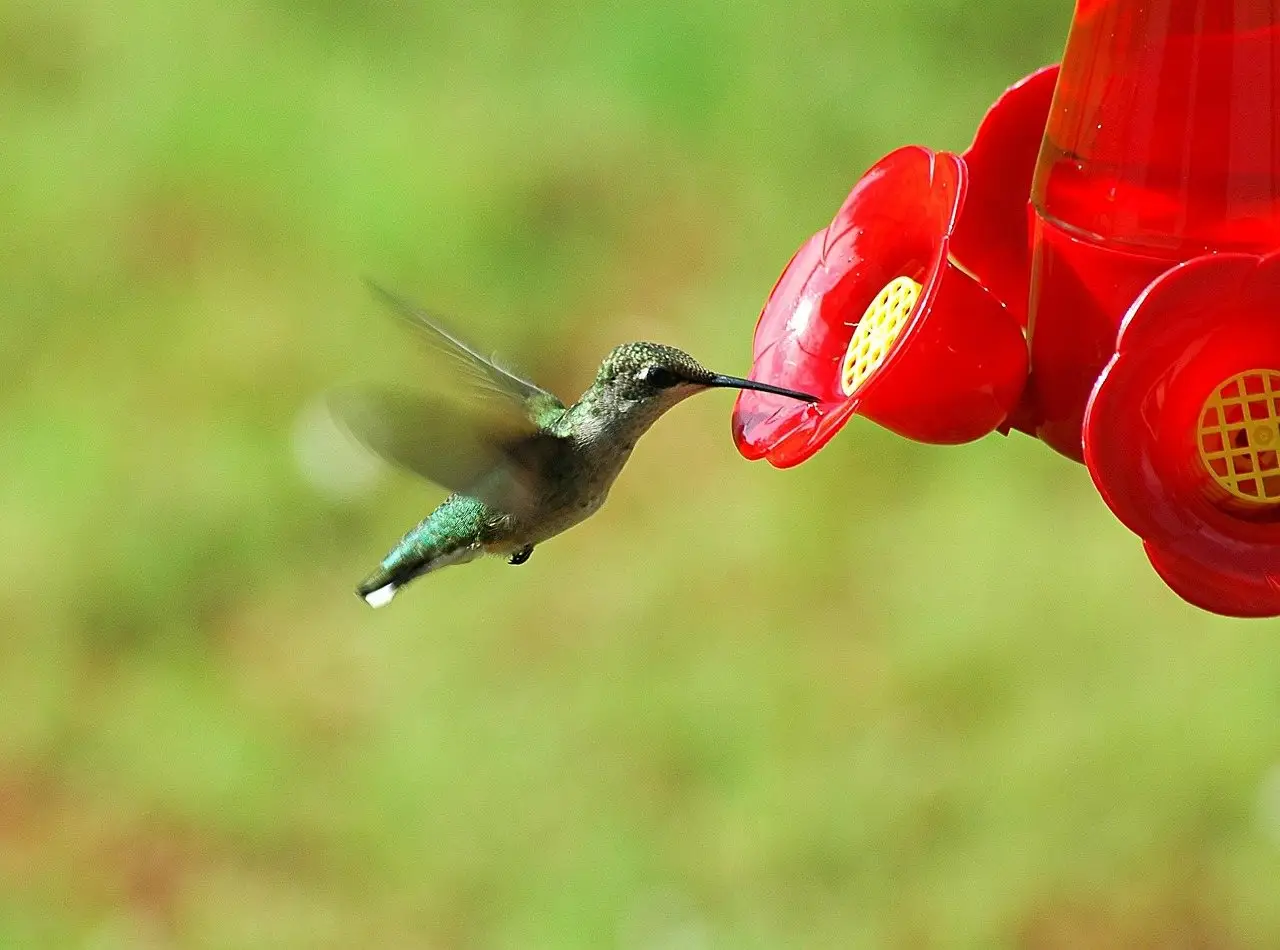
Why Did My Hummingbirds Leave? What Actually Triggers It
Hummingbirds vanish for four different reasons, and only one is migration. Day length drives departure — your feeder has nothing to do with it.
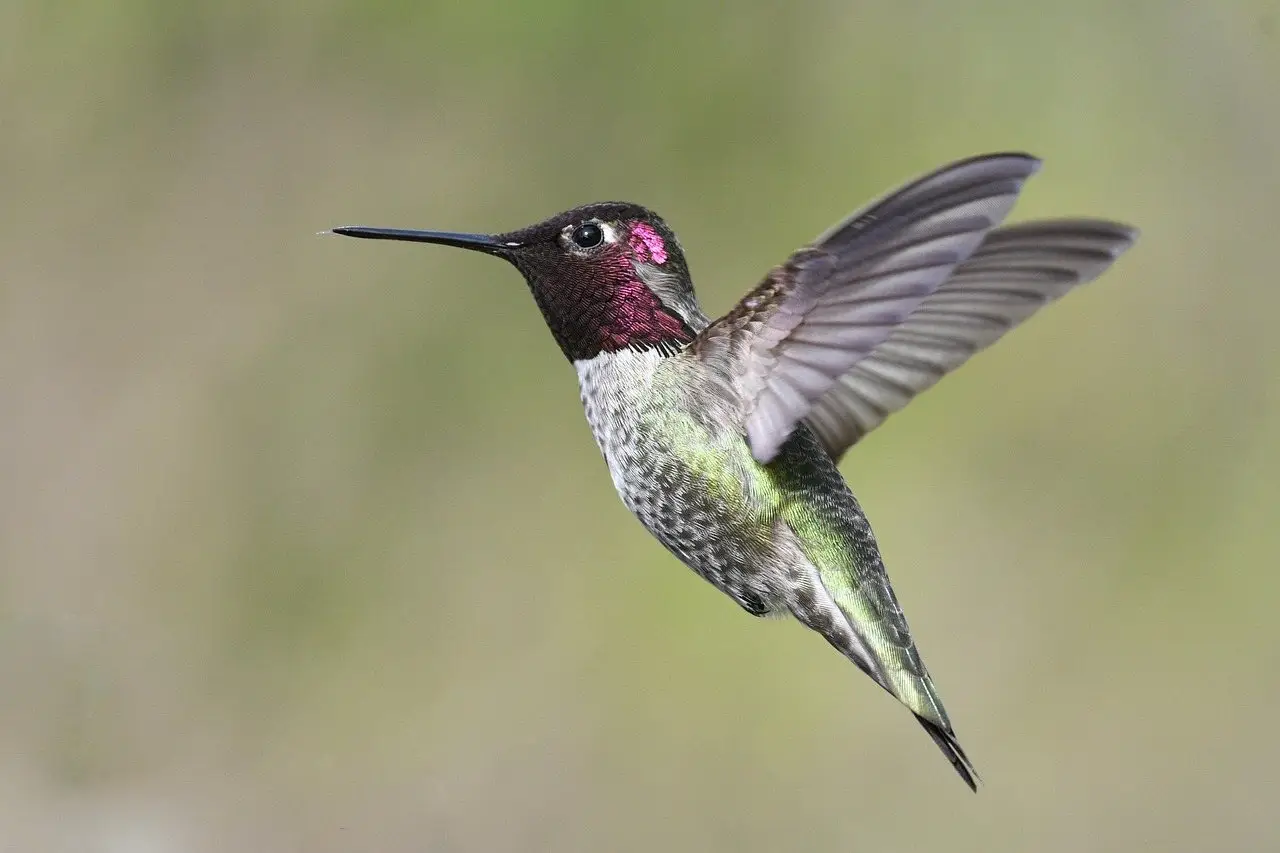
Why Do Hummingbirds Fly So Close to Me? Five Real Reasons
A hummingbird hovering inches from your face is assessing you, inspecting your clothes, or telling you the feeder is empty. None of it is aggression.
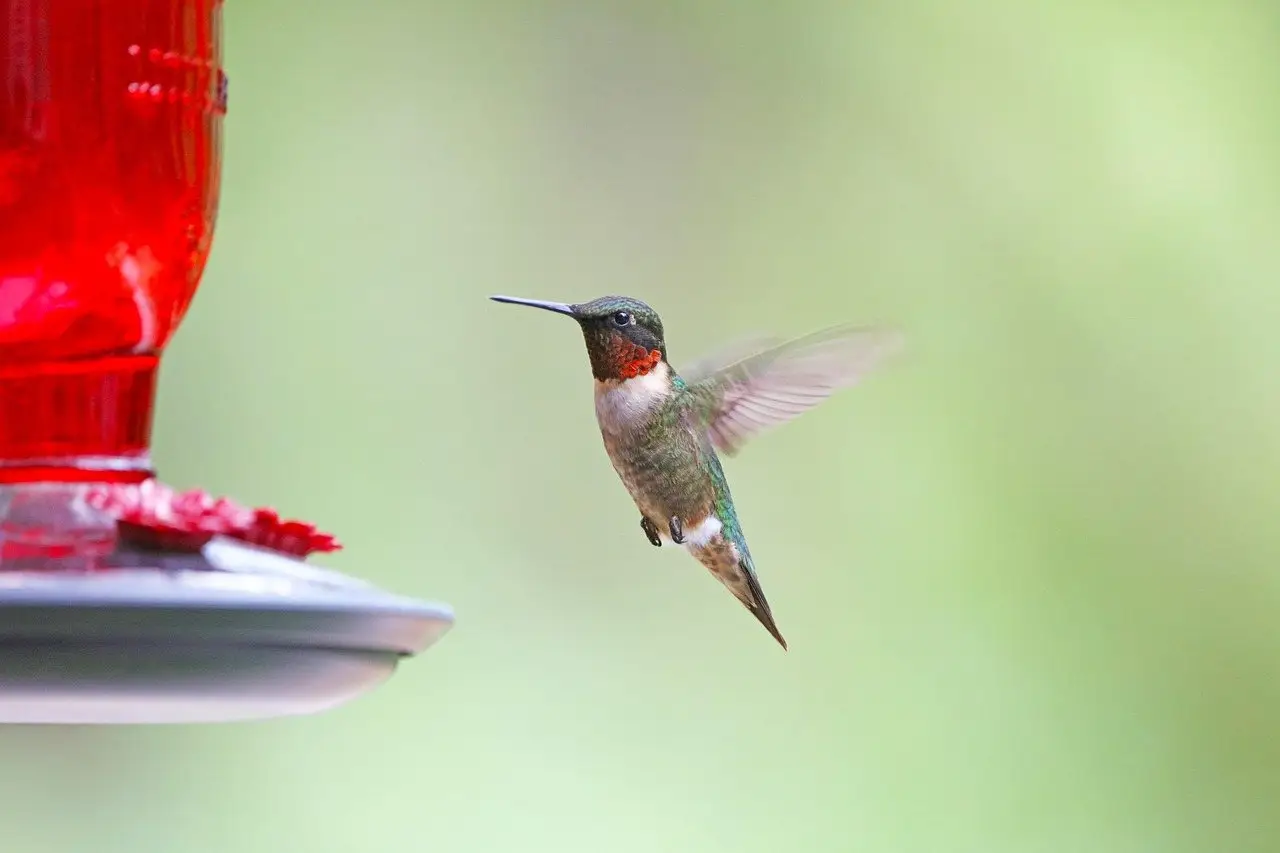
Do Hummingbirds Know Who Feeds Them? What the Evidence Says
Hummingbirds have exceptional spatial memory and track individual flowers over time. Whether they recognise you personally is a harder question.

Do Wind Chimes Scare Birds Away? Briefly, Then No
Wind chimes startle birds at first and stop working within days as they habituate. What actually deters birds, and what it costs you at the feeder.