
Why Do Hummingbirds Fly So Close to Me? Five Real Reasons
A hummingbird hovering inches from your face is assessing you, inspecting your clothes, or telling you the feeder is empty. None of it is aggression.
 By
On this page
A hummingbird holding position a foot from your face is assessing you. It is one of five things, none of them aggression, and the bird is in no danger from the encounter — nor are you.
The five reasons
| What it looks like | What it is |
|---|---|
| Hovers, holds position, stares | Assessment — threat, obstacle or food? |
| Zips to your shirt, hat or phone, leaves | Colour inspection — red checked like a flower |
| Hovers near you and the feeder | The feeder is empty, dirty or moved |
| Repeated dives, loud, same spot | Nest defence. Back off a few metres |
| Follows you around the garden briefly | Curiosity about something new |
Why a bird this small is not nervous of you
Hovering costs a hummingbird less than you would think, and flight gives it an escape it trusts completely. It can accelerate out of reach faster than anything in the garden can move. That confidence is why a bird will come close enough to inspect a person when a sparrow would not.
The aggression is real — just not toward you
Hummingbirds are famously combative. A male will chase off other hummingbirds, and sometimes birds many times his size, from a feeder he considers his.
You are not competition. A person near a feeder gets assessed; another hummingbird near it gets chased.
The red clothing thing is real
Many of the flowers hummingbirds feed from are red, and the response to red is strong enough that a red shirt, a red hat or a red phone case gets investigated. The bird checks, finds no nectar, and leaves. That is the whole event.
Red clothing yes, red nectar never
The feeder itself can be red — most are, and that is fine. The liquid should be clear. Plain white sugar, one part to four parts water, and nothing else. Dye serves no purpose the feeder’s own colour does not already serve.
When it is a nest
A female defending a nest will make close, fast, noisy passes at anything large nearby — people, cats, dogs. It is a bluff, and it works because it is startling.
- Back off five or six metres and it stops immediately
- Look up before you assume otherwise. Nests are walnut-sized, bound with spider silk and camouflaged with lichen, usually on a thin down-sloping branch
- Leave the area alone for a few weeks rather than trying to work around it
- Keep cats in, which matters far more to the outcome than anything else you do
What to do when one hovers in front of you
Nothing. Stay still and let it finish.
The bird is working something out and will be gone in seconds. Flinching or swatting is the only way the encounter goes badly, and it goes badly for the bird — a three-gram animal and a moving hand is not an even contest.
If it keeps happening near the feeder, go and look at the feeder. In hot weather, nectar can ferment in two days, and a bird hovering pointedly beside an empty one is the most useful reminder you will get.
Common questions
Why do hummingbirds fly right up to my face?
Are hummingbirds dangerous or aggressive to people?
Does wearing red attract hummingbirds?
Why does a hummingbird hover and stare at me near the feeder?
Will a hummingbird attack me if I am near its nest?
Backyard Weekly
Know what to plant, week by week
Join the weekly email for seasonal jobs, fixes for what is going wrong, and gear worth buying.
Not ready to subscribe? The planting calendar is free and needs no email.
By subscribing you agree to our privacy policy. Grow In Backyard will never sell your address.
Keep reading
Do Hummingbirds Know Who Feeds Them? What the Evidence Says
Hummingbirds have exceptional spatial memory and track individual flowers over time. Whether they recognise you personally is a harder question.
Why Do Male Hummingbirds Chase Females From Feeders?
Territorial defence, not courtship. A dominant male guards a feeder as a food patch, and the fix is making the feeder impossible to guard.
Why Did My Hummingbirds Leave? What Actually Triggers It
Hummingbirds vanish for four different reasons, and only one is migration. Day length drives departure — your feeder has nothing to do with it.
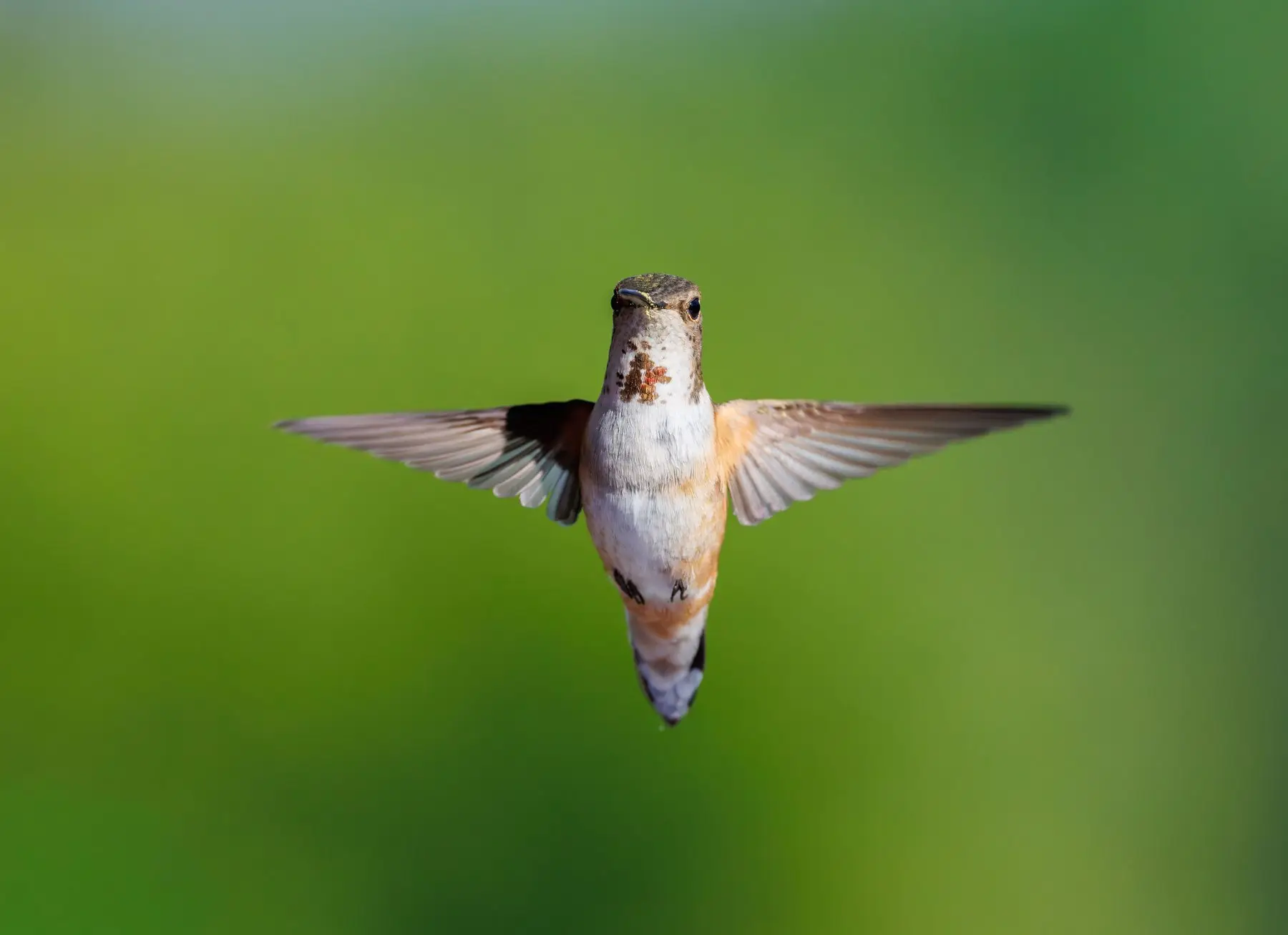
Why Do Hummingbirds Hover in Your Face? They're Assessing You
A hummingbird hovering inches away is gathering information — checking a food source, inspecting red clothing, or telling you the feeder is empty.