
Why Do Male Hummingbirds Chase Females From Feeders?
Territorial defence, not courtship. A dominant male guards a feeder as a food patch, and the fix is making the feeder impossible to guard.
 By
On this page
Territorial defence of a food patch — not courtship, and nothing personal about the female. Outside a few seconds of display, every other hummingbird is a competitor.
The economics, from the bird’s side
A hummingbird lives on an energy margin thin enough that the decision to fight or feed elsewhere is close to arithmetic.
An individual flower holds a trivial amount of nectar and refills slowly. A feeder holds more sugar than a bird could drink in a day and never runs out. Guarding it is expensive — chasing costs energy, and time on a perch is time not feeding — but the prize is large enough and concentrated enough that the sums work.
So the bird takes a perch with a clear view, and drives off everything that comes.
The females are not being singled out
A dominant male chases males, females and juveniles alike. It looks pointed when a female is driven off because people read courtship into it, but the bird is not making that distinction — it is counting competitors at a food source.
Why your three feeders on one pole did nothing
This is the mistake that wastes most people’s money.
A hummingbird’s territory is a space, not a feeder. Three feeders hanging within sight of each other is one patch with three taps, and one bird can sit above the lot and defend all of them from a single perch.
| Arrangement | Result |
|---|---|
| One feeder | One bird holds it. Everything else is chased |
| Three feeders, one pole | No change. One territory, one guard |
| Three feeders, same fence line | Little change — still one sightline |
| Feeders on opposite sides of the house | Works. Cannot be guarded at once |
| Feeders around corners, out of sight | Works best |
The fix, in order of effect
- Three or four feeders, out of sight of one another. Different sides of the house, around a corner, screened by a shrub. This single change does more than everything below combined
- Remove the perches. A bird that must hover to drink spends less time sitting sentry, and several feeders are designed without them for exactly this reason
- Multiple ports per feeder, so more than one bird can feed at once when the guard is distracted
- Add flowering plants away from the feeders — salvia, bee balm, cardinal flower, fuchsia — so there is food that cannot be defended at all
- Keep every feeder clean. More feeders means more cleaning, and a fermented one is worse than no feeder
Out of sight is the operative phrase
If the guard bird can see two feeders from one perch, you have one feeder as far as it is concerned. The question to ask of any placement is simply: can one bird watch both at once?
Why late summer is the worst of it
From late July, hummingbirds from farther north pass through on migration, and the number of birds competing for the same garden rises sharply. At the same time, birds preparing to migrate are feeding hard to lay down fat for the flight.
More competitors, higher stakes. The aggression peaks right when the garden is busiest, which is the point in the year when extra feeders earn their keep.
Whether to intervene
No, beyond the feeder arrangement. Chasing rarely injures anyone, and the displays are how hummingbirds have always sorted out access to food.
What it genuinely costs you is variety — one determined male can reduce a garden that held six birds to a garden that holds one. That is a reason to spread the food out, not a reason to try to manage the bird.
Common questions
Why do male hummingbirds chase females away from feeders?
How do I stop one hummingbird bullying the others?
Is the chasing harmful?
Do female hummingbirds defend territories too?
Why does it get worse in late summer?
Backyard Weekly
Know what to plant, week by week
Join the weekly email for seasonal jobs, fixes for what is going wrong, and gear worth buying.
Not ready to subscribe? The planting calendar is free and needs no email.
By subscribing you agree to our privacy policy. Grow In Backyard will never sell your address.
Keep reading
Why Did My Hummingbirds Leave? What Actually Triggers It
Hummingbirds vanish for four different reasons, and only one is migration. Day length drives departure — your feeder has nothing to do with it.
Do Hummingbirds Know Who Feeds Them? What the Evidence Says
Hummingbirds have exceptional spatial memory and track individual flowers over time. Whether they recognise you personally is a harder question.
Why Do Hummingbirds Fly So Close to Me? Five Real Reasons
A hummingbird hovering inches from your face is assessing you, inspecting your clothes, or telling you the feeder is empty. None of it is aggression.
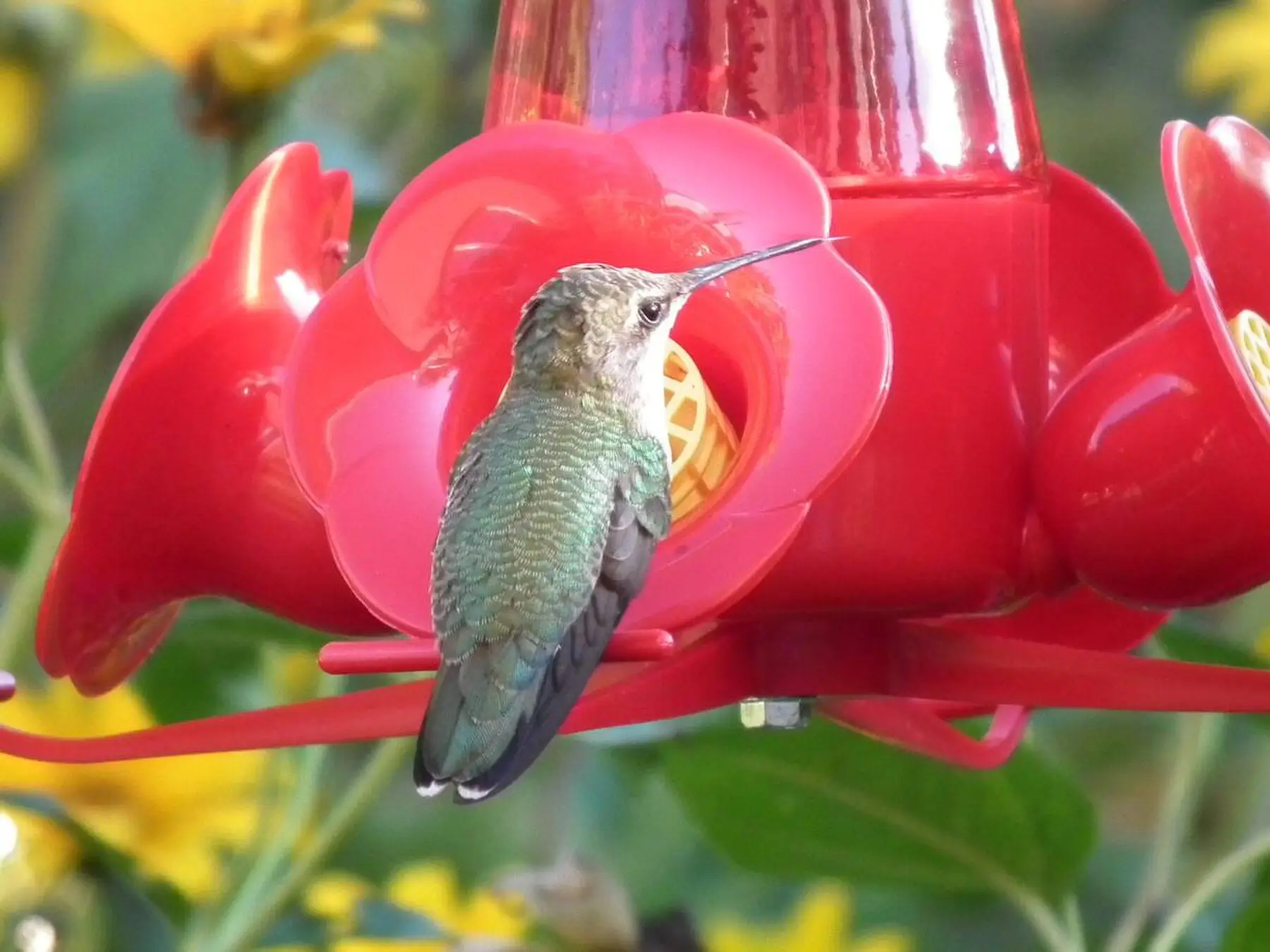
Why Hummingbirds Stopped Coming to Your Feeder
Spoiled nectar, natural flowers, migration, or one bird driving the rest off. The order to check them in, and the feeder mistake most people are making.