
Why Hummingbirds Stopped Coming to Your Feeder
Spoiled nectar, natural flowers, migration, or one bird driving the rest off. The order to check them in, and the feeder mistake most people are making.
 By

On this page
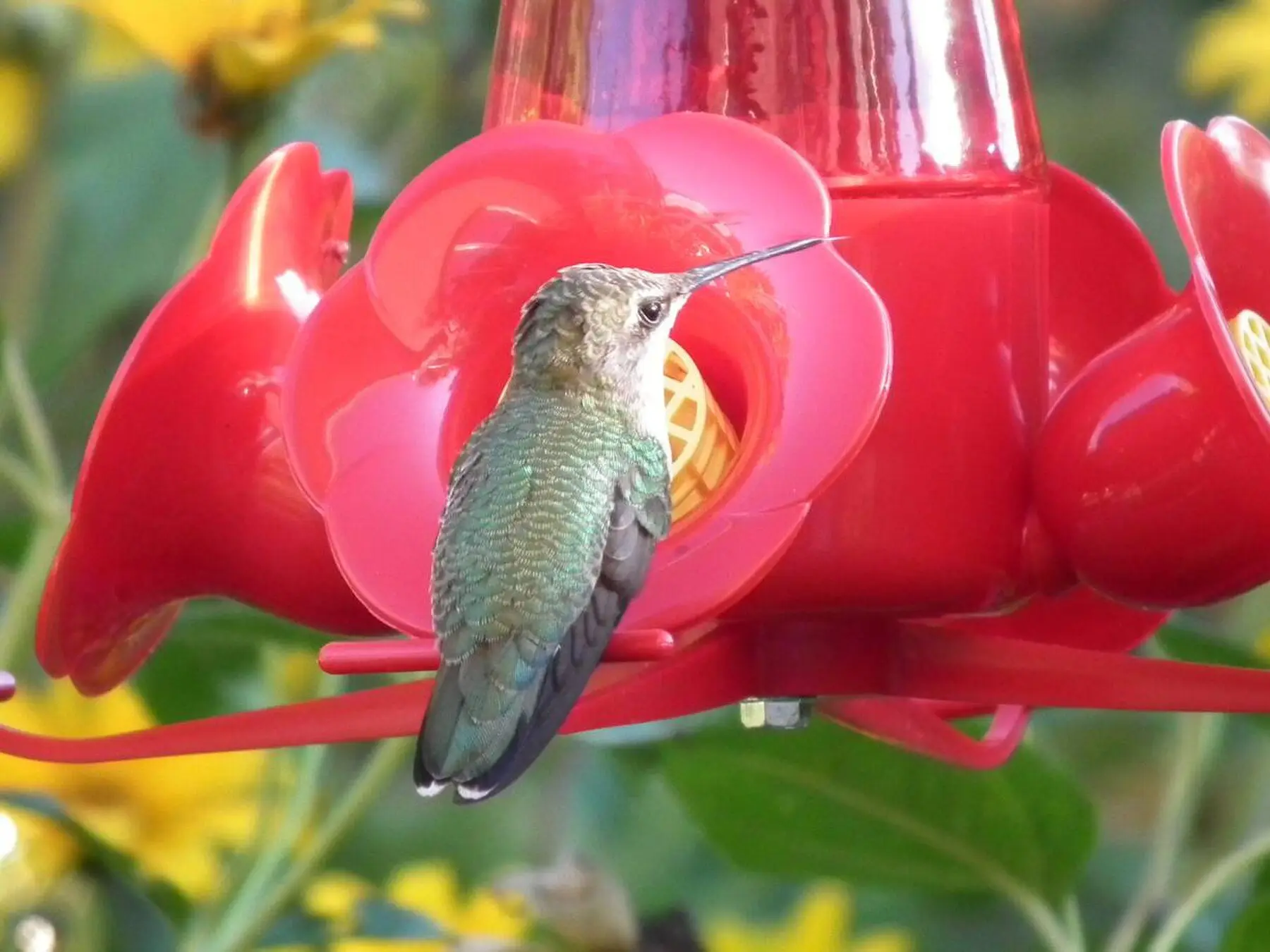
Hummingbirds abandoning a feeder is nearly always one of five things, and they are worth checking in order — because the first one is both the most common and the only one that is your fault.
Work through it in this order
1. The nectar has gone off. The most common cause and the easiest to fix.
Sugar water ferments within two or three days above about 90°F, and black spots inside the feeder are mould, which is genuinely harmful to hummingbirds.
| Temperature | Change every |
|---|---|
| Above 90°F | 2 days |
| 80–90°F | 3 days |
| 70–80°F | 4 days |
| Below 70°F | 5 days |
Wash with hot water and a brush each time. Use vinegar for stubborn residue rather than soap, which can leave a film they detect.
2. The flowers came out. When local nectar plants bloom, fresh flowers beat a feeder every time. This is a good sign about your area, and they return when the bloom passes.
3. Migration. Numbers change sharply in spring and autumn. Ruby-throated hummingbirds cross the Gulf of Mexico; western species move down the Pacific flyway. A garden can empty in a week.
4. A dominant bird. Territorial defence makes a busy garden look deserted — one bird perched nearby, driving off every arrival.
5. Nesting. Females feed quickly and discreetly while sitting, so a midsummer lull is often just breeding season.
The recipe, and the two things to avoid
Four parts water to one part plain white sugar. Stir until dissolved. Boiling is optional and only slows fermentation slightly.
No red dye, no honey
Red dye is unnecessary — the feeder’s own colour does the attracting — and its safety for hummingbirds has never been established.
Honey ferments rapidly and can grow a fungus that is fatal to hummingbirds. It is the single worst thing to put in a feeder.
Also avoid brown sugar, raw sugar, molasses and artificial sweeteners. Plain white sugar is closest to flower nectar and is what they need.
If you are building the yard out for colour rather than hummingbirds alone, our guide to the best bird food to attract colorful birds sets out what each bright species actually eats.
Getting more of them
Multiple feeders, out of sight of one another. The single most effective change — a hummingbird can only defend what it can see, so breaking the line of sight defeats the dominant bird.
Plant for them: salvia, bee balm, cardinal flower, trumpet vine, columbine, fuchsia. Tubular red and orange flowers especially.
Add moving water. A mister or a dripper is very attractive to them; they bathe in fine spray rather than standing water.
Keep ants and bees off with an ant moat above the feeder and bee guards on the ports — a feeder overrun with insects gets abandoned.
Leave spider webs alone where you can. Hummingbirds use spider silk to build nests.
When to take feeders down
Two to three weeks after your last sighting.
Leaving them up does not stop birds migrating — migration is triggered by day length and hormones, not food supply. What late feeders do is support stragglers and late migrants passing through, which is why birding organisations recommend leaving them rather than removing them early.
In frost-prone areas, bring feeders in overnight and put them back at dawn once temperatures drop.
Common questions
Why did hummingbirds stop coming to my feeder?
How often should hummingbird nectar be changed?
What is the correct hummingbird nectar recipe?
Will leaving feeders up stop hummingbirds migrating?
Why do I only ever see one hummingbird?
Where do hummingbirds go in late summer?
Backyard Weekly
Know what to plant, week by week
Join the weekly email for seasonal jobs, fixes for what is going wrong, and gear worth buying.
Not ready to subscribe? The planting calendar is free and needs no email.
By subscribing you agree to our privacy policy. Grow In Backyard will never sell your address.
Keep reading
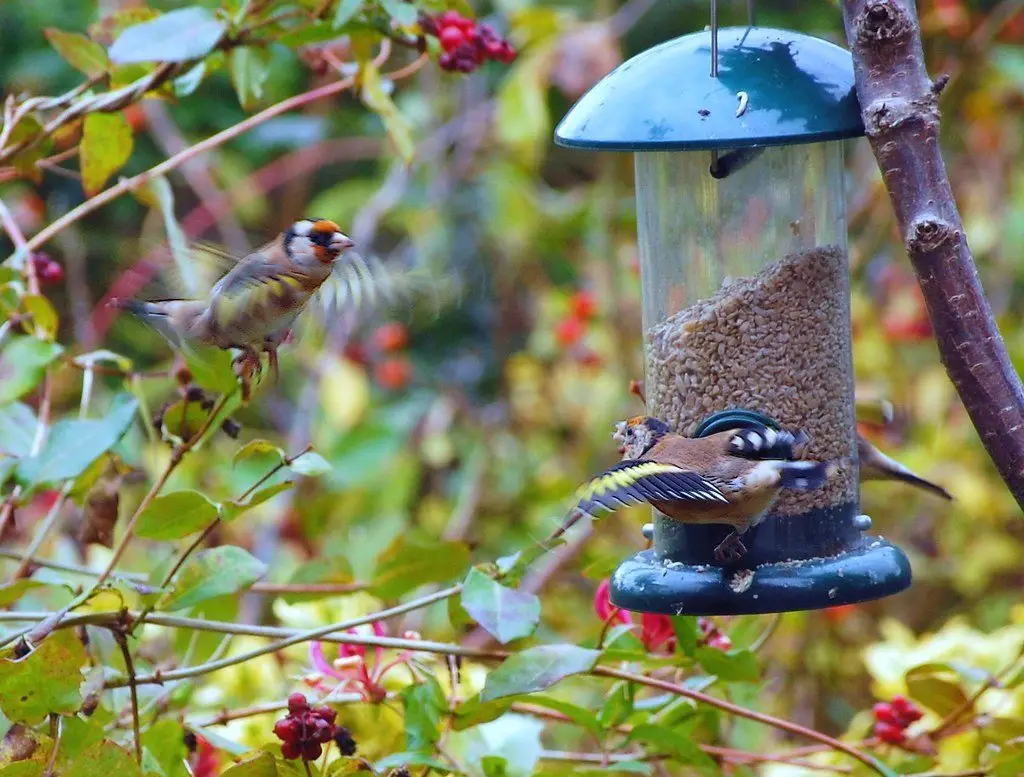
Best Bird Food to Attract Colorful Birds — 6 by Species
The best bird food to attract colorful birds changes by species. 6 foods matched to cardinals, orioles, bluebirds and more. See which to put out first.
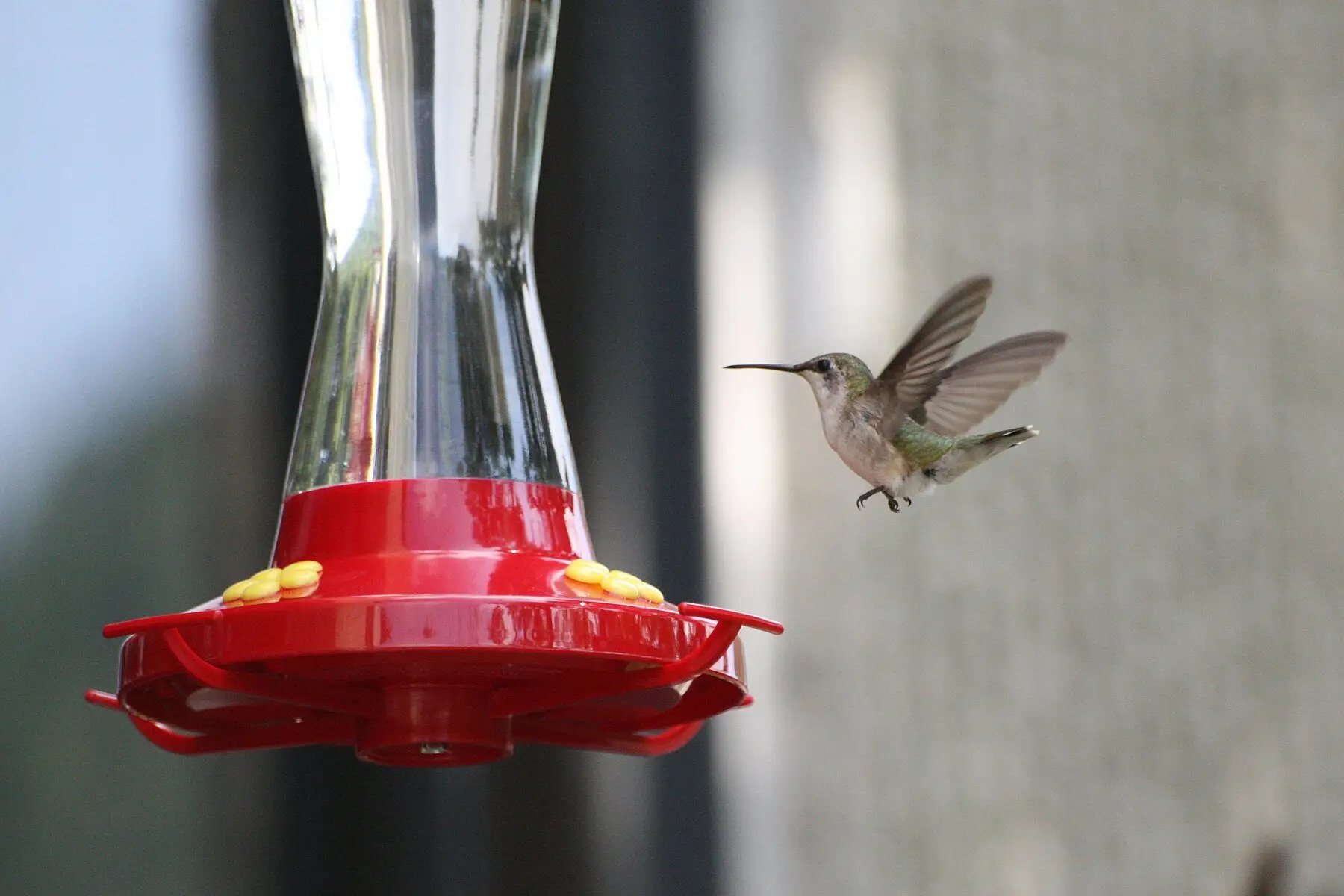
Why Do Hummingbirds Chase Each Other? Territory, Mostly
Hummingbirds are aggressively territorial over food, and a single bird will guard a feeder against all comers. How to stop one monopolising yours.
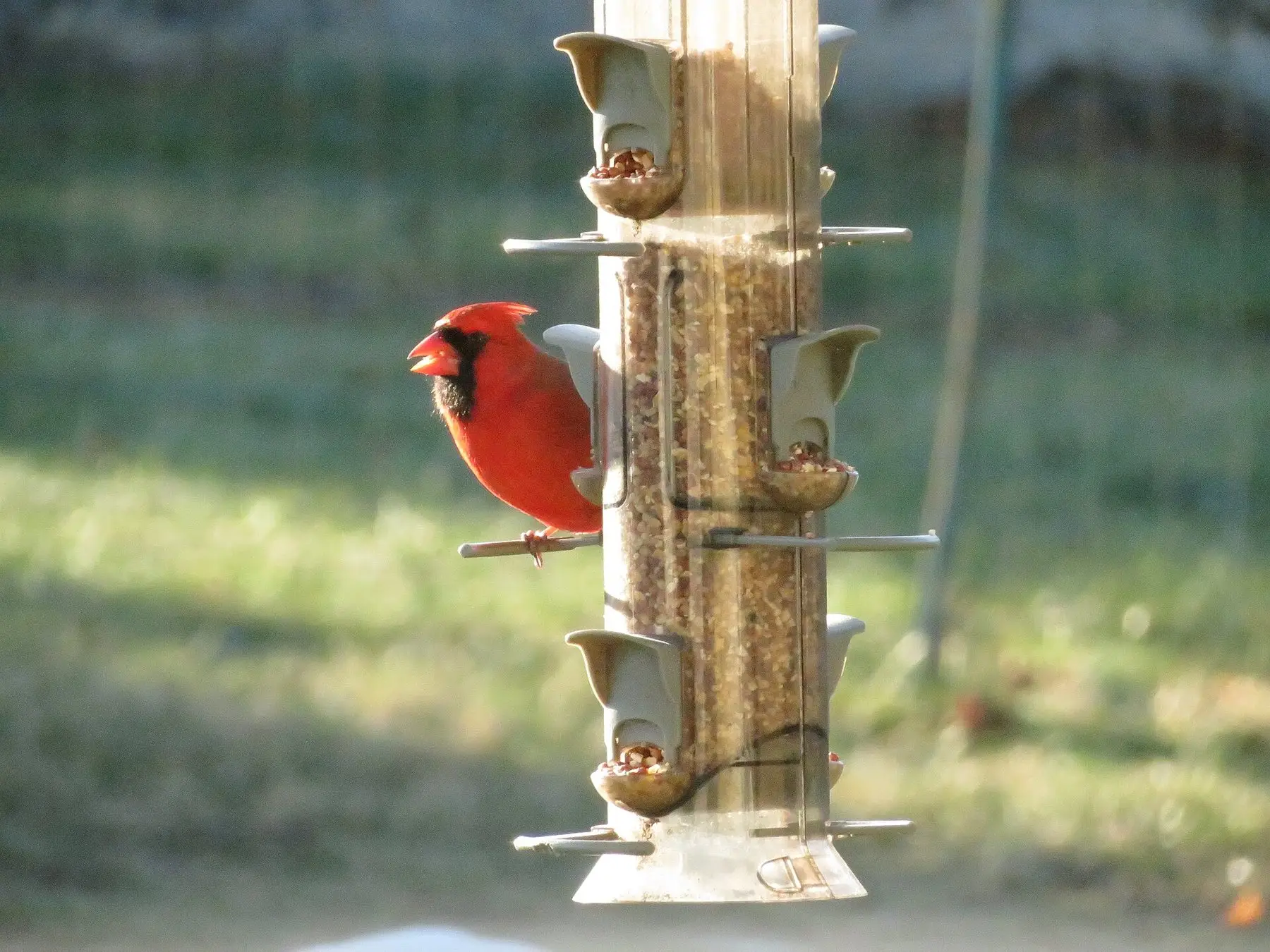
Squirrel-Proof Bird Feeders — 5 Measures That Stop Them
Squirrel-proof bird feeders work on distance and mechanism, not claims. 5 measures compared on cost and success. See which suits your yard.
What to Feed Butterflies (And How to Get One to Land on You)
Butterflies drink rather than eat — nectar, fruit juice and mineral-rich mud. A sugar-water feeder, a fruit plate, and the reason yellow and purple work.