
What to Feed Butterflies (And How to Get One to Land on You)
Butterflies drink rather than eat — nectar, fruit juice and mineral-rich mud. A sugar-water feeder, a fruit plate, and the reason yellow and purple work.
 By

On this page
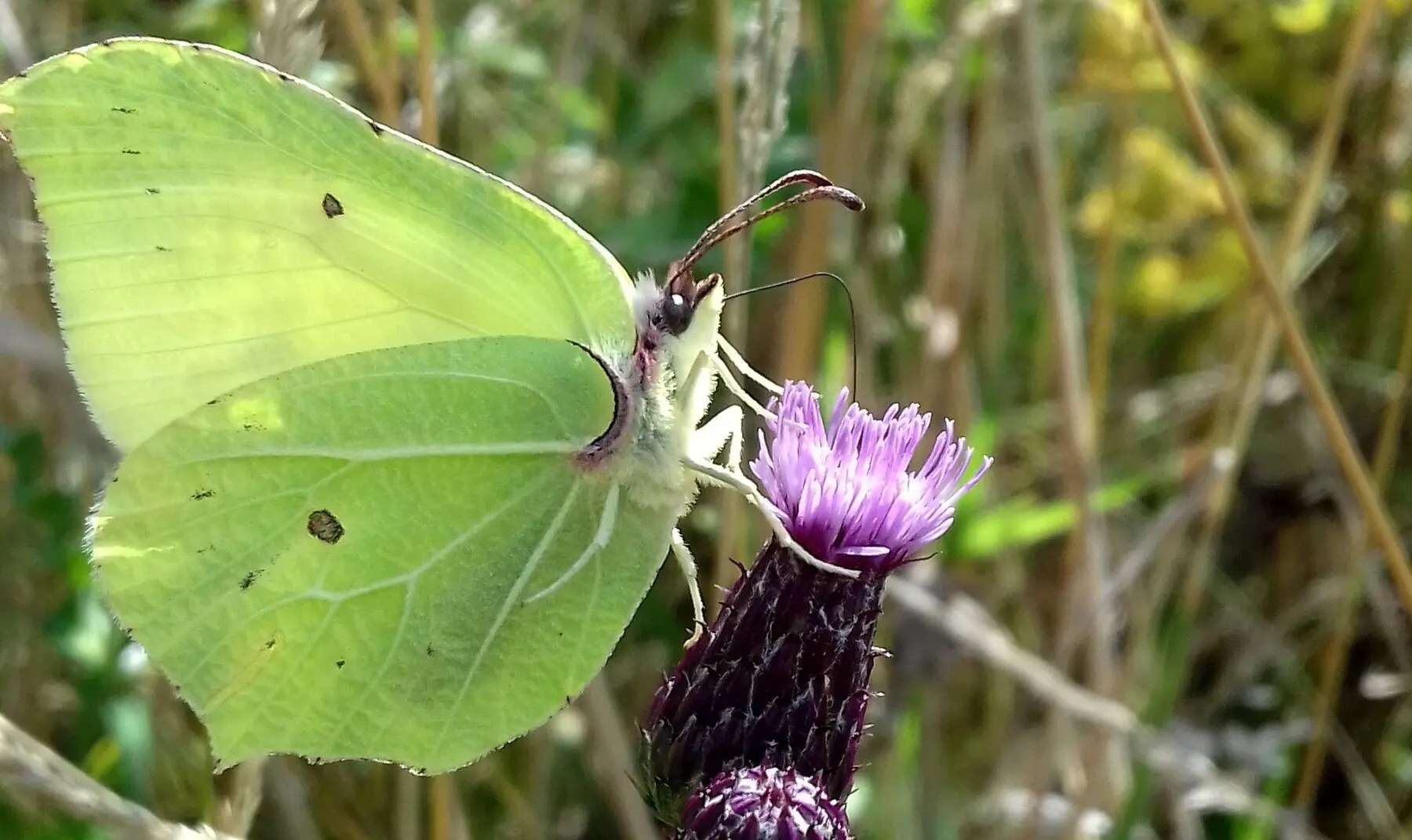
Butterflies do not eat. They drink — a coiled proboscis takes up liquid and nothing else. So “feeding” them means offering the right liquids, and there are three: sugar, fruit, and salty mud.
The three things to offer
1. Overripe fruit. Banana, orange, watermelon, mango, peach. Riper is better — lightly fermenting fruit pulls in far more butterflies than fresh, and some species prefer it to flowers entirely.
2. Sugar solution. Four parts water to one part white sugar. Soak a sponge or cotton wool in it rather than leaving open liquid, which butterflies can drown in.
Never honey, never dye
Honey can carry pathogens harmful to butterflies and ferments quickly into something that is not good for them. Red dye is unnecessary and unstudied — the colour of the dish does the attracting.
3. A puddling station. Shallow dish, coarse sand, a pinch of sea salt, kept damp.
This is the one people skip and it is often the most visited. Mud-puddling is mostly males taking up sodium and amino acids that nectar does not supply — minerals they pass to females during mating as a nutrient package that improves egg viability.
Where to put it
Sun, and shelter from wind. Butterflies are ectothermic: they cannot fly or feed properly until they are warm.
Add a flat dark stone in full sun for basking. It costs nothing and it is one of the most useful things in a butterfly garden.
Near flowering plants, a few feet off the ground, out of easy reach of cats.
Keep it clean. Fermented is good; mouldy is not. Replace fruit before it turns and refresh sugar solution every couple of days, daily in real heat.
Getting one to land on you
It works more often than you would think:
- Stand still, in sun, near flowers.
- Wear light or bright colours — yellow, orange, purple, white. Dark clothing reads as shadow.
- No sudden movement, and keep your shadow off them — an overhead shape is what a predator looks like.
- Sweat genuinely helps. They want the salt, and this is the same instinct as puddling.
- Hold fruit or a sugar-soaked sponge flat in an open palm and wait.
Best odds on a warm still morning, when they are active but not yet at full speed.
What actually increases butterfly numbers
Feeders support adults. Adults are not the limiting stage.
Caterpillars are, and caterpillars eat specific host plants:
| Butterfly | Caterpillars need |
|---|---|
| Monarch | Milkweed — and only milkweed |
| Black swallowtail | Parsley, dill, fennel, carrot tops |
| Painted lady | Thistle, mallow, hollyhock |
| Fritillaries | Violets |
| Red admiral | Nettles |
A garden with host plants and no feeder supports far more butterflies than a garden with a feeder and no host plants. Tolerate the chewed leaves — that is what success looks like.
Feeding an injured butterfly
Offer a sugar-soaked sponge or overripe fruit and place the butterfly gently onto it. You may need to uncoil the proboscis with a cocktail stick to start it feeding; this is standard practice and does not hurt them.
A butterfly that is merely cold often only needs warming in the sun. One with badly torn wings will not fly again, but it can still feed and live out its time.
Step by step
- Time
- PT20M
- Cost
- $5
- You need
- Overripe fruit — banana, orange, watermelon, White sugar, A shallow dish and a sponge or cotton wool, Coarse sand and a pinch of sea salt
- Tools
- Shallow saucer or plate
Put out overripe fruit
Sliced banana, orange, watermelon and mango are taken readily, and the riper the better — fermenting fruit attracts more butterflies than fresh. Put it on a plate in a sunny sheltered spot at least a few feet off the ground.
Make a simple nectar solution
Four parts water to one part white sugar, stirred until dissolved. No dye, no honey — honey can carry pathogens that harm butterflies and ferments quickly. Soak a sponge or cotton wool in it rather than leaving open liquid, which they can drown in.
Build a puddling station
Fill a shallow dish with coarse sand, add a pinch of sea salt, and keep it damp. Male butterflies gather at damp mineral-rich ground to take up sodium and amino acids, which they pass to females during mating.
Place it in sun and out of wind
Butterflies are ectothermic and need warmth to fly and feed. A sheltered sunny spot near flowering plants gets far more visits than an exposed one.
Add a flat basking stone
A dark flat rock in full sun lets them warm up, which they must do before they can feed effectively. It is one of the most useful and least expensive additions to a butterfly garden.
Keep it clean
Replace fruit before it moulds and refresh sugar solution every couple of days in warm weather, more often in heat. Fermented is good, mouldy is not, and dirty feeders spread disease.
Plant for them as well
Feeders supplement, they do not replace habitat. Nectar plants for adults and host plants for caterpillars — milkweed for monarchs, parsley and dill for swallowtails — do far more than any dish of sugar water.
Common questions
What do you feed butterflies?
How do you get a butterfly to land on you?
What colours attract butterflies?
Why do butterflies gather on wet ground?
Can you feed a butterfly that cannot fly?
Does feeding butterflies actually help them?
Backyard Weekly
Know what to plant, week by week
Join the weekly email for seasonal jobs, fixes for what is going wrong, and gear worth buying.
Not ready to subscribe? The planting calendar is free and needs no email.
By subscribing you agree to our privacy policy. Grow In Backyard will never sell your address.
Keep reading
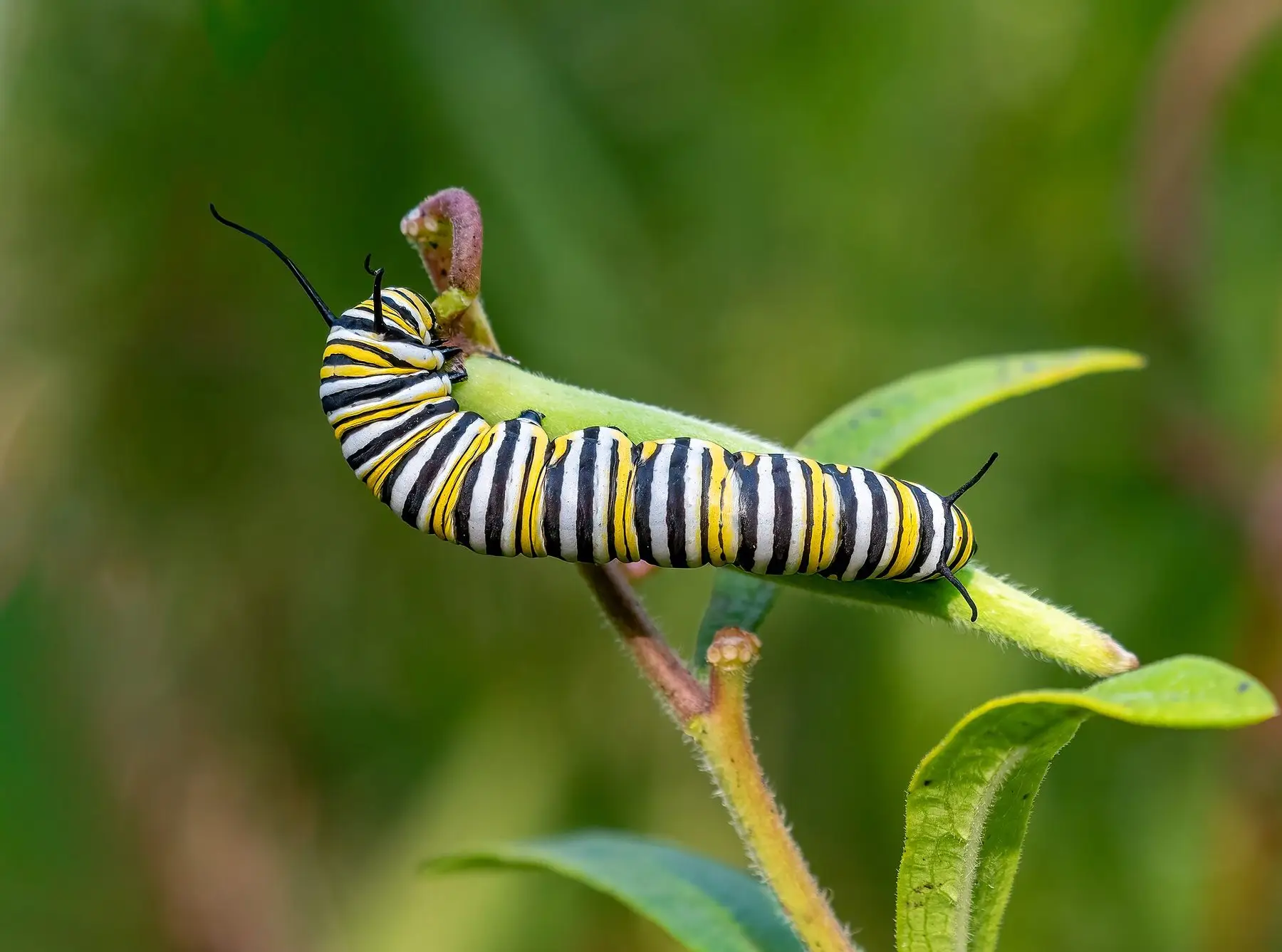
What Butterflies Need to Survive in a Backyard
Nectar flowers feed adult butterflies but cannot raise any. Caterpillars only eat specific host plants — that gap is why most butterfly gardens stay empty.
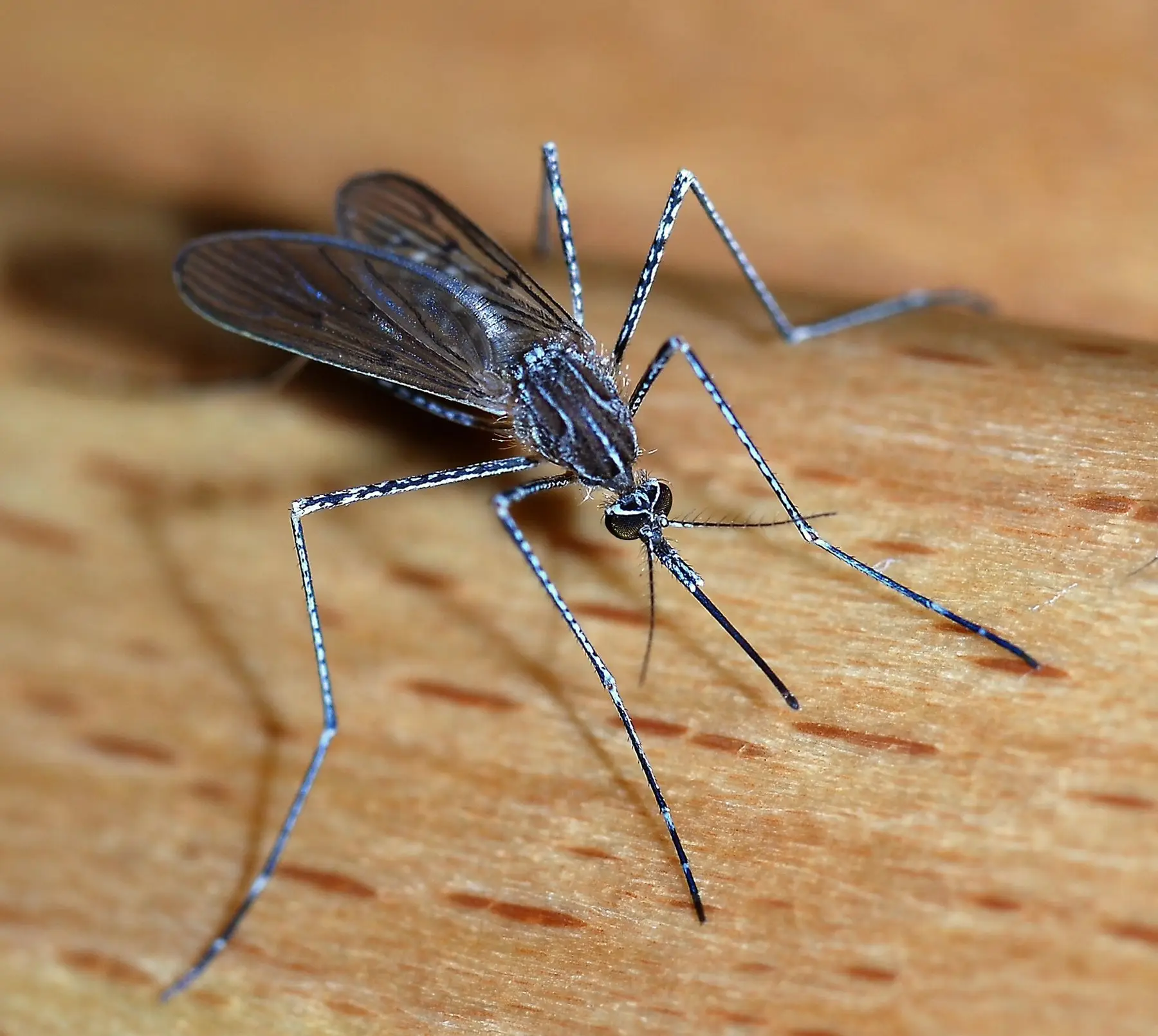
Plants That Repel Mosquitoes — 4 Fixes That Beat Them
Plants that repel mosquitoes barely work unless you crush the leaves. 4 measures compared, starting with standing water. See which suits your yard.
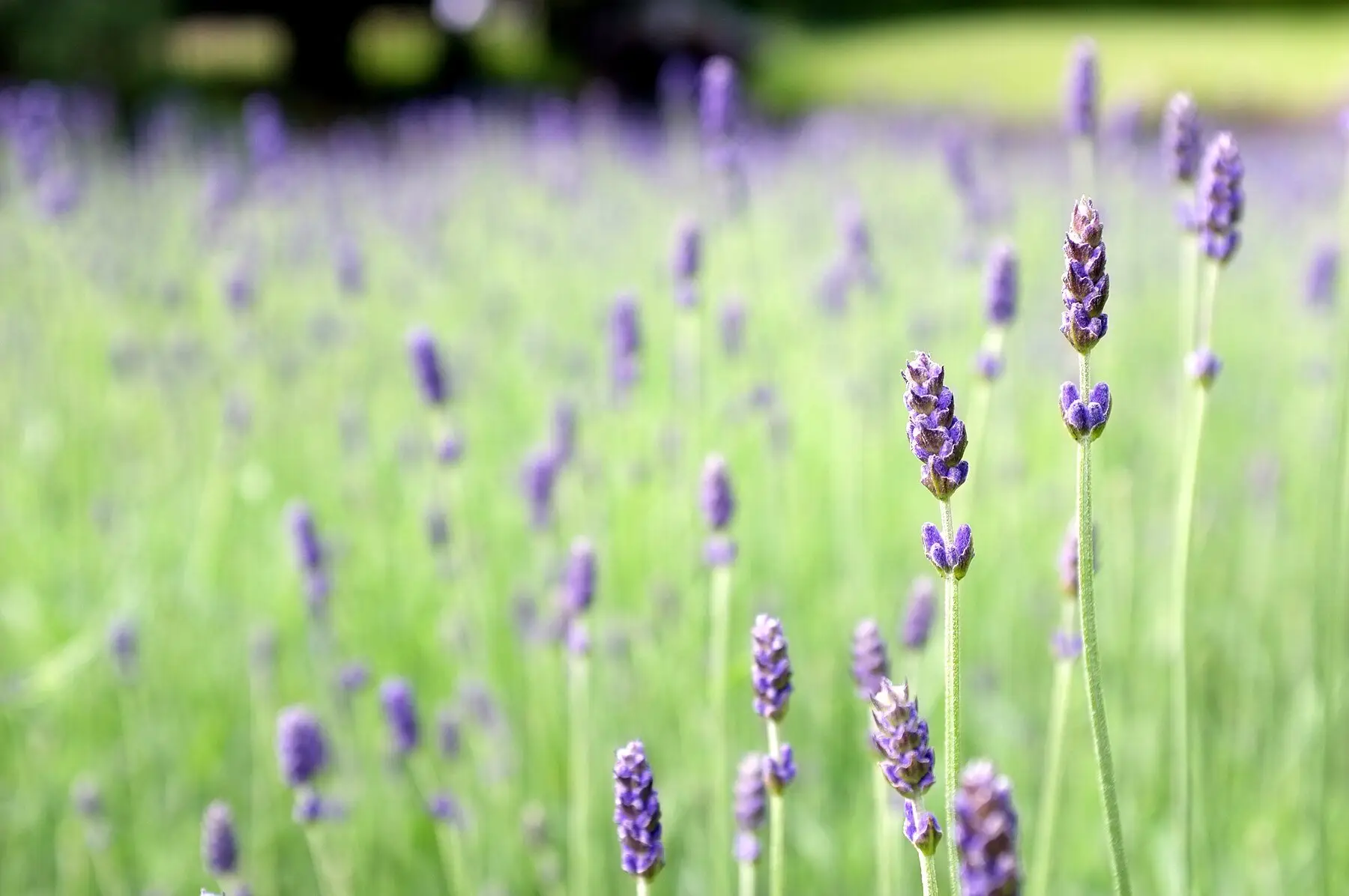
How to Grow Lavender: Drainage, Sun, and Almost Nothing Else
Lavender dies of wet feet and kindness, not cold. Which species suits your winter, why you plant it in poor soil, and the spacing that prevents rot.
Why Did My Hummingbirds Leave? What Actually Triggers It
Hummingbirds vanish for four different reasons, and only one is migration. Day length drives departure — your feeder has nothing to do with it.