Bird House Hole Size: The Number That Picks the Tenant
Entrance diameter decides which species can use a box and which predators cannot. A size chart, the dimensions that go with each, and why perches are harmful.

On this page
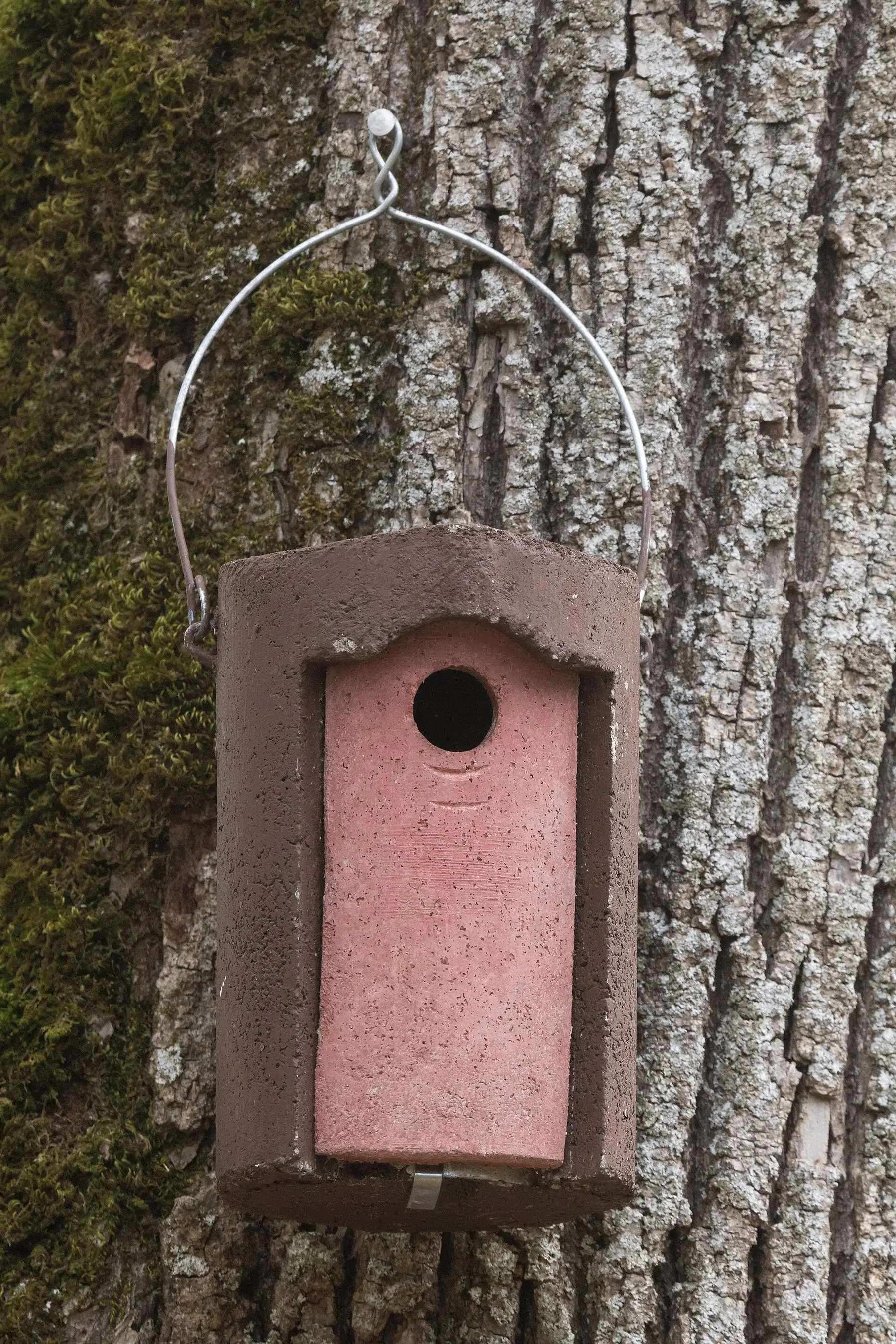
A nest box is mostly a hole. Everything else — the dimensions, the height, the aspect — follows from which species you are trying to attract, and the entrance diameter is what decides that.
An eighth of an inch matters. A hole cut slightly too large lets a house sparrow or a starling take a box intended for something smaller, and they will evict the occupant.
The size chart
| Species | Hole | Floor | Depth below hole | Height up |
|---|---|---|---|---|
| Wren | 1 1/8 in | 4 × 4 in | 4–6 in | 6–10 ft |
| Blue tit, chickadee | 1 1/8 in | 4 × 4 in | 5–6 in | 6–15 ft |
| Great tit, titmouse | 1 1/4 in | 4 × 4 in | 5–6 in | 6–15 ft |
| Nuthatch | 1 1/4 in | 4 × 4 in | 6 in | 12–20 ft |
| Bluebird | 1 1/2 in | 5 × 5 in | 6 in | 5–10 ft |
| Tree swallow | 1 1/2 in | 5 × 5 in | 6 in | 5–15 ft |
| House sparrow (if wanted) | 1 1/2 in | 5 × 5 in | 6 in | 8–12 ft |
| Purple martin | 2 1/8 in | 6 × 6 in | 6 in | 10–20 ft, open site |
| Starling | 2 in | 6 × 6 in | 10 in | 10–25 ft |
| Northern flicker | 2 1/2 in | 7 × 7 in | 14–16 in | 8–20 ft |
| Screech owl, kestrel | 3 in | 8 × 8 in | 12–15 in | 10–30 ft |
| Barn owl | 6 in | 16 × 16 in | 15–18 in | 12–20 ft |
| Robin, phoebe | Open front | 6 × 8 in | Open shelf | 6–15 ft |
Cut it accurately. A 1 1/4 inch hole opened to 1 1/2 by a sloppy hole saw changes which birds can use the box, and larger, more aggressive species will take it.
If starlings or house sparrows are a persistent problem in your area, stay at 1 1/8 to 1 1/4 inches for small songbirds — a starling cannot pass 1 1/2, and a house sparrow struggles below 1 1/4.
Never add a perch
Cavity-nesting birds cling to the entrance and go straight in — they have no use for a perch. What a perch provides is a grip for a predator or a competing bird reaching inside. Commercial boxes are often sold with one because it matches what people expect a bird house to look like. Snap it off.
Building it properly
Timber: untreated, at least 3/4 inch thick. Thickness is insulation, and a thin box cooks in summer sun. Never use pressure-treated wood, and never paint, stain or varnish the inside.
Ventilation: small holes near the top of both side panels, or a gap under the roof overhang. Overheating kills broods.
Drainage: a few holes in the floor, or the corners cut off. Water in the base is the other common killer.
A rough interior: score horizontal grooves in the front panel below the entrance, or use rough-sawn timber, so fledglings can climb up and out.
A removable panel — usually one side or the roof — so you can clean it.
A sloping, overhanging roof to shed rain away from the entrance.
No treatment inside. The outside can be treated with a water-based preservative if you like; the inside stays bare.
Siting
- Height: as in the table. Most small songbirds want 5 to 15 feet.
- Aspect: facing away from prevailing wind and driving rain, and out of hot afternoon sun. North or east is a good default in most climates.
- Tilt: slightly forward, so rain runs off the front rather than in.
- Clear flight path to the entrance, with no dense foliage right in front.
- Spacing: most species are territorial and will not tolerate another box of the same type close by. Bluebirds want boxes 100 yards apart; tits perhaps 30 feet.
- Away from feeders. The traffic and competition around a feeding station discourages nesting.
Mounting on a pole with a baffle is safer than mounting on a tree trunk, because a trunk is a highway for squirrels, cats and rats. The same baffle logic applies as for squirrel-proof feeders.
Maintenance
Clean it out in late autumn, once you are certain nesting has finished for the year.
Remove all old nesting material — it holds fleas, mites and blowfly larvae that overwinter and attack next year’s brood. Scrub with hot water only, no detergent or disinfectant, and let it dry fully with the panel open.
Then close it up. Boxes are used as winter roosts by small birds in cold weather, and a clean dry box is genuinely valuable in January.
Do not open a box during the nesting season. Beyond disturbing the birds, it is illegal in many jurisdictions to disturb an active nest of a wild bird.
Why birds ignore a new box
- The hole is the wrong size for anything in your area.
- Too much sun, or facing into the weather.
- Too close to a feeder or to another occupied box.
- It went up too late. Put boxes out in late winter, before territories are established.
- Nothing to eat nearby. A box in a bare garden competes badly with one surrounded by insects and cover.
- It is simply the first year. Boxes are frequently ignored for a season and occupied the next.
Common questions
What size hole should a bird house have?
Should a bird house have a perch below the hole?
Where should you put a bird house?
Will birds reuse a nest or a nest box?
Does a bird house need ventilation and drainage?
What wood should a bird house be made of?
Backyard Weekly
Know what to plant, week by week
Free planting calendar. Join the weekly email for seasonal jobs, fixes for what is going wrong, and gear worth buying.
Set MONETIZATION.email.endpoint in src/config/site.ts to enable this form.
By subscribing you agree to our privacy policy. Grow In Backyard will never sell your address.
Keep reading
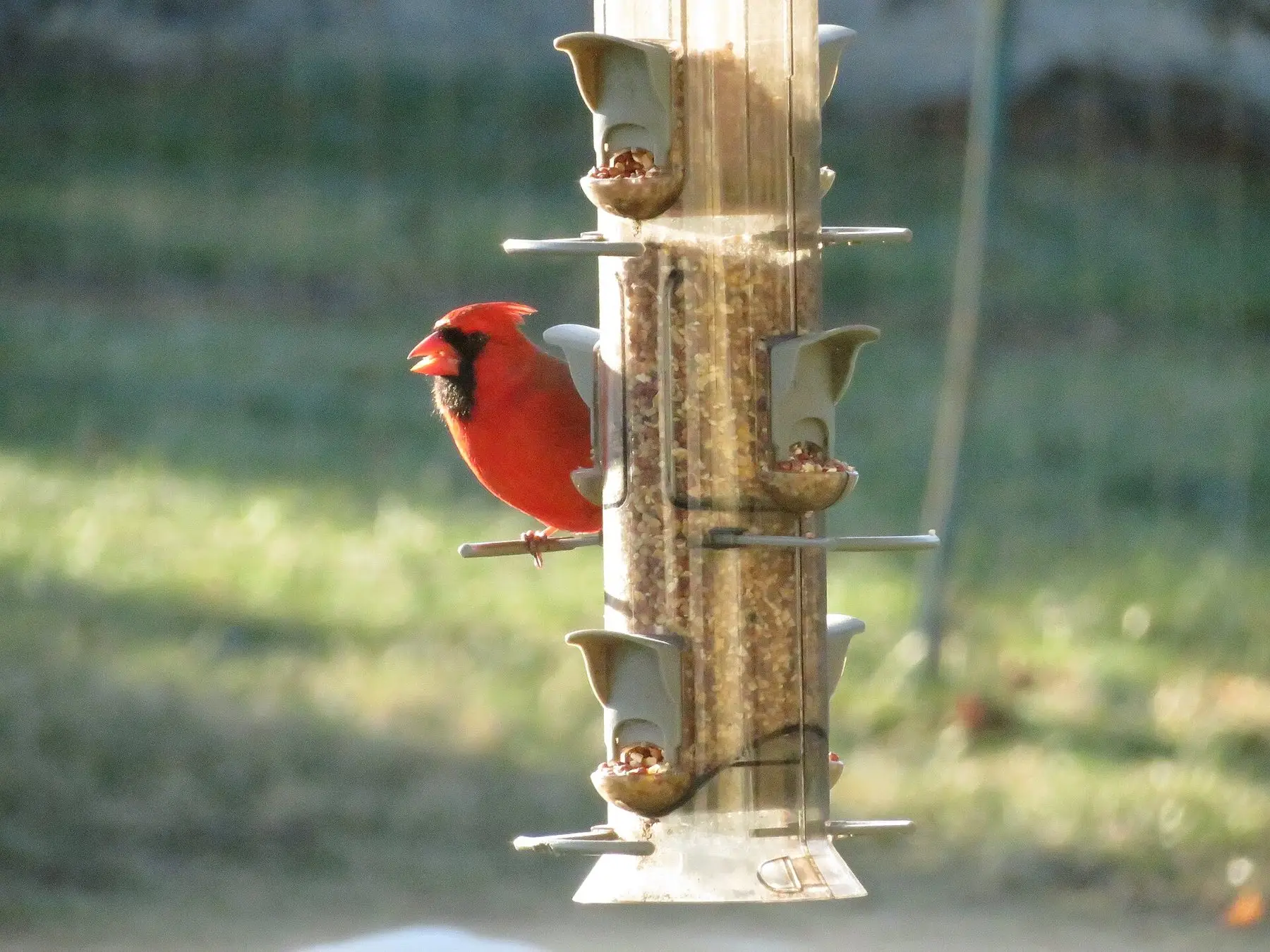
Squirrel-Proof Bird Feeders: What Actually Stops Them
Squirrels jump 10 feet sideways and 4 feet up, so placement defeats more of them than any feeder design. The mechanisms that work, and the ones that don't.
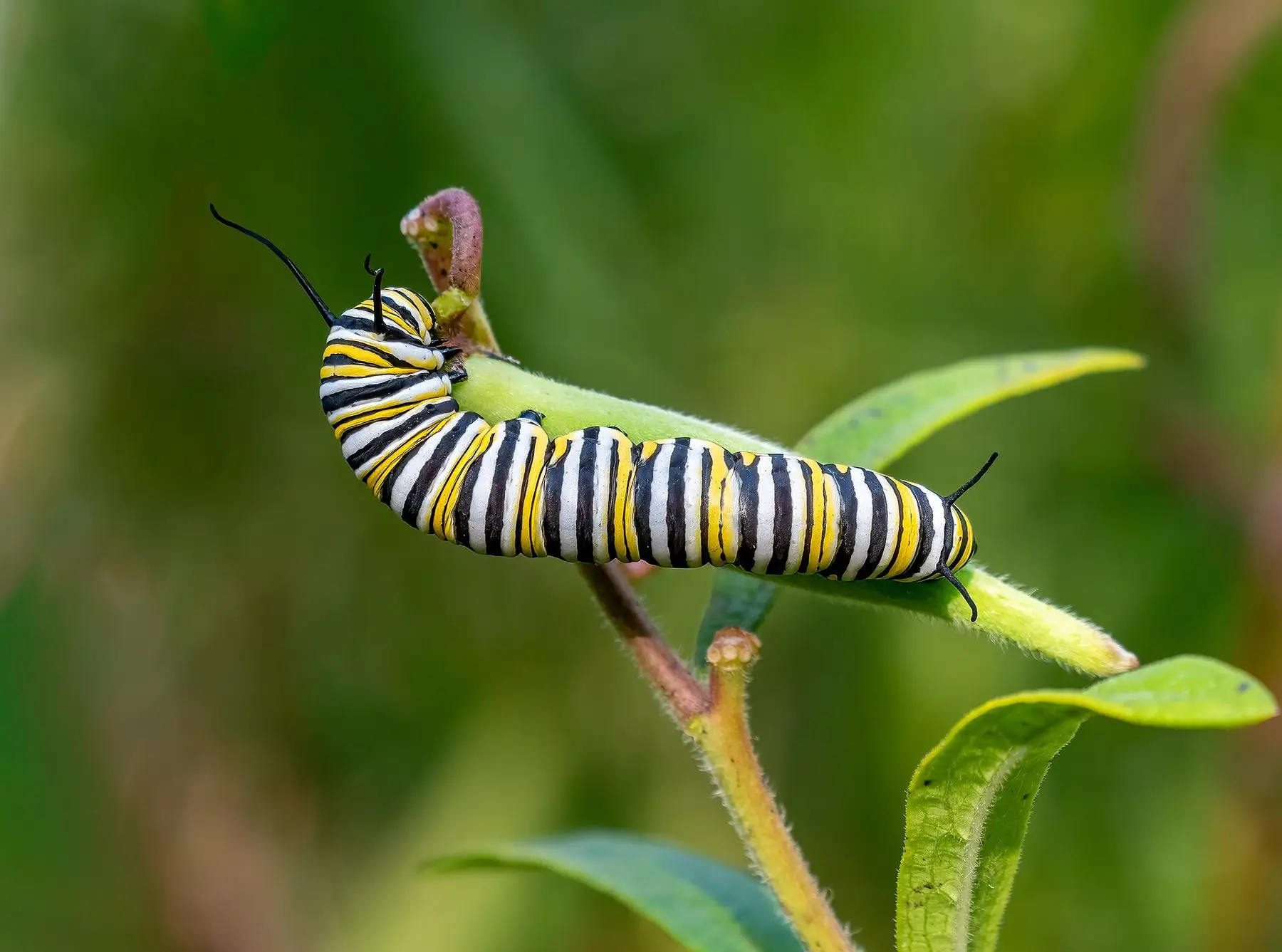
What Butterflies Need to Survive in a Backyard
Nectar flowers feed adult butterflies but cannot raise any. Caterpillars only eat specific host plants — that gap is why most butterfly gardens stay empty.
Garden Decor Ideas That Don't Look Cluttered in a Year
Most backyard decor gets added piece by piece until the yard looks like a garden center. A short list of what earns its place, and what to skip.
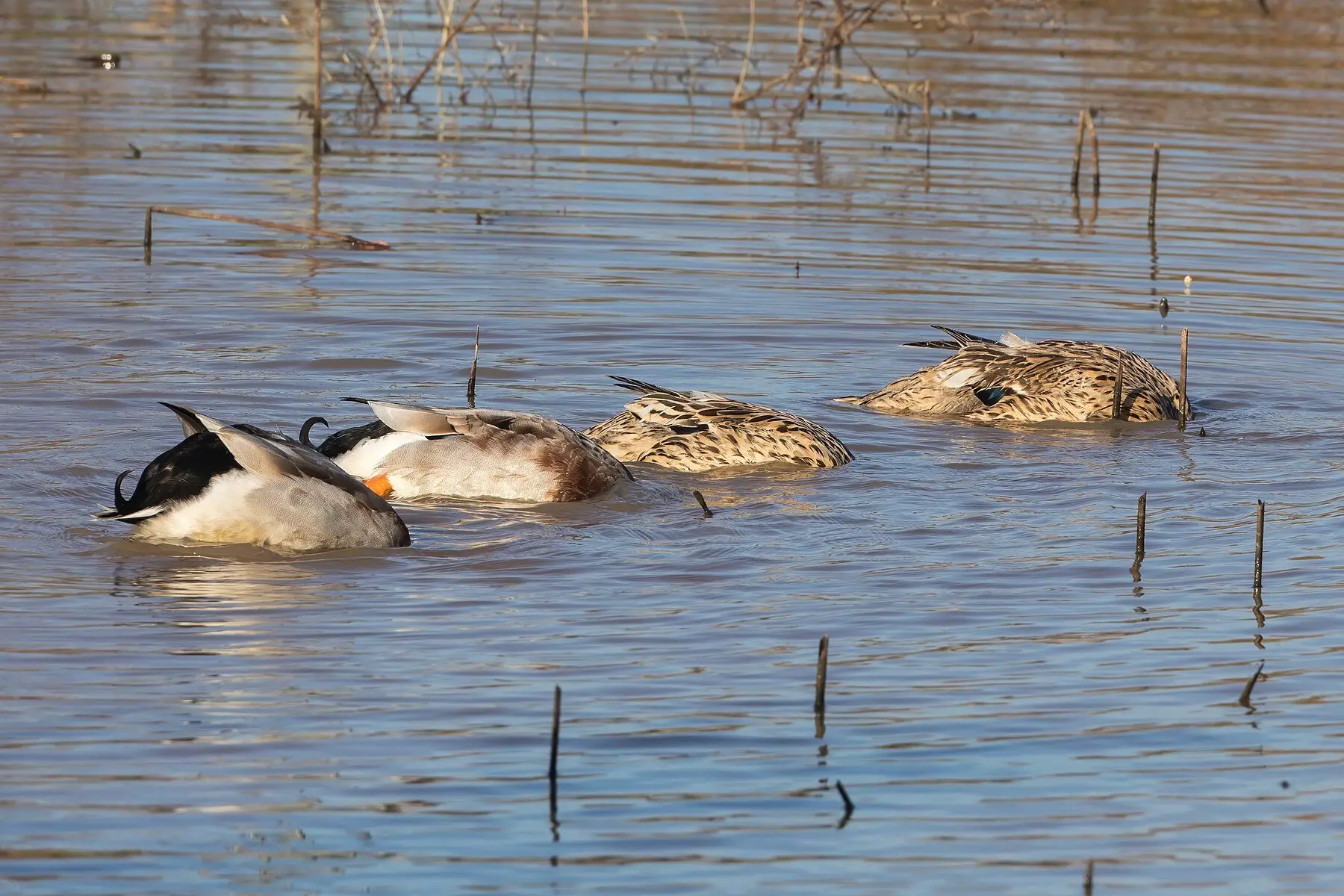
Do Ducks Eat Fish? What That Means for a Backyard Pond
Most backyard duck breeds will eat small fish, fry and eggs opportunistically. The bigger threat to your pond is not predation — it is what ducks do to the water.