
Common Birds in Kentucky: What Is at Your Feeder
The birds you will actually see in a Kentucky backyard, which stay all year, which arrive in summer, and how to tell the confusing pairs apart.
 By

On this page
Kentucky sits where northern and southern ranges overlap, which gives backyards here a good mix — the Carolina species of the south alongside winter arrivals from the north.
Here is what you will actually see, and how to sort out the pairs that confuse everyone.
Year-round residents
| Bird | How to know it | At feeders |
|---|---|---|
| Northern cardinal | Male bright red with a crest; female warm buff with red bill | Sunflower, safflower |
| Carolina chickadee | Tiny, black cap and bib, white cheeks | Constantly — takes one seed and flies |
| Tufted titmouse | Grey with a crest, large dark eye, rusty flanks | Constantly, often with chickadees |
| Carolina wren | Rich brown, bold white eyebrow, cocked tail | Suet, peanuts |
| Mourning dove | Slim, buff, long pointed tail; whistling wings | Ground beneath feeders |
| Blue jay | Large, blue and white, crested, loud | Peanuts, sunflower |
| Downy woodpecker | Small, black and white, tiny bill; male has a red nape | Suet |
| Red-bellied woodpecker | Pale with a black-and-white barred back, red cap | Suet, peanuts |
| White-breasted nuthatch | Grey-blue above, white face, walks down trunks head-first | Sunflower, suet |
| House finch | Male red on head and breast, streaked flanks | Sunflower, nyjer |
| American goldfinch | Brilliant yellow in summer, drab olive in winter | Nyjer, sunflower hearts |
| American robin | Grey-brown back, orange breast | Rarely — prefers lawns and fruit |
| Song sparrow | Streaked, with a central breast spot | Ground, mixed seed |
| European starling | Glossy black, speckled in winter, yellow bill | Everything, in flocks |
Summer arrivals
- Ruby-throated hummingbird — the only regular hummingbird here. Arrives around April, gone by October
- Chimney swift — a “flying cigar”, always airborne, chattering over towns
- Gray catbird — slate grey with a black cap; calls like a cat
- Indigo bunting — the male an astonishing solid blue, usually along field edges
- Eastern bluebird — present year-round but far more visible in the breeding season
- Warblers on passage, including the Kentucky warbler itself, which is a woodland skulker rather than a backyard bird
Winter arrivals
- Dark-eyed junco — slate grey with a white belly and pale bill; the “snowbird”, feeding on the ground
- White-throated sparrow — striped head, yellow spot before the eye, whistled song
- Yellow-bellied sapsucker — leaves neat horizontal rows of holes in tree bark
- Purple finch — irregular, and the source of most finch confusion
The confusing pairs
| Looks like | The difference | |
|---|---|---|
| House finch vs purple finch | Both red males | House: red on head and breast only, streaky brown flanks. Purple: colour washes over head, back and flanks, little streaking |
| Downy vs hairy woodpecker | Nearly identical pattern | Bill length. Downy’s is short and stubby, well under head length; hairy’s is nearly as long as its head |
| Carolina vs black-capped chickadee | Almost the same bird | Kentucky is Carolina country. Black-capped barely reaches the state |
| House sparrow vs song sparrow | Both brown and streaky | House sparrow: chunky, grey crown, black bib on male, around buildings. Song sparrow: central breast spot, longer tail |
| Cardinal female vs house finch female | Both plain brown | Cardinal female is far larger, crested, with a heavy red-orange bill |
Use Merlin for the calls
The free Merlin Bird ID app from the Cornell Lab identifies birds from sound in real time, and in Kentucky that solves most of the hard cases — Carolina wrens, chickadees and titmice are all heard far more often than seen. It is also the app used for the Great Backyard Bird Count each February.
Attracting more of them
Food:
- Black oil sunflower — the single best seed, taken by nearly every bird on this list
- Suet — woodpeckers, nuthatches, wrens, chickadees. Essential in winter
- Nyjer — goldfinches, in a dedicated feeder
- Peanuts — jays, titmice, woodpeckers
- Skip cheap mixes heavy with red milo, which mostly ends up on the ground
Water. Year-round, and it brings species that never visit a feeder. In winter it is harder for birds to find than food.
Native plants, which matter more than feeders do:
- Oaks — support more caterpillar species than anything else, and caterpillars are what most birds feed their chicks
- Serviceberry, dogwood, elderberry, viburnum for fruit
- Coneflower, black-eyed Susan, sunflower for seed heads — left standing over winter
- Native grasses for cover and nesting material
Safety:
- Cats indoors. By a wide margin the largest human-related cause of bird deaths
- Mark large windows on the outside, markers no more than about 2 inches apart
- Skip pesticides during the breeding season, which removes the insect supply chicks depend on
Common questions
What are the most common backyard birds in Kentucky?
What is the Kentucky state bird?
What small birds are common in Kentucky?
Which birds stay in Kentucky all winter?
How do I tell a house finch from a purple finch?
What can I do to attract more birds in Kentucky?
Backyard Weekly
Know what to plant, week by week
Join the weekly email for seasonal jobs, fixes for what is going wrong, and gear worth buying.
Not ready to subscribe? The planting calendar is free and needs no email.
By subscribing you agree to our privacy policy. Grow In Backyard will never sell your address.
Keep reading
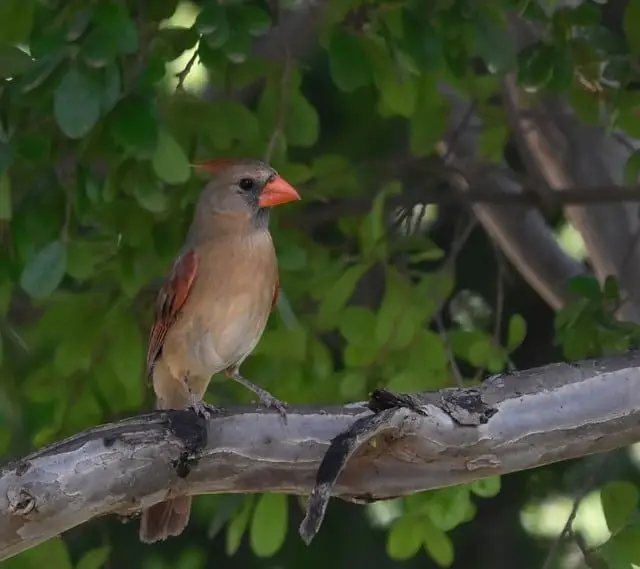
The Most Common Backyard Birds, and How to Tell Them Apart
The ten birds you will almost certainly see at a feeder in North America, what each one eats, and the field marks that separate the confusing pairs.
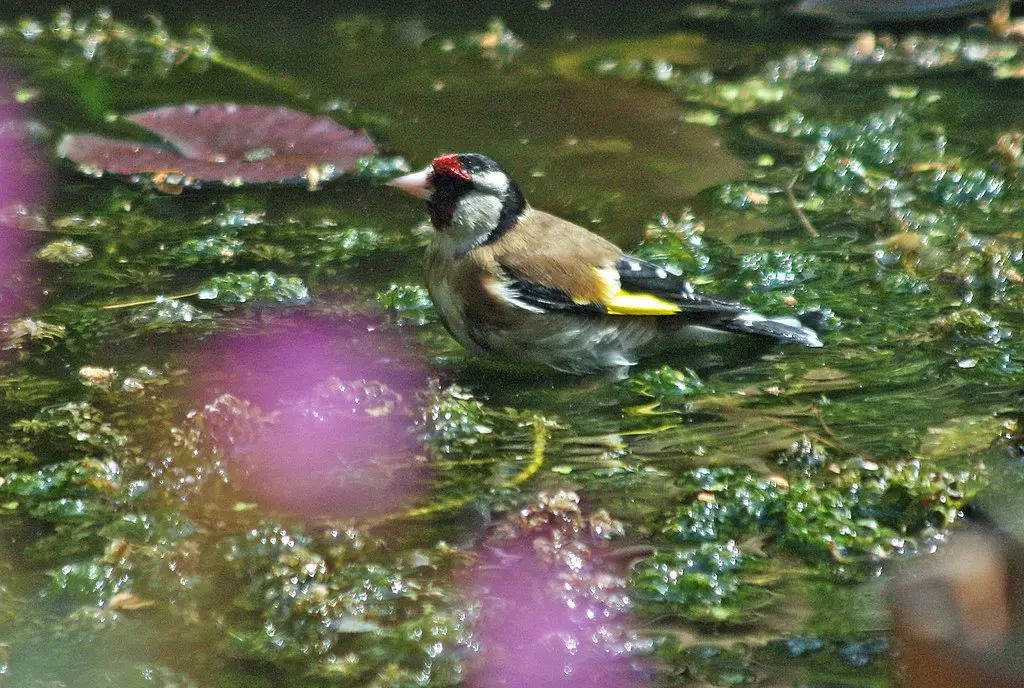
Best Bird Baths — 2 Inches Deep Is the Whole Secret
The best bird baths are 2 inches deep with a rough bottom. 6 picks compared on grip, depth and winter use. See which one birds will actually use.
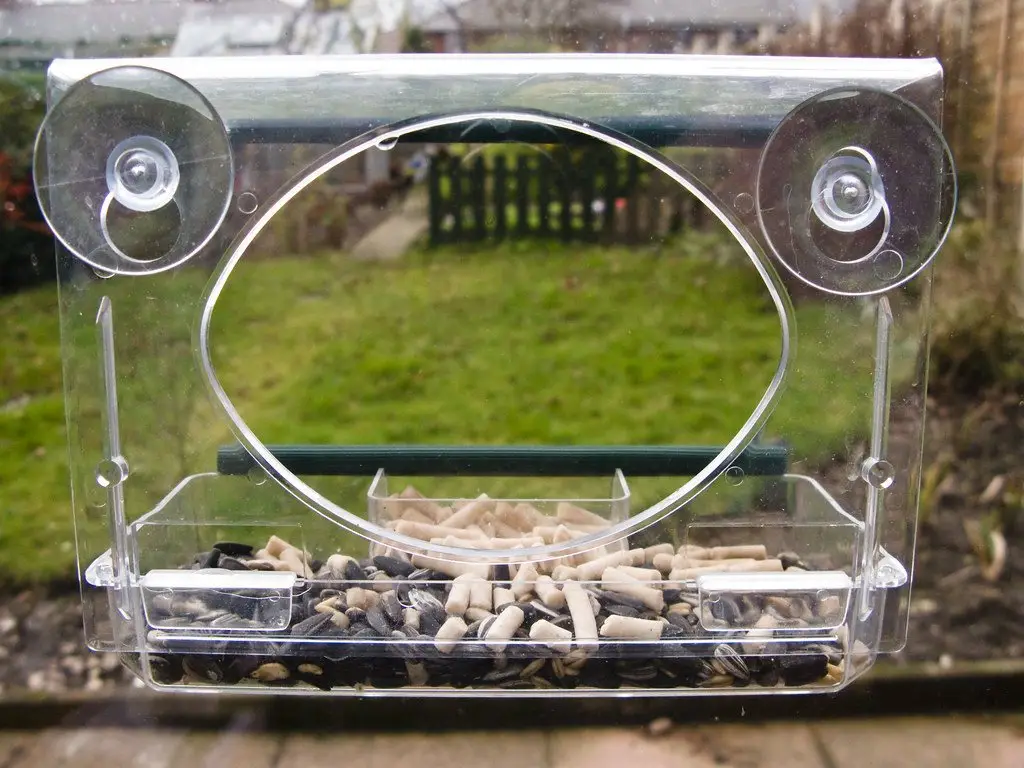
Wireless Bird Feeder Camera — 5 Checks Before Buying
A wireless bird feeder camera lives or dies on power and Wi-Fi reach. 5 picks compared on both, plus hummingbird use. See which fits your yard.

Best Binoculars for Backyard Bird Watching — 6 Picks
For the best binoculars for backyard bird watching, close focus beats magnification. 6 pairs compared across budgets. See which hits yours.