
Best Binoculars for Backyard Bird Watching — 6 Picks
For the best binoculars for backyard bird watching, close focus beats magnification. 6 pairs compared across budgets. See which hits yours.
 By
We may earn a commission when you buy through links on this page, at no extra cost to you.

On this page
Backyard birding has one requirement that general binocular advice ignores, and it decides whether a pair is usable: the birds are close. A feeder eight feet from a window needs binoculars that focus at eight feet, and plenty of otherwise good ones will not.
Everything else follows from the same logic — wide view over high magnification, because the difficulty is finding a small bird in a shrub, not resolving one on a distant ridge.
Why 8x beats 10x in a yard
The number in front is magnification, and more of it is not better in a confined space. Three things get worse as it rises.
Field of view narrows, so the patch of shrub you are looking at shrinks and the bird is harder to locate — which is the actual difficulty in backyard birding, not resolution. Handshake is magnified along with the image, so a 10x view visibly trembles where an 8x view does not. And the exit pupil shrinks, making the image dimmer in exactly the low light at dawn and dusk when the feeder is busiest.
Exit pupil is the objective diameter divided by the magnification: 42 ÷ 8 = 5.25 mm, against 42 ÷ 10 = 4.2 mm. That difference is clearly visible at first light.
The spec sheet, translated
| Spec | What it means | What to want for a backyard |
|---|---|---|
| Magnification (the 8 in 8x42) | How much nearer things look | 8x. 10x narrows the view and shakes |
| Objective (the 42) | Front lens diameter, so light gathered | 42 mm for brightness; 32 mm to save weight |
| Close focus | Nearest distance it focuses | Under 8 ft; under 6 ft is excellent |
| Field of view | How wide the view is | Wider is better; above about 400 ft at 1000 yd |
| Eye relief | How far your eye can sit back | 17 mm+ if you wear glasses |
| Exit pupil | Objective ÷ magnification | Above 5 mm for low light |
| Prism type | Roof (slim) or Porro (bulky) | Roof, for size; Porro is cheaper per unit of quality |
| ED glass | Low-dispersion glass | Reduces colour fringing; the one visible upgrade |
Tip
Measure the distance from where you actually sit to your feeder before buying. If it is under ten feet, close focus outranks every other specification on the list — including price.
What more money buys, and what it does not
The curve is steep then flat. Going from a $30 pair to a competent $120 8x42 transforms the experience: the image is brighter, sharper to the edges, properly waterproof, and it focuses close enough to use.
Going from $120 to $500 buys less than the price difference suggests. ED glass genuinely reduces the purple-green fringing around a dark bird against bright sky, coatings lift contrast, and the mechanics feel better. None of it changes which birds you can identify in good light at twenty feet.
Going above $1,000 buys the last few percent, and it is a real few percent — just not one that a backyard needs.
Warranty is a specification
Binoculars get dropped, knocked off deck rails and stood on. At this price level, an unconditional lifetime warranty is worth more than a small optical improvement, and two brands here offer one that is transferable and does not ask how the damage happened.
If you are choosing between two similar pairs, let the warranty decide.
The fogging problem, and the fix
Step out of a warm house into cold air with non-purged binoculars and the internal surfaces mist over. There is nothing you can do about it in the moment and it can take twenty minutes to clear — which is the whole of the dawn feeder rush.
Nitrogen or argon purging replaces internal air with dry inert gas, and it eliminates internal fogging entirely. External condensation on the lens still happens; that wipes off. Every pick here is purged, because at this point an unsealed pair is not worth buying at any price.
How we picked
Picks assembled from published optical specifications, warranty terms and owner reports — nothing here was tested in our own yard. · Picks last checked October 2026.
- 8x magnification, not 10x
- At 10x, handshake is visible and the field of view narrows. A bird moving through a shrub twenty feet away is far easier to hold at 8x.
- Close focus under about 8 feet
- This is the backyard-specific spec. Birds at a feeder are often six to twelve feet away, and many binoculars simply will not focus that near.
- Wide field of view
- Finding a small moving bird is the hard part. A wider field means less hunting and fewer birds lost while you search.
- Waterproof and fogproof
- Nitrogen or argon purging stops internal fogging when you step from a warm house into cold air — the most common backyard annoyance.
- Warranty you can actually use
- Binoculars get dropped. An unconditional lifetime warranty is worth more than a small optical upgrade at this price level.
Our picks
| # | Pick | Best for | Where to buy |
|---|---|---|---|
| 1 | Nikon Prostaff P3 8x42 | Best overall value | Check price for Nikon Prostaff P3 8x42 → |
| 2 | Celestron Nature DX 8x42 | Best close focus on a budget | Check price for Celestron Nature DX 8x42 → |
| 3 | Vortex Diamondback HD 8x42 | Best warranty and step-up glass | Check price for Vortex Diamondback HD 8x42 → |
| 4 | Athlon Optics Midas G2 UHD 8x42 | Best glass per dollar | Check price for Athlon Optics Midas G2 UHD 8x42 → |
| 5 | Celestron Nature DX 8x32 | Best compact for keeping by the window | Check price for Celestron Nature DX 8x32 → |
| 6 | Bushnell H2O 8x42 | Best cheap waterproof pair | Check price for Bushnell H2O 8x42 → |
Best overall value
Nikon Prostaff P3 8x42
The default recommendation at this price. Buy it unless your feeder sits closer than about ten feet from where you stand.
- Configuration
- 8x42 roof prism
- Close focus
- About 9.8 ft
- Eye relief
- 18.3 mm
- Weight
- About 21 oz
- Waterproof
- Yes, nitrogen filled
What we liked
- Long eye relief suits glasses wearers well
- Bright, flat image for the price band
- Fully multicoated with phase-correction coated prisms
- Nikon's no-fault repair policy in the US
Worth knowing
- Close focus is longer than some rivals, which matters at a near feeder
- Plain focus wheel, no frills
Best close focus on a budget
Celestron Nature DX 8x42
The pick if you watch a feeder close to the house. Six and a half feet of close focus is a real functional advantage, not a spec-sheet one.
- Configuration
- 8x42 roof prism
- Close focus
- About 6.5 ft
- Eye relief
- 17.8 mm
- Weight
- About 23 oz
- Waterproof
- Yes, nitrogen filled
What we liked
- Very short close focus for the money — good for near feeders
- BaK-4 prisms and fully multicoated optics
- Comfortable for glasses at nearly 18 mm eye relief
- Frequently the cheapest genuinely usable 8x42
Worth knowing
- Slightly softer at the edges than dearer rivals
- Focus wheel feel is unremarkable
Best warranty and step-up glass
Vortex Diamondback HD 8x42
The one to buy if you expect to keep them for a decade. The warranty alone justifies the step up for anyone who drops things.
- Configuration
- 8x42 roof prism
- Close focus
- About 5 ft
- Eye relief
- 18 mm
- Weight
- About 21.5 oz
- Waterproof
- Yes, argon purged
What we liked
- Vortex VIP warranty is unconditional, transferable and lifetime
- Around five feet of close focus — excellent for feeder work
- HD glass noticeably cuts colour fringing
- Well-regarded build and ergonomics
Worth knowing
- Roughly double the budget options
- Heavier than a compact if you plan to carry it far
Best glass per dollar
Athlon Optics Midas G2 UHD 8x42
The enthusiast's value pick. If image quality is what you care about and the brand name is not, this is the most glass for the money here.
- Configuration
- 8x42 roof prism
- Close focus
- About 6.5 ft
- Eye relief
- 17.2 mm
- Weight
- About 23 oz
- Waterproof
- Yes, argon purged
What we liked
- ED glass and dielectric coatings usually found at higher prices
- Bright, high-contrast image
- Lifetime transferable warranty
- Magnesium chassis rather than polycarbonate
Worth knowing
- Less widely stocked, so fewer places to handle one first
- Eye relief adequate but not class-leading for glasses
Best compact for keeping by the window
Celestron Nature DX 8x32
A second pair, or a first pair if weight is the deciding factor. Accept a little less brightness in the lowest light.
- Configuration
- 8x32 roof prism
- Close focus
- About 6.5 ft
- Eye relief
- 17.5 mm
- Weight
- About 18 oz
- Waterproof
- Yes, nitrogen filled
What we liked
- Light enough to hold one-handed at a window
- Same 8x magnification and short close focus as the 42 mm
- Easier for smaller hands
Worth knowing
- Dimmer than a 42 mm at dawn and dusk
- Smaller exit pupil is less forgiving of imprecise eye placement
Best cheap waterproof pair
Bushnell H2O 8x42
Buy it as a knockabout pair for wet weather, not as your main feeder glass. The close focus is the dealbreaker indoors.
- Configuration
- 8x42 roof prism
- Close focus
- About 12 ft
- Eye relief
- 17.5 mm
- Weight
- About 25 oz
- Waterproof
- Yes, O-ring sealed and nitrogen purged
What we liked
- Genuinely waterproof at a low price
- Rubber armour and textured grip suit wet hands
- Widely available and often discounted
Worth knowing
- Twelve-foot close focus rules out near-feeder watching
- Heavier and dimmer than the others here
Which should you buy?
Our verdict
- Best overall:
- Nikon Prostaff P3 8x42
- Best value:
- Celestron Nature DX 8x42
The Prostaff P3 is the safe recommendation and the long eye relief suits glasses wearers. But if your feeder sits within ten feet of where you stand, the Nature DX is both cheaper and the better binocular for the job, because six and a half feet of close focus beats every other spec at that distance.
| If you… | Buy | Because |
|---|---|---|
| One pair for the window and the yard, modest budget | An 8x42 roof prism around the $100–150 mark | Full-size 8x42 gives the brightest image at dawn and dusk, when feeder traffic peaks, and the price band is where value is best. |
| You wear glasses | A model with at least 16 mm eye relief | Below that, glasses stop you seeing the full field and the view looks like a tunnel regardless of how good the glass is. |
| Mostly watching a feeder six to ten feet away | Whichever candidate has the shortest close focus | At that distance close focus is the only spec that decides whether the binoculars work at all. |
| You want glass that will not need upgrading | A step-up 8x42 with ED glass and a lifetime warranty | ED glass cuts the colour fringing that makes a dark bird against bright sky hard to read, and it is the one upgrade genuinely visible in use. |
| Small hands, or a pair to keep by the door | An 8x32 | Noticeably lighter and easier to hold steady. You lose some low-light brightness, which matters least in a well-lit yard. |
When not to buy at all
Skip anything advertising 20x, 30x or a zoom. High-magnification and zoom binoculars at backyard prices have narrow fields, dim images, poor close focus and visible shake — they are unusable for birds. A $90 8x42 beats a $90 20x60 at every task that matters here.
Common questions
What magnification is best for backyard bird watching?
What does close focus mean and why does it matter in a backyard?
Is 8x42 or 10x42 better for birds?
Do I need expensive binoculars to watch birds?
What binoculars work if I wear glasses?
Are zoom binoculars good for birding?
Backyard Weekly
Know what to plant, week by week
Join the weekly email for seasonal jobs, fixes for what is going wrong, and gear worth buying.
Not ready to subscribe? The planting calendar is free and needs no email.
By subscribing you agree to our privacy policy. Grow In Backyard will never sell your address.
Keep reading
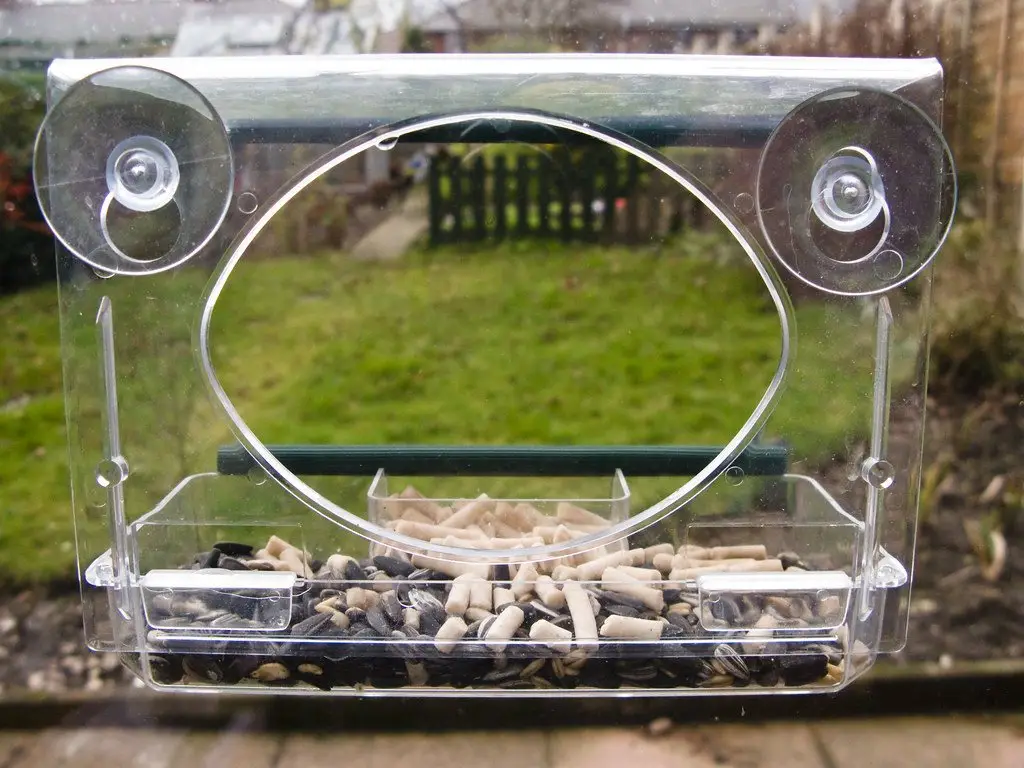
Wireless Bird Feeder Camera — 5 Checks Before Buying
A wireless bird feeder camera lives or dies on power and Wi-Fi reach. 5 picks compared on both, plus hummingbird use. See which fits your yard.
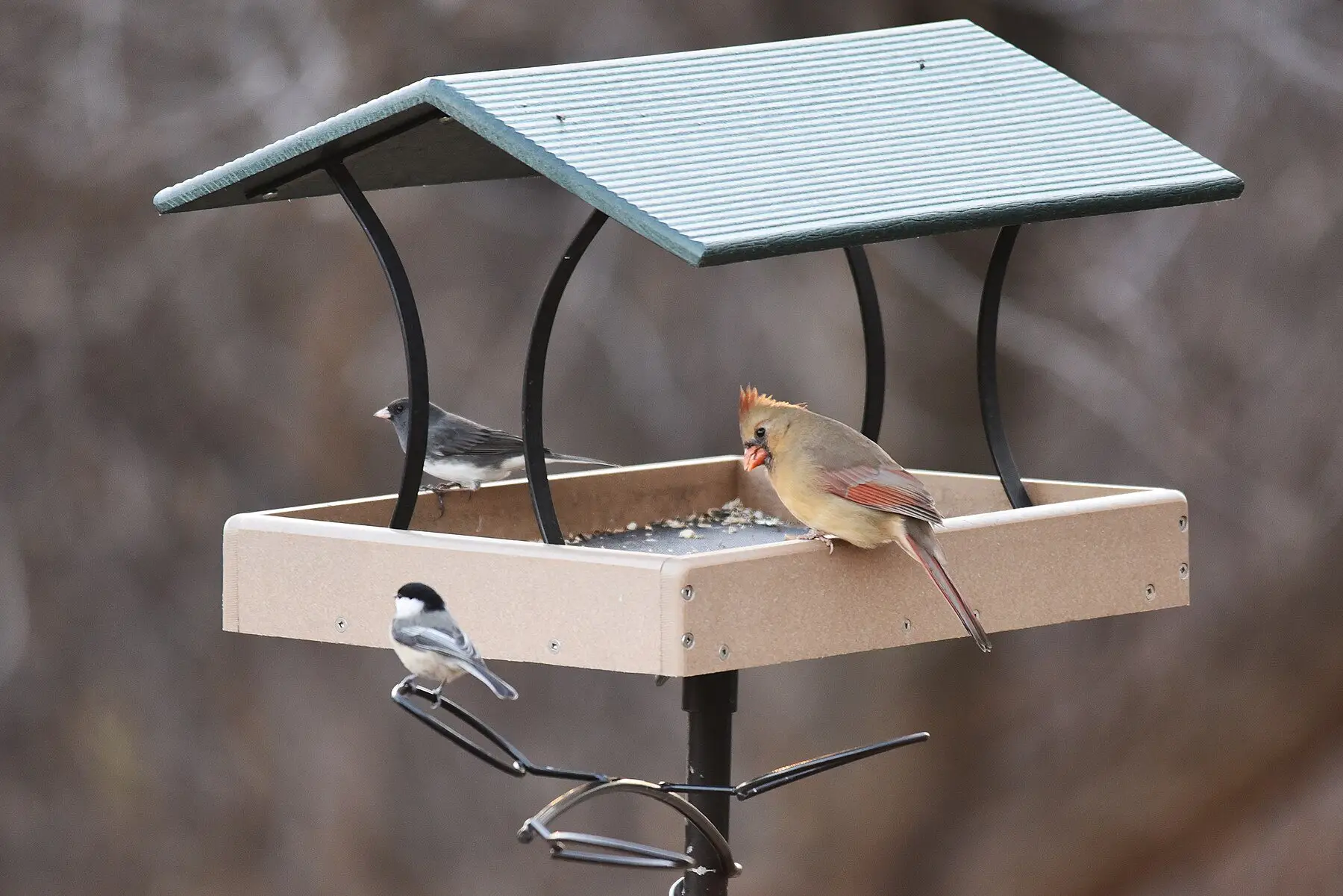
The Great Backyard Bird Count: How to Take Part in 15 Minutes
A four-day global bird count each February, free and open to anyone. What to do, which app to use, and how to count without double-counting birds.
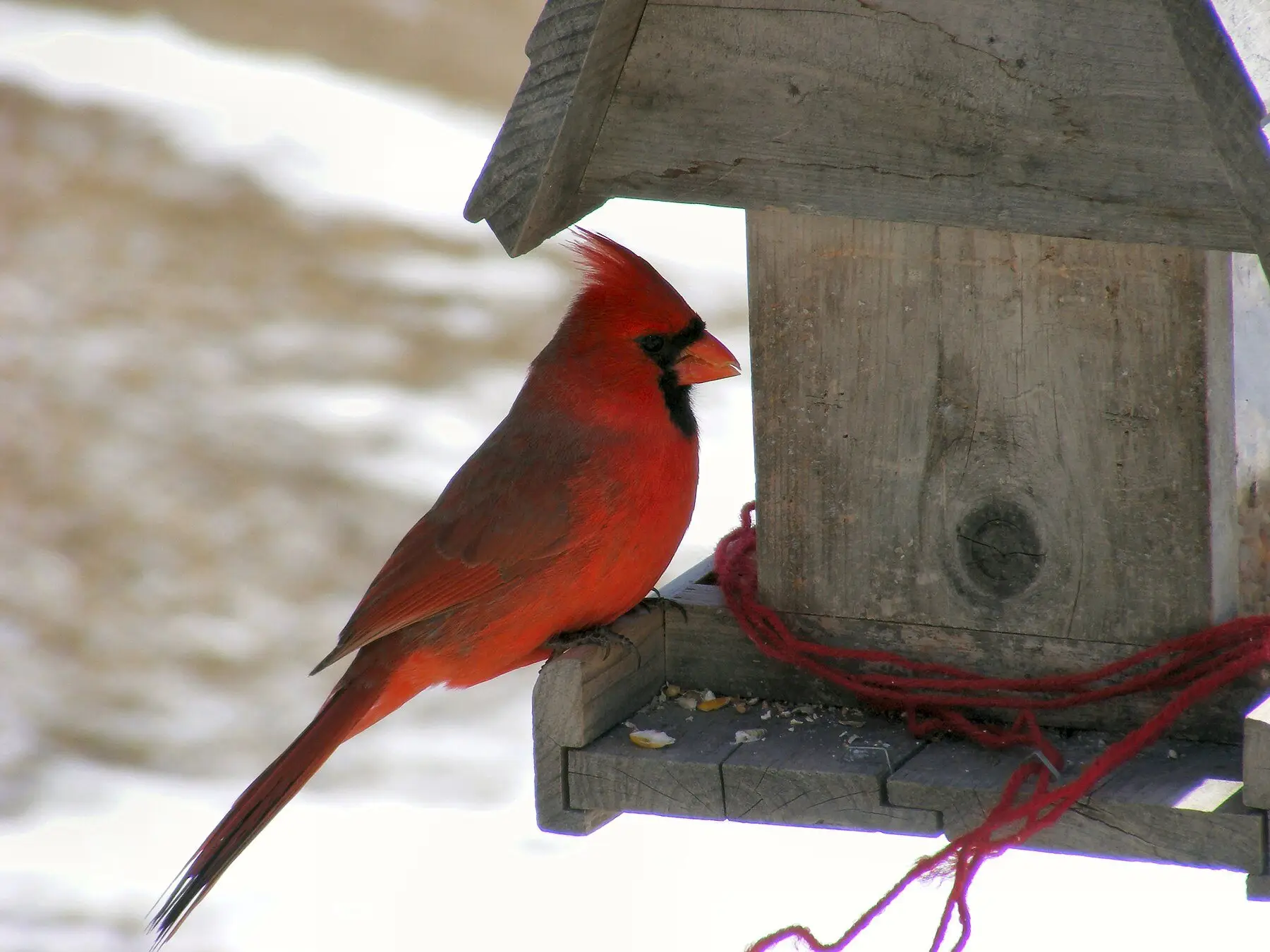
Common Birds in Kentucky: What Is at Your Feeder
The birds you will actually see in a Kentucky backyard, which stay all year, which arrive in summer, and how to tell the confusing pairs apart.
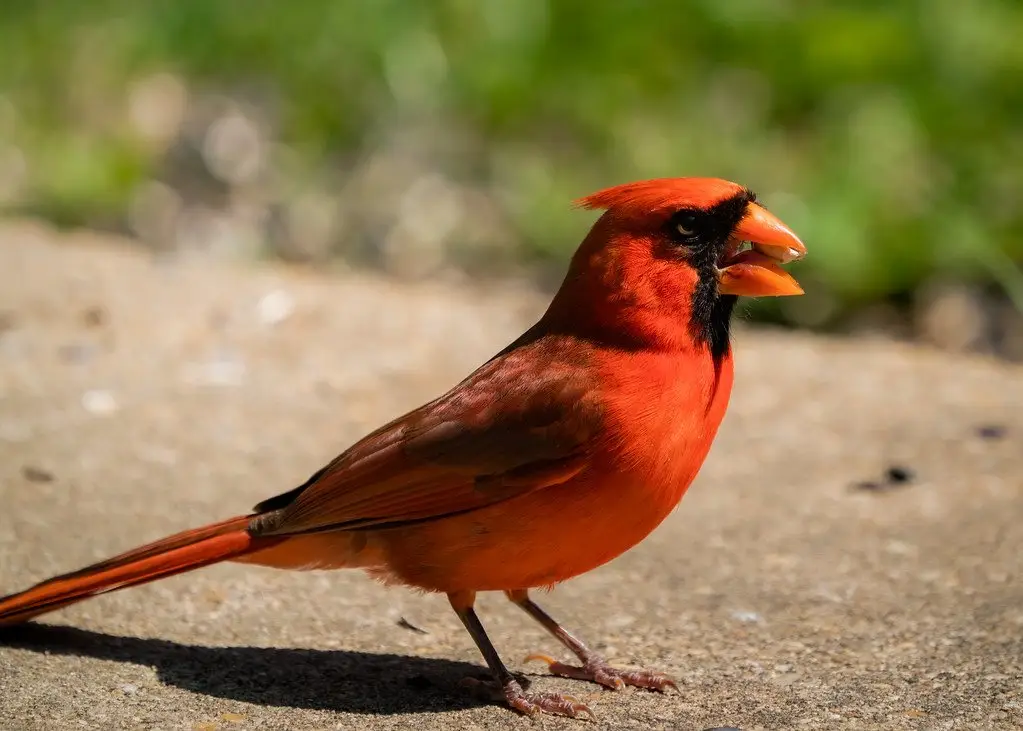
Best Bird Seed for Cardinals — 5 Picks, Safflower First
The best bird seed for cardinals is safflower, which squirrels leave alone. 5 seeds compared on pull, cost and mess. See which suits your feeder.