
What Is Diatomaceous Earth — 3 Rules Before You Buy
What is diatomaceous earth doing when it works is cutting insect cuticles while dry. 3 rules cover grade, use and a dust mask. See whether it fits your pest.
 By
We may earn a commission when you buy through links on this page, at no extra cost to you.

On this page
Fossilised algae, ground to powder. It kills insects by cutting them, not poisoning them — which explains both what it is good at and the long list of things it is useless for.
What it actually is
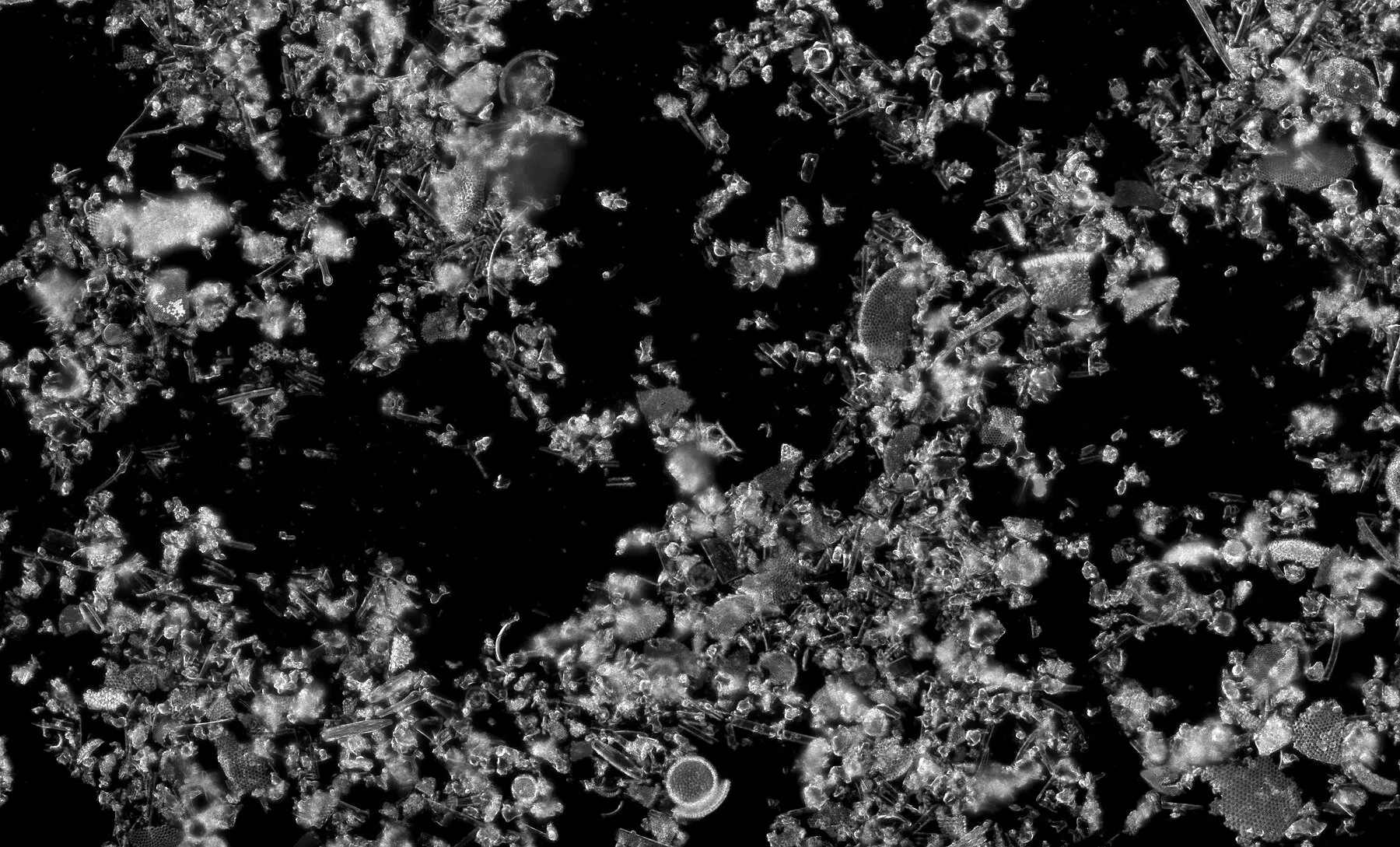
Diatoms are single-celled algae that build shells of silica. Where ancient seas and lakes dried out, those shells left thick deposits of soft rock, and that rock ground to a powder is diatomaceous earth.
Under a microscope the particles look like broken glass. On an insect they behave like it: the edges scratch through the waxy cuticle that stops the insect losing water, and the insect dehydrates over hours or days.
Nothing is poisoned. That is the whole appeal — there is no metabolic pathway for an insect to evolve around, so resistance never develops the way it does with every insecticide.
Food grade and pool grade are not the same product
Food grade is around 1% crystalline silica, non-toxic to swallow, and used as an anti-caking agent in stored grain.
Pool grade has been heat-treated for filtration, converting the silica to a crystalline form that is a serious respiratory hazard and a recognised carcinogen.
They look identical in the bag. Check the label, and never use pool grade anywhere near a garden, a house or an animal.
Even food grade, wear a mask when applying it. The dust is an irritant, and the particle size that makes it effective is exactly the size that reaches deep into lungs.
Where it genuinely works
| Target | Works? | Why |
|---|---|---|
| Ants indoors | Well | Dry trail, they must walk it |
| Cockroaches | Well | Dry harbourage behind appliances |
| Fleas in carpet | Well | Dry, and larvae live in the pile |
| Bed bugs | Moderately | Good in frame joints; slow, and not a standalone fix |
| Stored grain pests | Well | Its original commercial use |
| Earwigs, silverfish | Well | Dry crawling insects |
| Slugs and snails | Poorly | Mucus protects them; they travel when it is damp |
| Aphids on leaves | Poorly | Foliage is damp; they barely walk |
| Flying pests | No | They do not walk through it |
| Anything after rain | No | Wet powder does nothing |
The pattern is consistent: a dry surface that stays dry, and an insect that has to walk across it. Everything it fails at fails on one of those two conditions.
How to apply it
- Thin and even. A visible heap is worse than a dusting — insects walk around obvious piles, and the effect needs contact, not volume
- A puffer or bulb duster, not a scoop. Even coverage matters more than quantity
- Target the route, not the area: along skirting boards, behind appliances, in cracks, across a doorway threshold, around the base of a stem
- Reapply after any rain outdoors. Every time
- Give it days, not minutes. Death is by dehydration; nothing happens immediately
- Wear a mask, and let it settle before pets and children return
It kills every insect that walks through it, including the ones you want
Ladybirds, ground beetles, parasitic wasps, solitary bees and honey bees all have exoskeletons and are all killed by it.
Never dust it over flowering plants. Bees carry the powder back to the nest on their bodies. Outdoors, keep it to a narrow band at ground level, away from blooms — and accept that even then you are killing beneficial ground-dwellers along with the target.
The slug question
It is sold and shelved for slugs, and it is close to the worst thing on the list for them.
- Slugs are covered in mucus that resists abrasion and wets the powder as they cross
- They are active on damp nights and after rain — precisely when the powder is inert
- A slug that does get scratched often simply produces more mucus and keeps going
What works better: hand-picking after dark, beer traps, copper tape, removing damp daytime hiding places, and encouraging ground beetles, frogs and hedgehogs — all of which diatomaceous earth kills if they walk through it.
Honest summary
A good tool for a narrow job: dry, sheltered, crawling, indoors or nearly so. In that niche it is cheap, non-toxic, resistance-proof and genuinely effective.
A poor general garden insecticide, because outdoor conditions disable it most of the time and it is completely indiscriminate when they do not. It is neither the harmless organic dust it is marketed as, nor useless — it is a specific mechanism with specific conditions, and it works exactly when those conditions are met.
Our picks
| # | Pick | Best for | Where to buy |
|---|---|---|---|
| 1 | Food-grade diatomaceous earth | The only grade to buy | Check price for Food-grade diatomaceous earth → |
| 2 | Bulb duster or puffer applicator | What makes it actually work | Check price for Bulb duster or puffer applicator → |
| 3 | N95 dust mask | Wear it, every time | Check price for N95 dust mask → |
The only grade to buy
Food-grade diatomaceous earth
Buy food grade and nothing else. Pool-grade DE is crystalline silica and a genuine respiratory hazard — the two look identical in a bag.
- Grade
- Food grade, not pool/filter grade
- Works
- Only while completely dry
- Kills by
- Abrasion and dehydration, not poison
- Reapply
- After any rain or watering
What we liked
- No resistance ever develops, because the mechanism is physical
- Safe around food-preparation areas when applied as directed
- Lasts indefinitely in a sealed container
- Cheap per application
Worth knowing
- Stops working the moment it is damp
- Kills bees and ladybirds just as readily as pests
- Takes days, not minutes
What makes it actually work
Bulb duster or puffer applicator
The difference between DE working and DE sitting there. Applying it with a spoon is the commonest reason it disappoints.
- Type
- Rubber bulb or pump duster
- Gives
- A thin even film rather than a heap
- Reaches
- Cracks, voids, behind appliances
- Why
- Insects walk around visible piles
What we liked
- A dusting works where a heap does not, because insects avoid obvious piles
- Puts powder into cracks and voids a scoop cannot reach
- Uses far less product per application
- Cheap and lasts for years
Worth knowing
- One more thing to store
- Clogs if the powder has taken on moisture
Wear it, every time
N95 dust mask
Food grade is not the same as harmless to breathe. Mask on while dusting, and stay out of the room until it settles.
- Rating
- N95 or better
- For
- Fine airborne dust during application
- Also
- Let it settle before pets and children return
- Note
- Applies to food grade too
What we liked
- Even food-grade DE is a fine respirable dust and an airway irritant
- Cheap relative to the irritation it prevents
- Useful for any other dusty garden job
Worth knowing
- Uncomfortable in heat
Common questions
What is diatomaceous earth?
Is diatomaceous earth safe for people and pets?
Does diatomaceous earth work when wet?
Does diatomaceous earth kill slugs?
What does diatomaceous earth actually work well on?
Does diatomaceous earth harm bees?
Backyard Weekly
Know what to plant, week by week
Join the weekly email for seasonal jobs, fixes for what is going wrong, and gear worth buying.
Not ready to subscribe? The planting calendar is free and needs no email.
By subscribing you agree to our privacy policy. Grow In Backyard will never sell your address.
Keep reading
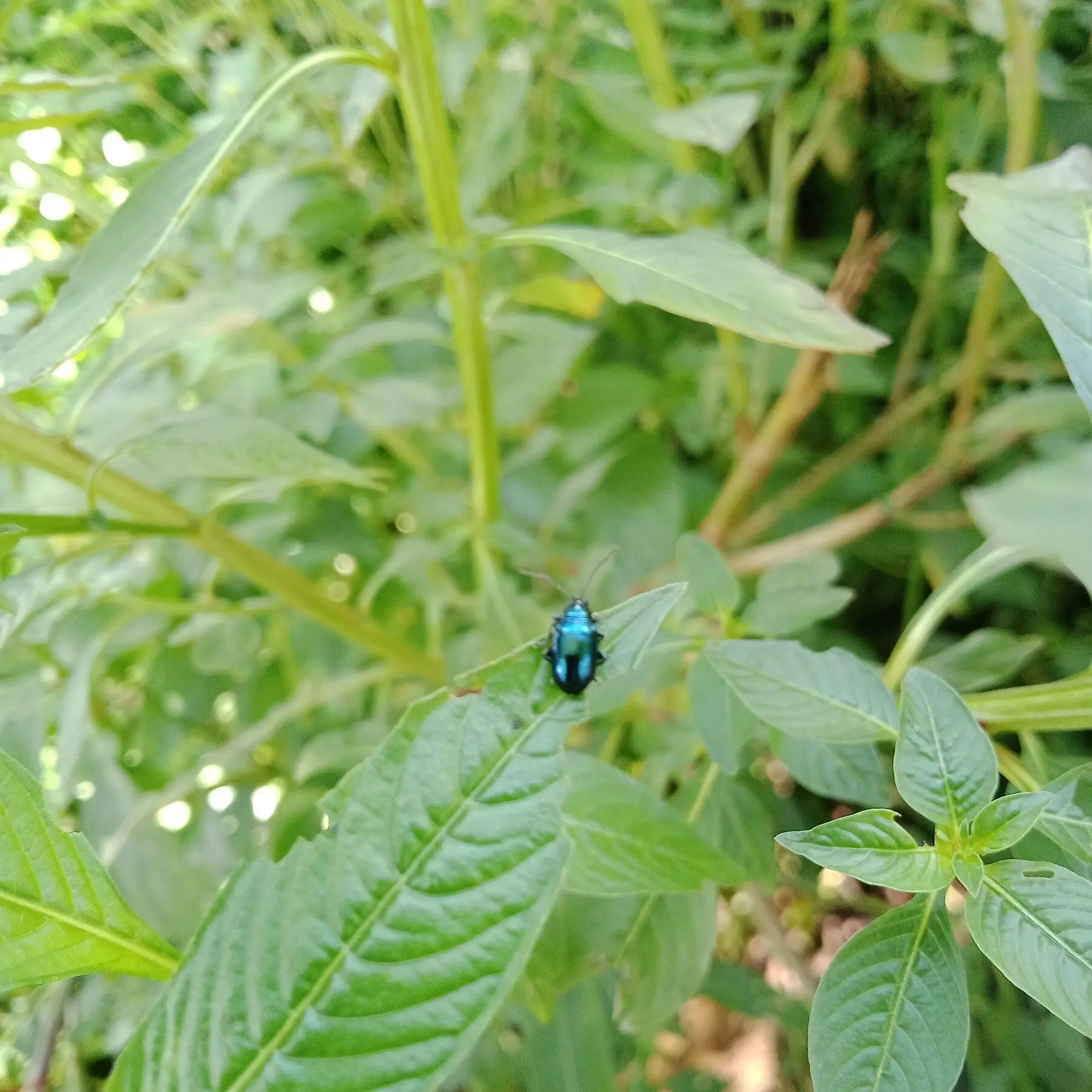
Flea Beetles: Shotholes in Leaves, and What Actually Stops Them
Tiny jumping beetles that pepper brassica and eggplant leaves with holes. Why seedlings are the only real risk, and the controls that work in order.
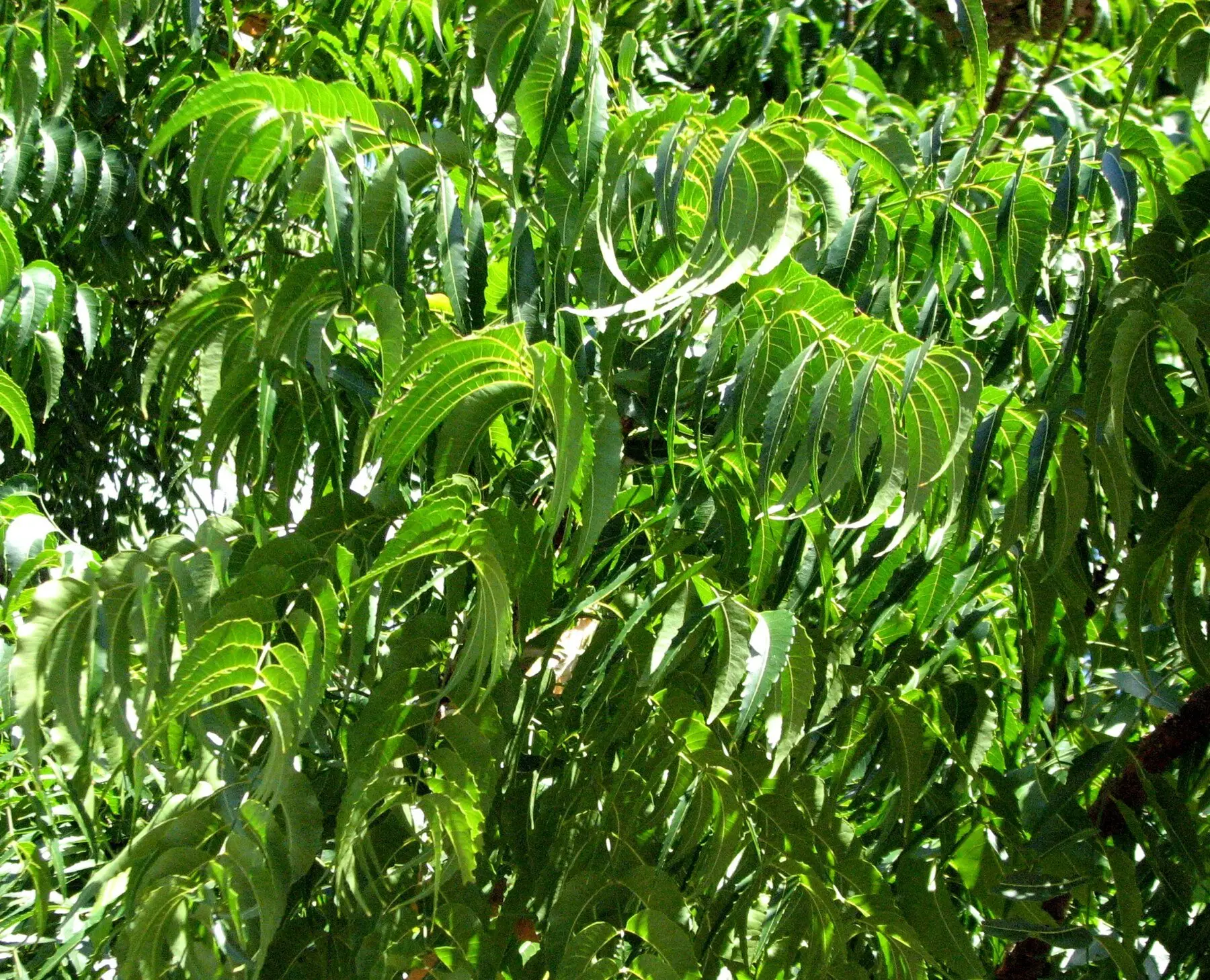
How to Use Neem Oil on Plants Without Burning Them
The right dilution, why it needs soap to mix, when to spray, and which pests it works on. Neem is slow and specific — treat it as a knockdown and it fails.
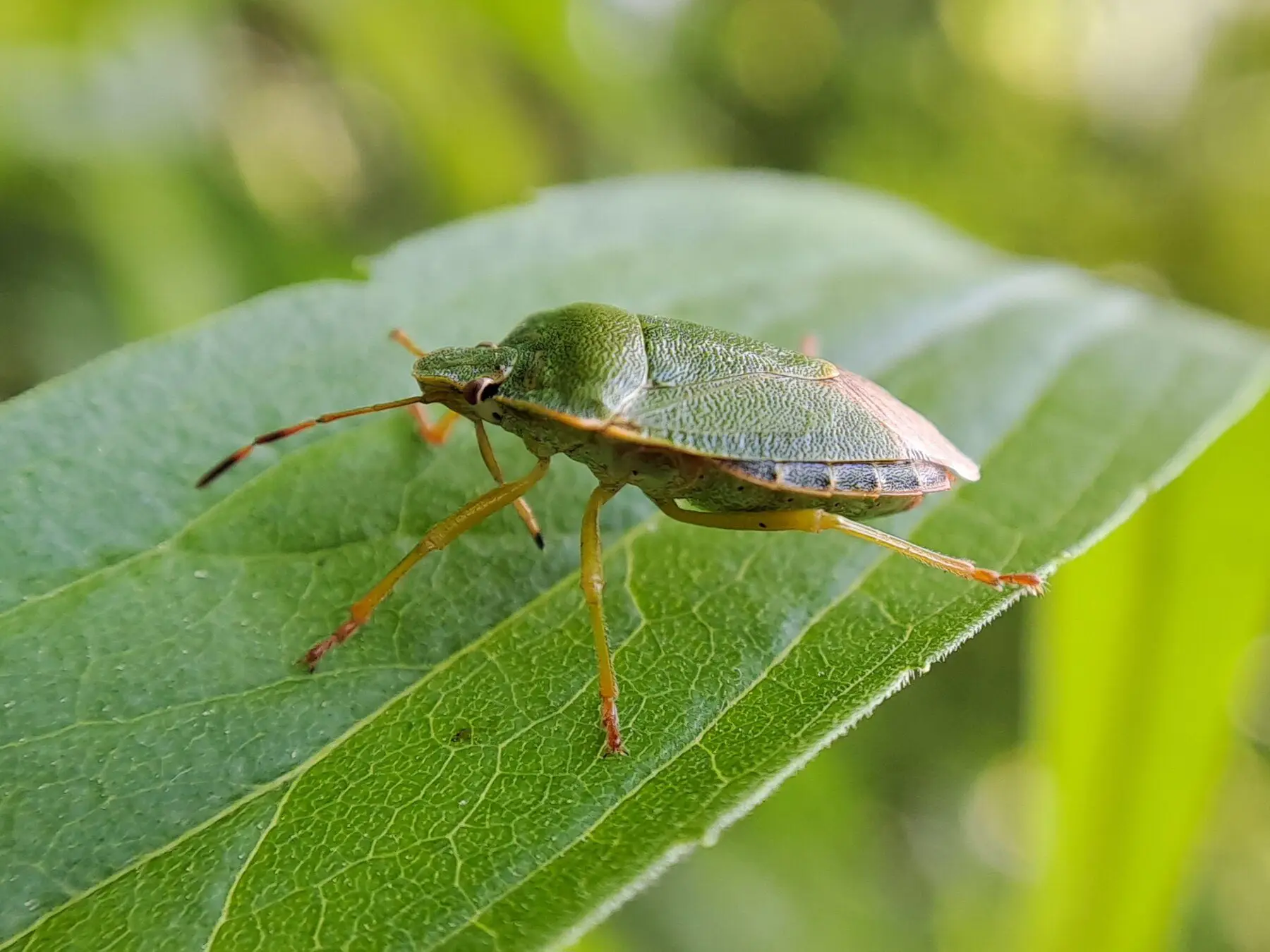
Types of Stink Bugs: Which Are Pests and Which Help
Not every shield bug is a problem — some eat the ones that are. How to tell the invasive brown marmorated from natives, and what to do about each.
What Kills Weeds Down to the Root? Systemic, or Digging
Only a systemic herbicide travels to the roots. Vinegar, salt and flame burn off top growth, which perennial weeds regrow from within a fortnight.