
White Fly on Plants: Why Spraying Keeps Failing
White fly on plants survives most sprays because 3 of its 4 life stages are armoured or hidden. What reaches each stage, and the 7-day cycle that decides timing.
 By

On this page
Whitefly is the pest people treat correctly and still lose to. The spray works, the cloud disappears, and a week later it is back — which is not resistance, and not a bad product. It is the life cycle.
Why one spray never works
| Stage | Where | Duration | Contact spray |
|---|---|---|---|
| Egg | Underside, in a circle | ~7 days | No effect |
| Crawler | Underside, mobile | 2–3 days | Vulnerable |
| Nymph (scale) | Fixed, waxy cover | 1–2 weeks | Largely protected |
| Adult | Flies when disturbed | 1–3 weeks | Vulnerable |
Two of the four stages are effectively immune to a contact spray, and they are the two that last longest. That is the whole explanation for the pattern everyone experiences: treat, see success, see failure a week later.
The fix is not a stronger product. It is repetition timed to the hatch — every five to seven days, so each new batch of crawlers is caught in its brief vulnerable window.
Getting the spray where it matters
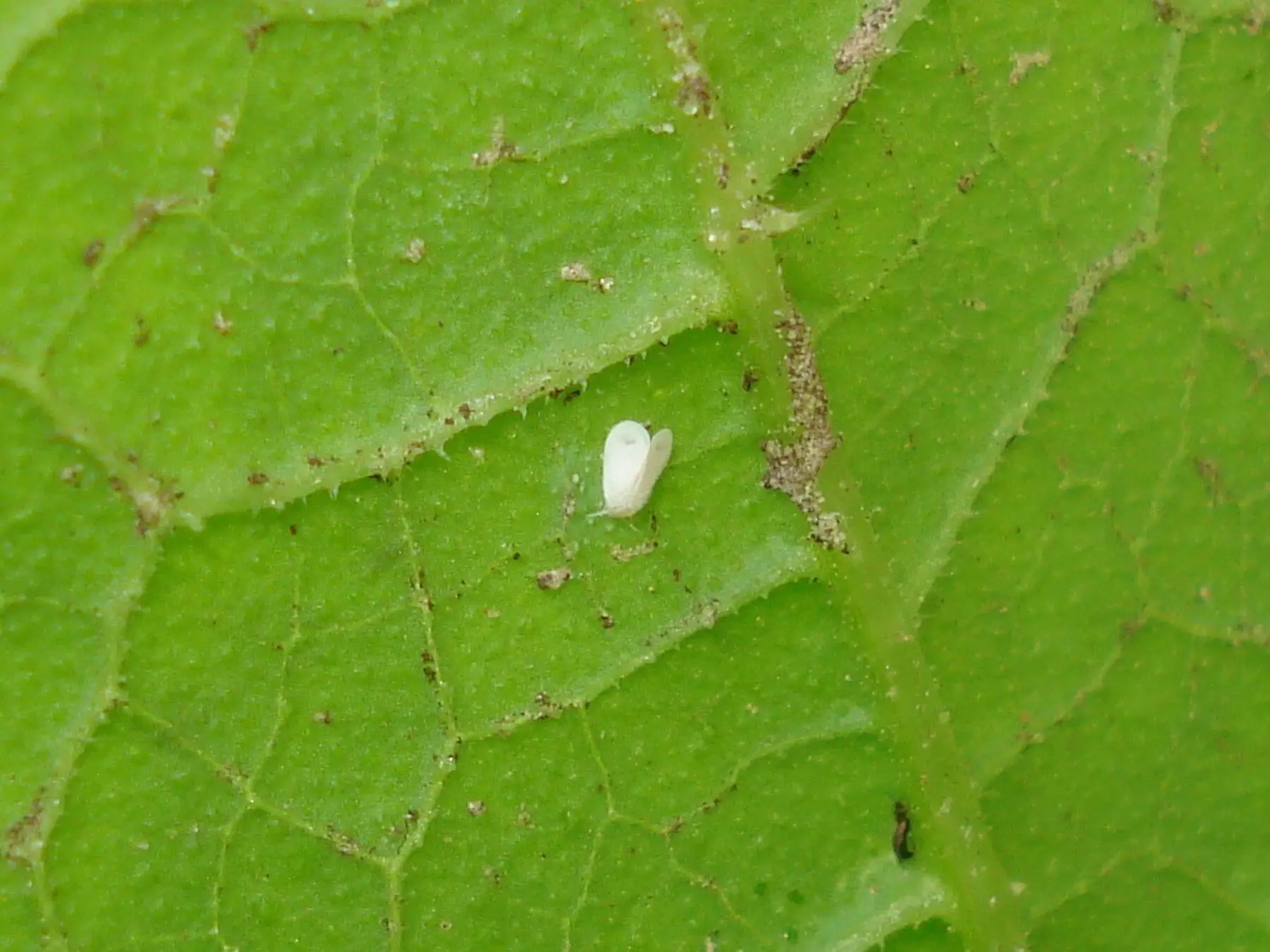
Whitefly live and breed almost entirely on the undersides of leaves, usually the younger growth near the top of the plant. Spraying the tops of leaves is close to useless, and it is the most common application error.
- Turn the leaf, or spray upward. A wand that angles up is worth more than a better product.
- Start at the top of the plant, where the youngest growth and most eggs are.
- Wet it thoroughly — soaps and oils work by contact and smothering, so partial coverage means partial kill.
- Spray in the evening or early morning. Oils and soaps on leaves in strong sun cause scorch.
Watch out
Do not increase the concentration to compensate for poor coverage. Insecticidal soap and horticultural oil above their stated dilution burn foliage, and a scorched plant drops the leaves you were trying to protect — which removes the evidence rather than the pest.
What to use, in order
1. Physical removal first. Strip and bin the worst lower leaves. On a heavily infested plant this removes more of the population in two minutes than a spray does, and it improves coverage for everything after.
2. Insecticidal soap or horticultural oil. The sensible default. Both work by contact and smothering, both are short-lived, and neither builds resistance. Weekly, three rounds.
3. Yellow sticky traps. For monitoring, and to knock back adults. Hang at plant height, not above it.
4. Biological control, in a greenhouse. Encarsia formosa parasitises whitefly nymphs and is the standard commercial answer. It needs warmth and it is incompatible with spraying, so it is a decision rather than an addition — you do one or the other.
5. Reduce nitrogen. Soft, sappy growth from heavy feeding is what whitefly prefer. An over-fed tomato is a more attractive host than a lean one.
The damage that actually matters
The sap feeding is rarely what kills a plant. Two secondary effects do more:
- Honeydew and sooty mould. The excreted sugar grows a black fungal film that blocks light. Heavy infestations coat lower leaves and the surfaces beneath the plant.
- Virus transmission. Several whitefly species vector plant viruses, which is why they are treated much more seriously on tomatoes, peppers and brassicas than the feeding damage alone would warrant. A virus cannot be sprayed off once it is in the plant.
That second point is the argument for acting early rather than tolerating a small population.
Common questions
Why do whiteflies keep coming back after spraying?
How often should I spray for whitefly?
Do yellow sticky traps get rid of whitefly?
Are whiteflies harmful to plants?
What is the best treatment for whitefly indoors?
Backyard Weekly
Know what to plant, week by week
Join the weekly email for seasonal jobs, fixes for what is going wrong, and gear worth buying.
Not ready to subscribe? The planting calendar is free and needs no email.
By subscribing you agree to our privacy policy. Grow In Backyard will never sell your address.
Keep reading
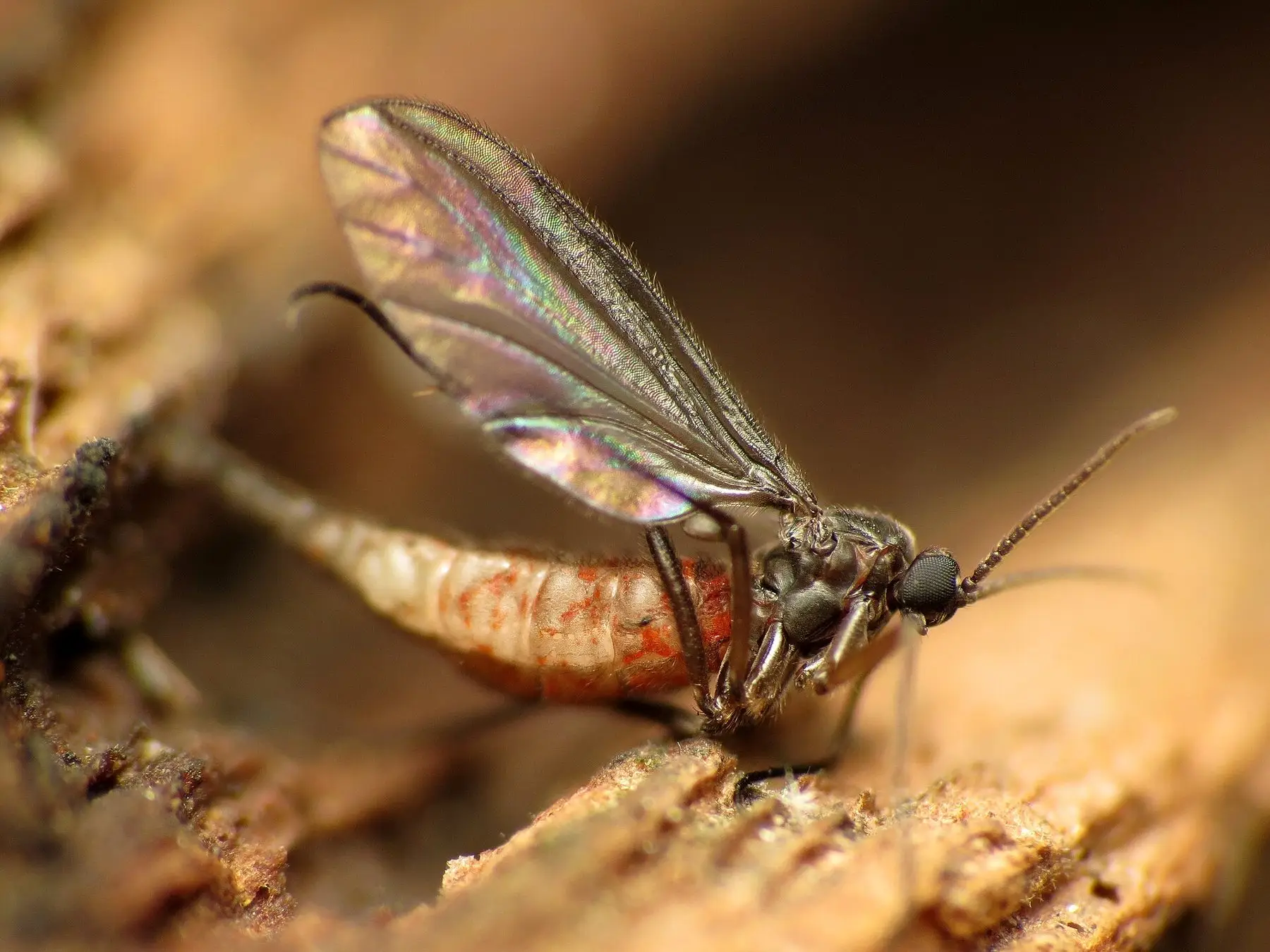
Fungus Gnats: Kill the Larvae, Not the Flies You See
The adults are harmless; the larvae in the top inch of compost are what damage roots. Why letting the surface dry works, and what actually breaks the cycle.
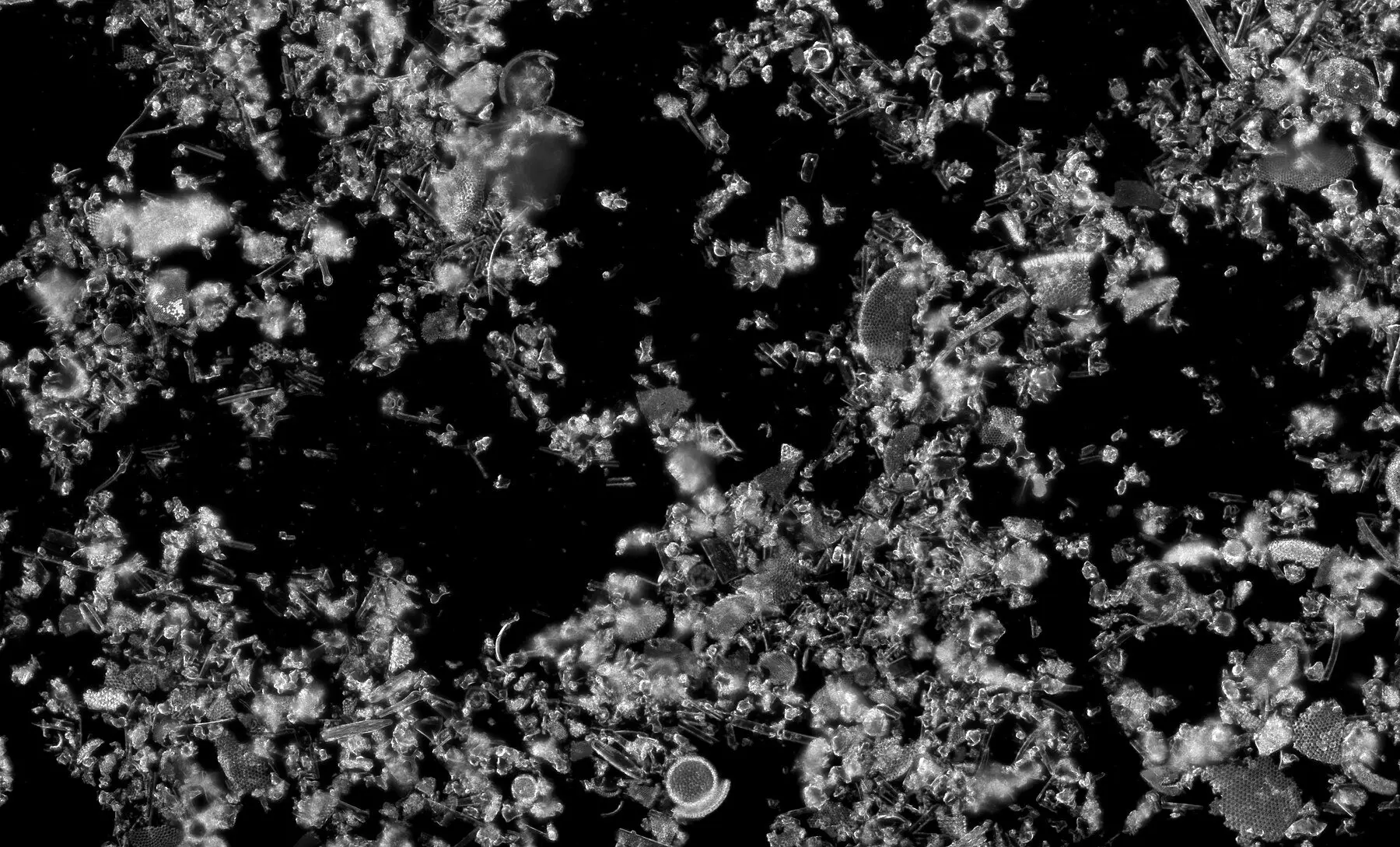
What Is Diatomaceous Earth — 3 Rules Before You Buy
What is diatomaceous earth doing when it works is cutting insect cuticles while dry. 3 rules cover grade, use and a dust mask. See whether it fits your pest.
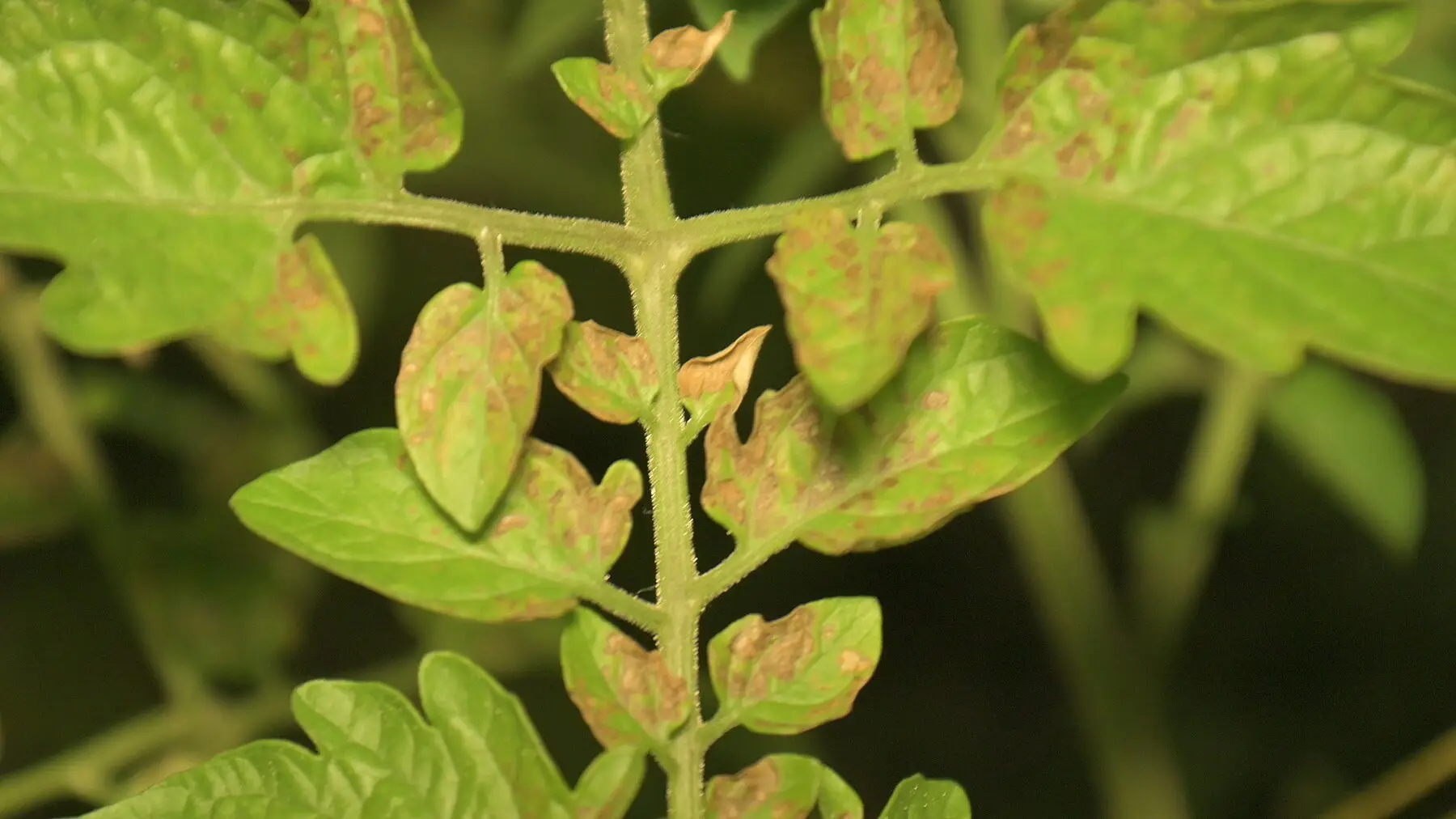
Black Spots on Tomato Leaves: Which Disease You Have
Septoria, early blight, bacterial spot and late blight all start as dark leaf spots. Telling them apart decides whether you prune, spray, or pull the plant.
Why Are Ants Attracted to Light? Only the Winged Ones Are
Worker ants ignore light and follow scent trails. The ants swarming a lamp are winged reproductives on a mating flight, and that is temporary.