
Why Are Ants Attracted to Light? Only the Winged Ones Are
Worker ants ignore light and follow scent trails. The ants swarming a lamp are winged reproductives on a mating flight, and that is temporary.
 By
On this page
Workers are not. They navigate by pheromone trails, not light. The ants mobbing a lamp are winged reproductives on a mating flight — one evening a year, and then they are gone.
Two completely different insects doing two different things
| Worker ants | Winged reproductives | |
|---|---|---|
| Drawn to light | No | Yes, strongly |
| Navigate by | Pheromone trail, polarised sky | Light, airborne cues |
| Why they are here | Food, water, sugar | Mating flight |
| Wings | None | Four, unequal length |
| How long they last | Indefinitely | Hours |
| What to do | Remove the food, wipe the trail | Nothing |
The swarm, explained
Mature colonies produce winged males and queens once a year and release them all at once, on a warm, humid, still evening after rain. The synchronisation is the point — every colony in the area flies on the same night, so the queens mate with males from somewhere else.
Then: males die, queens land, shed their wings, and go looking for a nest site. The discarded wings on a windowsill the next morning are the signature.
Turn the light off
That is the entire remedy for a swarm on the patio. They are following the brightest thing in the sky; remove it and they move on. Nothing needs spraying.
When winged ants do matter
Emerging from inside the house
A handful that flew in through a door is nothing. Winged ants emerging repeatedly from a skirting board, window frame or ceiling void means a mature colony is living in the structure. Large black ones near damp timber point to carpenter ants and a moisture problem. And check it is not a termite: termites have straight antennae and two pairs of equal-length wings, ants have elbowed antennae and a pinched waist.
If it is workers you are dealing with
- Follow the line back to where it enters. The trail is precise because it is chemical.
- Remove the food: sweet residue, pet bowls, greasy crumbs, a leaking pipe.
- Wipe the trail with soapy water, not a spray that leaves the pheromone intact.
- Check your plants for aphids. Honeydew is a major draw, and the ants are farming it.
- Bait rather than spray if it persists — killing foragers leaves the colony producing more.
The bulb detail worth knowing
Flying insects respond most to short wavelengths and ultraviolet. A warm-white or amber bulb near a door draws a fraction of what a cool-white one does, which makes a measurable difference on exactly the kind of evening a swarm happens.
Common questions
Why are ants attracted to light?
What are the flying ants around my porch light?
Should I worry about winged ants indoors?
How long does an ant swarm last?
Does leaving a light on attract ants into the house?
What attracts worker ants instead?
Backyard Weekly
Know what to plant, week by week
Join the weekly email for seasonal jobs, fixes for what is going wrong, and gear worth buying.
Not ready to subscribe? The planting calendar is free and needs no email.
By subscribing you agree to our privacy policy. Grow In Backyard will never sell your address.
Keep reading
Can Carpenter Ants Kill a Tree? They Follow Decay, Not Cause It
Carpenter ants excavate wood that is already soft and wet. They do not eat live wood, so they are a symptom of internal rot rather than its cause.
What Are the First Signs of Termites? Mud Tubes and Wings
Discarded wings on a windowsill and pencil-width mud tubes on foundations are the earliest termite signs — both appear long before visible damage.
What Smell Do Flies Hate the Most? Scent Is the Weak Part
Basil, mint, lavender and clove genuinely repel flies — briefly, and at close range. Why removing the attractant beats any scent, and what works outdoors.
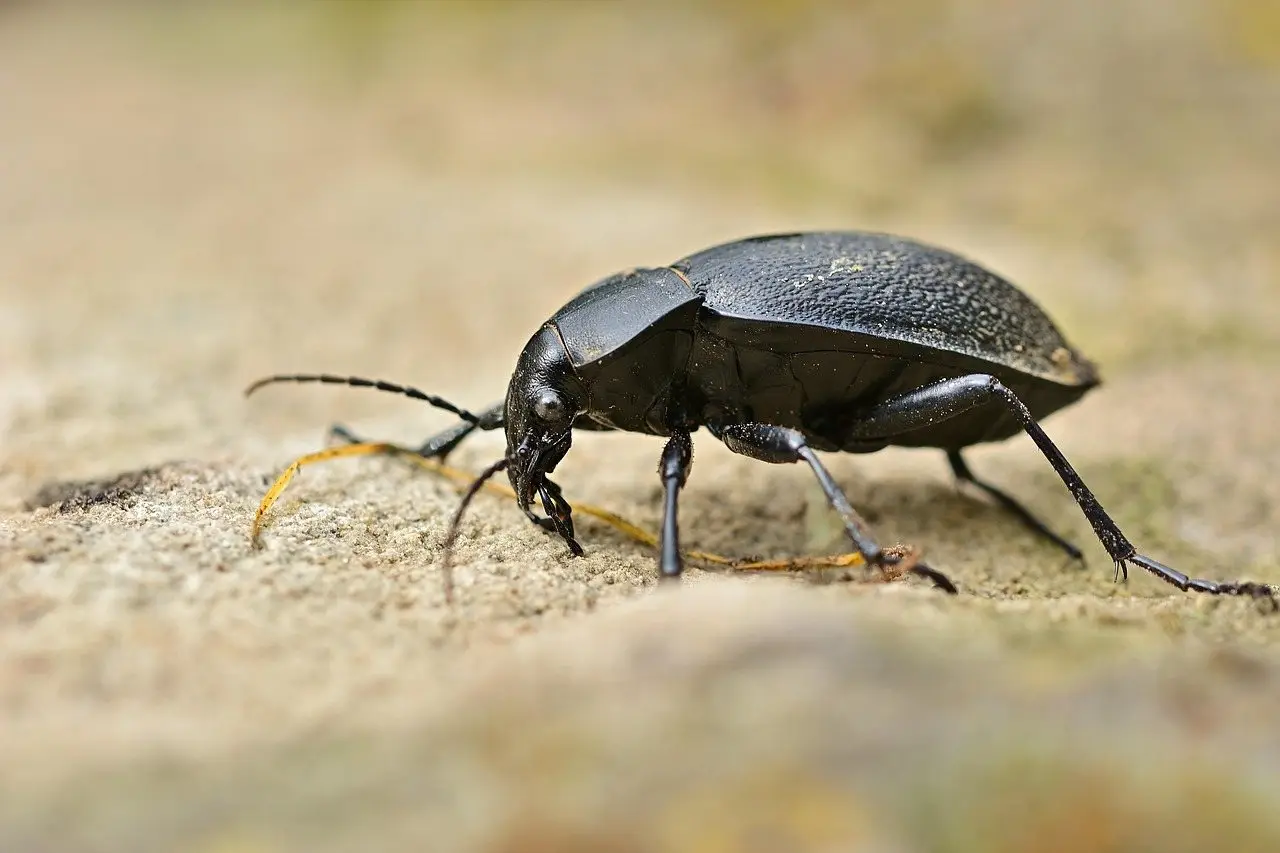
Are Darkling Beetles Harmful? Not to You, Sometimes to Seedlings
Darkling beetles do not bite or sting and mostly eat decaying matter. The larvae chew seedling stems, and in a poultry coop they are a real pest.