
Can Carpenter Ants Kill a Tree? They Follow Decay, Not Cause It
Carpenter ants excavate wood that is already soft and wet. They do not eat live wood, so they are a symptom of internal rot rather than its cause.
 By
On this page
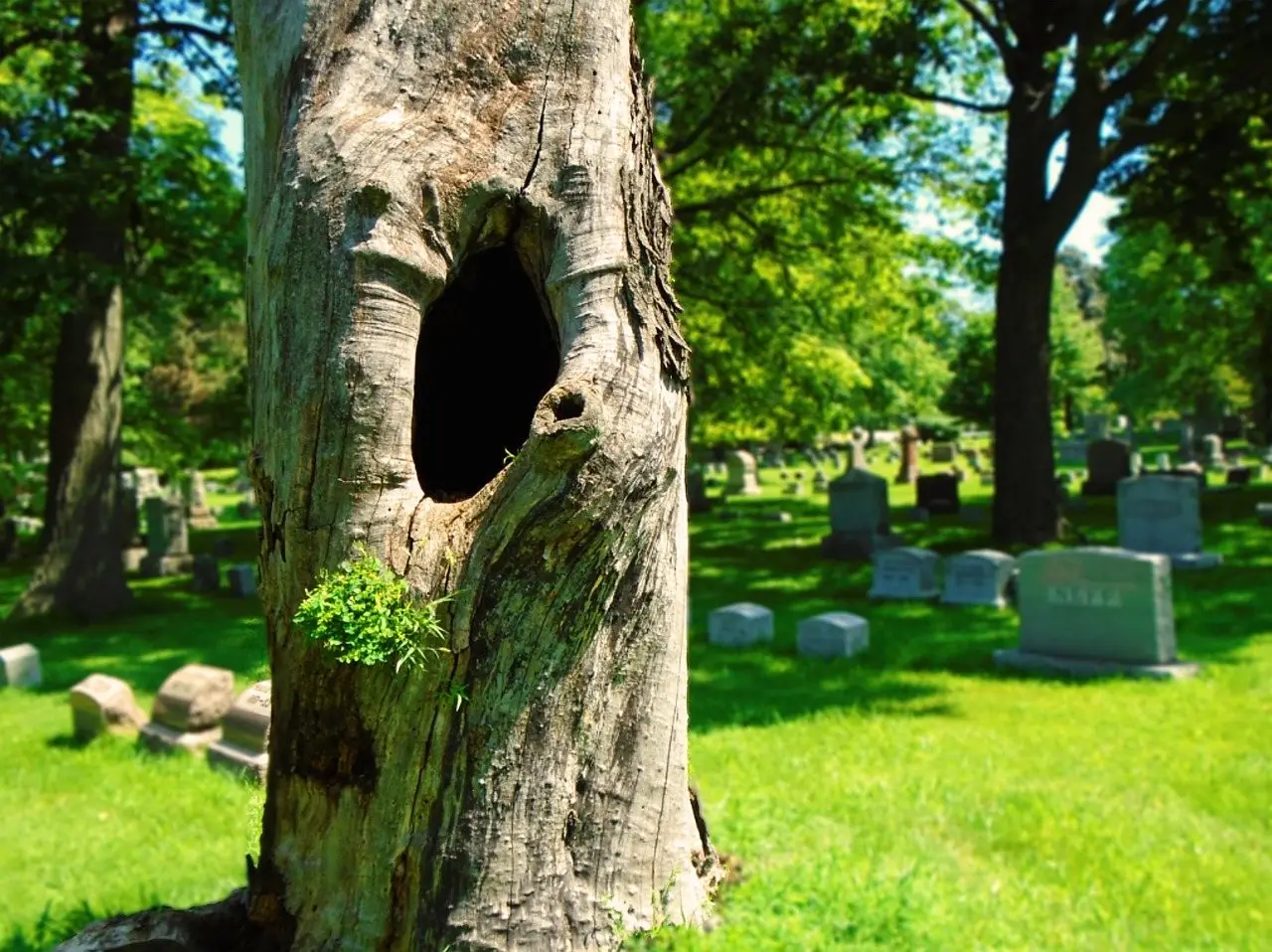
Almost never. Carpenter ants do not eat live wood — they tunnel through wood that is already wet and rotting. Finding them means the tree has a decay problem that came first.
What they actually do
Carpenter ants are excavators, not wood-eaters. They chew galleries to house the colony and push the shavings out; they live on insects, honeydew and anything sweet. Sound heartwood is too hard and too dry to be worth the effort, so they work only where moisture and fungi have got there first.
That ordering is the whole answer. The ants are reading the tree’s condition, not setting it.
How the decay got in
Almost always a wound that never closed: an old pruning cut, a storm split, a strimmer or mower injury at the base, or heartwood rot spreading out from a broken limb. Water sits in it, fungi colonise it, the wood softens — then the ants arrive.
Sawdust, not droppings
| Sign | What it means |
|---|---|
| Coarse shavings at the base | Excavated wood pushed out of a gallery — active nest |
| Large ants trailing the bark at dusk | Foraging workers; nest may be elsewhere |
| Hollow note when tapped | Decay is already substantial — assess the tree |
| Winged ants indoors in spring | A mature colony nearby, possibly in the house |
| Fine powder, not shavings | Not carpenter ants — look at termites or beetles |
The one case that is urgent
A colony within a few metres of a building
A mature nest in a tree is a reservoir, and carpenter ants readily establish satellite nests in damp structural timber — a leaking fascia, a wet sill plate, soft decking. The tree may be in no danger at all while the house is. Treat the distance to the building as the risk.
What to do
- Find the water. Look for the wound, the split, the mower scar, the pocket that stays wet.
- Get the trunk assessed if it sounds hollow. An arborist sounding or resistance-drilling it tells you how much solid wood is left — that is the only number that matters.
- Do not seal, fill or paint the cavity. Concrete and sealants trap moisture and accelerate the decay. Open cavities drain.
- Bait the colony only for the house’s sake, and understand that it does nothing for the tree.
- Keep the canopy under review. Dieback at the top is the signal that the decay has reached the tree’s plumbing.
The honest summary
A hollow trunk with ants in it is common in old trees and often not dangerous. A tree is removed because too little sound wood remains and it would hit something if it failed — never because carpenter ants were found in it.
Common questions
Can carpenter ants kill a tree?
Why are there carpenter ants in my tree then?
Does killing the ants save the tree?
Are carpenter ants in a tree a danger to my house?
How do I tell if carpenter ants are in a tree?
Should I remove a tree with carpenter ants?
Backyard Weekly
Know what to plant, week by week
Join the weekly email for seasonal jobs, fixes for what is going wrong, and gear worth buying.
Not ready to subscribe? The planting calendar is free and needs no email.
By subscribing you agree to our privacy policy. Grow In Backyard will never sell your address.
Keep reading
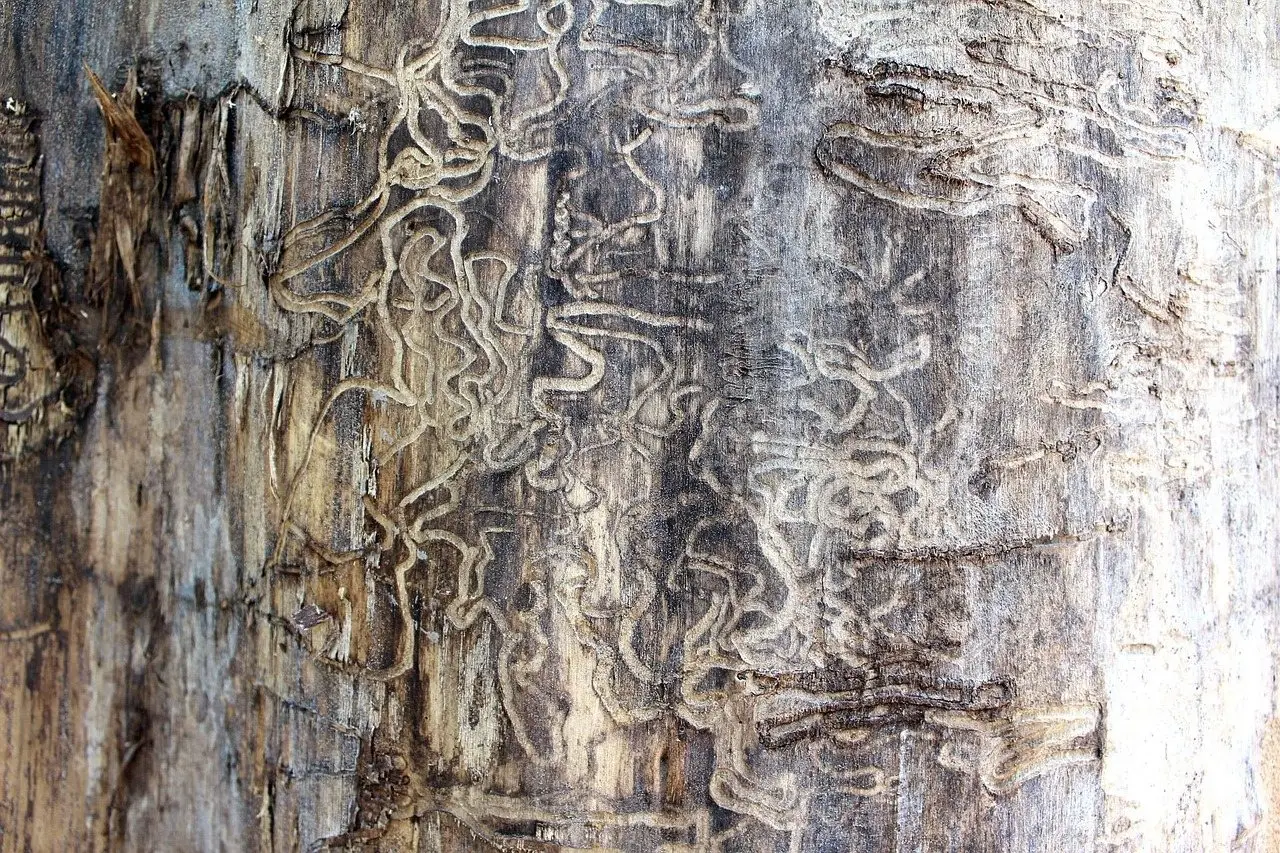
What Are the First Signs of Termites? Mud Tubes and Wings
Discarded wings on a windowsill and pencil-width mud tubes on foundations are the earliest termite signs — both appear long before visible damage.
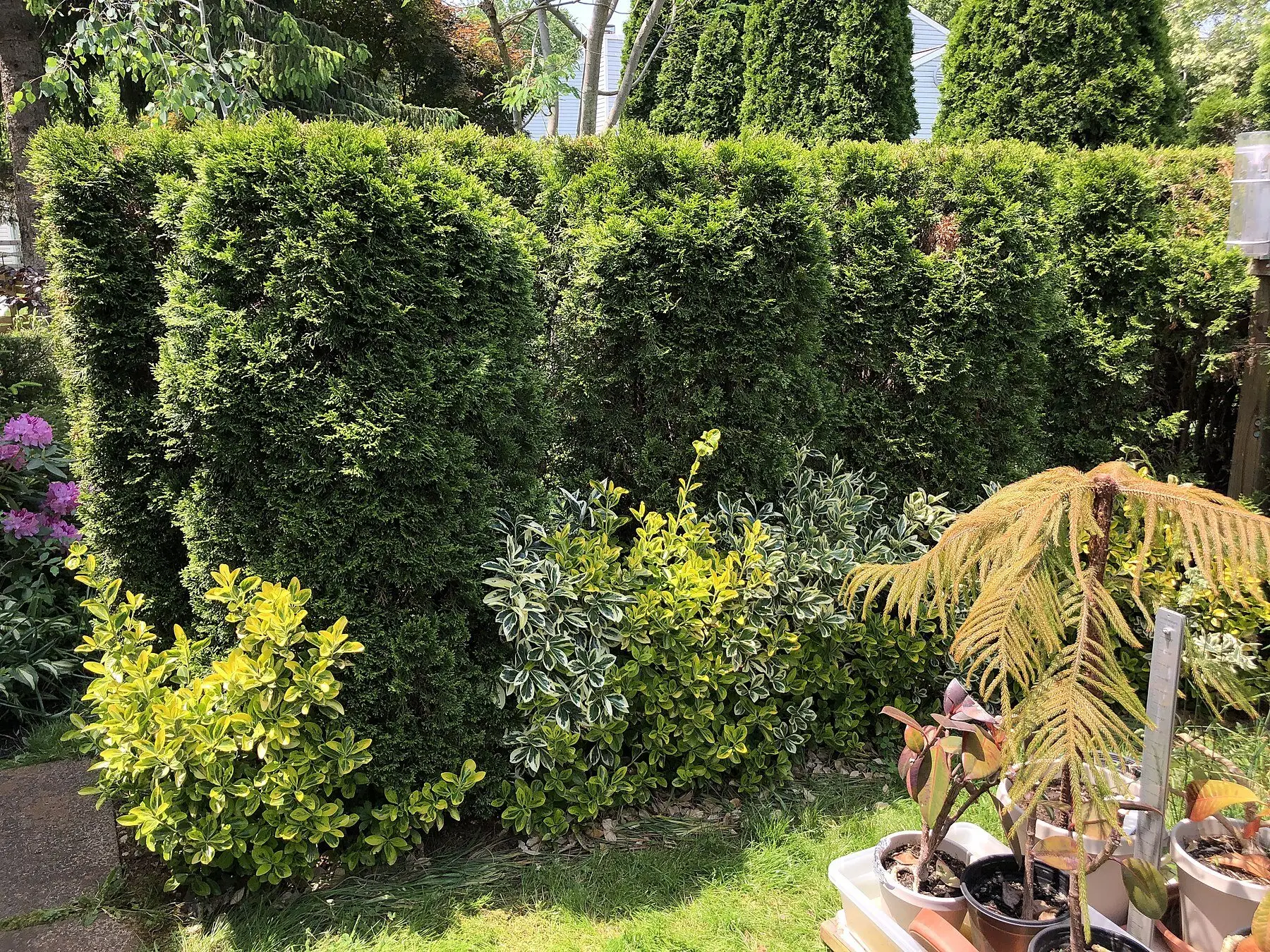
How to Tell if an Arborvitae Is Dying: The Scratch Test
Brown arborvitae foliage is often seasonal shedding, not death. Scratching the bark and checking where the brown sits separates the two in a minute.
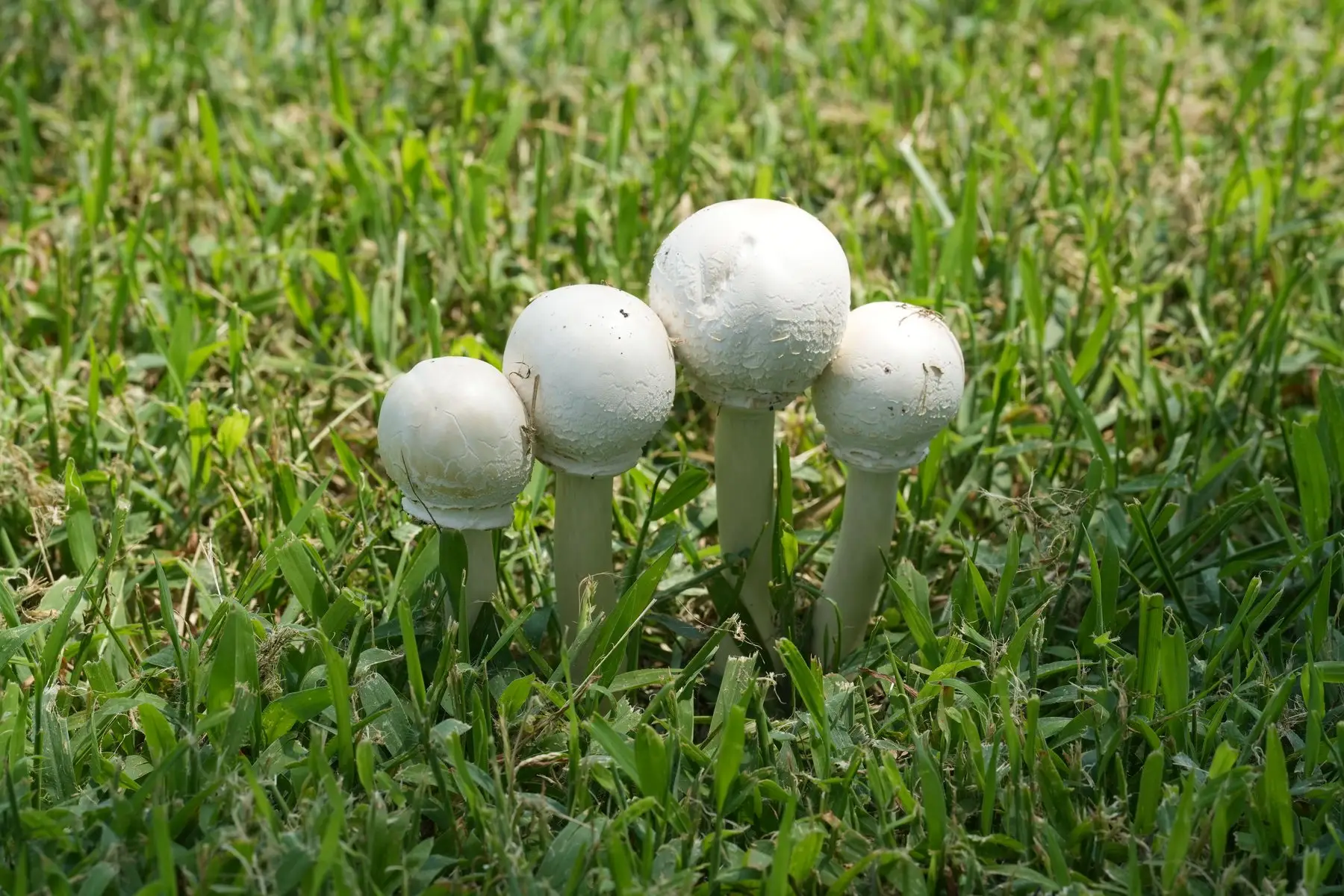
Why Does My Lawn Have Mushrooms? Something Is Rotting
Mushrooms mean fungi are digesting buried wood or thatch — a sign of healthy soil, not disease. They vanish on their own when the food runs out.
Can Mosquitoes See in the Dark? How They Really Find You
Mosquitoes see poorly and hunt mostly by CO2, heat and smell. Vision only matters in the last metre — which changes what actually keeps them off you.