
What Do Marigolds Repel? Root Nematodes, and Little Else
Marigolds have one well-evidenced effect: French marigolds suppress root-knot nematodes. The mosquito and rabbit claims do not hold up.
 By
On this page
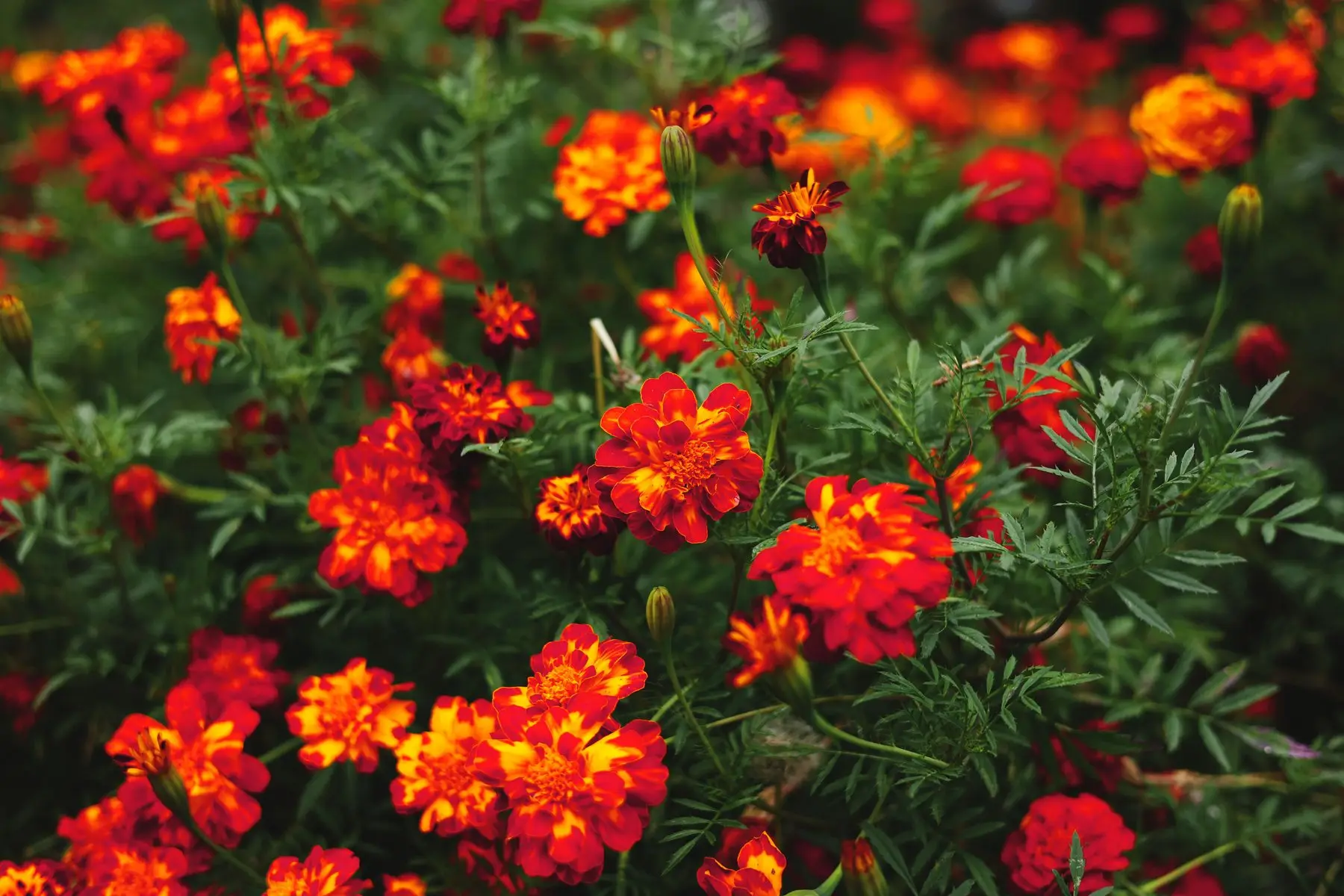
One thing, properly: French marigolds suppress root-knot nematodes in soil. That is a real, well-documented effect. The mosquito, rabbit and aphid claims attached to the same plant are not.
The one that holds up
| Claim | Holds up? |
|---|---|
| Root-knot nematodes | Yes — documented, as a cover crop |
| Mosquitoes | No |
| Rabbits, deer | No — they browse them |
| Aphids | Indirectly, by attracting predators |
| Cabbage moths | Not supported |
How the nematode effect actually works
The roots release thiophenes, which are toxic to root-knot nematodes and break their life cycle.
This is not a companion-planting effect
A few marigolds dotted between tomatoes does very little. The research grows a solid block of French marigolds over the whole bed, for at least two months, in the season before the susceptible crop goes in — then turns them under.
Done that way it works. Done as decoration between rows, it does not.
Species matters:
- French marigold, Tagetes patula — the one with the evidence, and some cultivars are stronger than others
- African / American marigold, Tagetes erecta — some effect, generally less
- Pot marigold, Calendula officinalis — not a marigold at all. Different genus, none of this
Why the mosquito claim persists
Marigold foliage is strongly scented and contains compounds related to pyrethrum, which is a real insecticide. The step that gets skipped is concentration.
Work showing an effect uses extracted oil, applied to skin or burned. A living plant releases a tiny fraction of that into open air, and the air moves. A pot on the patio does nothing measurable.
Rabbits and deer
Strong smell can put an animal off for a few days. Then it gets hungry.
Marigolds are listed as occasionally browsed, not resistant, and rabbits eat them readily. If the pressure is real, fence it. If the pressure is light, almost anything looks like it worked.
Plant them anyway
Just for the right reasons:
- They flower hard all season for very little effort
- They feed hoverflies and other predatory insects, whose larvae eat aphids in quantity — this is well supported, and it is the opposite mechanism to repelling
- They tolerate poor soil and heat
As an insectary flower, marigolds earn their space. As a chemical barrier, they do not.
Common questions
What do marigolds actually repel?
Do marigolds repel mosquitoes?
Do marigolds keep rabbits and deer away?
How do marigolds work against nematodes?
Which marigold works, and which does not?
Are marigolds worth planting anyway?
Backyard Weekly
Know what to plant, week by week
Join the weekly email for seasonal jobs, fixes for what is going wrong, and gear worth buying.
Not ready to subscribe? The planting calendar is free and needs no email.
By subscribing you agree to our privacy policy. Grow In Backyard will never sell your address.
Keep reading
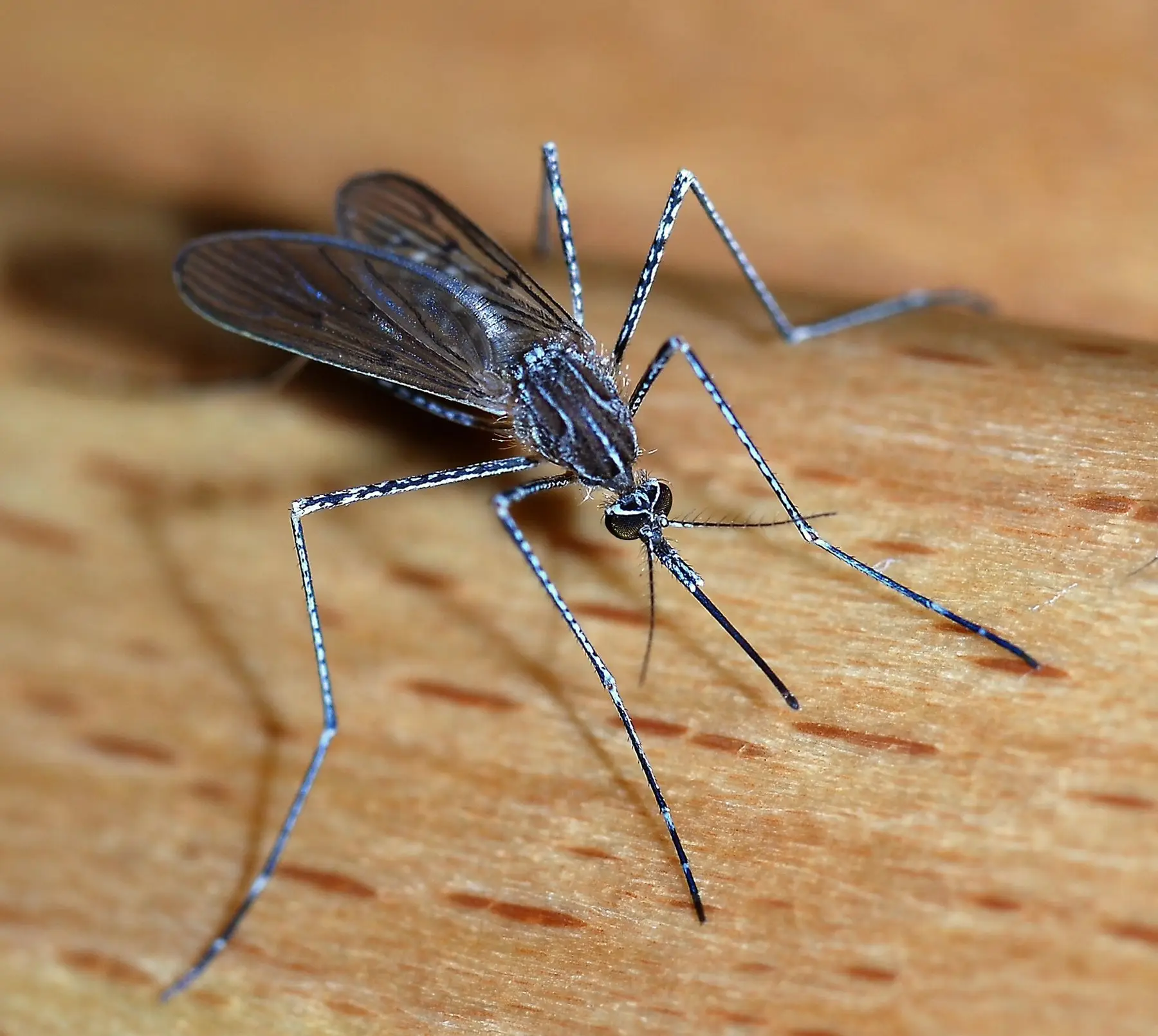
Plants That Repel Mosquitoes — 4 Fixes That Beat Them
Plants that repel mosquitoes barely work unless you crush the leaves. 4 measures compared, starting with standing water. See which suits your yard.
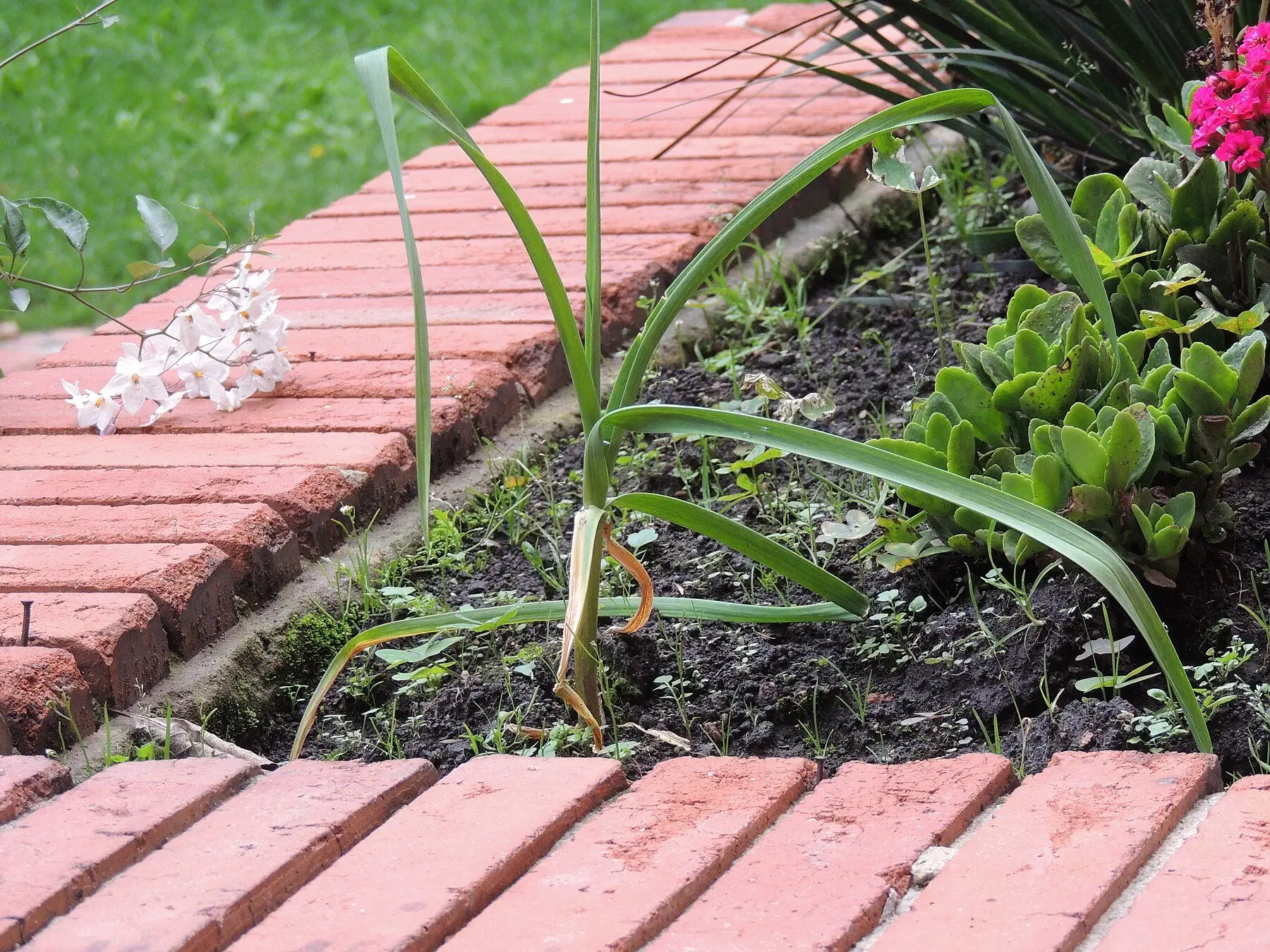
What to Plant With Garlic: Roses, Carrots and Brassicas
Garlic sits in the ground nine months, so companions have to work around its timing. What pairs well, and the two families to keep away from it.
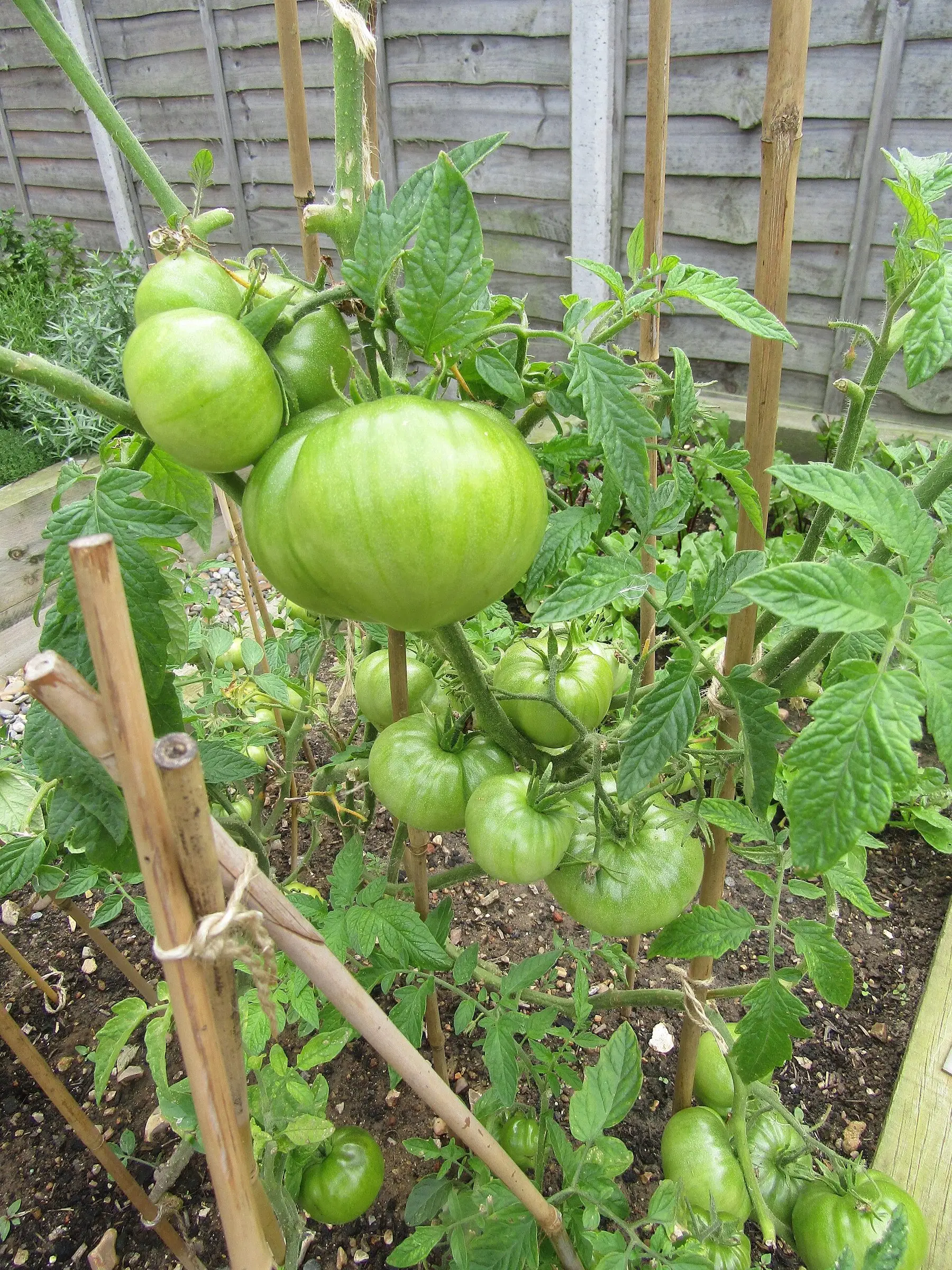
Companion Plants for Tomatoes (And 5 to Keep Away)
Basil, marigolds, and borage earn their place next to tomatoes. Fennel, potatoes, and brassicas do not. What to plant together, and why each pairing works.
What Do Rolly Pollies Eat? Mostly Dead Things, Occasionally Yours
Pillbugs are decomposers that eat decaying plant matter — but they will graze seedlings and soft fruit when the population gets high and the ground stays damp.