
Mexican Bean Beetle vs Ladybug: Count the Spots
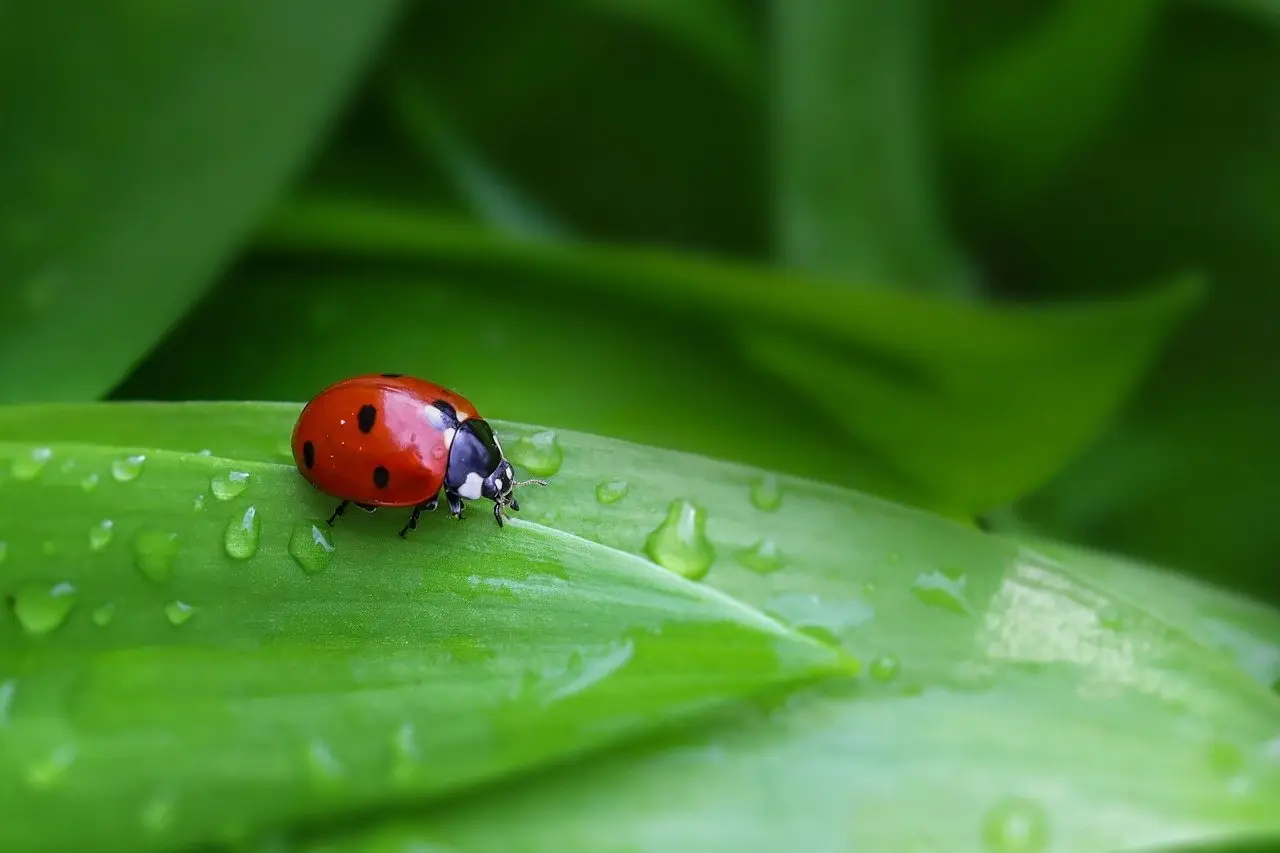
Sixteen spots in three rows and a coppery body means bean beetle. Ladybirds are rounder, glossier, and are not the ones eating your leaves.
 By
On this page
Sixteen spots in three rows, coppery and matte means bean beetle. Seven glossy red spots means you are about to squash something useful.
Side by side
| Mexican bean beetle | Ladybird | |
|---|---|---|
| Spots | Exactly 16, in rows of 8, 6, 2 | 7 or fewer, no fixed pattern |
| Colour | Coppery orange-brown, matte | Red or orange, glossy |
| Size | 6–7 mm | 5–8 mm |
| On what | Bean leaves, feeding | Anywhere there are aphids |
| Diet | Leaves | Aphids |
| Mexican bean beetle | Ladybird | |
|---|---|---|
| Shape | Oval, fat | Elongated, alligator-like |
| Colour | Bright yellow | Dark grey or blue-black with orange marks |
| Texture | Branched black-tipped spines | Smooth with small bumps |
| Where | Undersides of bean leaves, in groups | Hunting across foliage |
If you only remember one thing
Spiny yellow larvae on a bean leaf is as close to definitive as garden identification gets. Ladybird larvae look like tiny alligators and are never bright yellow and spiny.
The damage pattern
Both adults and larvae feed on leaf undersides, scraping tissue from between the veins. The result is a lacy, skeletonised leaf with the vein network left intact — quite distinctive, and nothing a ladybird does.
Heavy populations defoliate plants and will move on to pods and stems. Several generations a season means damage accumulates through summer.
Organic control that works
- Handpick every few days — adults, spiny larvae, and the clustered yellow eggs on leaf undersides
- Row cover until flowering keeps them off young plants
- Clear crop debris at the end of the season — adults overwinter in it
- Rotate where beans are grown
- Pediobius foveolatus, a parasitic wasp, is used as a biological control where pressure is heavy
Handpicking sounds feeble and is genuinely effective at garden scale, because the eggs are laid in visible clusters of forty or so and removing one cluster removes forty beetles.
Other lookalikes in the same group
- Squash beetle — closely related, larger spots, feeds on cucurbits
- 28-spotted / hadda beetles (Epilachna spp.) — attack potatoes and aubergines in other regions
The pattern holds throughout: a ladybird-shaped beetle with many spots and a dull finish, sitting on damaged foliage, is worth identifying before you decide it is a friend.
Common questions
How do you tell a Mexican bean beetle from a ladybug?
What are the yellow spiky larvae on my bean plants?
What damage does a Mexican bean beetle do?
How do you control Mexican bean beetles organically?
Are there other ladybird lookalikes that eat plants?
Backyard Weekly
Know what to plant, week by week
Join the weekly email for seasonal jobs, fixes for what is going wrong, and gear worth buying.
Not ready to subscribe? The planting calendar is free and needs no email.
By subscribing you agree to our privacy policy. Grow In Backyard will never sell your address.
Keep reading
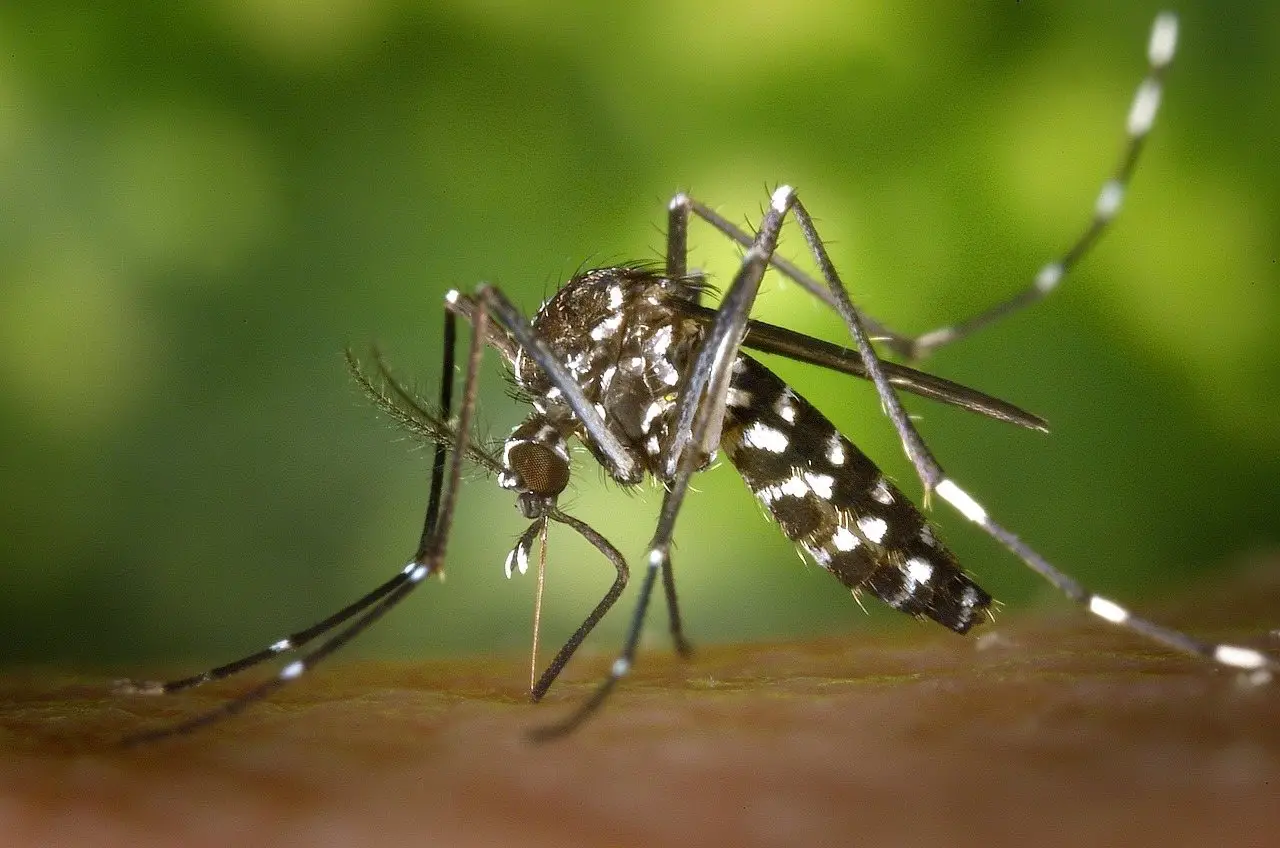
Can Mosquitoes See in the Dark? How They Really Find You
Mosquitoes see poorly and hunt mostly by CO2, heat and smell. Vision only matters in the last metre — which changes what actually keeps them off you.
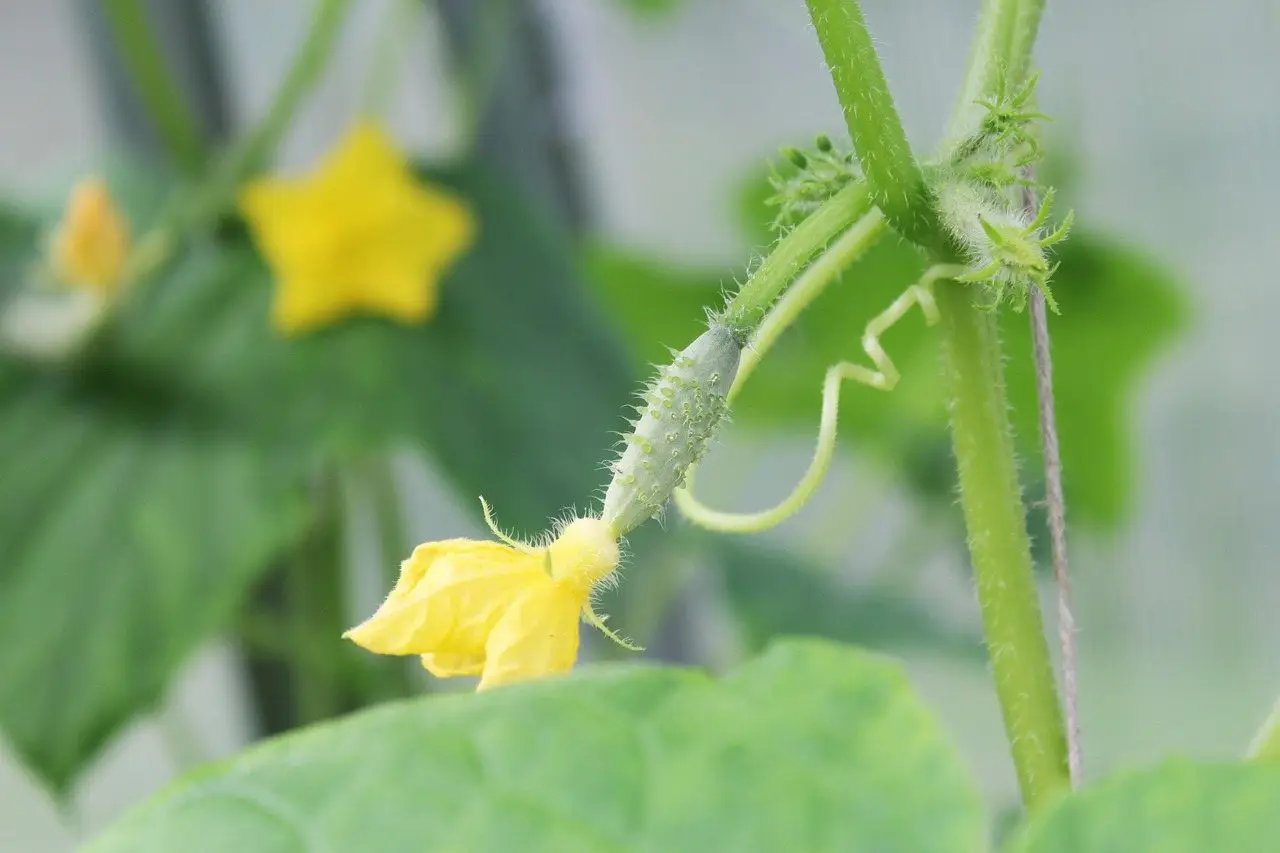
How to Prune Cucumbers: Only Vining Types Need It
Vining cucumbers benefit from removing the bottom foot of growth and the side shoots. Bush types need nothing — pruning them costs you fruit.
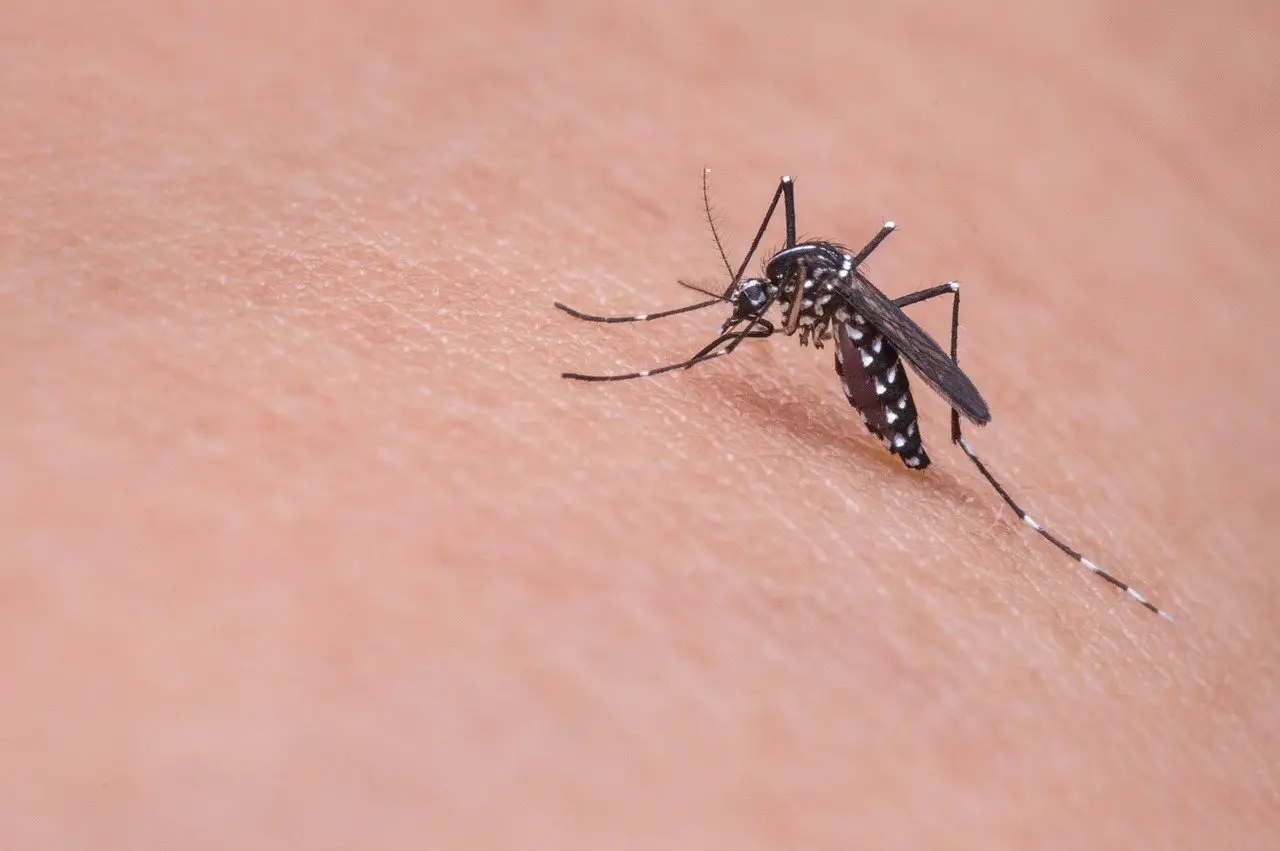
Home Remedies for Mosquitoes: What Works, What Is Folklore
Dumping standing water and running a fan genuinely work. Citronella candles, bug zappers and dryer sheets mostly do not. Sorted by evidence.
Plants That Repel Mosquitoes — 4 Fixes That Beat Them
Plants that repel mosquitoes barely work unless you crush the leaves. 4 measures compared, starting with standing water. See which suits your yard.