
How to Get Rid of Leaf Miners: Sprays Cannot Reach Them
How to get rid of leaf miners: the larva feeds inside the leaf, so contact sprays miss it. The 3 things that work, and why row cover beats everything else.
 By

On this page
The reason leaf miner treatments disappoint is structural: the insect lives inside the leaf, between the upper and lower surfaces. Almost everything sold as a garden insecticide works on contact, and contact is the one thing you cannot make with a larva sealed in a leaf.
Reading the mine
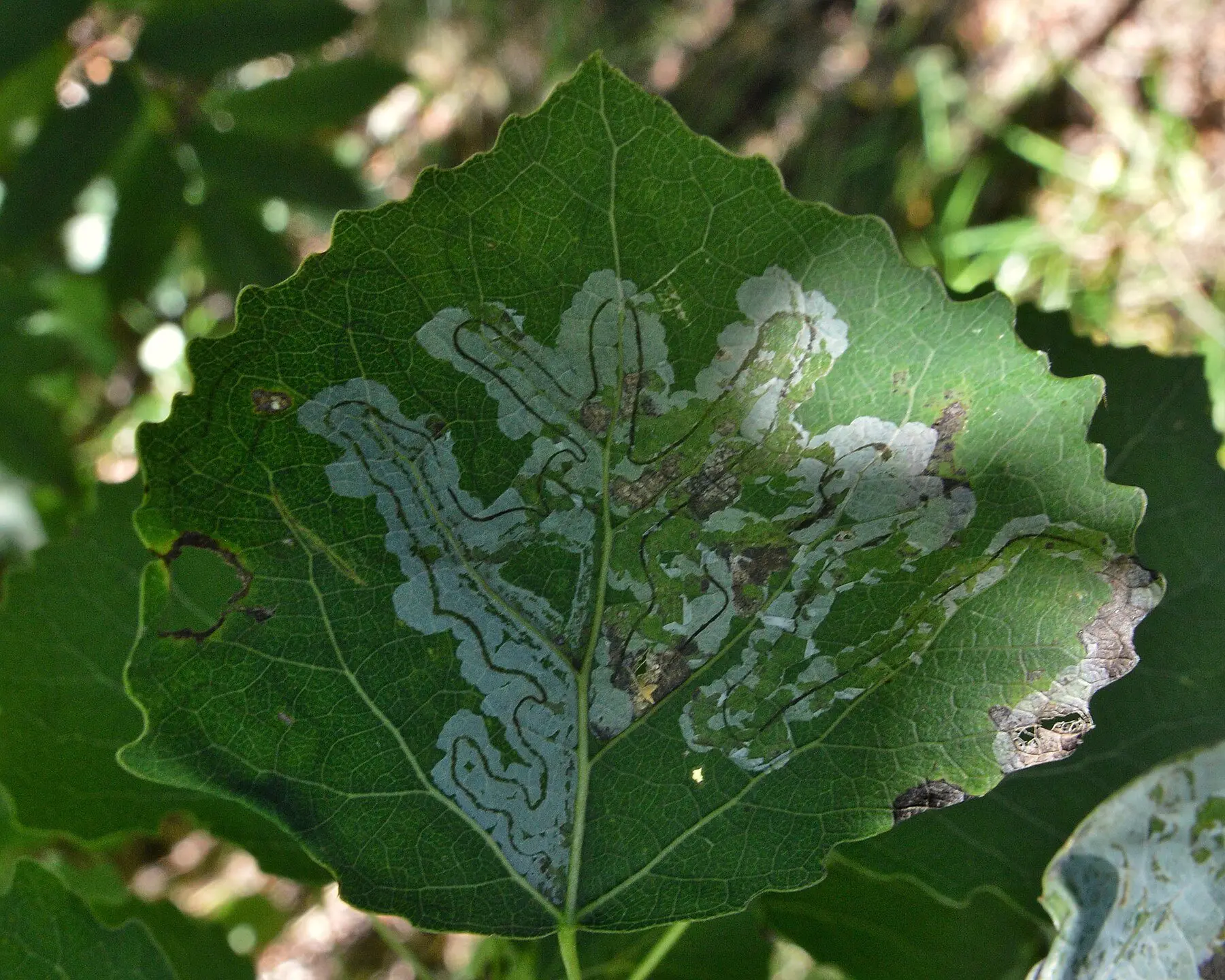
The winding pale trail is a feeding tunnel, and it tells you where the insect is.
- The thin end is where the larva hatched and started eating.
- The broad fresh end is where it is now.
That makes the cheapest control genuinely effective: press the wide end firmly between finger and thumb. On a few leaves this is faster than any spray, and it has a confirmed kill rate.
| Method | Reaches larva | Notes |
|---|---|---|
| Pick and bin leaf | Yes | Removes the insect physically |
| Squashing the mine | Yes | Free, immediate, confirmable |
| Insect mesh | Prevents | Must precede the adults |
| Spinosad | Partly | Penetrates leaf tissue |
| Neem oil | Partly | Deters laying more than it kills |
| Contact insecticide | No | Kills wasps, not miners |
The method, in order
1. Pick and bin. Where the plant can spare the leaf, remove it — you are removing the larva with it. Bin rather than compost; a domestic heap rarely gets hot enough to reliably kill pupating larvae.
2. Squash what you keep. On seedlings or anything already short of foliage, keep the leaf and kill the occupant.
3. Cover susceptible crops, early. Fine insect mesh or floating row cover over beet, chard, spinach and young brassicas prevents the adult fly laying at all. This is the only approach that is fully reliable — and it only works if it goes on before the adults appear, because a cover placed over an already-infested crop traps the pest in with the plant.
4. Clear debris. Many species drop to pupate in soil beneath the plant. Clearing fallen mined leaves through the season interrupts the next generation.
5. Spinosad, if it is genuinely bad. It has enough translaminar movement to reach larvae inside the leaf, which almost nothing else available to gardeners does. Apply in the evening — it is harmful to bees while wet and safe once dried.
Watch out
Do not reach for a broad-spectrum insecticide. Leaf miners are controlled in an unsprayed garden largely by tiny parasitic wasps that lay inside the larvae. Those wasps are far more susceptible to insecticide than the miners are, sealed inside their leaves — so spraying removes the control and leaves the pest. Leaf miner outbreaks following insecticide use are a well-documented pattern.
How much it actually matters
Less than it looks, on most plants. The trails are conspicuous, which makes the damage feel worse than it is, and a mature tomato or bean plant tolerates a surprising amount of mining with little effect on yield.
Three cases where it does matter:
- Seedlings, where a few mines remove a large share of total leaf area
- Leaf crops — chard, spinach, beet, salad — where the damaged leaf is the thing you eat
- Ornamentals grown for foliage, for obvious reasons
On a fruiting plant in mid-season, the honest answer is often to remove the worst leaves and otherwise ignore it.
Step by step
- Time
- PT30M
Pick off and bin mined leaves
The larva is inside the leaf you are removing, so this physically removes the pest. Bin rather than compost — a domestic heap will not reliably kill pupating larvae.
Squash the mines you leave behind
On leaves you cannot afford to remove, press the end of the tunnel firmly between finger and thumb. The larva sits at the widest, freshest end of the mine.
Cover susceptible crops before the flies arrive
Fine insect mesh or floating row cover physically prevents egg laying, which is the only fully reliable method. It must go on before the adults appear, not after damage is visible.
Clear fallen leaves and debris
Many species pupate in the soil beneath the plant. Removing fallen mined leaves breaks the cycle before the next generation emerges.
Use spinosad only if damage is severe
Spinosad penetrates leaf tissue enough to reach larvae, unlike most contact sprays. Apply in the evening, since it is harmful to bees while wet and safe once dry.
Leave the parasitic wasps alone
Leaf miners are heavily controlled by tiny parasitic wasps in an unsprayed garden. Broad-spectrum insecticides kill those wasps and reliably make leaf miner worse the following season.
Common questions
Does neem oil kill leaf miners?
Are leaf miners actually damaging?
What are the white squiggly lines on my leaves?
Will leaf miners spread to my other plants?
Should I remove leaves with leaf miner damage?
Backyard Weekly
Know what to plant, week by week
Join the weekly email for seasonal jobs, fixes for what is going wrong, and gear worth buying.
Not ready to subscribe? The planting calendar is free and needs no email.
By subscribing you agree to our privacy policy. Grow In Backyard will never sell your address.
Keep reading
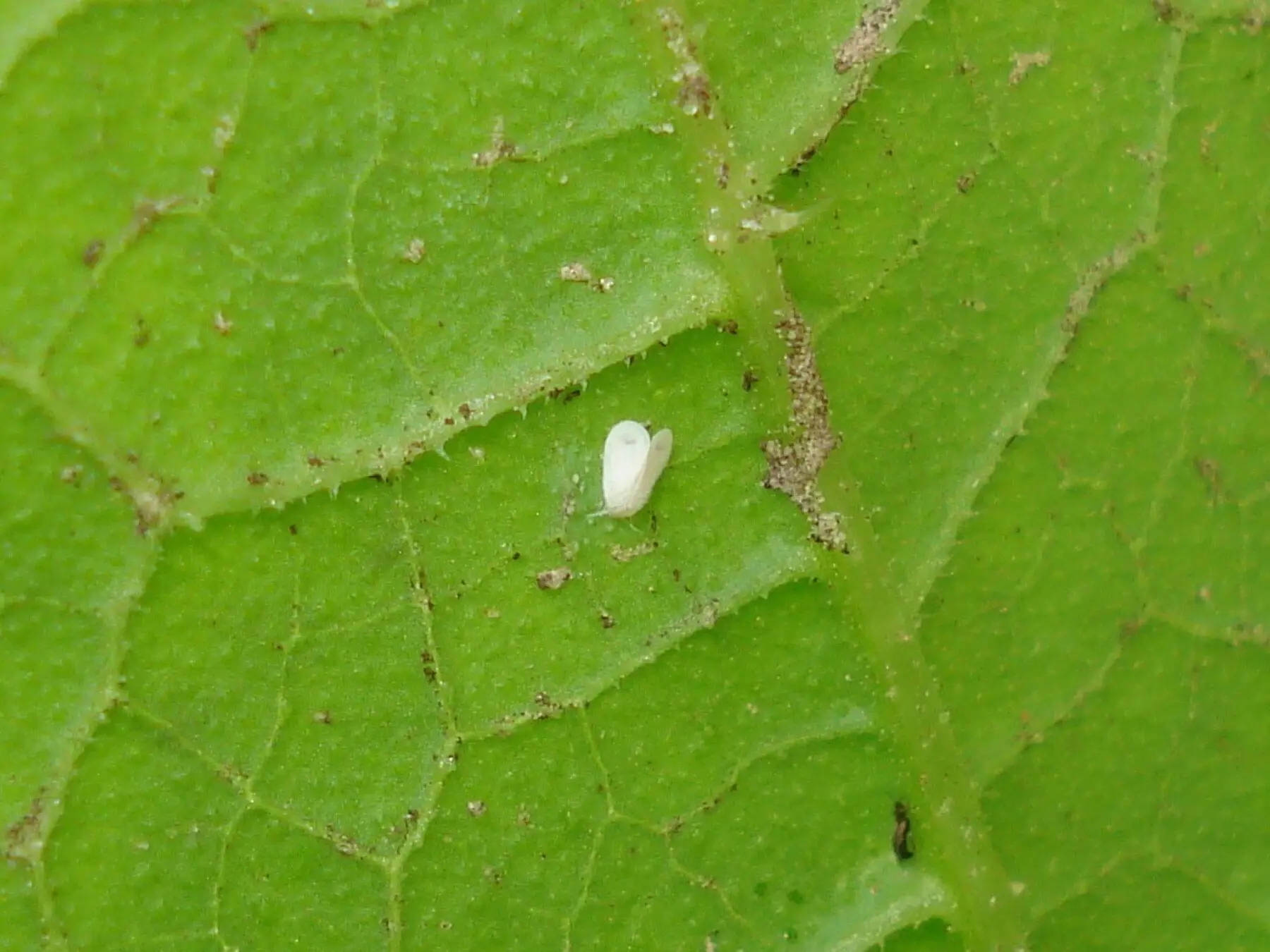
White Fly on Plants: Why Spraying Keeps Failing
White fly on plants survives most sprays because 3 of its 4 life stages are armoured or hidden. What reaches each stage, and the 7-day cycle that decides timing.
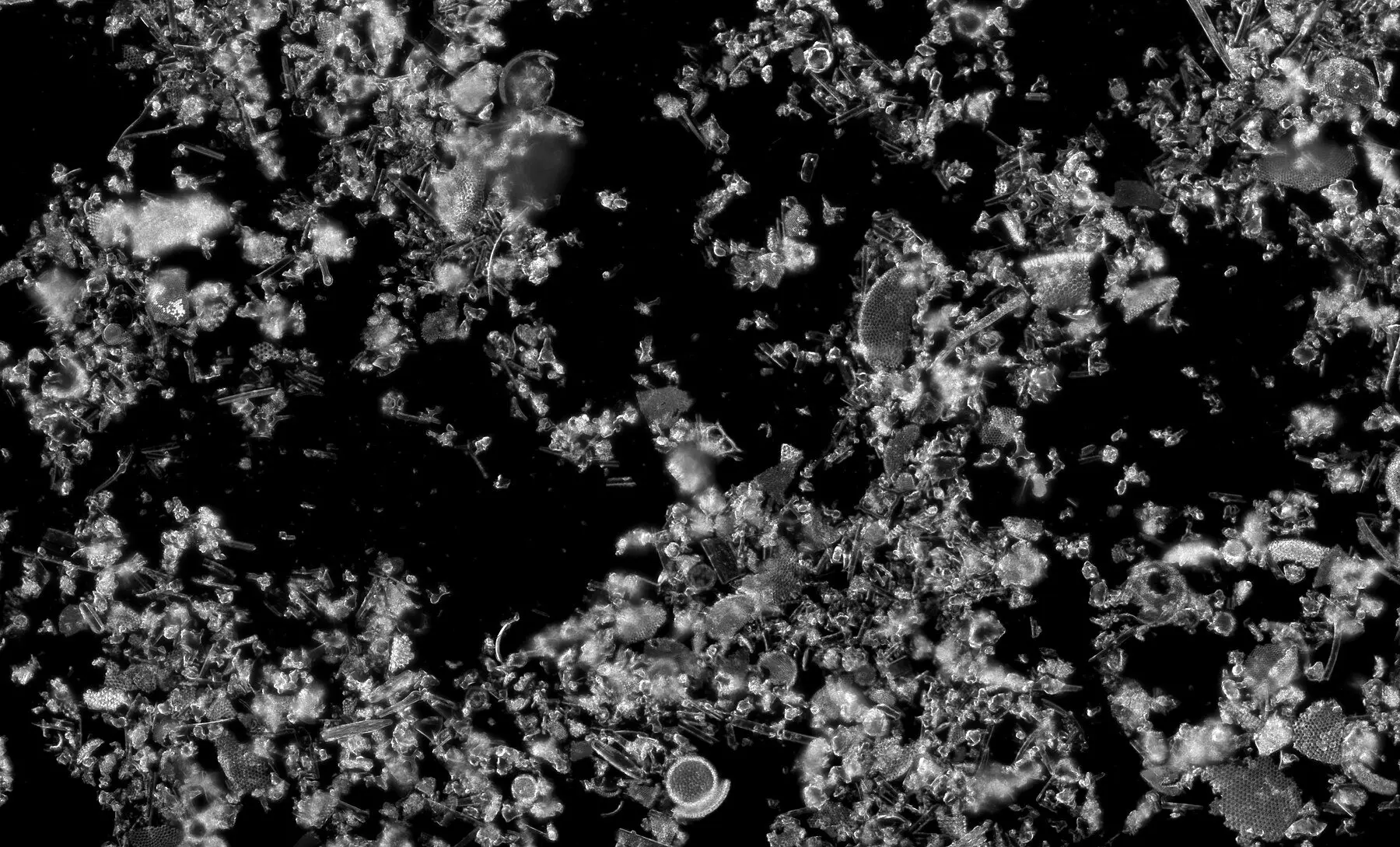
What Is Diatomaceous Earth — 3 Rules Before You Buy
What is diatomaceous earth doing when it works is cutting insect cuticles while dry. 3 rules cover grade, use and a dust mask. See whether it fits your pest.
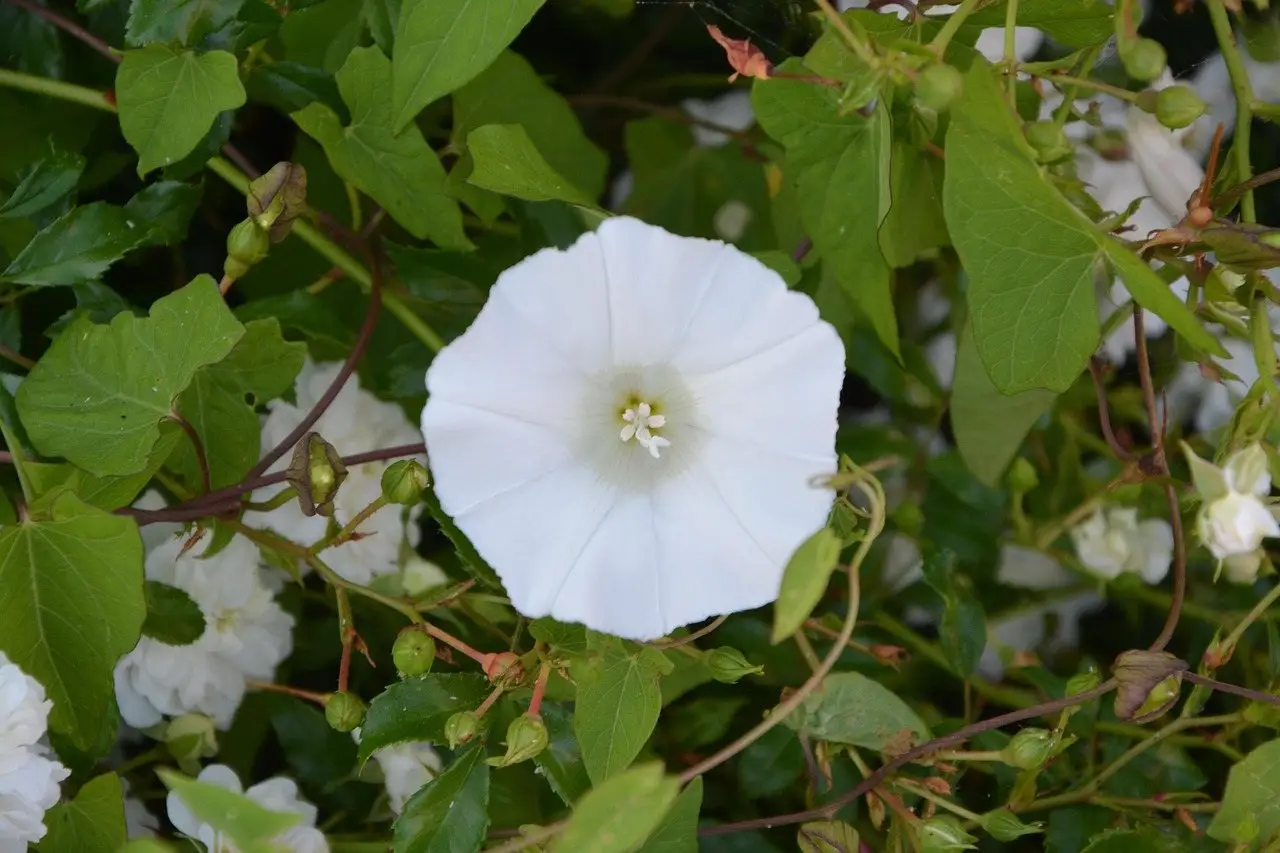
How to Get Rid of Morning Glory (Bindweed) for Good
How to get rid of morning glory depends on which plant you have — annual or bindweed. Why digging makes 1 of them worse, and the method that exhausts the roots.
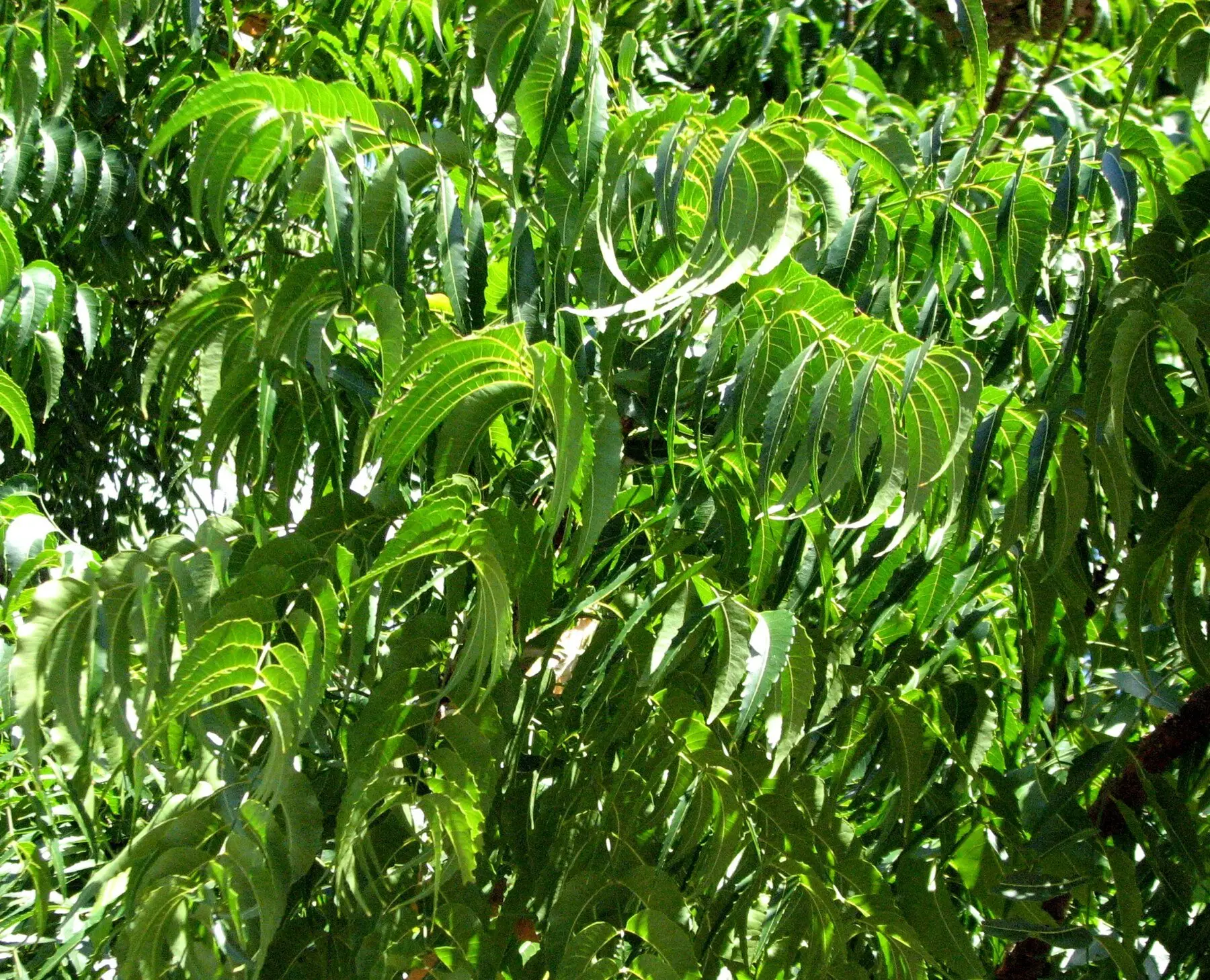
How to Use Neem Oil on Plants Without Burning Them
The right dilution, why it needs soap to mix, when to spray, and which pests it works on. Neem is slow and specific — treat it as a knockdown and it fails.