
Does Mulch Attract Bugs? Some, and Mostly Useful Ones
Mulch shelters insects rather than creating them, and most are decomposers doing the work. The few that matter, and how depth and placement fix them.
 By
On this page
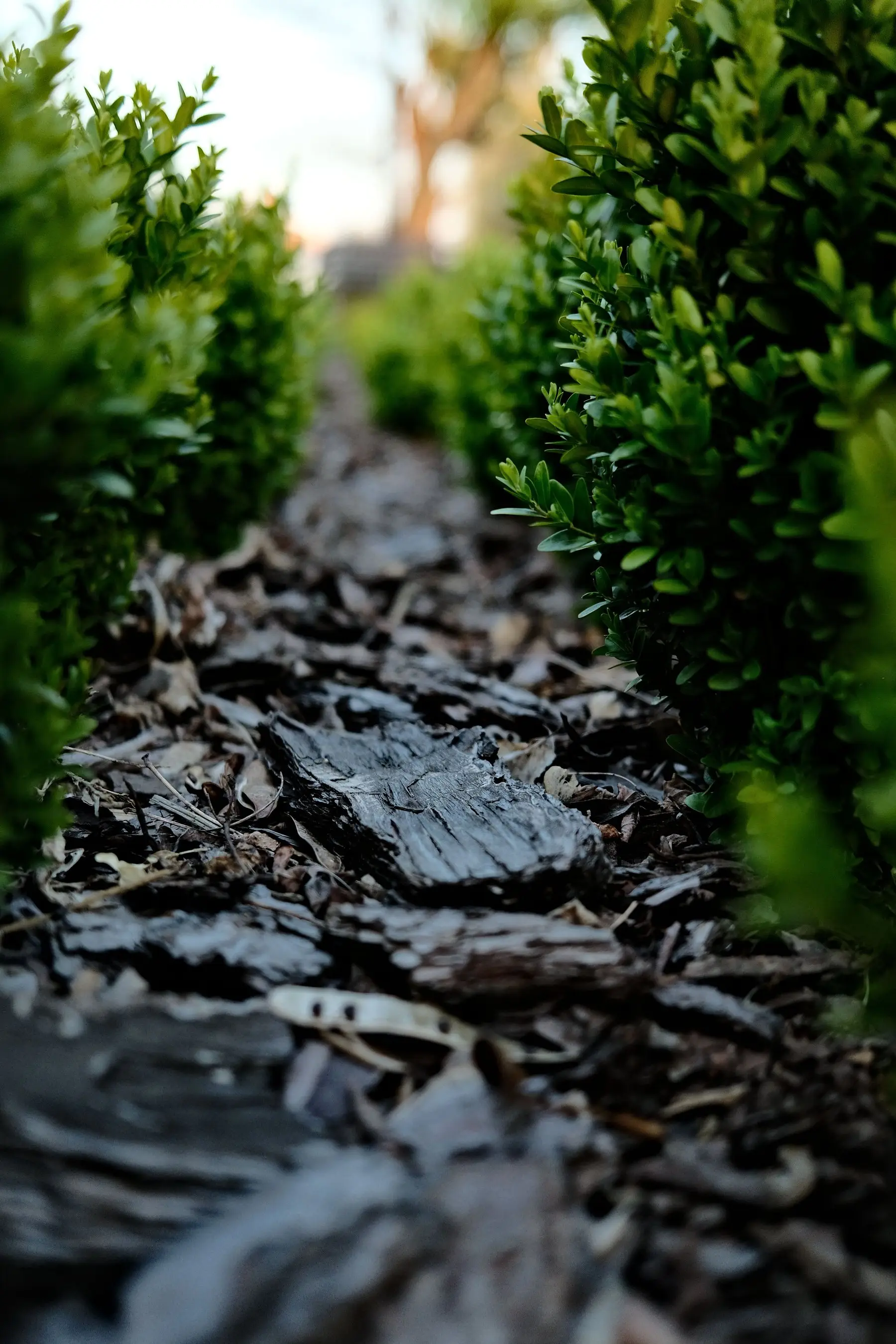
Yes — mostly the ones you want. Mulch does not generate insects; it gives the ones already in your soil somewhere cool and damp to live, and most of them are doing the decomposition mulch exists to encourage.
What is actually under there
| What it does | Verdict | |
|---|---|---|
| Woodlice, millipedes, springtails | Break down the mulch | Want them |
| Earthworms | Pull organic matter into the soil | Want them |
| Ground and rove beetles, centipedes | Eat slugs and larvae | Want them |
| Slugs and snails | Eat your plants | The real problem |
| Ants | Nest in dry mulch; farm aphids | Minor |
| Earwigs | Mostly beneficial; occasional damage | Minor |
| Spiders | Follow the food | Neutral |
Ground beetles are worth naming specifically. They are among the most effective slug predators a garden has, and they live in exactly this layer. Stripping mulch to deal with slugs also removes what eats them.
The termite question, answered properly
This is the worry that drives most of the searching, and the honest version is narrower than the fear:
- Termites want wood, and structural timber beats bark chips easily
- Mulch does not summon them from elsewhere
- What mulch does is keep soil damp and provide concealed cover
- Against a foundation or wood siding, that combination is a genuine problem
The rule is six inches of bare ground
Keep mulch at least six inches back from siding, foundation walls and any wood cladding. Never pile it against timber.
That single gap addresses nearly all of the real risk, and removing mulch from the garden addresses almost none of it.
Depth and placement do most of the work
- Two to three inches. Deeper stays permanently wet underneath, which is slug habitat, and can stop light rain reaching the soil at all
- Pull it back from stems and trunks — mulch against bark holds moisture there and invites rot and boring insects
- Let the surface dry between waterings rather than keeping it saturated
- Refresh rather than pile on. Fluff the existing layer before adding more
If slugs are the problem
- Switch material. Gravel and slate hold almost nothing; coarse bark is moderate; fresh grass clippings and thick compost are the worst
- Pull mulch back from the crowns of the plants being eaten, leaving bare soil in a ring
- Collect after dark on damp evenings — still the most effective control there is
- Keep the beetles by not clearing every bit of cover
Mulch is doing too much good — moisture retention, weed suppression, temperature buffering, soil structure — to give up over the insects it houses.
Common questions
Does mulch attract bugs?
Does mulch attract termites?
What bugs live in mulch?
Does mulch attract roaches?
How deep should mulch be?
Is there a mulch that attracts fewer pests?
Backyard Weekly
Know what to plant, week by week
Join the weekly email for seasonal jobs, fixes for what is going wrong, and gear worth buying.
Not ready to subscribe? The planting calendar is free and needs no email.
By subscribing you agree to our privacy policy. Grow In Backyard will never sell your address.
Keep reading
Grass Clippings as Mulch — 3 Rules for a Thin Layer
Grass clippings as mulch mat and sour unless dried and spread thin. 3 items make that easy. See how to use what the mower already produces.
Homemade Slug Repellent: What Works and What Is Folklore
Beer traps, copper, eggshells and coffee grounds checked against what the evidence says. The two homemade methods that genuinely reduce damage.
Where Do Slugs Live, and Where Do They Go in the Day?
Slugs spend daylight underground or under damp cover within feet of where they feed. Where to look, and why finding the shelter beats any barrier.
Does Mulch Attract Mosquitoes? Only If It Holds Water
Mulch itself does not breed mosquitoes — standing water does. Thick, compacted or waterlogged mulch creates the damp shelter adults rest in.