
What Is the Cheapest Fence to Build? Wire, Then Wood
Wire and welded mesh cost least per foot, hog wire panels look better for little more, and pressure-treated pickets are the cheapest solid option.
 By
On this page
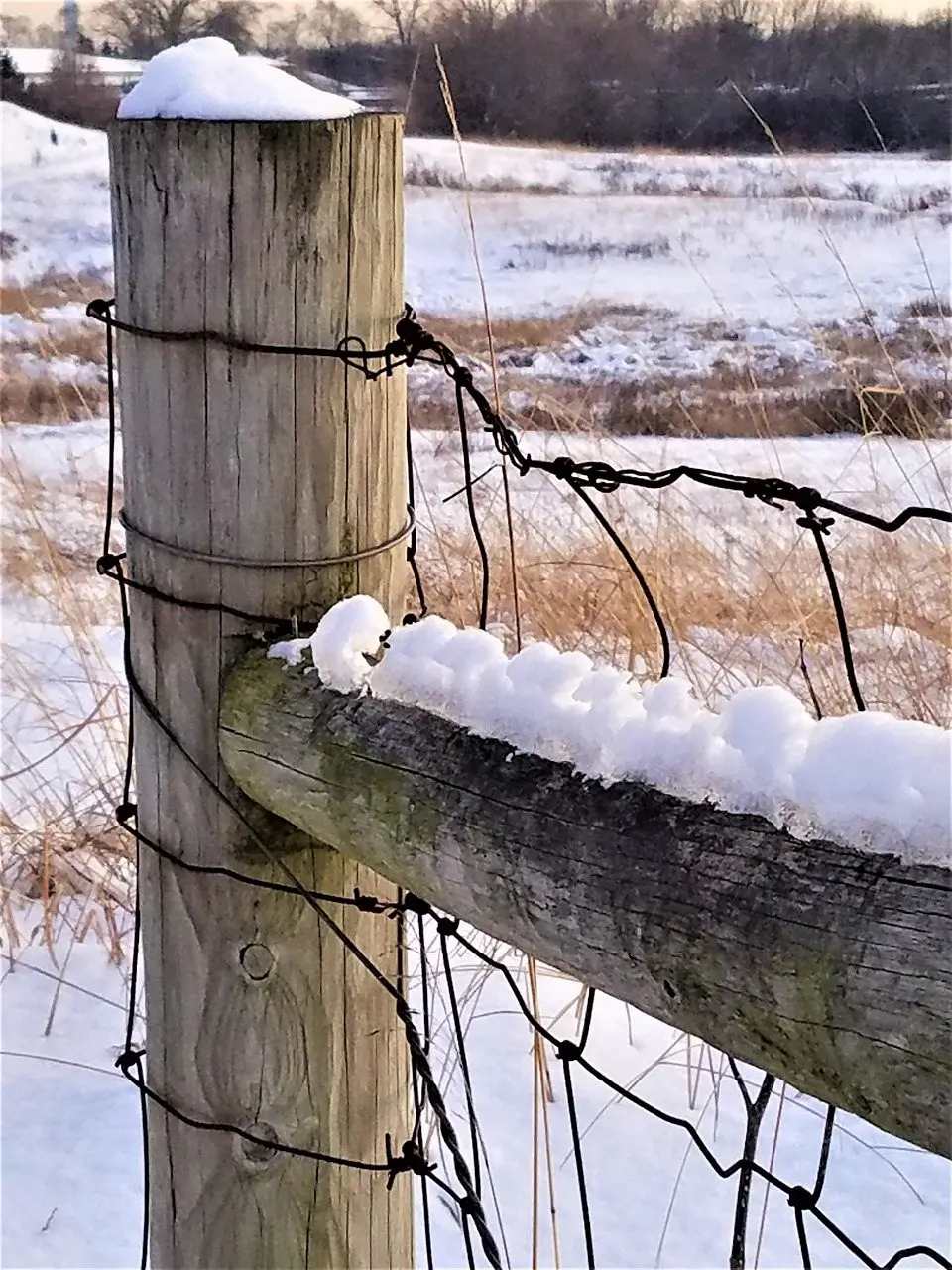
Wire on posts is cheapest per foot, by a clear margin. If it has to look deliberate, hog wire panels in timber frames cost a little more. For anything solid, pressure-treated softwood pickets are the floor — and privacy costs extra because privacy is more material per foot.
Cheapest to dearest
| Fence | Relative cost | Privacy | Looks | Lifespan |
|---|---|---|---|---|
| Wire / woven wire | Lowest | None | Agricultural | Long |
| Welded mesh, chain link | Low | None | Utilitarian | Long |
| Hog wire in timber frames | Low–mid | None | Deliberate | Long |
| PT softwood pickets, gapped | Mid — cheapest solid | Partial | Good | Medium |
| Close-board / featherboard | Mid–high | Full | Good | Medium–long |
| Ready-made overlap panels | Mid | Full | Fair | Shortest |
| Vinyl, composite, cedar | High | Full | Good | Long |
Hog wire is the value pick when appearance matters
Heavy welded wire in a simple timber frame costs a little above bare wire and reads as a design choice rather than a budget compromise. It also keeps a small garden feeling open, which a solid fence does not.
Where the money actually goes
Not the panels. Posts and labour.
- Post spacing, depth and whether they are concreted drive a large share of the total
- On a contracted job, labour commonly exceeds materials — which is why DIY changes the sums so much
- Panels usually outlast cheap posts, so the fence fails at its most labour-intensive part
Good panels on cheap posts is the expensive mistake
Fixing a leaning or rotted post means taking the run apart. Spend on ground-contact rated posts, proper depth and either concrete or standoff brackets, and economise on the infill instead.
The cheapest privacy
Pressure-treated softwood, as featherboard, close-board or overlap panels.
- Built on site from boards: cheaper in material, much slower
- Ready-made panels: fastest, least durable — thin boards, light framing
- Bamboo or reed screening fixed to existing wire: cheapest of all, and a few seasons rather than a decade
Cheaper still, if the brief allows it
- Keep an existing fence and screen it. Screening over sound chain link beats replacing it.
- Plant instead of build. A hedge costs little up front and buys time, though it takes years.
- Fence only where it matters. Privacy at the seating area, wire along the rest.
- Reuse the posts if they are sound — they are the expensive part to replace.
Over fifteen years
The lowest total cost is usually good posts, modest infill, repaired in sections as boards fail. The highest is a cheap complete fence replaced twice.
Common questions
What is the cheapest fence to build?
What is the cheapest privacy fence?
Why does fence cost vary so much per foot?
Is it cheaper to build a fence or buy panels?
What is the cheapest fence for a large area?
Does a cheap fence cost more over time?
Backyard Weekly
Know what to plant, week by week
Join the weekly email for seasonal jobs, fixes for what is going wrong, and gear worth buying.
Not ready to subscribe? The planting calendar is free and needs no email.
By subscribing you agree to our privacy policy. Grow In Backyard will never sell your address.
Keep reading
How Long Does a Cedar Fence Last? 15 to 30 Years
Cedar boards outlive cedar posts by a wide margin, and the posts are what fail. Realistic lifespans, what shortens them, and the one build detail that matters.
What Type of Fence Adds to Property Value? Condition First
Buyers respond to a fence that looks sound and matches the house far more than to any particular material. A failing fence subtracts reliably.

Small Backyard Ideas That Make the Space Feel Bigger
Small gardens fail by being over-divided and lined with furniture around the edge. The moves that add usable space, and what to spend money on first.
What Stain Is Best for a Fence? Opacity Decides It
Solid stain lasts longest because pigment blocks UV; semi-transparent shows the grain and needs recoating sooner. Fences last far longer than decks either way.