
Where to Dispose of Landscaping Rocks: Free Options First
Rock is heavy, not biodegradable and refused by most kerbside collections. Giving it away locally almost always beats paying to skip it.
 By
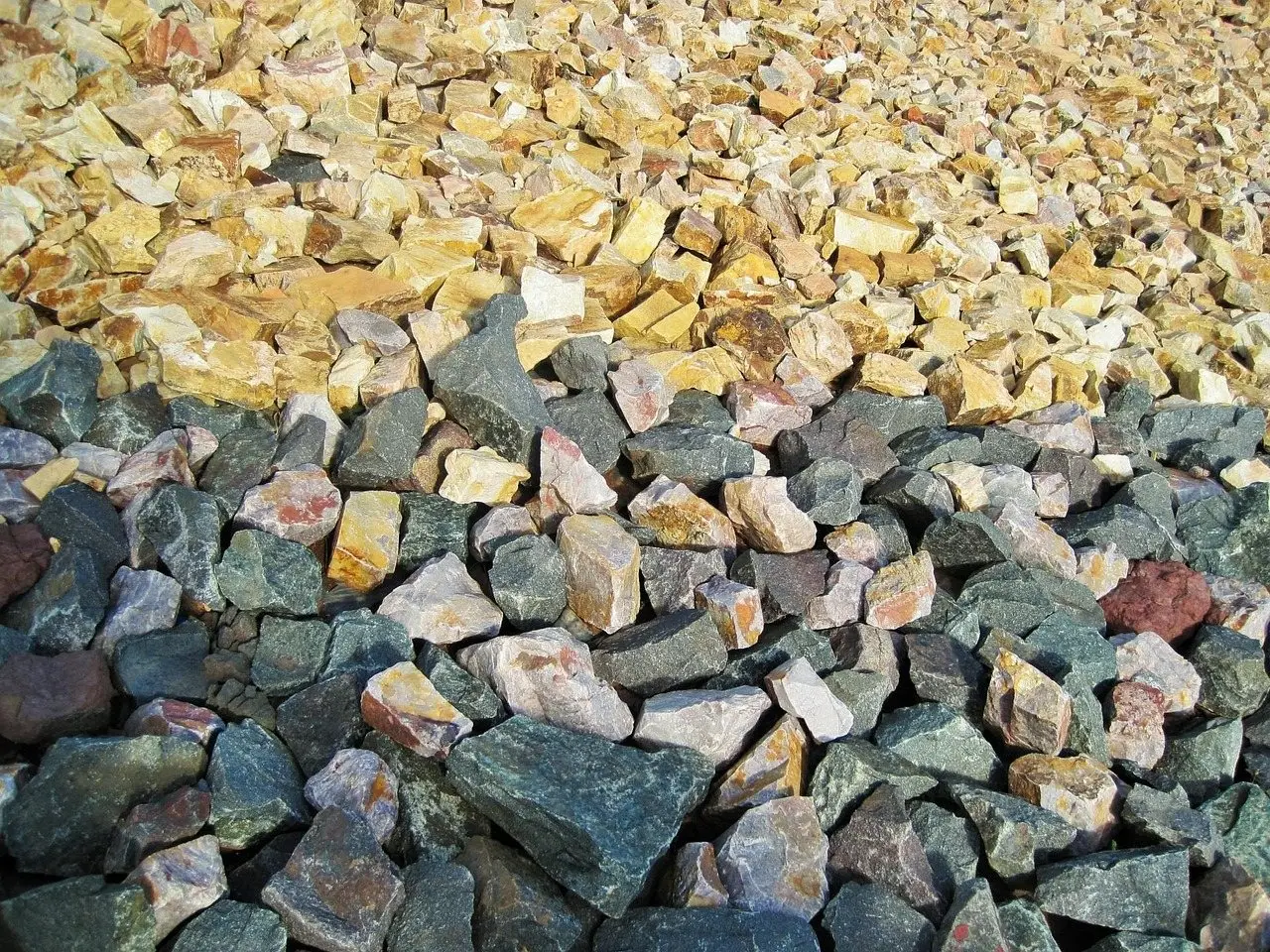
On this page
Try the free routes first. Rock is heavy, not biodegradable and refused by most kerbside collections. Reusing it on site or giving it away locally almost always beats paying to skip it.
Cheapest to dearest
| Route | Cost | Best for |
|---|---|---|
| Reuse on site | Nothing | Any quantity |
| Give away, collected | Nothing | Clean uniform stone |
| Recycling centre, own trailer | Low | Small to medium, clean |
| Grab lorry | Moderate | Large volumes |
| Skip | Moderate–high | Mixed waste, mixed job |
| Contractor load and haul | Highest | No access, no time |
Reuse it before you move it
The heavier the material, the more sense it makes to use it where it already is:
- French drain or soakaway — the obvious one
- Sub-base for a path or a shed base
- Drip strip along a wall where rain splashback stains the render
- Under a deck to suppress weeds and keep the ground dry
- Fill for a low-lying wet patch
- Base layer in large planters
Giving it away
Clean, uniform decorative stone — gravel, slate chippings, cobbles, river rock — has real value to someone starting a project, and listing it free and collected on local groups frequently clears a driveway in a weekend. Someone else doing the lifting is the biggest saving available. Landscapers and small builders will sometimes take clean hardcore too.
Separating is worth the hour it takes
Clean stone is a recyclable aggregate — often accepted cheaply or free, and wanted by other people. Stone mixed with soil, membrane, plastic edging and weeds is mixed waste, costs far more, and nobody will collect it. The sorting pays for itself.
If you are paying
Tell the skip company what is going in it
A cubic metre of stone weighs well over a tonne. A skip filled with rock can exceed the lorry’s safe load at about a third of its volume, and many firms either surcharge heavy material or require a dedicated hardcore skip. An overloaded skip they refuse to collect is an expensive problem.
For anything beyond a small quantity, price a grab lorry against a skip. It loads mechanically from the kerb, avoids the weight surcharges, takes a far larger volume in one visit, and saves the barrowing — which is the part people underestimate.
Step by step
Reuse what you can on site
Before moving anything, work out whether the rock solves a problem you already have — a French drain, a soakaway base, a path sub-base, a gap under a deck, or a drip strip along a wall where splashback stains the render.
Offer it free locally
List it on local selling and giveaway groups as free and collected. Clean, uniform decorative stone moves quickly, and someone else doing the lifting is the biggest saving available.
Separate clean stone from mixed rubble
Clean stone is a recyclable aggregate and is often accepted cheaply or free. Stone mixed with soil, membrane, plastic edging and weeds is classed as mixed waste and costs far more to dispose of.
Check your local recycling centre's rules
Many household waste sites accept rubble and hardcore but cap the volume per visit and may charge for construction material, so phone ahead rather than arriving with a trailer.
Price a grab lorry against a skip
For large volumes a grab lorry is usually cheaper than a skip because it loads mechanically and takes dense material a skip hire will surcharge for. Get both quotes before committing.
Common questions
Where can you dispose of landscaping rocks?
Can you put rocks in a skip?
Is a grab lorry cheaper than a skip for rock?
Will anyone take landscaping rock for free?
What can you reuse landscaping rock for?
How much does rock removal cost?
Backyard Weekly
Know what to plant, week by week
Join the weekly email for seasonal jobs, fixes for what is going wrong, and gear worth buying.
Not ready to subscribe? The planting calendar is free and needs no email.
By subscribing you agree to our privacy policy. Grow In Backyard will never sell your address.
Keep reading
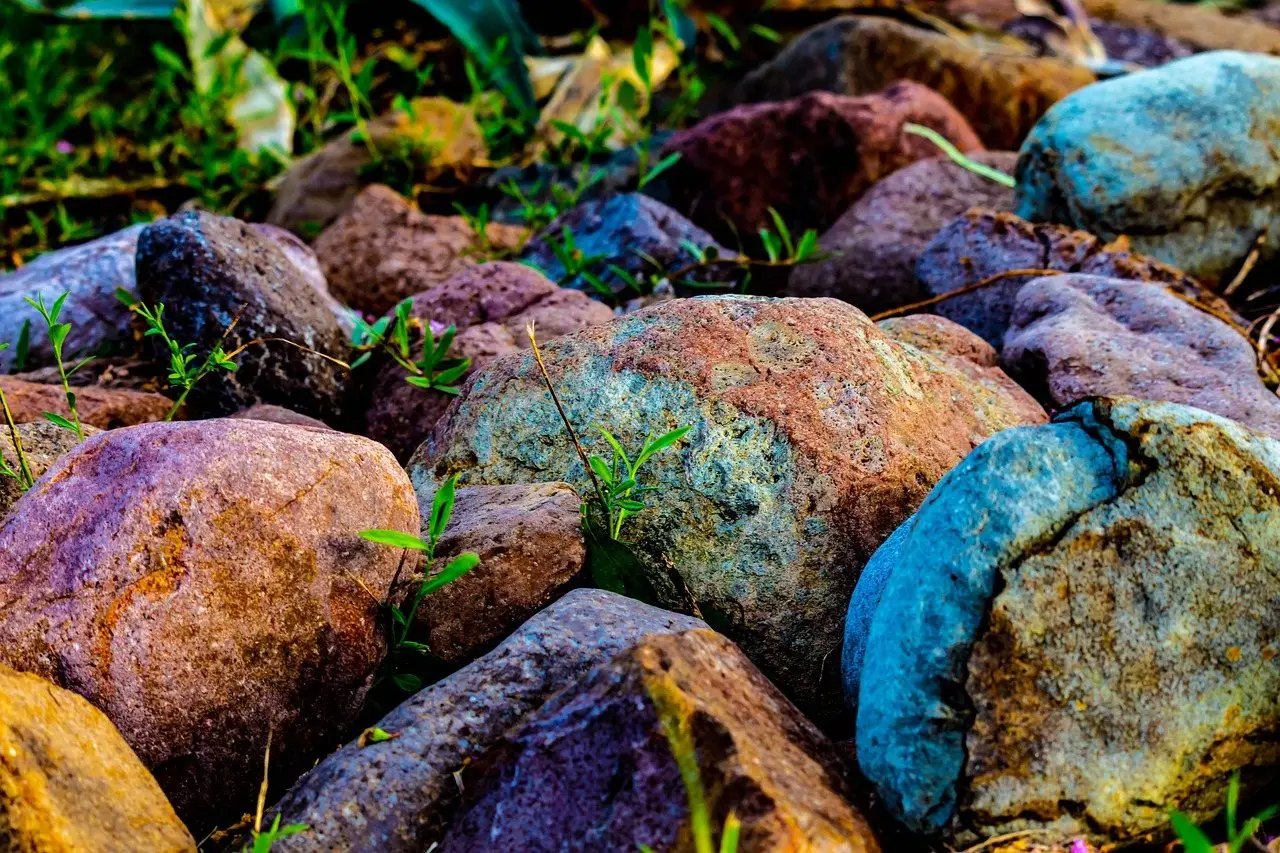
What Colour Landscape Rock Should I Use? Match the House
Take the cue from your house walls and roof, not from the garden centre display. Pale rock bounces heat and shows dirt; dark absorbs it and hides stains.
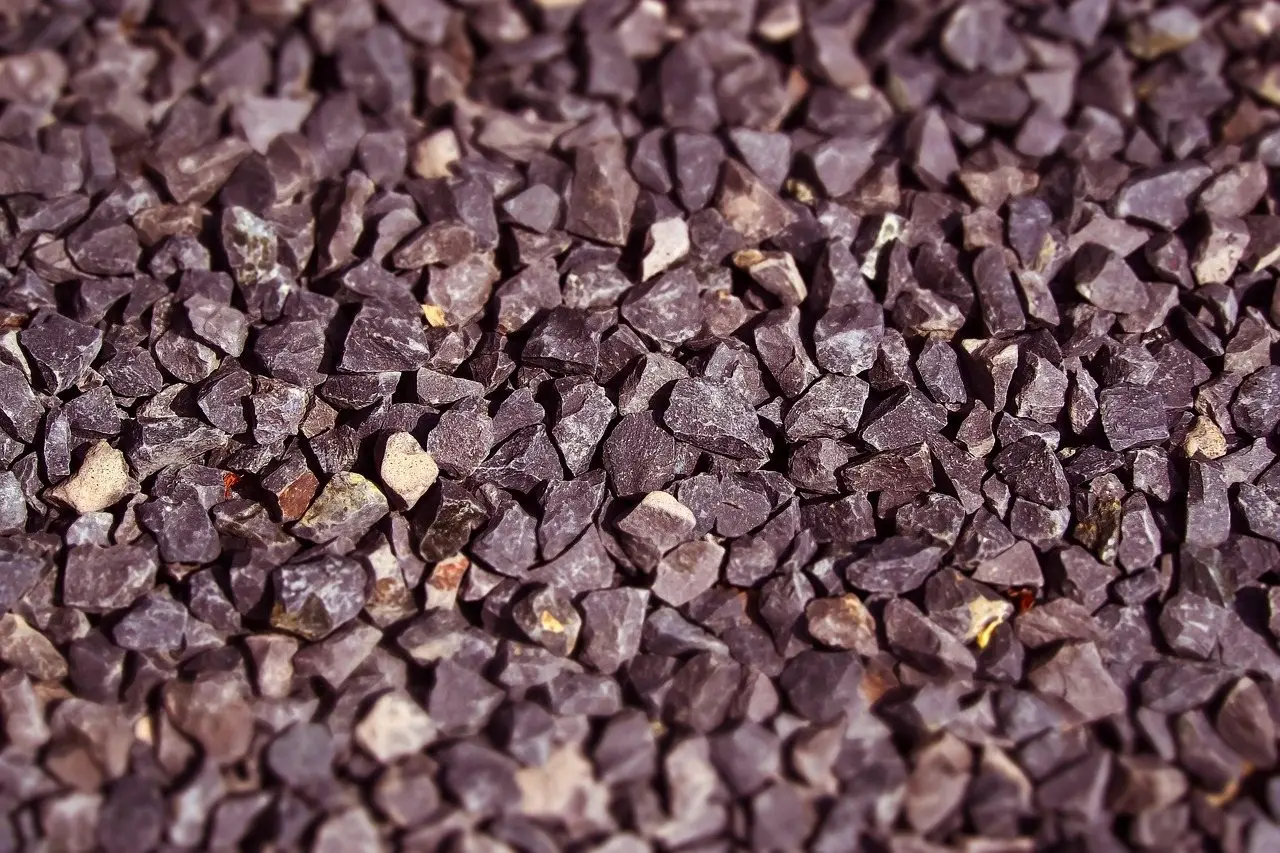
What to Put Under Decorative Stones: Fabric, Not Plastic
Woven landscape fabric lets water through and holds stones clear of soil. Plastic sheeting traps water and kills the ground beneath it.
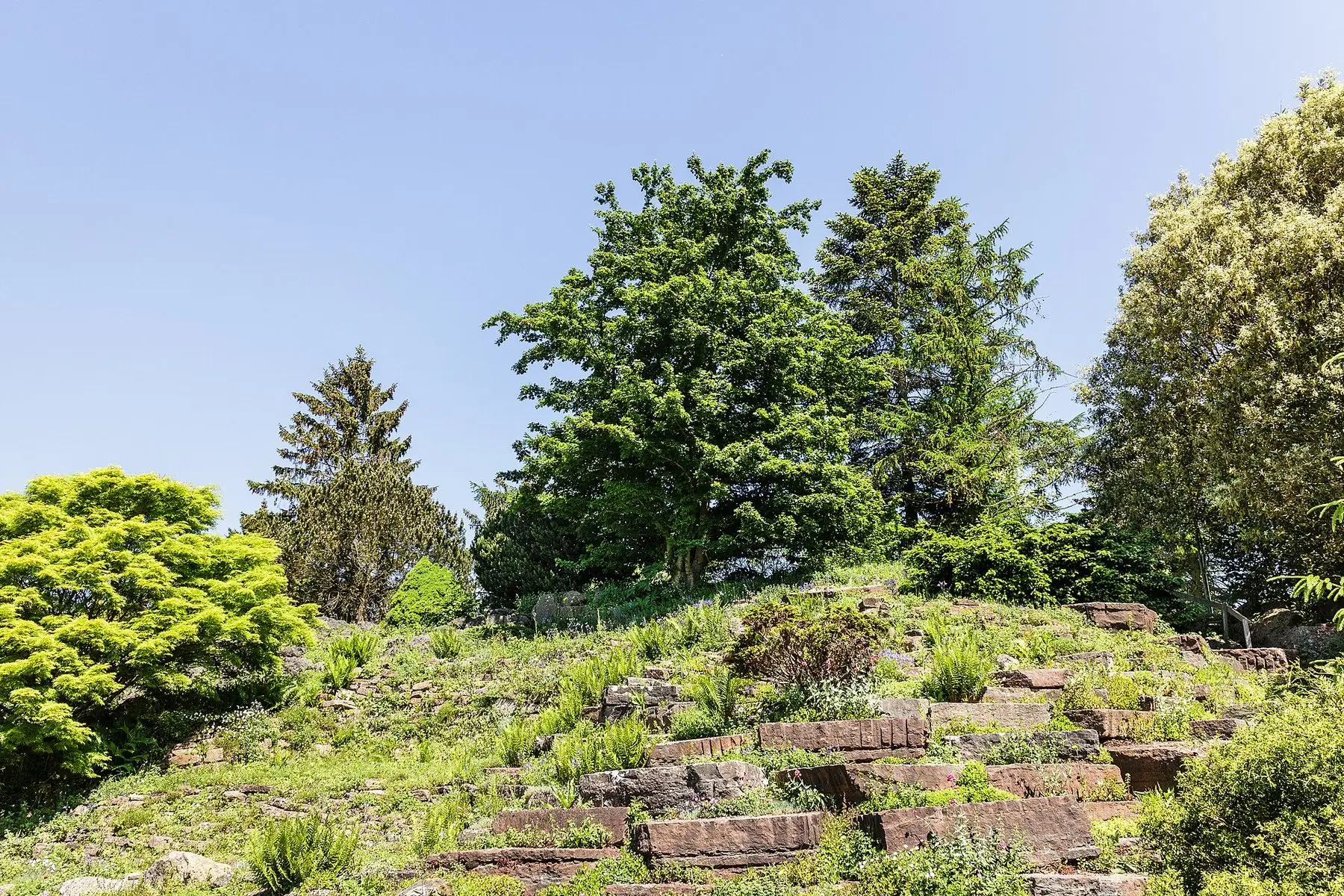
Rock Garden Ideas That Look Like They Belong There
The difference between a rockery and a pile of stones is drainage and burial. How to set rock so it reads as outcrop, and what actually survives in it.

Where to Put a Bug Hotel in Your Garden: South and Dry
Morning sun, a rainproof overhang and a firm fixing matter more than what is inside it. Height and aspect decide whether solitary bees use it at all.