
Best Small Hot Tubs: Two to Four Seats, and Running Costs
A small tub lives or dies on insulation and where it stands. Four types compared on what they cost to run, not just to buy.
 By
We may earn a commission when you buy through links on this page, at no extra cost to you.
On this page
Two numbers decide whether a small tub is a good purchase: how well it is insulated, and what it stands on. Neither appears in most advertised prices.
Before anything else: access and base
Two checks that cause the most expensive surprises.
- Access route. Gate widths, the side return, tight corners, steps. A tub that will not fit down the side of the house means crane hire, and that cost arrives after the order
- The base. Flat, level and load-bearing. A small tub filled with water and people is easily over a tonne concentrated on a small footprint
- Decking needs strengthening in almost every case, or a concrete pad instead
- Drainage — the tub is emptied regularly, and that water has to go somewhere
Running cost, which is the real comparison
In rough order, cheapest to dearest to keep hot through a cold winter:
- Full-foam insulated rigid tub, left at temperature
- Plug-and-play rigid tub, left at temperature
- Any rigid tub heated from cold each time
- Inflatable tub, used through winter
Leaving a well-insulated tub at temperature is cheaper than reheating it from cold, which is the opposite of most people’s instinct and the single most useful thing to know here.
Weigh the cover before blaming the tub
Most heat leaves through the surface, so the cover does more for running cost than almost anything else.
A cover that has gained weight and sags in the middle is waterlogged, its foam is saturated, and it is costing you every single day. Covers are consumables — replaced every few years on any tub.
Maintenance, honestly
- Water testing a few times a week, and adjustment
- Filters rinsed weekly, replaced periodically
- Full drain and refill every one to three months depending on use
- Small volumes swing faster. A two-seat tub needs chemical attention more often than a large one, not less
- Winter care — either keep it running at temperature, or drain it fully including the pipework, because water left in pipes through a freeze splits them
How we picked
Four small-tub types compared on insulation, electrical supply, siting load and what they cost to run through a winter · Picks last checked October 2026.
- Running cost, not purchase price
- A poorly insulated tub costs more to heat in two winters than the gap between it and a well-insulated one. This is the number that decides total cost and the one least often published.
- Electrical supply
- Plug-and-play 13A models heat slowly and cannot run heater and jets at once. A hard-wired supply needs an electrician and often a dedicated circuit, which is a real cost to add to the quote.
- What it stands on
- A filled tub with people in it is a serious load. Decking usually needs strengthening, and a flat, level, load-bearing base is not optional on any of these.
- Insulation type
- Full-foam holds heat best and makes servicing harder. Thermal-blanket and multi-layer systems are easier to service and lose more heat. Inflatables have almost none, which is why their winter running cost is high.
- Cover condition
- Most heat is lost upward. A waterlogged, sagging cover can double running costs on its own, and covers are consumable — they are replaced every few years on any tub.
Our picks
| # | Pick | Best for | Where to buy |
|---|---|---|---|
| 1 | Inflatable hot tub | Lowest outlay | Check price for Inflatable hot tub → |
| 2 | Plug-and-play rigid tub | Best without an electrician | Check price for Plug-and-play rigid tub → |
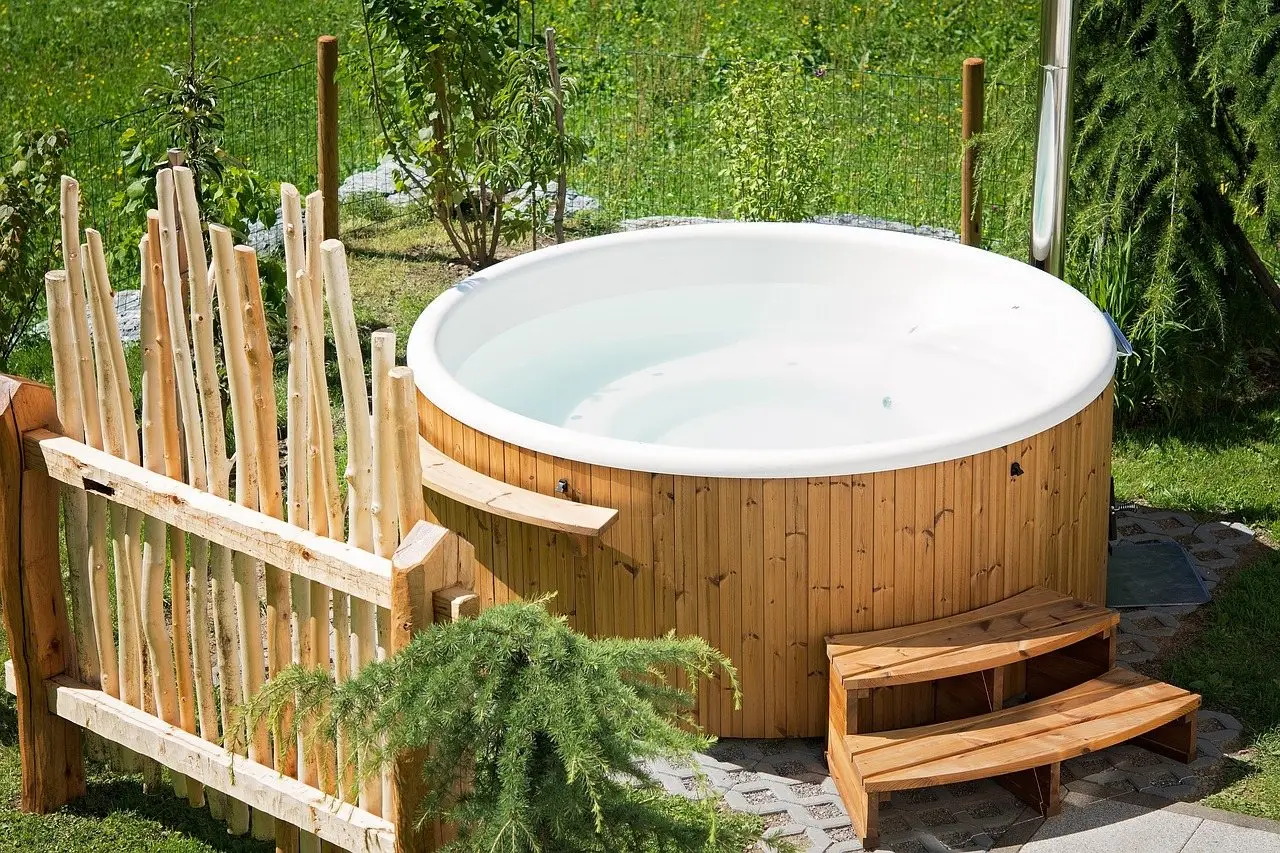
| 3 | Full-foam insulated rigid tub | Best for winter use | Check price for Full-foam insulated rigid tub → |
| 4 | Insulated thermal cover | What decides the bill on any of them | Check price for Insulated thermal cover → |
Lowest outlay
Inflatable hot tub
Buy it to find out whether a hot tub suits your life. If the answer is yes and you use it through winter, the running cost will push you toward a rigid tub within two seasons.
- Seats
- 2–4
- Supply
- Standard 13A socket
- Insulation
- Minimal
- Setup
- Under an hour, no base works beyond flat level ground
What we liked
- A fraction of the cost of any rigid tub
- Packs away, so it suits renting or a small garden
- No electrician, no groundwork beyond a flat level base
- Honest way to find out whether you will actually use one
Worth knowing
- Running cost through a cold winter is the highest here
- Heater and jets usually cannot run at once
- Vinyl punctures, and liners have a limited life
- Seats are soft, with no moulded shape
Best without an electrician
Plug-and-play rigid tub
The sensible middle for most small gardens. Leave it at temperature rather than heating from cold each time, which is how these are designed to be used.
- Seats
- 2–4
- Supply
- 13A standard socket
- Insulation
- Rigid insulated shell
- Heat-up
- Slow — often a day from cold
What we liked
- Proper insulated shell, so far cheaper to run than an inflatable
- No electrical work, so no electrician in the budget
- Moulded seats and real jets
- Can be left at temperature year-round economically
Worth knowing
- Slow to heat from cold on a 13A supply
- Heater and jets often cannot run simultaneously
- Still needs a level load-bearing base
Best for winter use
Full-foam insulated rigid tub
If it will be used through winter, insulation is the specification that matters and this is the one to buy. Budget the electrical work as part of the purchase, not as an afterthought.
- Seats
- 2–4
- Supply
- Usually hard-wired
- Insulation
- Full-foam cavity
- Heat-up
- Fast, and holds heat well
What we liked
- The lowest running cost of the group in a cold climate
- Heater and jets run together on a dedicated supply
- Holds temperature through a cold snap without the bill spiking
- Longest service life of these options
Worth knowing
- Needs an electrician and often a dedicated circuit
- Full-foam makes plumbing repairs more invasive
- Highest purchase price here
What decides the bill on any of them
Insulated thermal cover
Check the cover before blaming the tub for a high bill. If it has gained weight and sags in the middle, it is full of water and costing you every day.
- Loss
- Most heat escapes upward
- Life
- A few years — it is a consumable
- Check
- Weight. A waterlogged cover is a failed cover
What we liked
- The single largest influence on running cost after insulation
- A sagging or waterlogged cover can roughly double heat loss
- Replacing one costs far less than a season of wasted heating
- Also keeps debris and rain out of the water
Worth knowing
- Covers degrade and must be replaced periodically
- A heavy waterlogged cover is awkward and sometimes unsafe to lift
Which should you buy?
| If you… | Buy | Because |
|---|---|---|
| Trying it before committing | Inflatable tub | Lowest outlay by a wide margin, packs away, and tells you honestly whether you will actually use one. |
| Patio, no electrician, year-round use | Plug-and-play rigid tub | Rigid insulated shell on a standard socket. Slow to heat, but far cheaper to run than an inflatable through winter. |
| Cold climate, used through winter | Full-foam insulated rigid tub | The insulation is what decides the winter bill, and full-foam is the best of the common systems. |
| Small courtyard with difficult access | Compact rigid, check access first | Measure gates, paths and corners before ordering. Crane hire because a tub will not fit down the side return is a large unplanned cost. |
When not to buy at all
If the tub will be used a handful of times a year, none of these makes sense — it still costs to keep hot, or takes a day to reheat from cold, every time. An inflatable stored away between uses is the honest answer for occasional use, and a local spa session is cheaper again.
Common questions
What size hot tub is best for a small garden?
How much does a small hot tub cost to run?
Can I put a hot tub on decking?
Do inflatable hot tubs work in winter?
Does a hot tub need a dedicated electrical supply?
What maintenance does a small hot tub need?
Backyard Weekly
Know what to plant, week by week
Join the weekly email for seasonal jobs, fixes for what is going wrong, and gear worth buying.
Not ready to subscribe? The planting calendar is free and needs no email.
By subscribing you agree to our privacy policy. Grow In Backyard will never sell your address.
Keep reading
What Is a Good Size Pool for a Small Backyard?
Around 10 by 20 feet is the usual sweet spot, but the deciding number is what is left over — a pool needs a metre of deck on every side to be usable.

Small Backyard Ideas That Make the Space Feel Bigger
Small gardens fail by being over-divided and lined with furniture around the edge. The moves that add usable space, and what to spend money on first.

What Is the Best Surface for a Patio? Match It to the Use
Concrete slabs are the cheapest solid option, porcelain the most maintenance-free, gravel the easiest to lay. The base matters more than any of them.

Can You Install Vinyl Fence Over Existing Posts? Rarely
Vinyl panels are made to slot into vinyl posts with matching routed slots. Retrofitting onto timber is possible with brackets, and usually not worth it.