
Which Style Greenhouse Is Best? Match It to Your Site
A free-standing span suits an open garden, a lean-to a sunny wall, a polytunnel a big budget-conscious plot. The site picks the style, not taste.
 By

On this page
The site picks the style. A free-standing span for an open garden, a lean-to for a sunny wall, a polytunnel for area per pound. The differences are about where they work, not which is better.
The styles
| Style | Best for | Trade-off |
|---|---|---|
| Span, free-standing | Open garden, light all round | Needs space on all sides |
| Lean-to | A sunny wall — wall stores heat | Light from one side only |
| Polytunnel | Area per pound; big plots | Cover every 4–7 years; looks it |
| Dutch light | Maximum light, low crops | Loses headroom at the edges |
| Octagonal | Appearance, small plots | Awkward unusable corners |
| Mini / wall-mounted | Balconies, tiny yards | Temperature swings wildly |
Why a lean-to is either very good or very bad
A sunny wall stores heat through the day and releases it at night, which measurably extends the season, and sharing a wall removes the cost and heat loss of one whole side. On a north-facing wall you get neither, plus light from one direction — plants lean, and need turning.
Glass or polycarbonate
- Glass — more light, lasts indefinitely, stays clear, looks better. Breaks, and is heavy.
- Twin-wall polycarbonate — considerably better insulation, effectively unbreakable, the sensible choice where children play or the site is exposed. Diffuses light, yellows over a decade, scratches.
For year-round growing in a cold climate, polycarbonate’s insulation usually outweighs the light loss. For maximum light, glass.
Two things people get wrong
Buying too small
A small greenhouse swings from freezing to baking in a single day, which is harder on plants than a steadier cooler temperature. Forced to choose between a larger basic structure and a smaller premium one, the larger basic one usually grows more.
Shape costs growing space
A rectangle takes staging and beds along both sides with a central path and wastes almost nothing. Octagonal and circular greenhouses look lovely and leave triangles you cannot use.
Polytunnel ventilation
A tunnel heats up fast and relies on end doors and side vents rather than roof vents, so plan ventilation before you buy rather than discovering it in July. Condensation also drips more than from glass, which matters for seedlings directly underneath.
Common questions
Which style of greenhouse is best?
Is a lean-to greenhouse better than a free-standing one?
Is a polytunnel as good as a greenhouse?
Glass or polycarbonate?
What size greenhouse should I get?
Does the shape affect how much you can grow?
Backyard Weekly
Know what to plant, week by week
Join the weekly email for seasonal jobs, fixes for what is going wrong, and gear worth buying.
Not ready to subscribe? The planting calendar is free and needs no email.
By subscribing you agree to our privacy policy. Grow In Backyard will never sell your address.
Keep reading
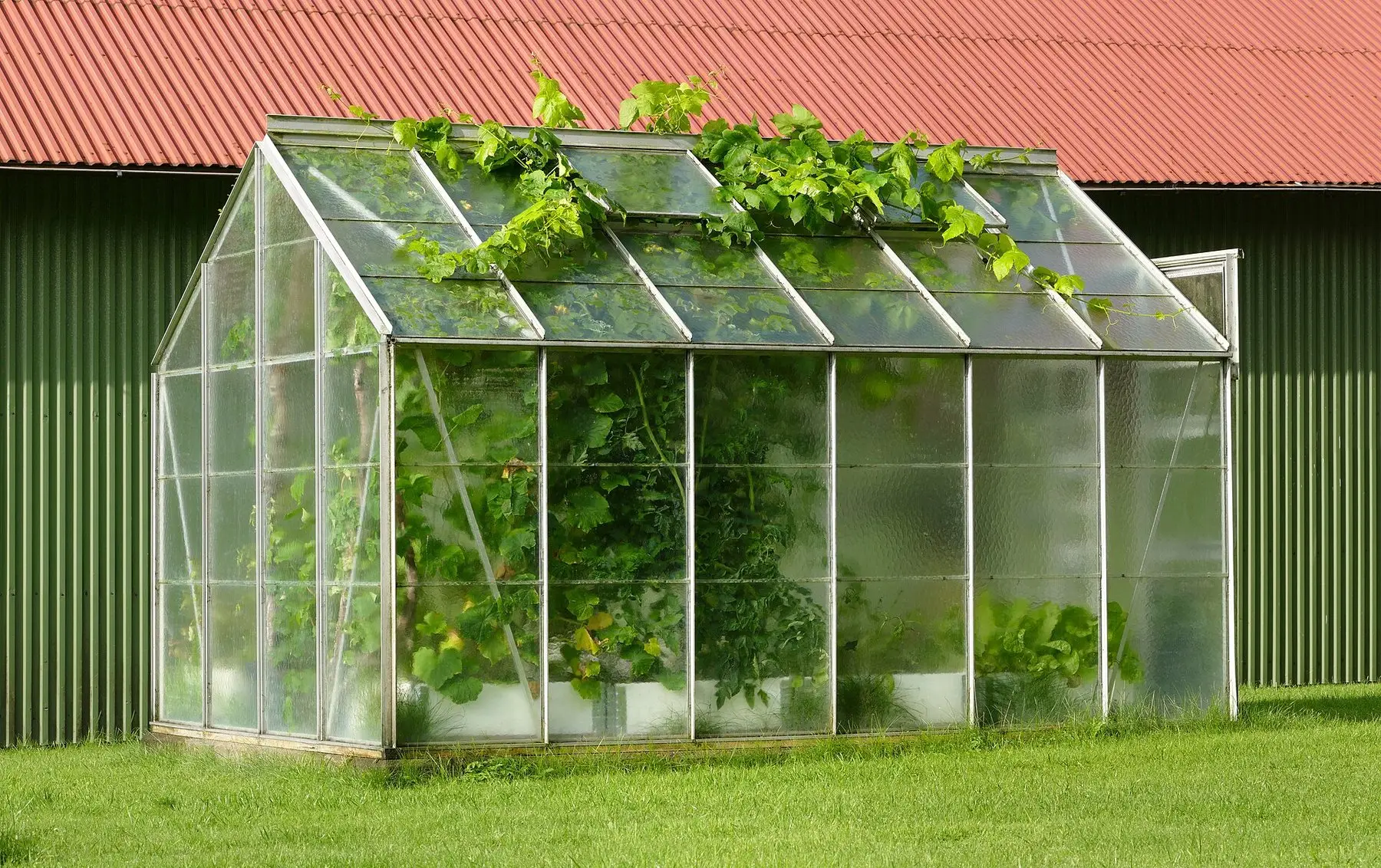
How to Build a Greenhouse — 4 Calls, Venting First
How to build a greenhouse: site it, glaze it, then vent it properly. 4 decisions carry the whole build. See which glazing suits your climate.
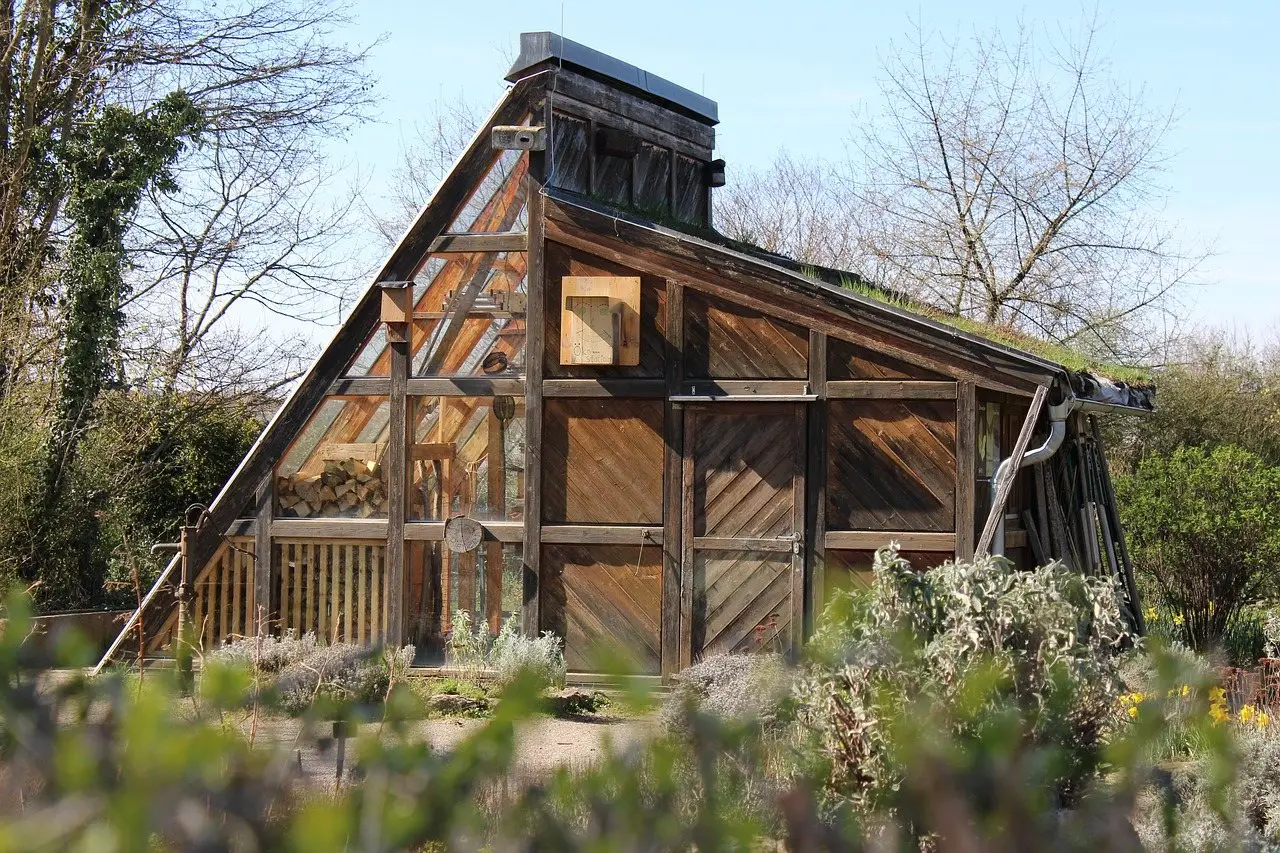
How Much Wind Can a Greenhouse Withstand? Anchoring Decides It
Most domestic greenhouses are rated for 50 to 70 mph, but almost all failures are anchoring and glazing clips, not the frame being overpowered.
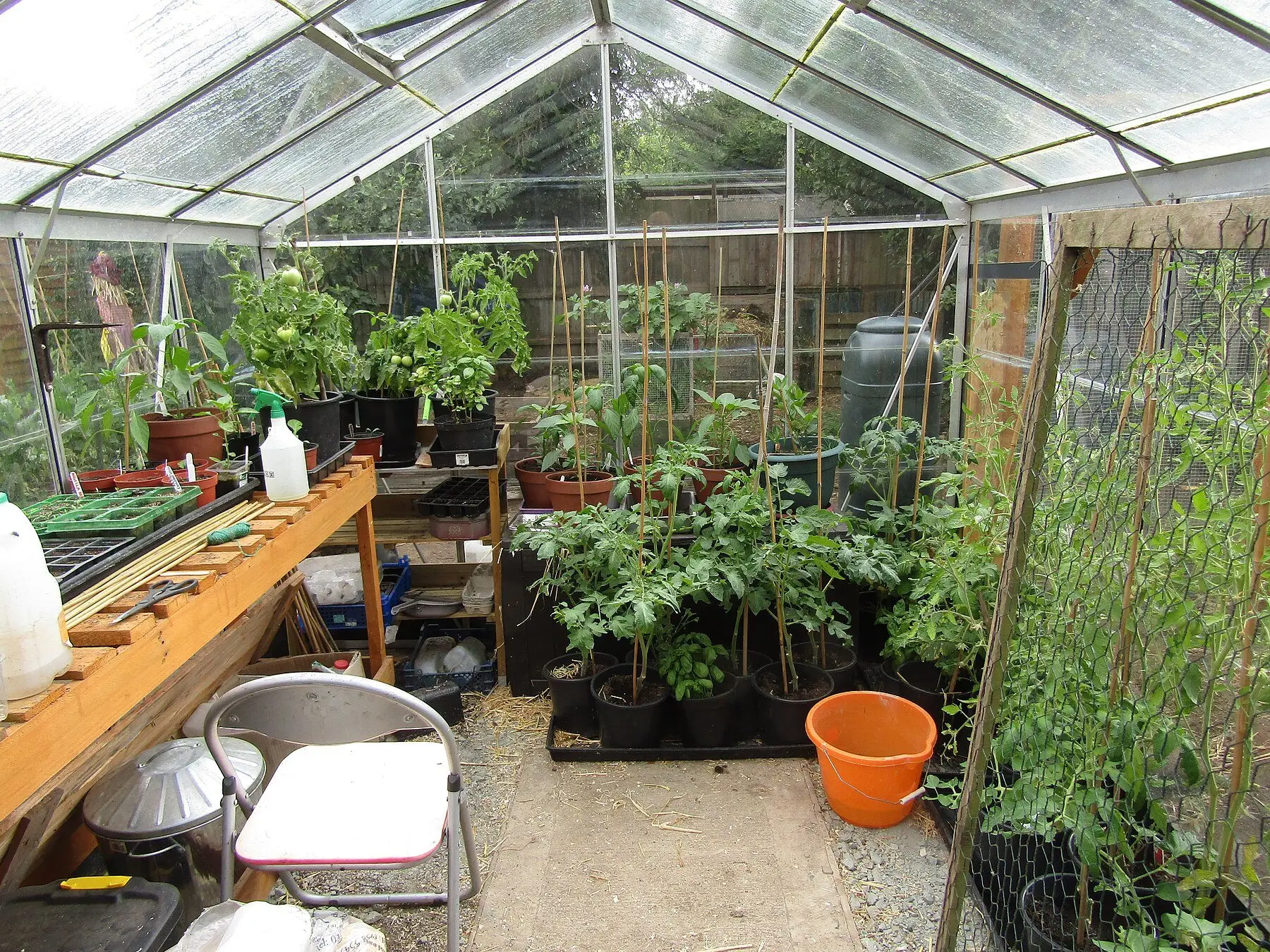
What Is a Greenhouse Used For? Six Jobs It Actually Does
A greenhouse extends the season at both ends, starts seed early and overwinters tender plants. What it is genuinely good at, and what it will not fix.
Which Type of Inground Pool Lasts the Longest? Concrete
A concrete shell outlives everything but needs resurfacing every decade or so. Fibreglass asks least over its life; vinyl liners are the short straw.