
Is Hydroponics Better Than Soil? An Honest Comparison
Hydroponics wins on yield, speed, water use and footprint. Soil wins on cost, resilience and flavour risk. Which one is right depends on what you lack.
 By

On this page
Neither wins outright. They fail in opposite directions, and that is the useful way to choose between them: hydroponics fails fast and expensively, soil fails slowly and cheaply.
Head to head
| Hydroponics | Soil | |
|---|---|---|
| Growth rate | 20–50% faster for leafy crops | Baseline |
| Yield per sq ft | Higher, especially stacked vertically | Lower |
| Water use | 70–90% less | Higher; much lost to drainage and evaporation |
| Setup cost | Higher — reservoir, pump, medium, nutrients, often lights | Low |
| Running cost | Electricity, nutrients, medium replacement | Almost nothing |
| Weeding | None | Ongoing |
| Soil-borne disease | Largely eliminated | Present |
| Root disease spread | Fast — shared reservoir hits every plant | Slow and localised |
| Pests | Reduced, not absent — aphids and thrips still arrive | Full range |
| Monitoring | pH and EC, regularly | Occasional |
| Failure mode | Pump or power failure kills a crop in a day | Forgives a week or two |
| Footprint | Small, vertical | Larger, horizontal |
| Skill needed | Moderate — it is a system to run | Low to start |
| Suits | Leafy greens, herbs, strawberries, tomatoes | Roots, squash, corn, perennials, everything |
Why hydroponics is faster
Three things, and they compound.
- No searching. In soil, roots expend energy growing through a medium to find nutrients. In solution, the nutrients arrive. More of the plant’s budget goes to leaves and fruit.
- Optimal, continuously. pH, nutrient concentration, oxygen and temperature can all be held near ideal all the time, instead of fluctuating with the weather and the soil.
- No competition. No weeds taking water and nitrogen, and no soil chemistry locking nutrients away.
The gain is biggest for fast leafy crops. Lettuce, basil and greens respond dramatically. A carrot does not, because the thing you are harvesting is the part hydroponics is worst at supporting.
Where soil quietly wins
- Cost. A raised bed and compost, versus a reservoir, pump, timer, nutrients, medium, meter and usually lights. The gap is large and it never closes.
- Resilience. This is the big one. Soil is a buffer — it holds water, moderates pH swings and stores nutrients. Go away for a fortnight and the bed copes. A hydroponic system with a failed pump can lose everything in a hot afternoon.
- No power dependence. Nothing to fail, nothing to pay for, nothing to lose in a storm.
- Biology. Mycorrhizal fungi, bacteria and worms do real work — nutrient cycling, disease suppression, structure. In hydroponics you are doing all of that with a bottle and a meter.
- Crop range. Carrots, potatoes, parsnips, squash, sweetcorn, fruit trees, perennials. Soil grows everything; hydroponics grows a subset well.
- Forgiveness. The best argument for soil for a first-time grower. Soil makes your mistakes survivable.
The failure mode is the honest deciding factor
People compare yields. They should compare failures. A hydroponic system is a chain: pump, power, timer, solution, reservoir. Any link failing takes the crop, and quickly. If you cannot check on it most days, or a lost crop would genuinely matter to you, that is a stronger argument than any yield figure on this page.
On flavour
Hydroponic produce has a mixed reputation and it is not the method’s fault.
Flavour comes from variety, light and ripeness at harvest. The commercial hydroponic sector selects for yield, uniformity and shelf life, and picks early for transport — which produces exactly the watery supermarket tomato people blame the technique for.
Grow a flavour variety, under strong light, and pick it ripe, and hydroponic produce is excellent. A dim indoor system will give you watery lettuce regardless of medium, and so will a shaded garden bed.
Which to choose
Go hydroponic if:
- You have no usable ground — a balcony, a patio, a paved yard, a flat
- Space is the binding constraint and you can build upward
- You want leafy greens and herbs year-round, indoors
- Water is scarce or expensive where you live
- You like running a system, and you will check it most days
Stay with soil if:
- You have ground, or room for raised beds
- Budget matters, now or ongoing
- You want root crops, squash, corn, or perennials
- You travel, or garden in bursts
- You are starting out and want the forgiving option
It is not either-or
A large number of home growers end up running both: a small hydroponic unit indoors for salad and herbs through winter, and soil beds outside for everything that needs room and season. The indoor unit covers the months when the beds are doing nothing, which is exactly where hydroponics earns its keep.
What hydroponics does not fix
Worth stating plainly, because the marketing implies otherwise:
- Pests still arrive. Aphids, thrips, whitefly and spider mites do not care what the roots are in.
- Disease still happens — and root disease in a recirculating system reaches every plant at once, which is worse than in soil.
- Light is still the limit. No nutrient solution compensates for insufficient light, and indoors that is your largest running cost.
- Nutrient management is now your job. Soil buffers a mistake. Solution delivers it immediately, to every root.
Common questions
Is hydroponics better than soil?
Do plants grow faster in hydroponics?
Does hydroponics use less water than soil?
Do hydroponic vegetables taste worse?
What are the real downsides of hydroponics?
Which crops suit hydroponics and which suit soil?
Backyard Weekly
Know what to plant, week by week
Join the weekly email for seasonal jobs, fixes for what is going wrong, and gear worth buying.
Not ready to subscribe? The planting calendar is free and needs no email.
By subscribing you agree to our privacy policy. Grow In Backyard will never sell your address.
Keep reading
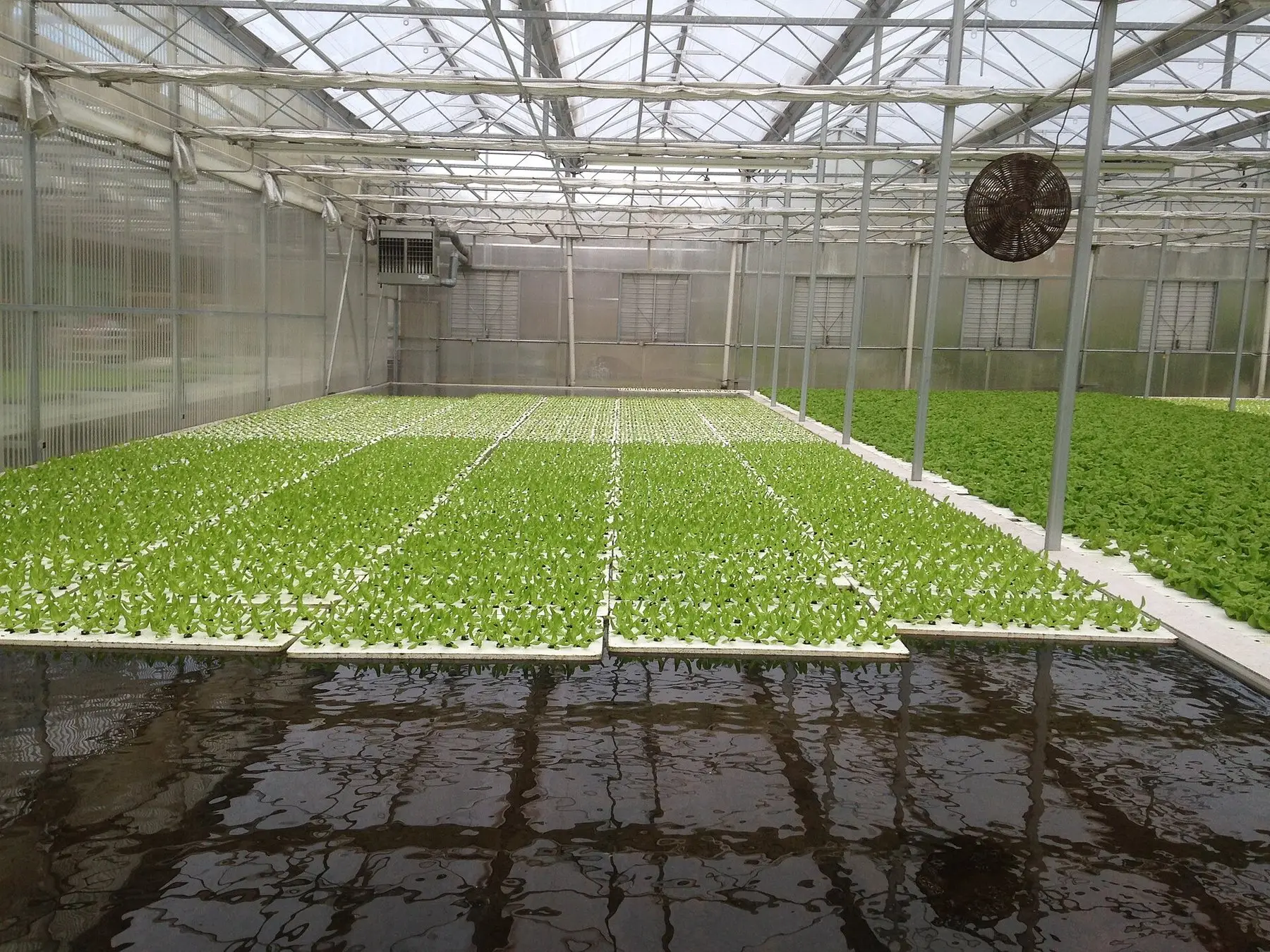
Deep Water Culture: The Simplest Hydroponic System
Roots sit in aerated nutrient solution and grow fast — until the pump stops. How DWC works, the numbers to hold, and why root rot is its one real failure mode.
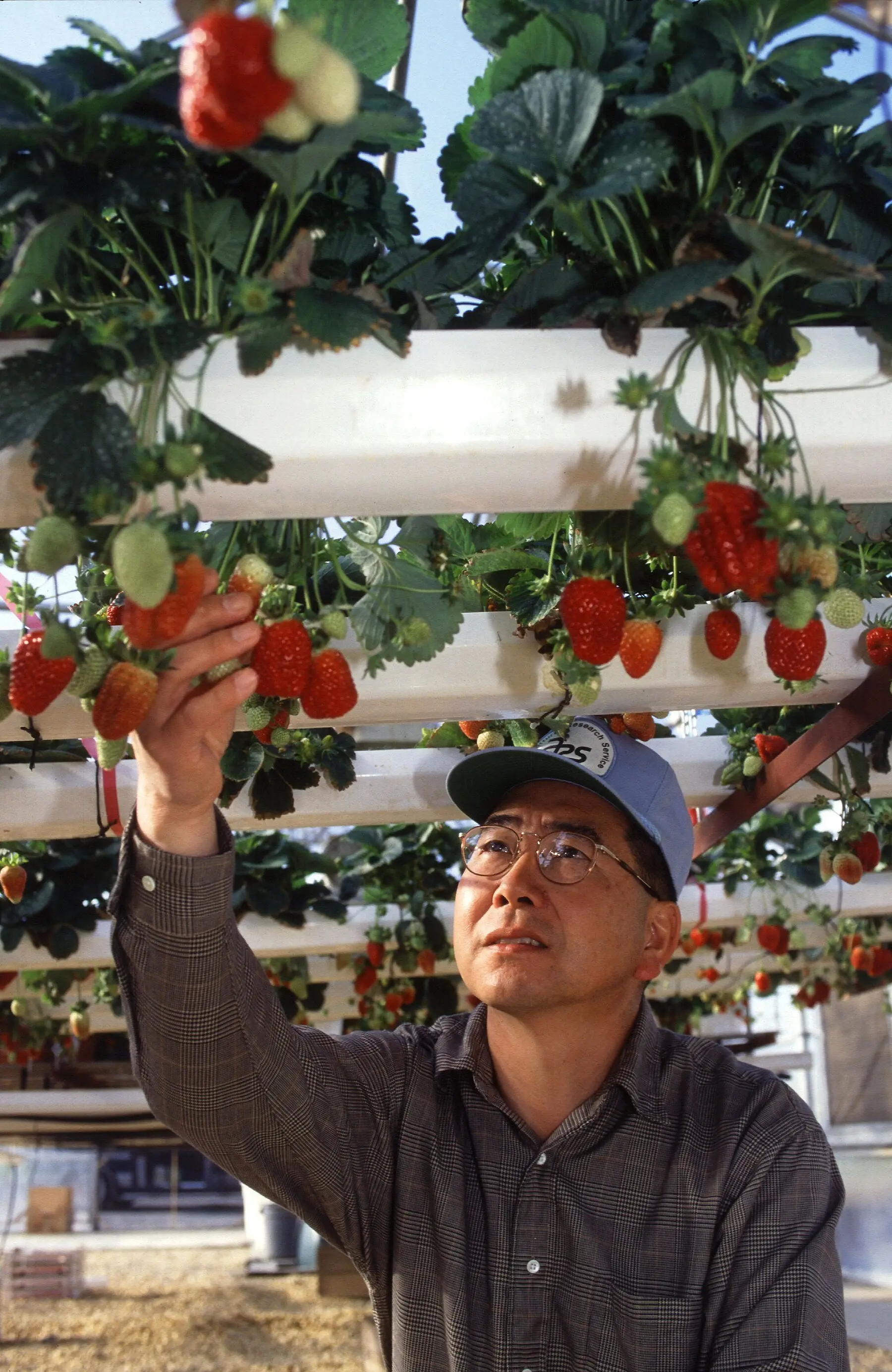
What Are Hydroponic Strawberries? How They Are Grown
Strawberries grown in nutrient solution rather than soil, usually in towers or gutters. What the method changes, what it costs, and whether taste suffers.
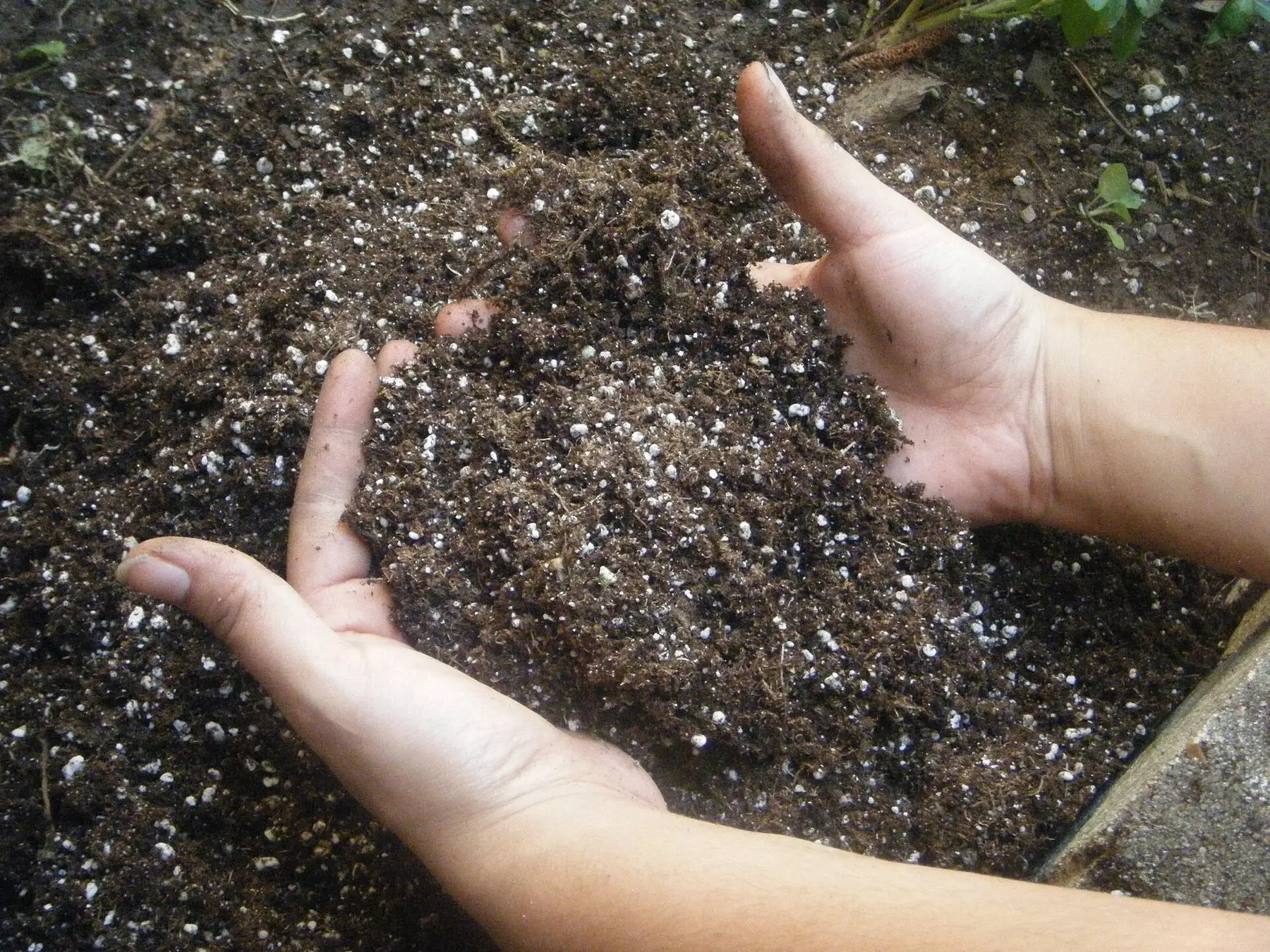
Loam Soil: What It Is, and How to Get It From Clay or Sand
Loam is a particle-size ratio, not a product you buy. How to test what you have with a jar of water, and the only method that genuinely changes it.
Is Lemon Balm Invasive? It Seeds Rather Than Runs
Lemon balm spreads by seed, not by runners like mint. That makes it easier to control — if you cut the flowers before they set.