
Is It Worth Replacing Batteries in Solar Lights? Almost Always
A rechargeable cell is the first thing to fail in a solar light and often costs a tenth of a replacement unit. Check the panel and switch first.
 By
On this page
Almost always. The rechargeable cell is the first thing to fail and usually costs a small fraction of a new light. But check the panel and the switch first — a dirty panel is the most common fault of all.
Diagnose before you buy anything
| Symptom | Likely cause | Fix |
|---|---|---|
| Bright at dusk, dead in an hour | Worn cell | New battery |
| Dim all night | Worn cell or dirty panel | Clean panel, then battery |
| Nothing at all | Switch off, or corrosion | Check switch and contacts |
| Works after rain, not in dry spells | Panel film | Clean the panel |
| Nothing after new cell + clean panel | Panel or circuit failed | Replace the unit |
Clean the panel first, every time
A film of dust, pollen or hard-water residue cuts charging dramatically and is the single most common cause of a solar light underperforming. Warm water and a soft cloth. Do this before spending anything.
Choosing the cell
- Open it and read the existing battery. Chemistry and voltage must match.
- Most are AA or AAA NiMH at 1.2 V. Some use 18650 lithium; older ones NiCd.
- 600–1,000 mAh suits most garden lights. A much bigger cell will not fully charge from a small panel on a short winter day — that is money wasted, not extra runtime.
- Scrape any corrosion off the contacts while it is open.
Never fit alkaline cells
Alkalines are not rechargeable, and the light will try to charge whatever is in it. They leak, and occasionally rupture — and leaking alkaline corrodes the contacts and destroys a light that was otherwise fine.
Making them last
- Switch them off over winter if you can. Short dark days mean the cell never reaches full charge and discharges every night, which is hard on it, and cold cuts capacity further.
- Better still, bring them in, stored cool and dry, with a charge every couple of months.
- Site them where they actually get sun. A light under a hedge or in permanent shade will chew through cells no matter what you fit.
Common questions
Is it worth replacing batteries in solar lights?
What batteries do solar lights use?
Can you put normal batteries in solar lights?
My solar light still does not work with a new battery. What now?
How long should solar light batteries last?
Should I bring solar lights in over winter?
Backyard Weekly
Know what to plant, week by week
Join the weekly email for seasonal jobs, fixes for what is going wrong, and gear worth buying.
Not ready to subscribe? The planting calendar is free and needs no email.
By subscribing you agree to our privacy policy. Grow In Backyard will never sell your address.
Keep reading
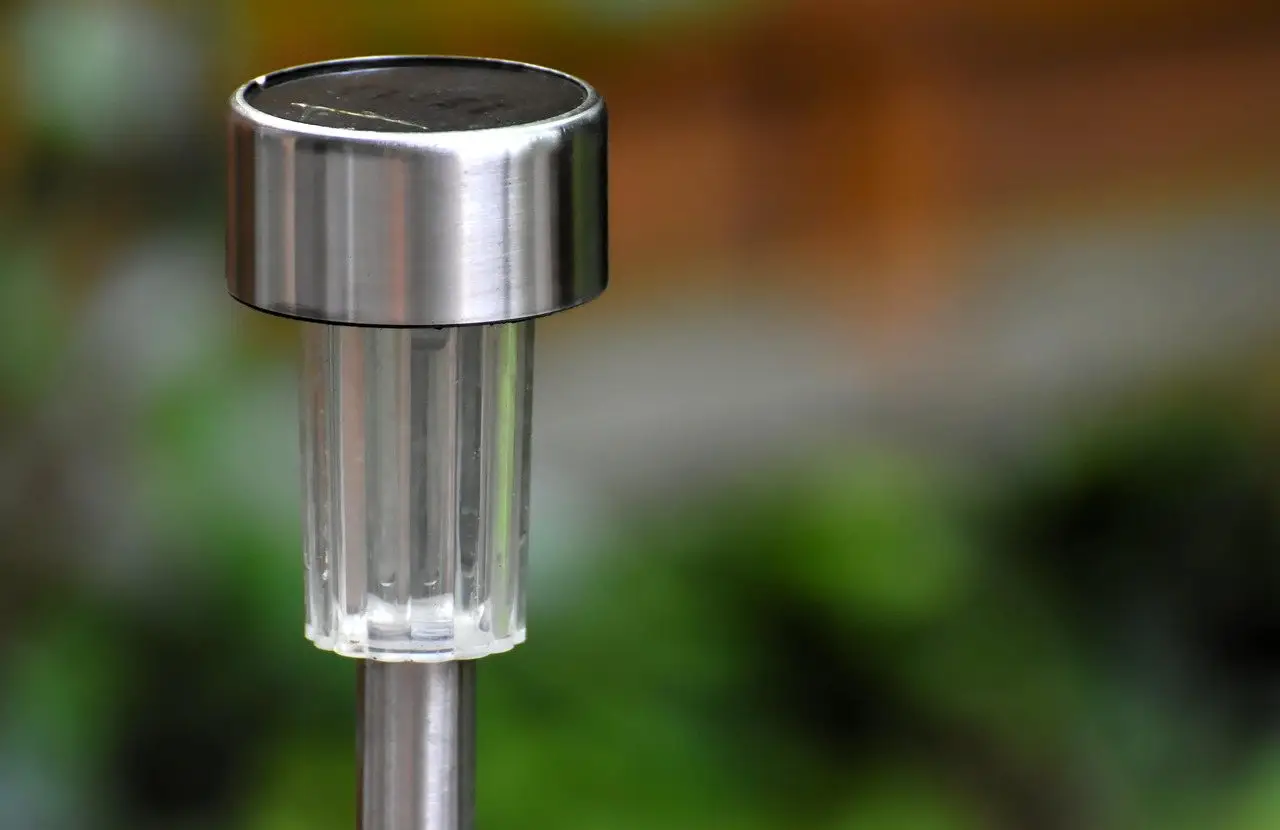
Are Solar Outdoor Lights Worth It? For Ambience, Yes
Solar lights need no wiring and cost nothing to run, but output and winter runtime are limited. They suit marking paths, not lighting them.
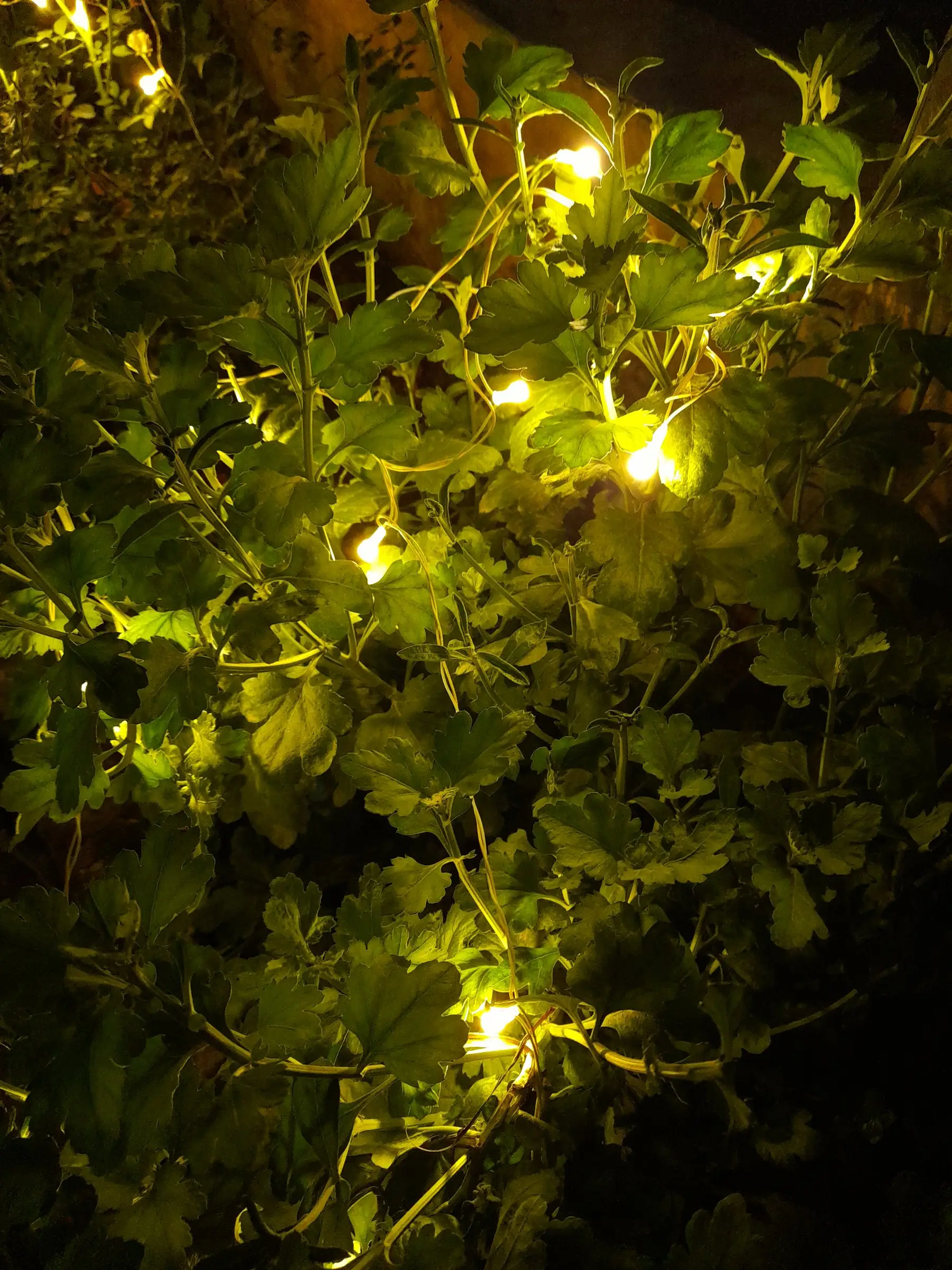
Outdoor Garden Lighting Ideas That Get Used Past Month Two
Most outdoor lighting gets hung once and never turned on again. The five kinds worth the effort, and the color temperature that makes or breaks all of them.
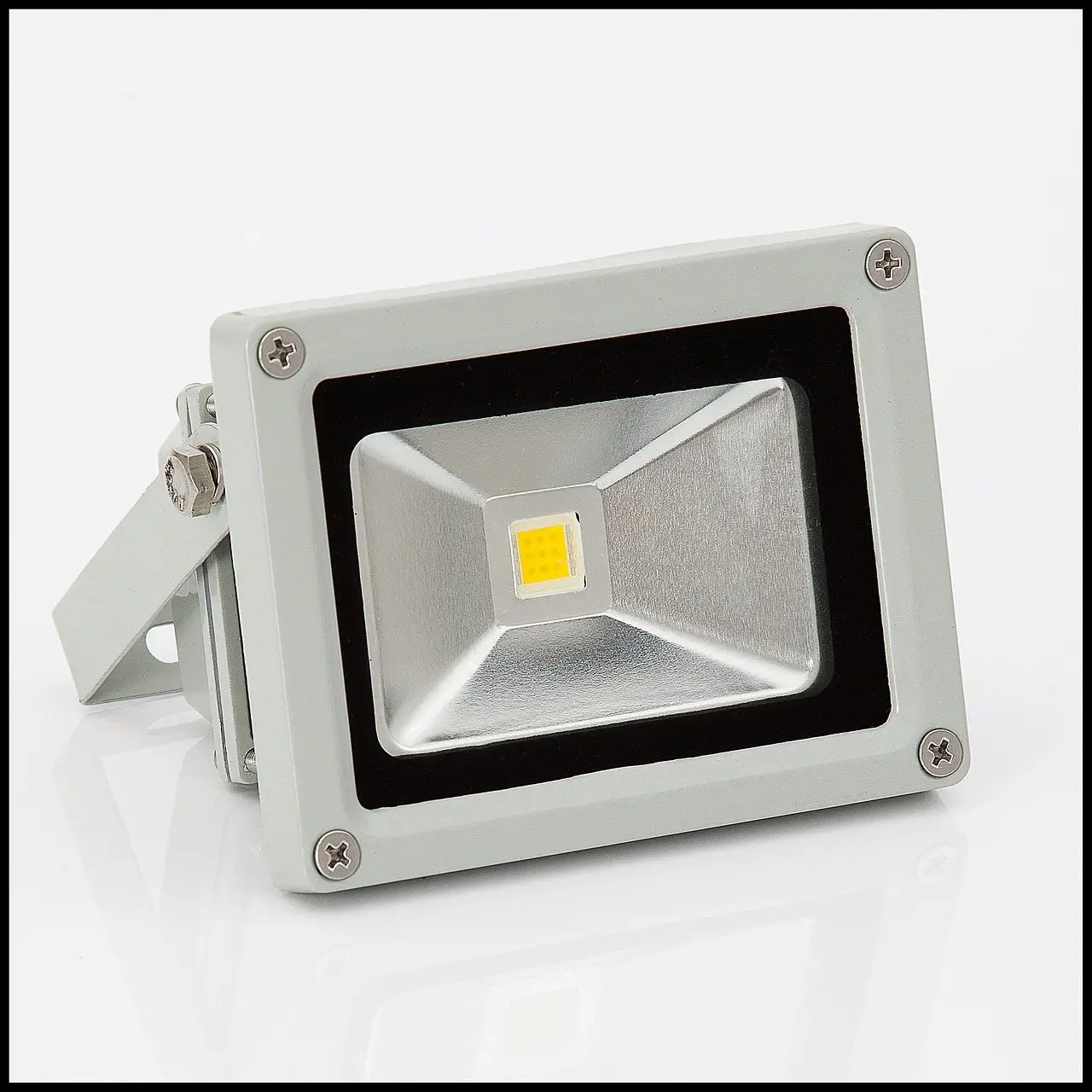
What Are Flood Lights Used For? Wide, Even Coverage
A flood light spreads a wide beam over an area rather than picking out a point. That beam angle is what separates it from a spot light, not brightness.
Outdoor Metal Wall Decor: What Survives a Winter Outside
Most metal wall art is indoor stock sold for gardens. Which metals last, how to hang it without staining the wall, and where it actually works.