
What to Do With Charcoal Ash: Garden Uses and Safe Disposal
Wood and lump ash can go on the garden; briquette ash should not. How to tell which you have, what it does to soil pH, and the 48-hour fire rule.
 By
On this page
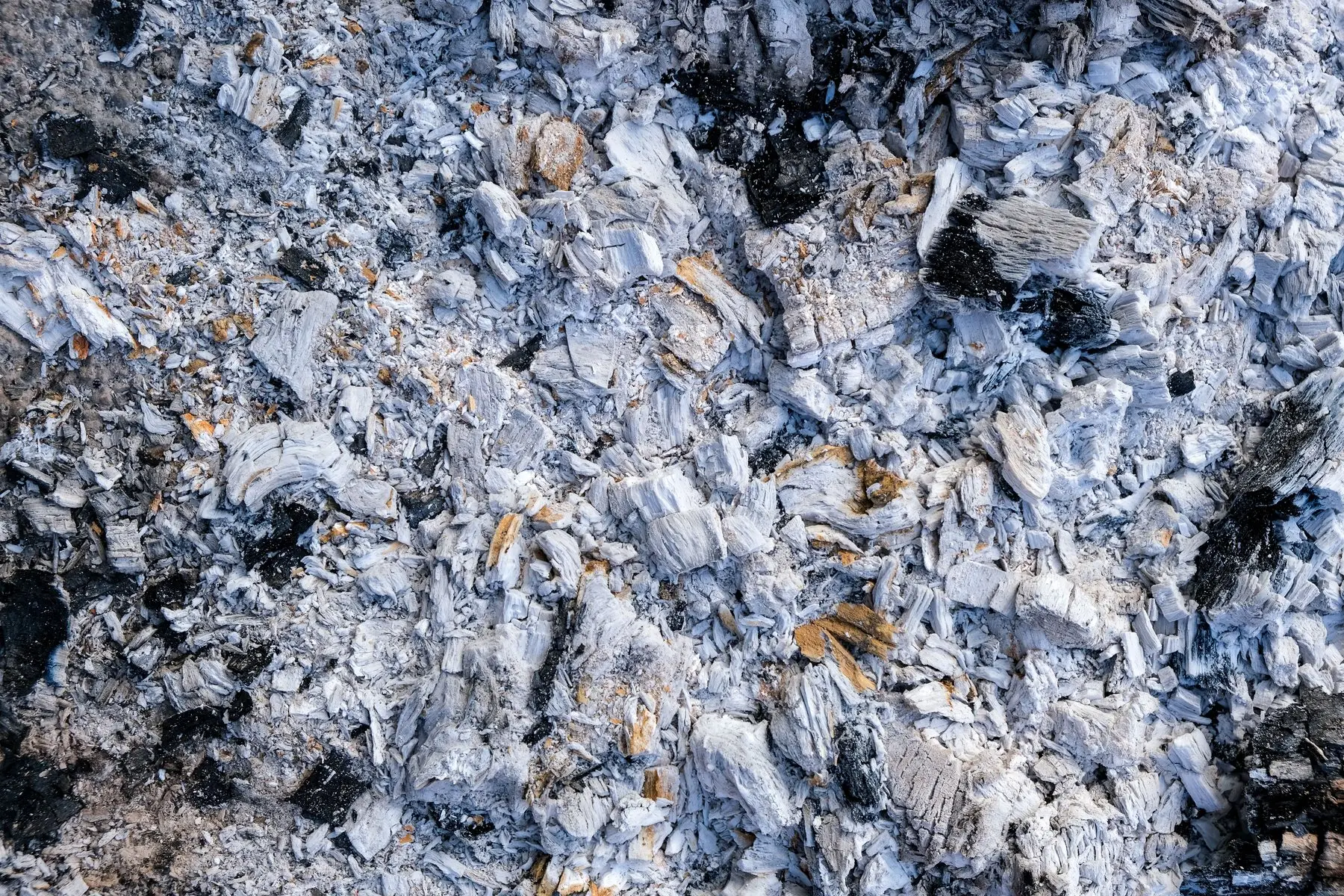
It depends entirely on what you burned. Plain wood or lump charcoal ash is useful in a garden. Briquette ash is not — binders, fillers and sometimes coal dust. And either way, the first step is 48 hours of cooling.
First: which ash do you have?
| Fuel | Garden? | Why |
|---|---|---|
| Plain hardwood lump charcoal | Yes, sparingly | Just carbonised wood |
| Untreated firewood | Yes, sparingly | Same |
| Standard briquettes | No | Starch binders, fillers, sometimes coal dust |
| Match-light / pre-soaked | Never | Lighter-fluid residue |
| Treated, painted or manufactured wood | Never | Preservatives, glues, pigments |
If you cannot remember what you burned, bin it. The downside of being wrong is contaminating the soil you grow food in.
What wood ash actually does
It behaves much like garden lime: it raises pH.
- Potassium, plus trace calcium and magnesium
- No nitrogen at all — it is not a general fertiliser
- Best suited to a potassium-hungry crop on acidic soil
On alkaline soil this is actively harmful
The entire effect is to push pH up. On soil that is already alkaline, ash locks nutrients up rather than adding them, and the symptoms look like a deficiency you then try to fix by feeding.
Test the pH before making ash a habit. This is where most of the harm from “ash is good for the garden” actually lands.
Keep it away from: blueberries, azaleas, rhododendrons, camellias and other ericaceous planting — and potatoes, where alkaline conditions encourage scab.
In the compost heap
Yes, sparingly — scattered between layers, not in a seam.
A little helps offset the acidity of a heap heavy in grass and fruit waste. Too much raises the pH enough to drive nitrogen off as ammonia, which wastes the thing you were composting for.
A couple of handfuls per heap. Not a bucket.
Disposal, and the part that starts fires
48 hours, then metal only
Coals hold enough heat to ignite paper or dry leaves for a day or more, and ash insulates the embers underneath so the surface looks dead long before it is.
- Wait 48 hours
- Lidded metal container — never a paper bag, plastic bin or cardboard box
- Stored away from the house, decking, fences and anything overhanging
Bins catching light hours after a barbecue everyone had forgotten about is a routine fire-service call-out, not an unlucky freak event.
Common questions
What can you do with charcoal ash?
Is charcoal ash good for the garden?
Which charcoal ash should never go on soil?
Can you put charcoal ash in compost?
Which plants should not get wood ash?
How do you safely dispose of charcoal ash?
Backyard Weekly
Know what to plant, week by week
Join the weekly email for seasonal jobs, fixes for what is going wrong, and gear worth buying.
Not ready to subscribe? The planting calendar is free and needs no email.
By subscribing you agree to our privacy policy. Grow In Backyard will never sell your address.
Keep reading
How to Turn Off a Charcoal Grill (And Put Out the Coals)
Close the lid and shut every vent — starving the fire of oxygen is the method. Why water is the wrong answer, and how long the ash stays dangerous.
How to Clean Grill Grates — 4 Tools, No Wire Bristles
How to clean grill grates without a wire brush shedding into food. 4 tools compared on cast iron and deep cleans. See which suits your grill.
Mushroom Compost — 3 Uses and Where It Does Harm
Mushroom compost is alkaline and salty, which rules out some beds. 3 uses compared, plus what to use on acid-lovers. See where it fits your soil.
Where Should a Gas Grill Be Placed on a Patio?
Three feet clear of any wall, well away from the house and nothing overhead. Then think about wind, the door you carry food through, and the soffit.