
Outdoor Living ·
Are Outdoor Pizza Ovens Worth It? Only If You'll Use the Heat
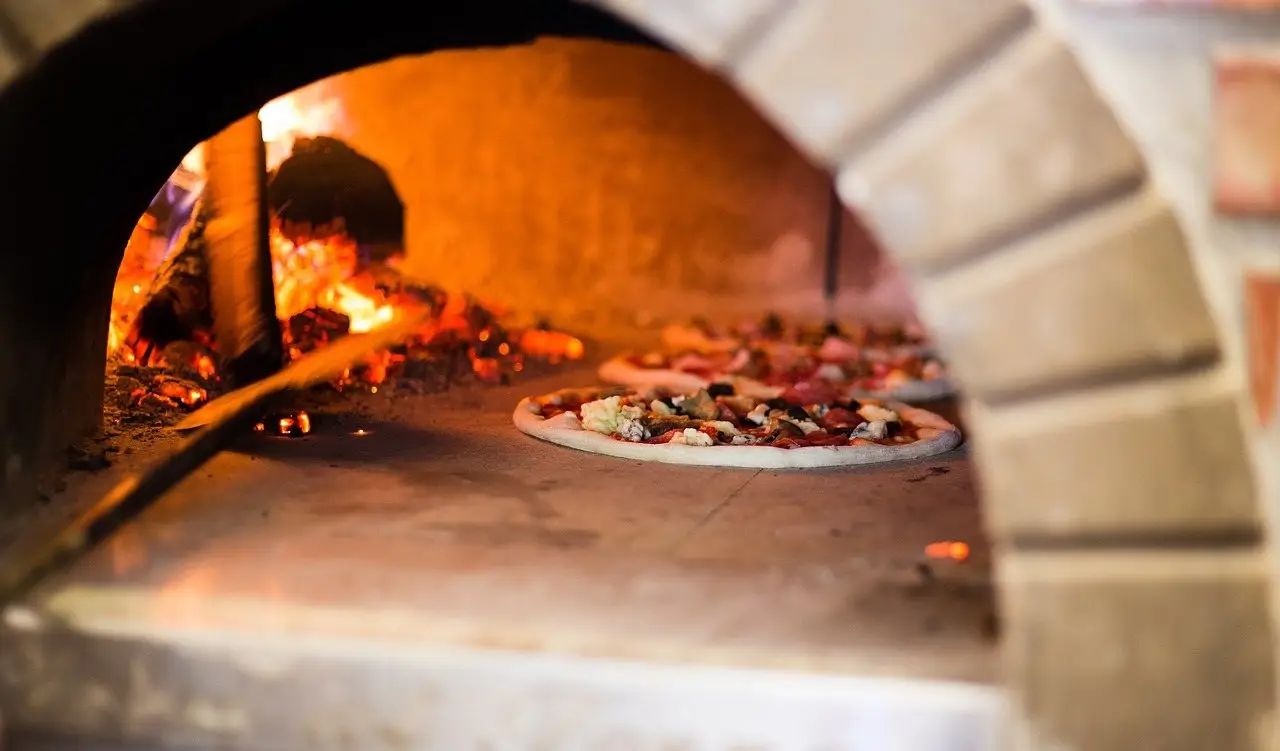
A pizza oven does one thing a grill cannot — 400°C plus. If you want pizza once a summer, a stone on the barbecue gets most of the way there.
25 guides in Outdoor Living.
Start here
A griddle is a solid steel cooktop, a grill is grates over flame. What each does better, why griddles need seasoning, and when to buy a combination unit.
A pizza oven does one thing a grill cannot — 400°C plus. If you want pizza once a summer, a stone on the barbecue gets most of the way there.
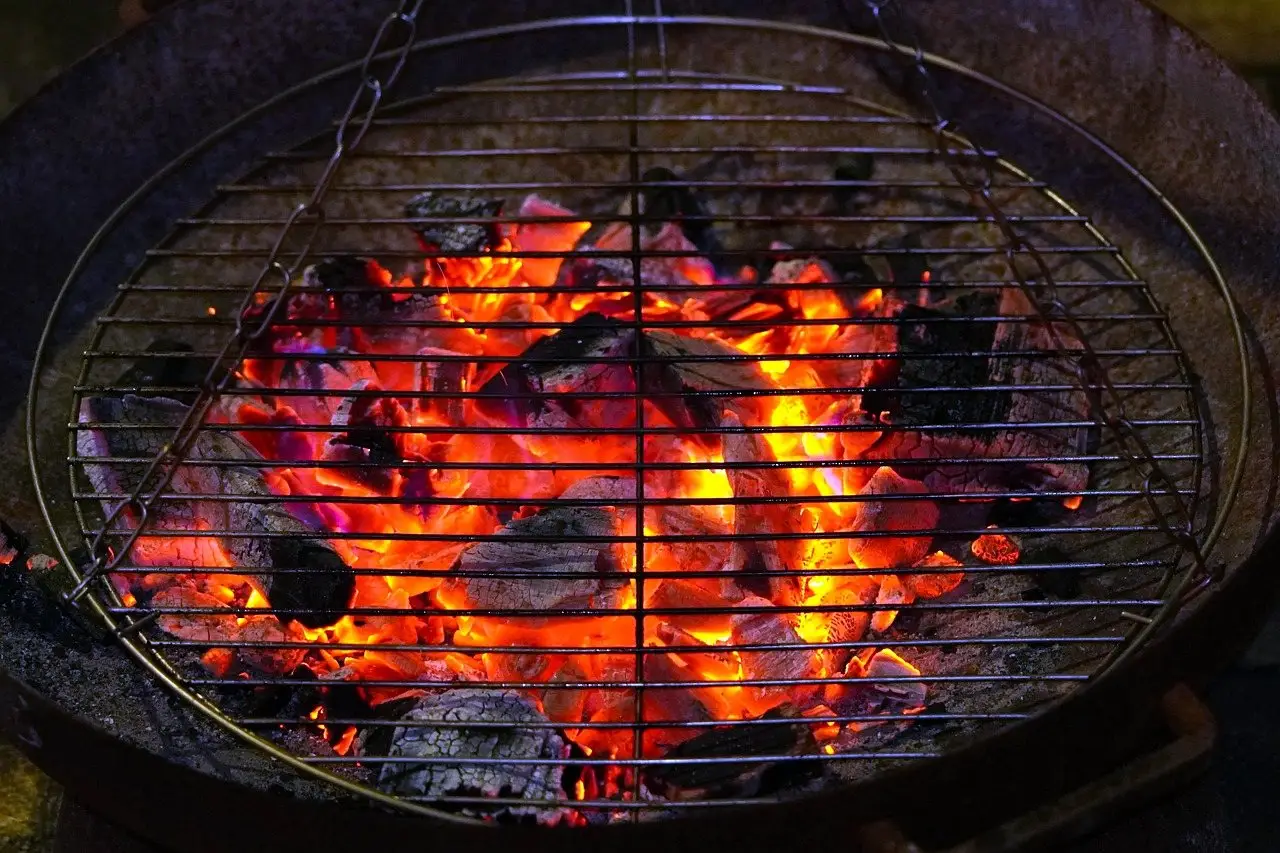
A light orange film scrubs off and the grate is fine. Pitted, flaking grates shed metal into food and should be replaced, not burned clean.
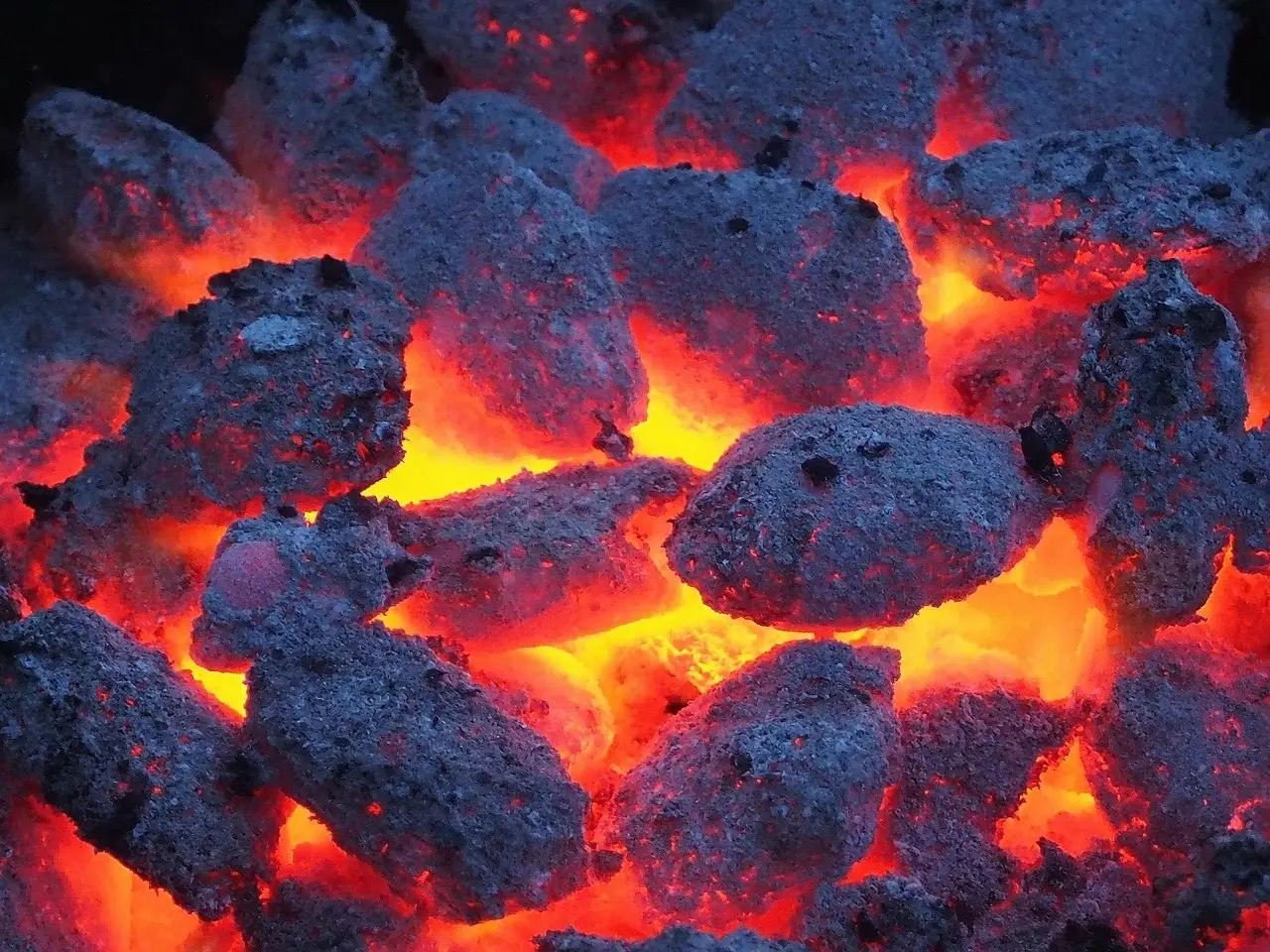
Live coals throw embers, flare on dripping fat and stay dangerously hot for hours after cooking. Close the lid and vents rather than walking away.
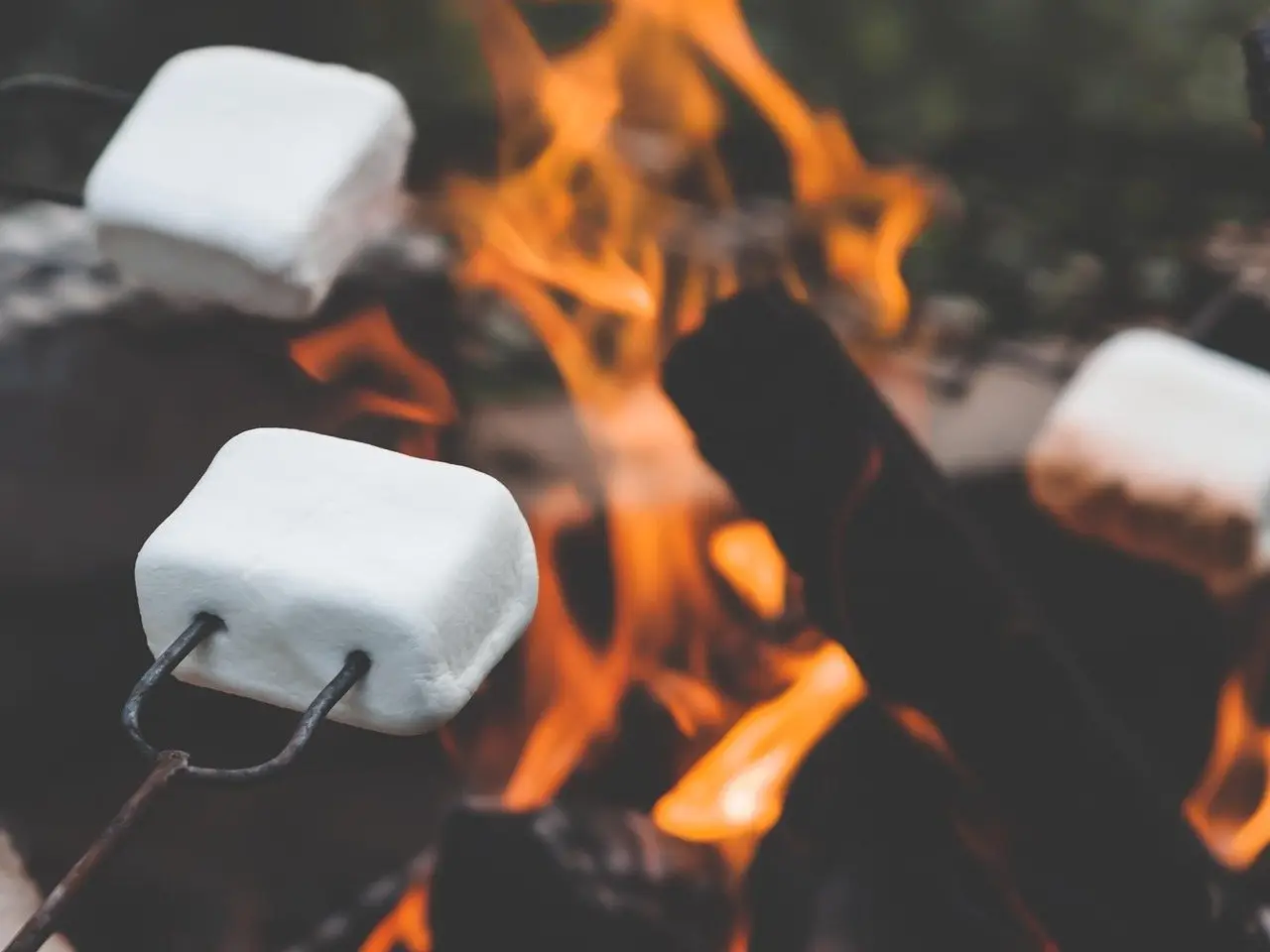
A charcoal grill works well for s'mores once the coals are grey and low. Fresh coals and lighter fluid are the two things that ruin them.
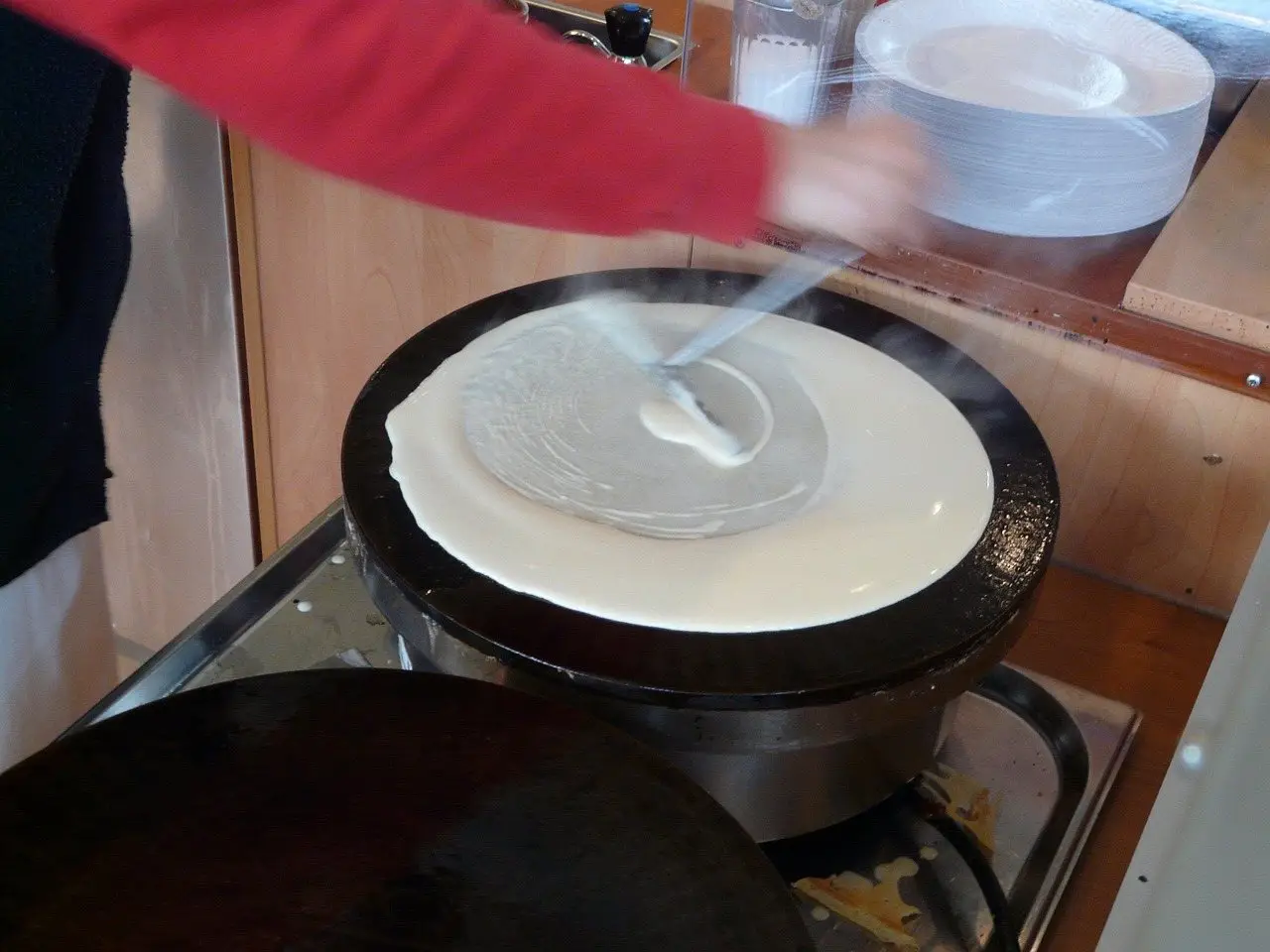
Gas and charcoal flat tops produce carbon monoxide and must stay outside. Electric griddles are built for indoor use — the fuel decides, not the shape.
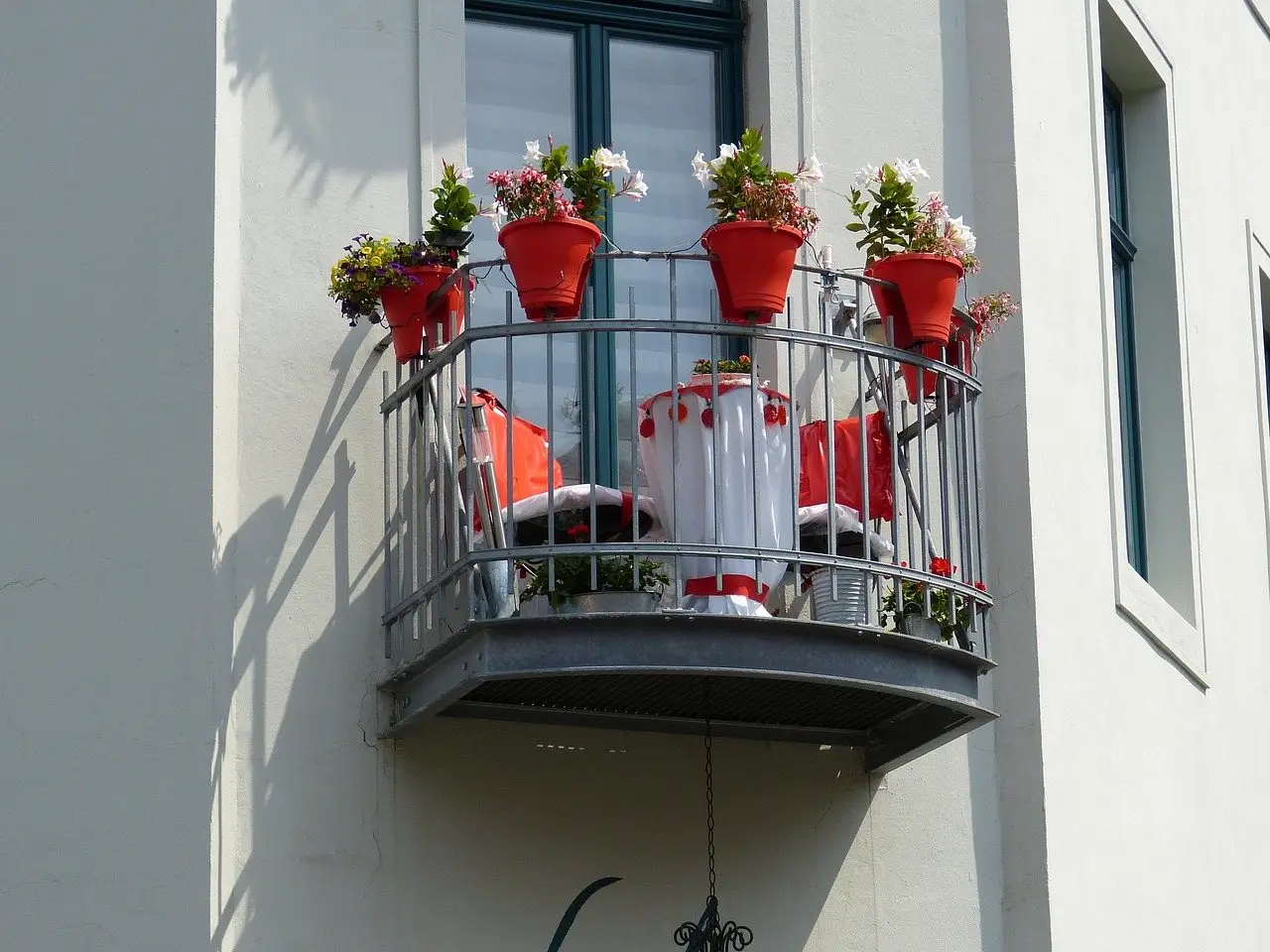
An electric grill is the right answer where open flame is banned or storage is tight. Everywhere else it gives up searing heat and flavour.
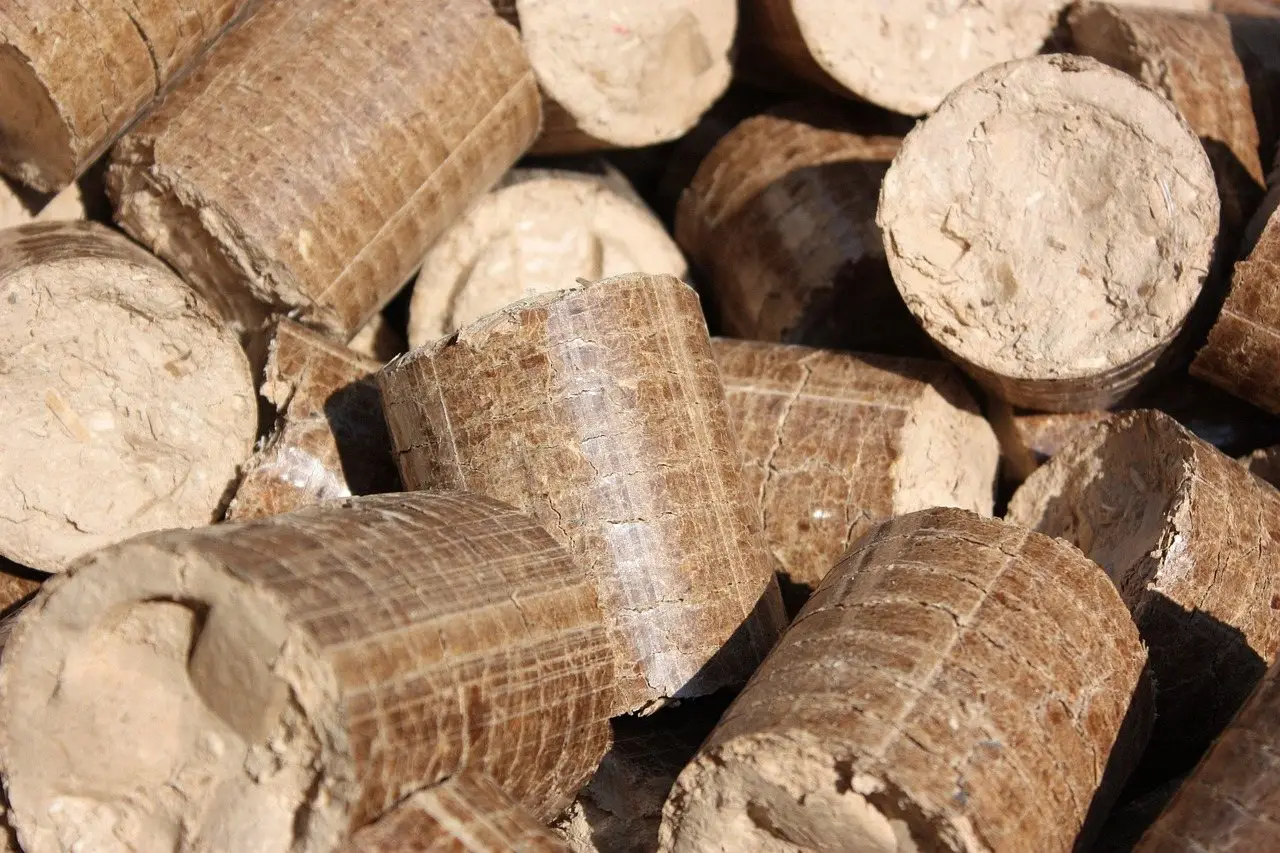
Pellets cost less per hour of cooking because the auger feeds only what the fire needs. Charcoal wins on a short sear and on upfront cost.
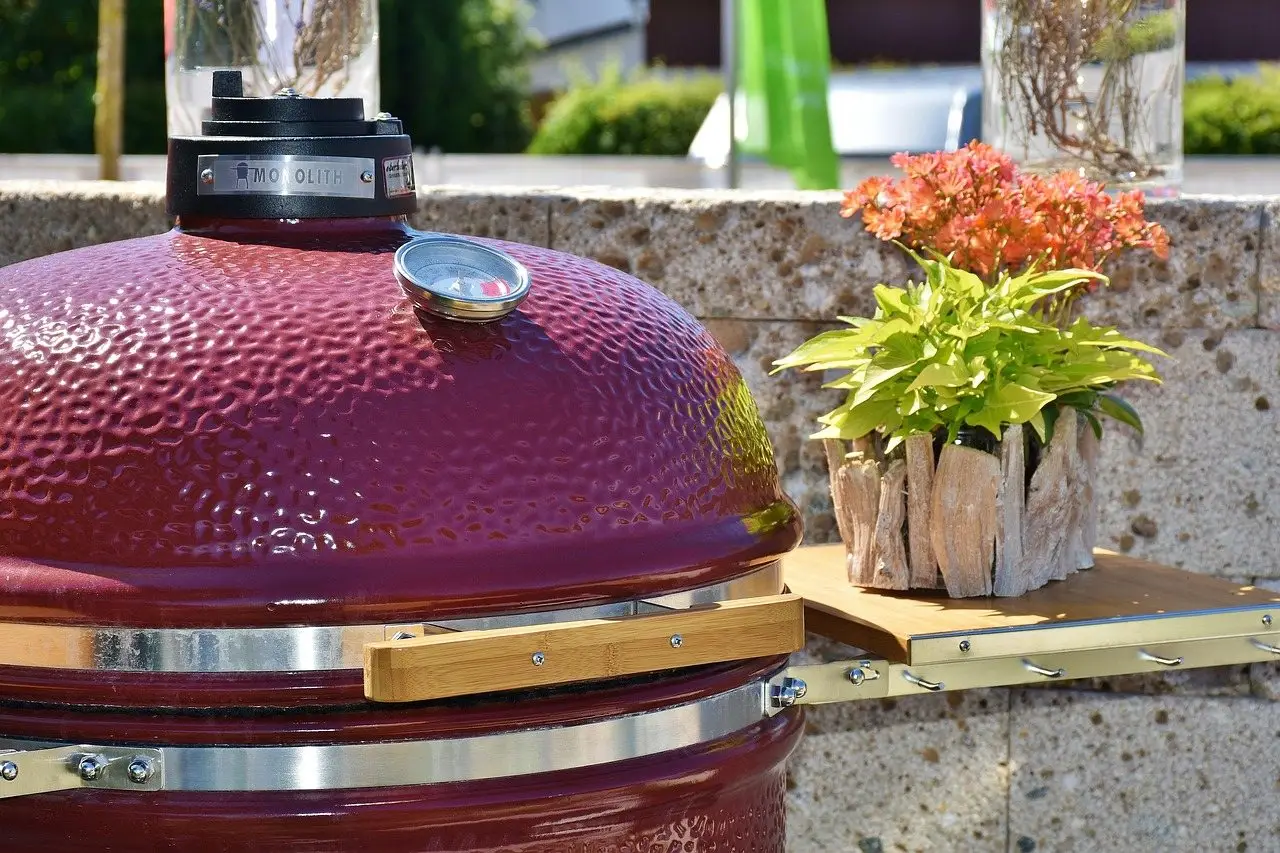
A ceramic kamado smokes, grills and sears in one body. The ceramic holds temperature for hours, which is what makes low and slow possible without tending.
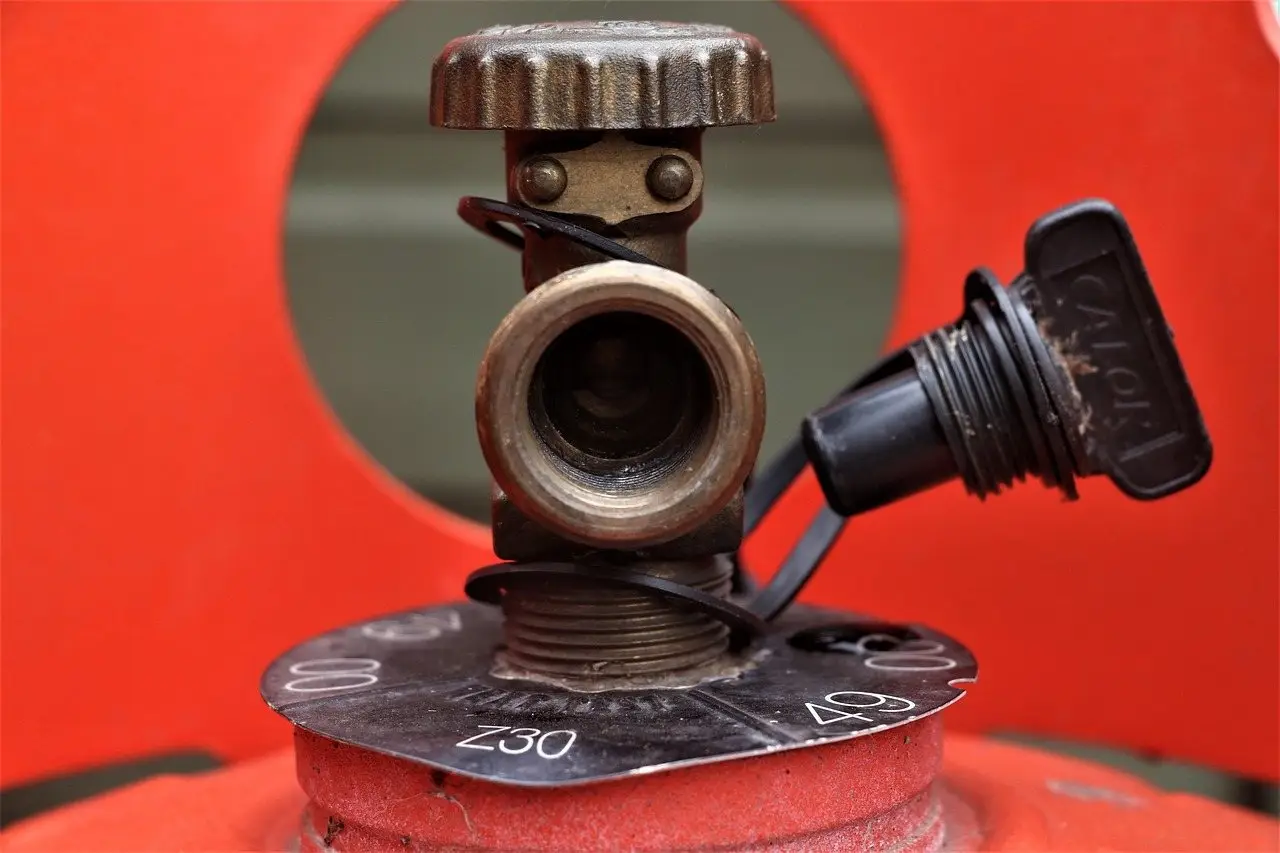
Disconnecting is the safer habit and costs two minutes. The tank then has to be stored outdoors, upright and shaded — never in a garage or shed.
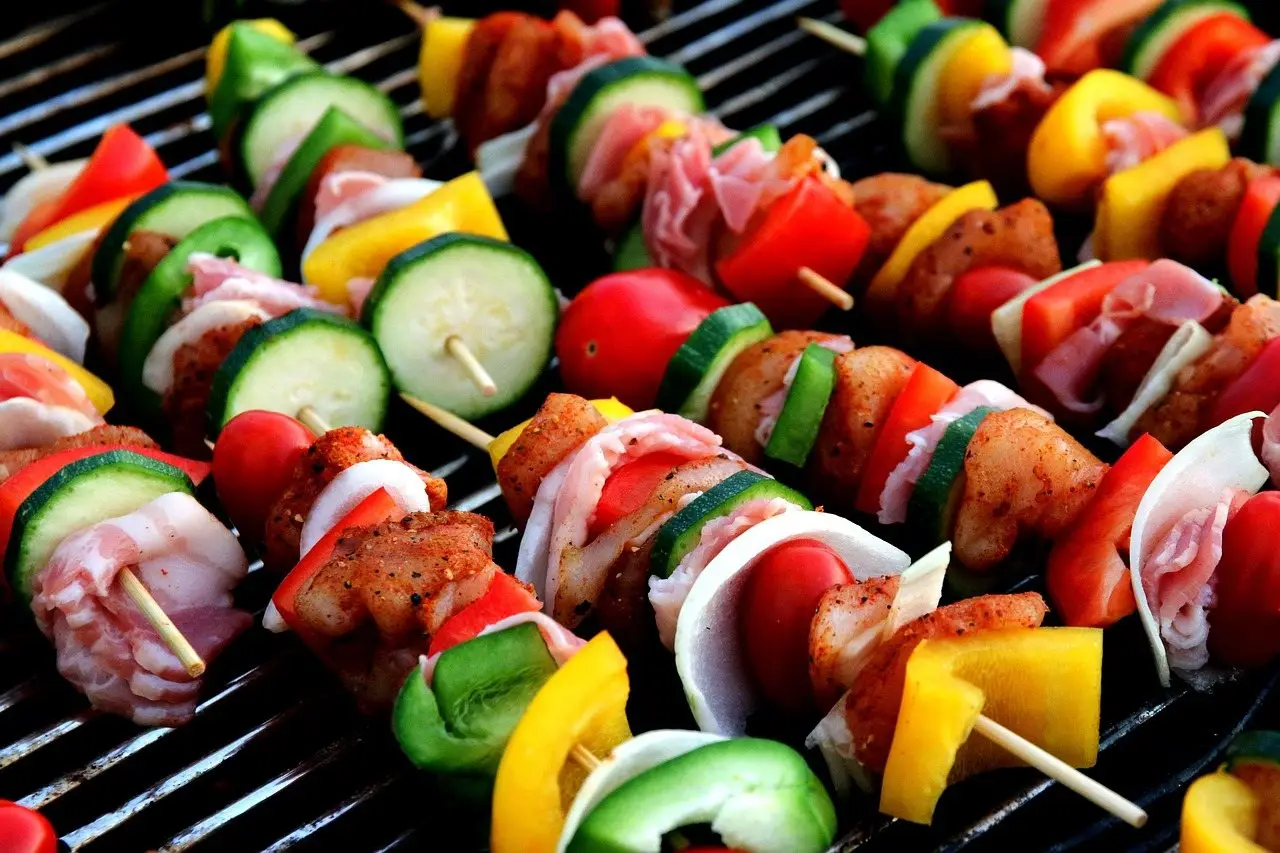
Charcoal, gas and pellet suit different cooks. Decide how often you will use it on a weeknight, then buy on build quality rather than burner count.
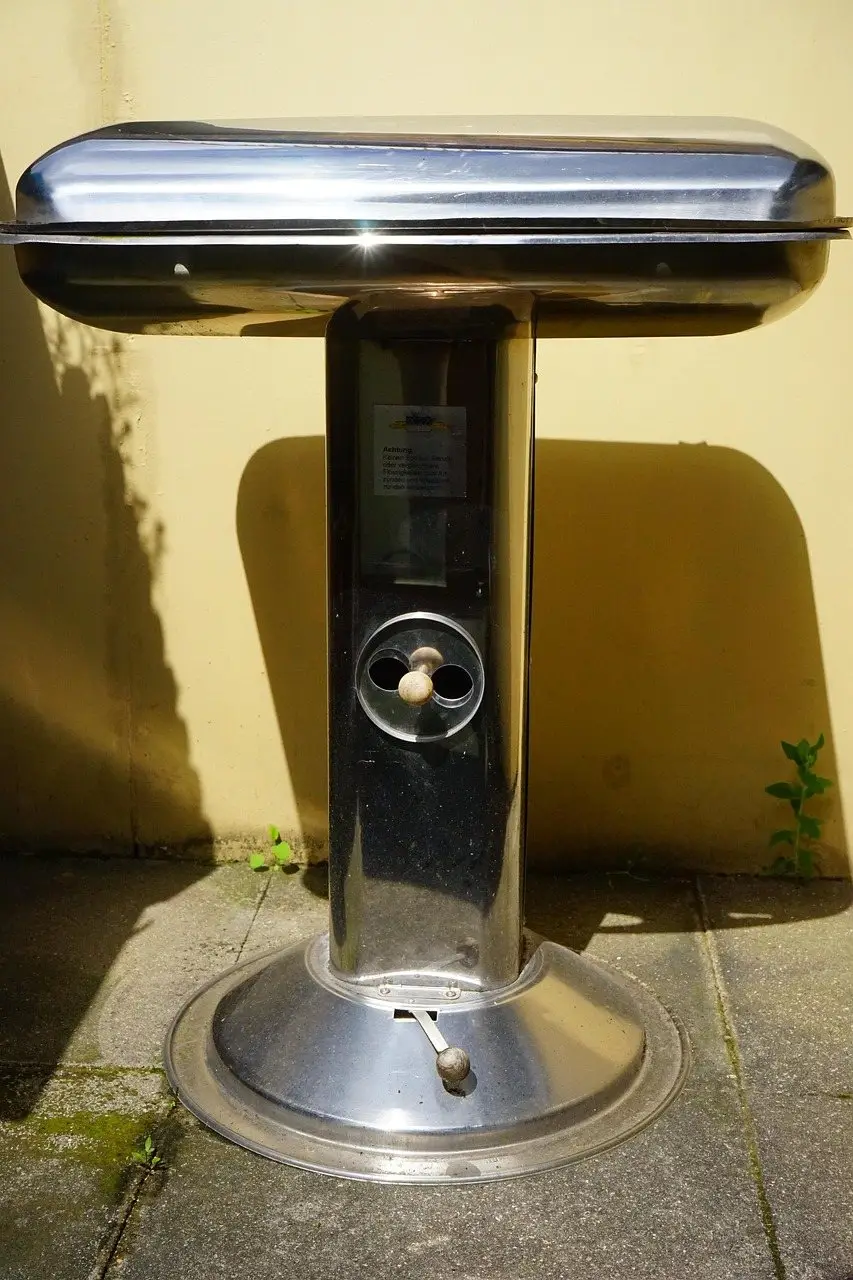
Three feet clear of any wall, well away from the house and nothing overhead. Then think about wind, the door you carry food through, and the soffit.
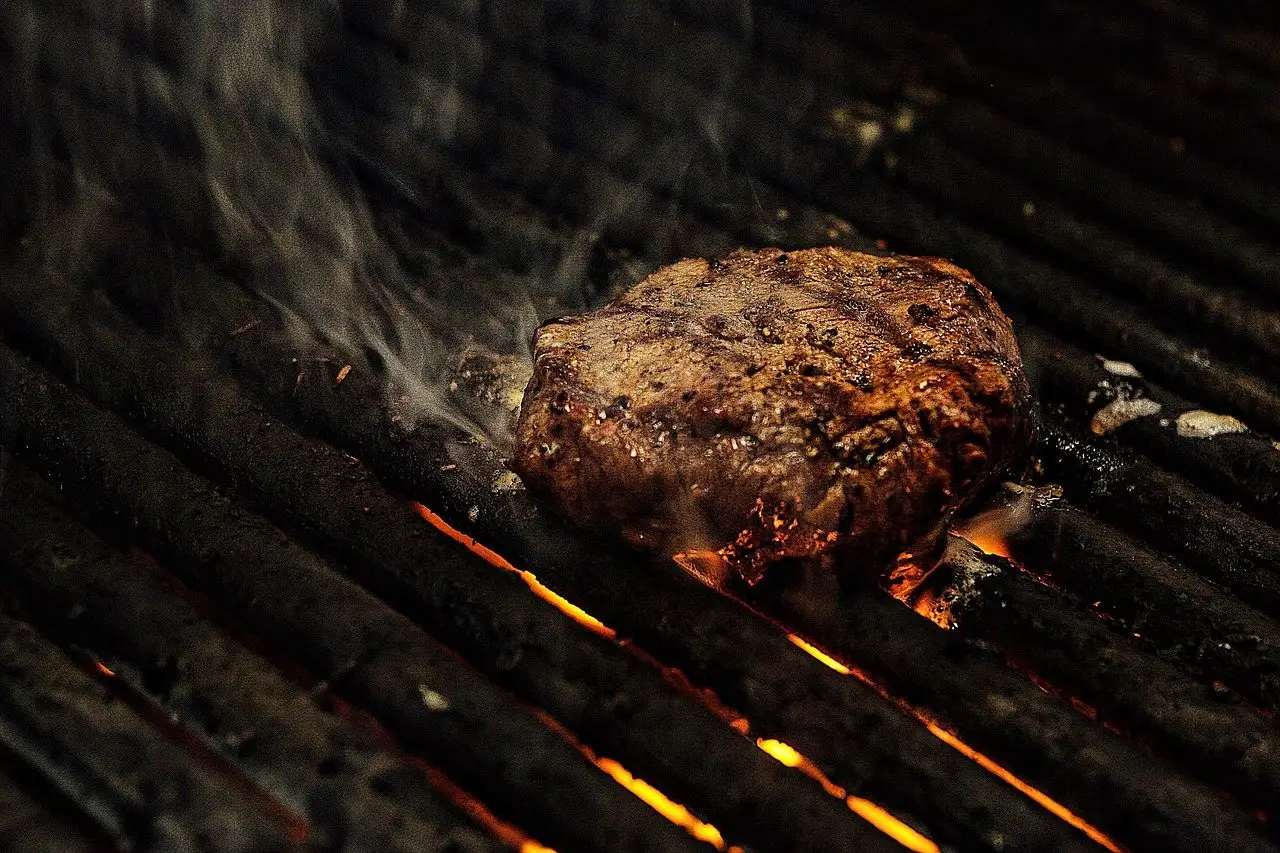
Lower, steadier temperatures mean a pellet grill produces fewer of the compounds linked to charring. But how you cook matters far more than the fuel.
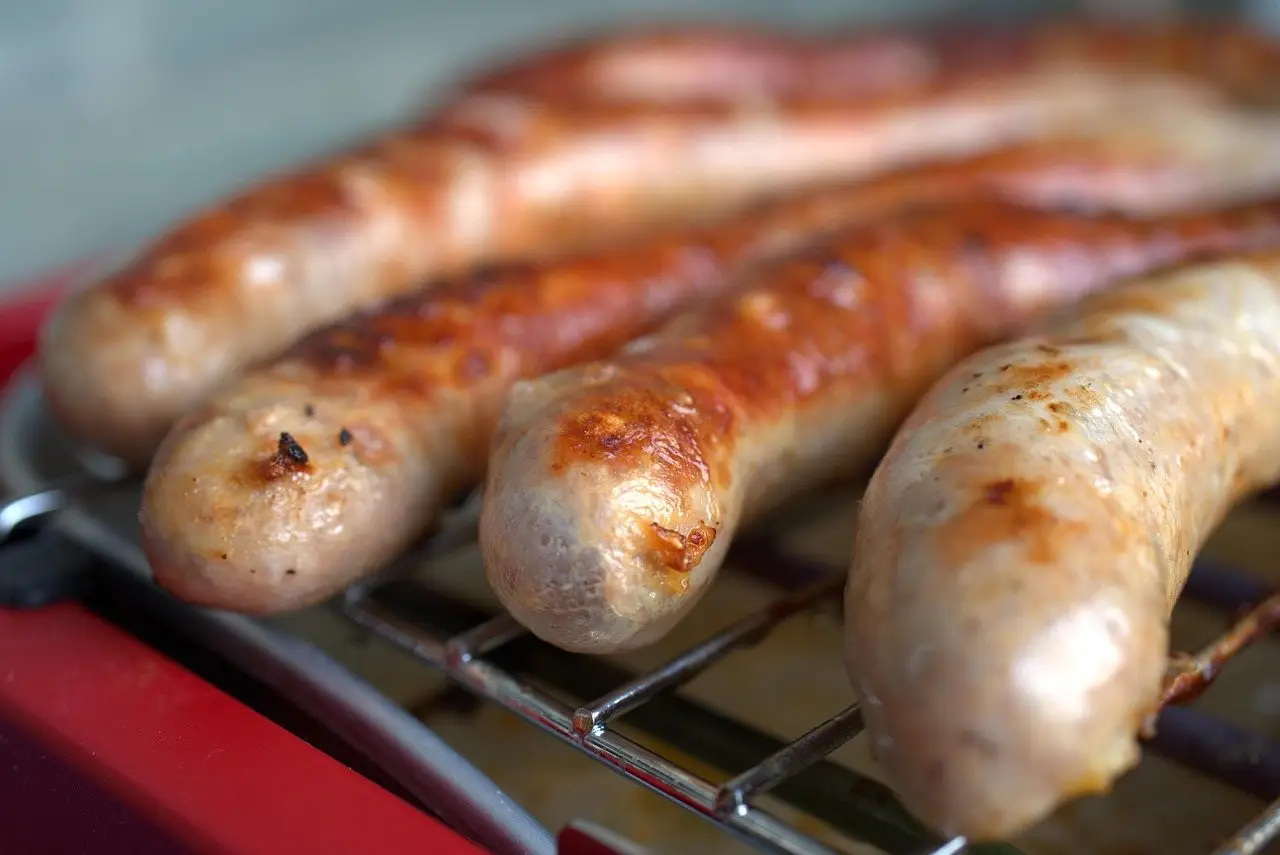
Grills are built for outdoors. What fails is moisture sitting in burners and fireboxes, so the prep matters far more than whether it stays out.
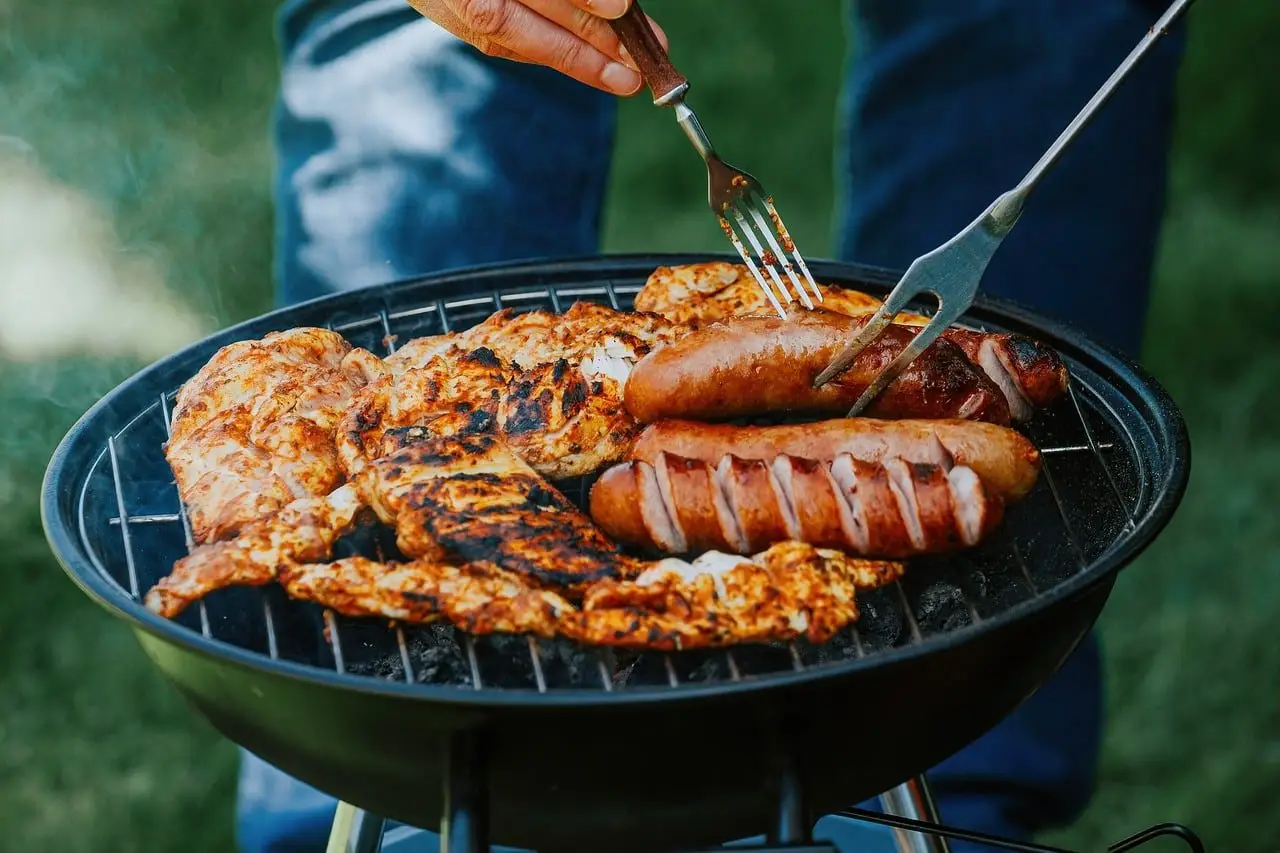
A hot burn kills mould but leaves the dead spores and the grease feeding them. Scrub first, burn second — in that order, and never the reverse.
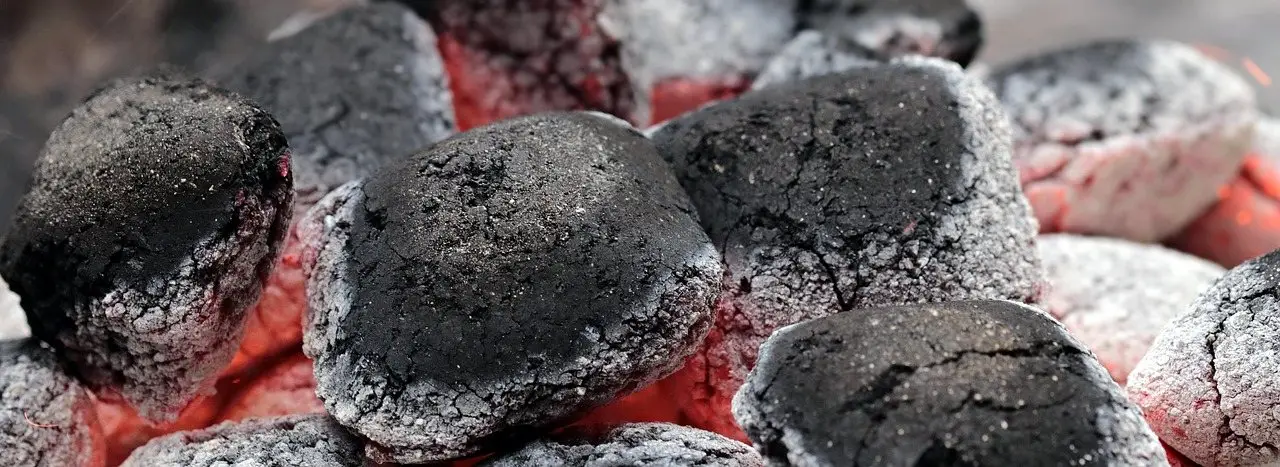
Charcoal and gas grills produce carbon monoxide, and an open garage door does not clear it. The exhaust risk and the fire risk are separate problems.
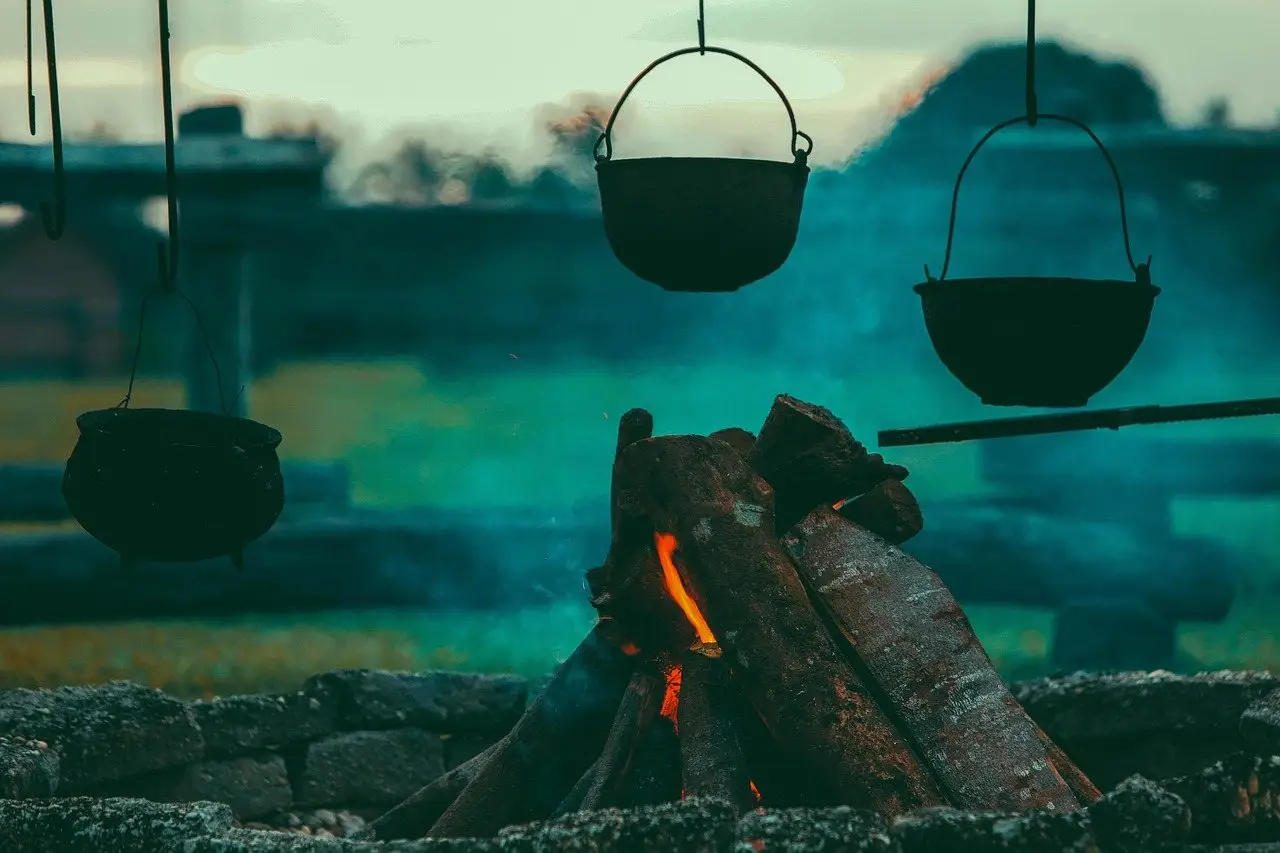
Hardwood, charcoal briquettes from other sources, a gas conversion or an electric grill all work. What never works is construction timber or lighter fuel alone.
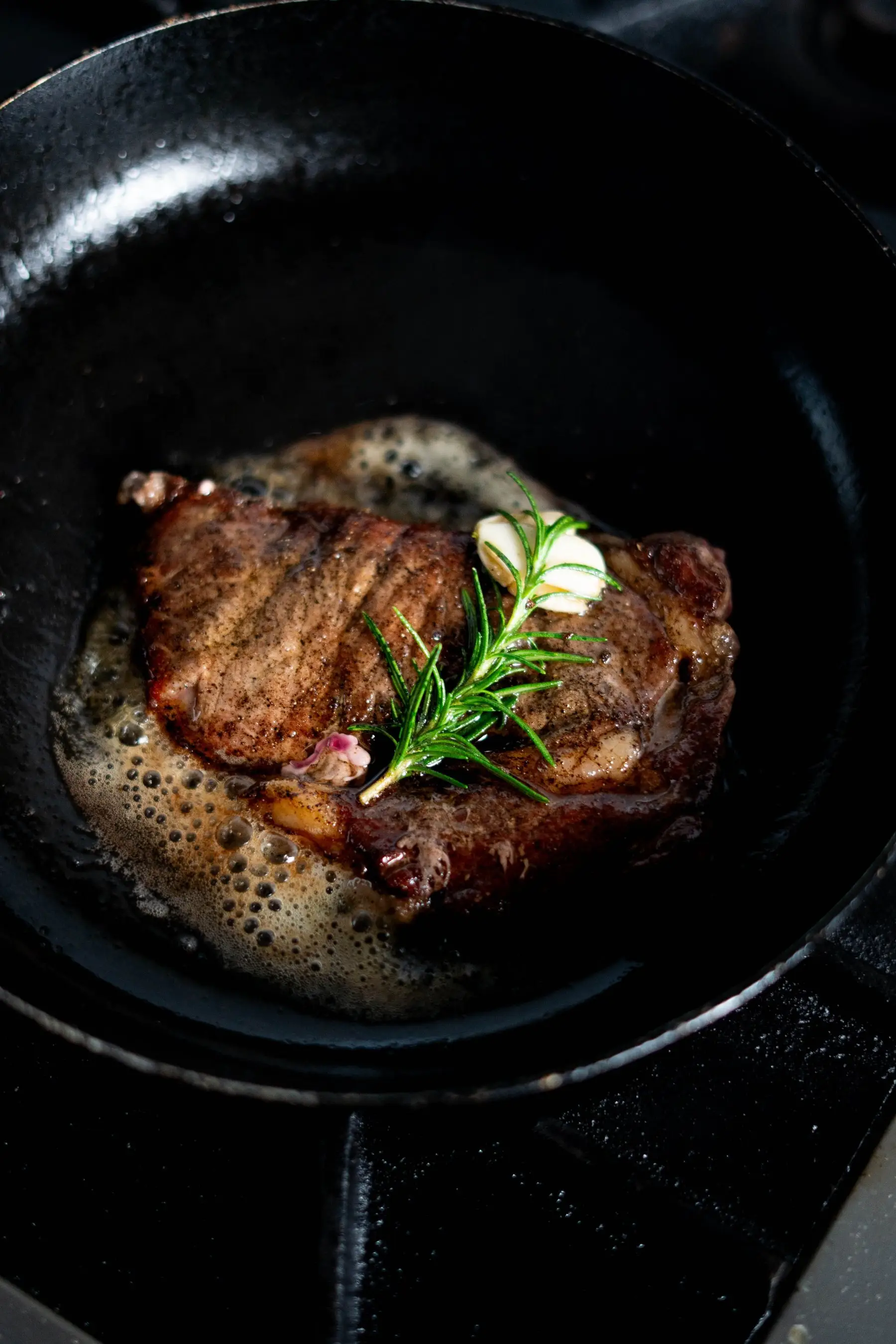
A broiler, a cast-iron grill pan or a fire pit with a grate will all do the job. What each is good at, and the indoor method that is genuinely dangerous.
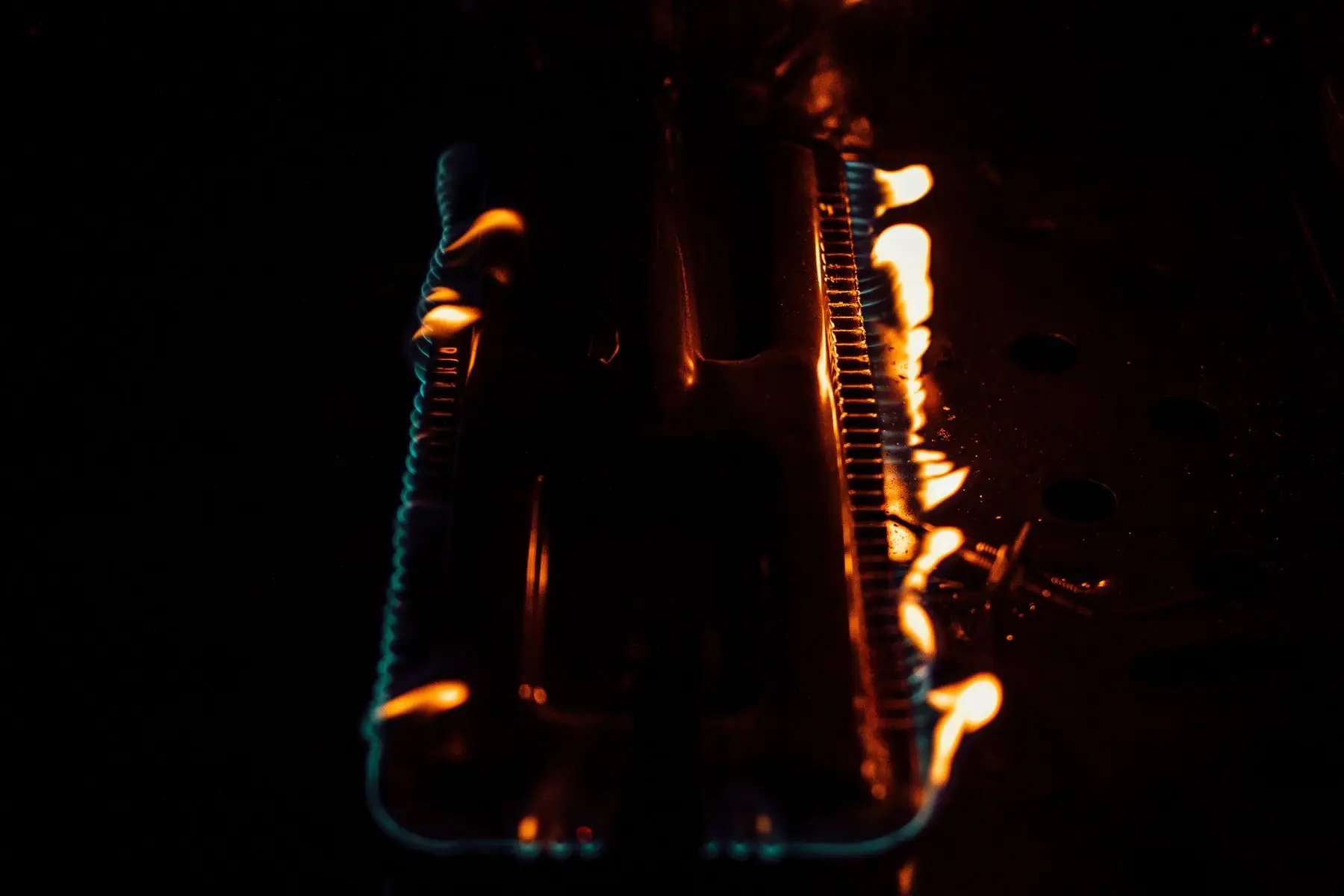
A grill stuck at low flame has usually tripped its excess-flow safety valve. The 60-second reset, and the opening order that stops it happening again.
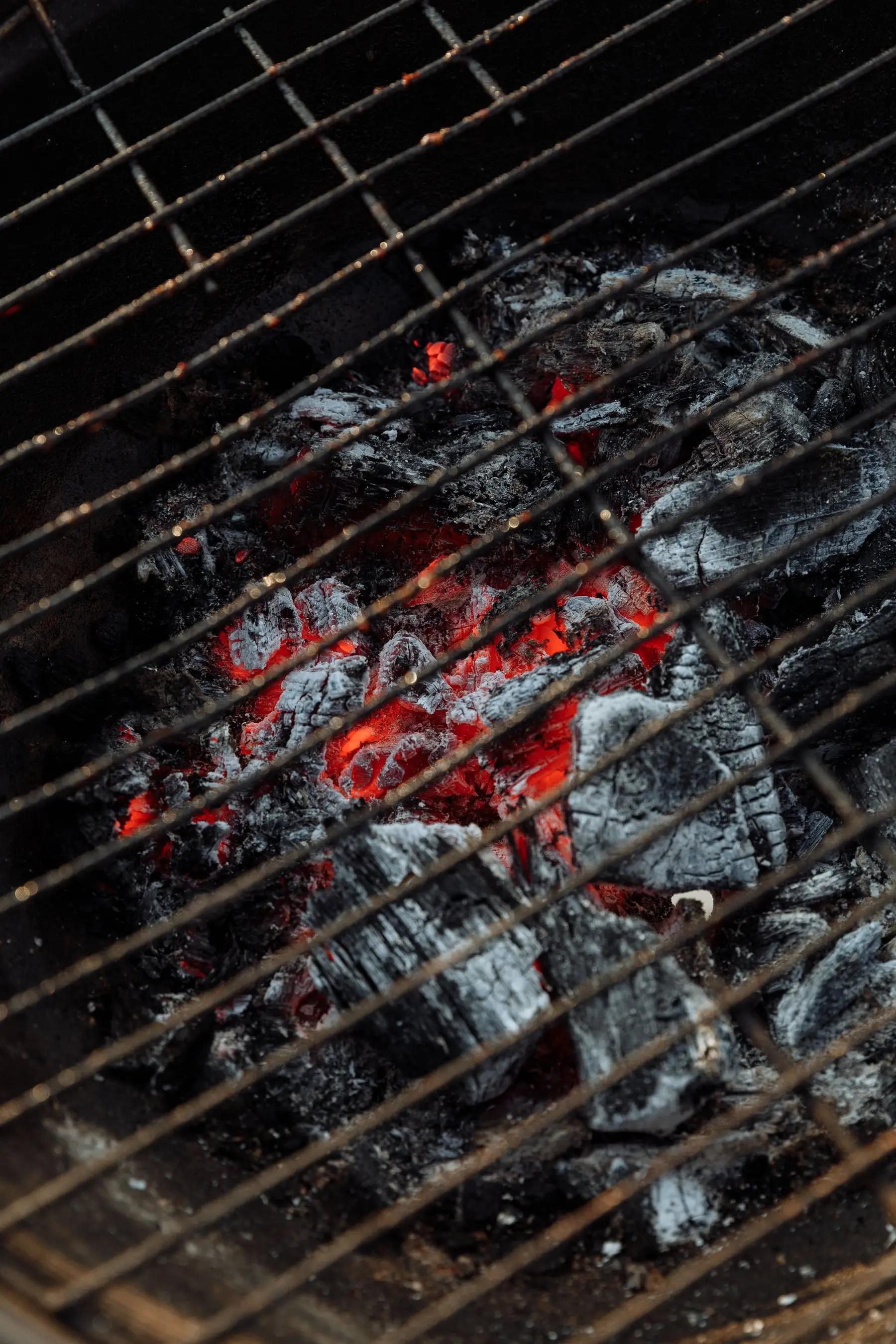
Close the lid and shut every vent — starving the fire of oxygen is the method. Why water is the wrong answer, and how long the ash stays dangerous.
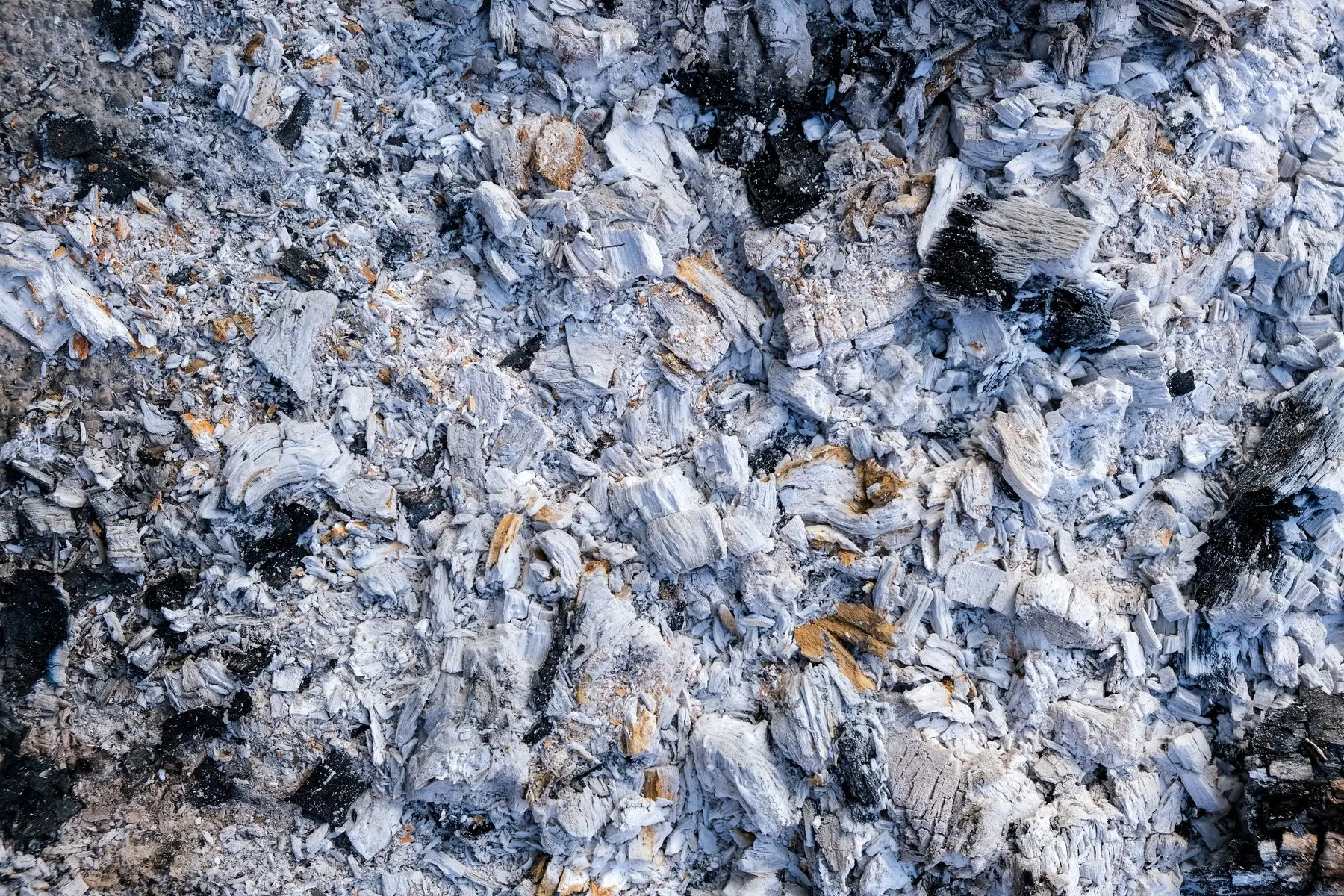
Wood and lump ash can go on the garden; briquette ash should not. How to tell which you have, what it does to soil pH, and the 48-hour fire rule.

A garden bar fails on the same things a kitchen does — no landing space, no shade, no drainage. Layouts by budget, and the height that decides everything else.
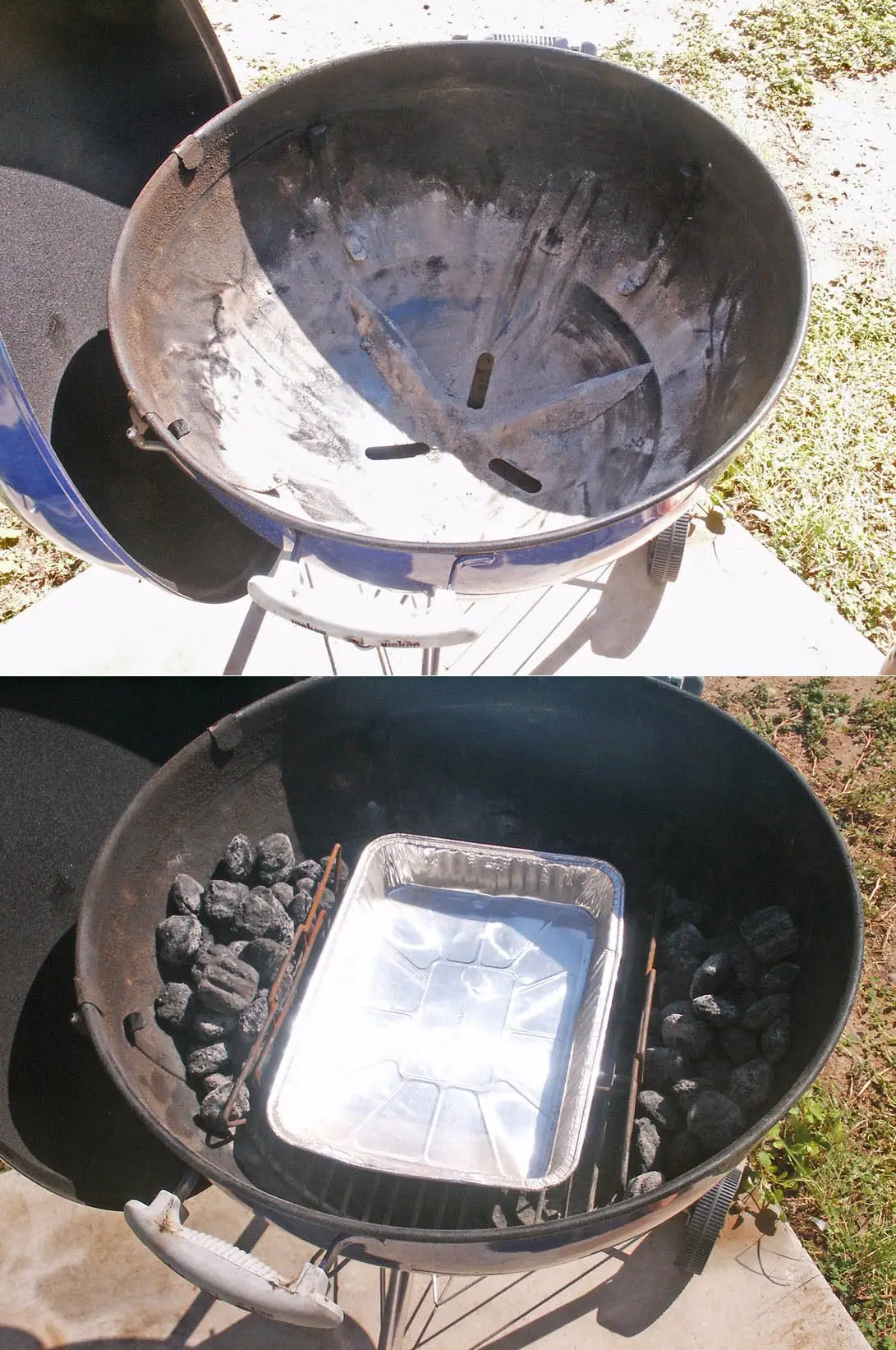
Direct vs indirect grilling is one fire built two ways. 4 items set up and hold the zones, temperature first. See which your grill is missing.
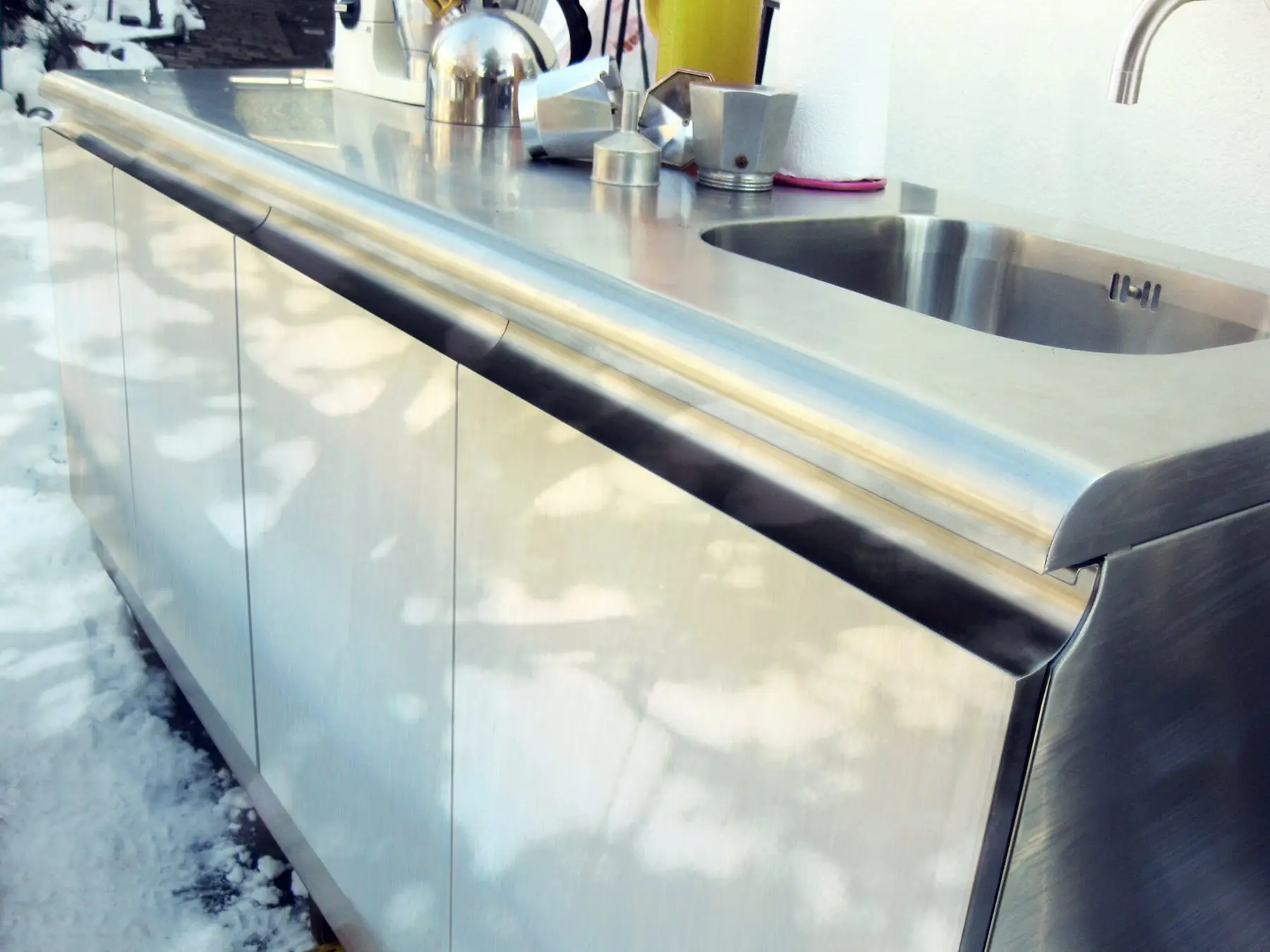
The grill is the cheap part. Where the services run, how much counter you need either side of the heat, and which materials survive being left outside.
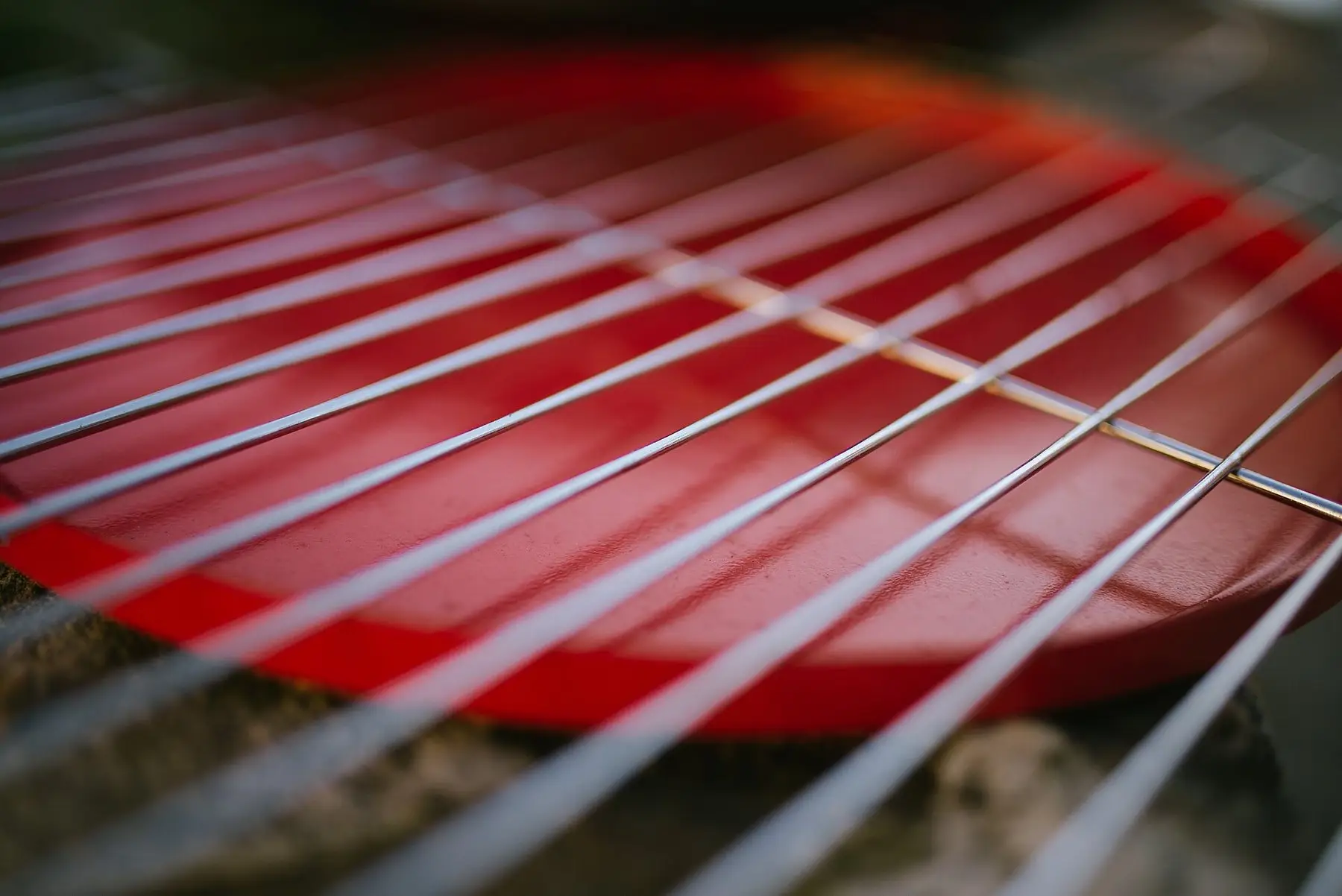
How to clean grill grates without a wire brush shedding into food. 4 tools compared on cast iron and deep cleans. See which suits your grill.
Backyard Weekly
One email a week: what to plant now, what to fix, and what is worth buying. No spam, unsubscribe anytime.
Not ready to subscribe? The planting calendar is free and needs no email.
By subscribing you agree to our privacy policy. Grow In Backyard will never sell your address.
Cookies
We use analytics cookies to see which guides get read, so we know what to write next. Decline and nothing is set. Privacy policy.